- The current eTA costs C$7; most decisions arrive within minutes.
- Public comments are planned after draft regulations appear in the Canada Gazette, Part I.
Checked against the Government of Canada
Immigration, Refugees and Citizenship Canada has proposed facial biometric checks for visa-exempt foreign nationals applying for an eTA, but the measure remains in development and has no start date. The initiative entered the department’s Forward Regulatory Plan on July 16, 2025.
Budget 2026, presented on November 5, 2026, renewed attention to the proposal by including remote facial-image submission for eTA applicants. It would affect people applying through the visa-exempt eTA route, including Ghanaian dual nationals travelling on an eligible passport, not most visitors using a Ghanaian passport.
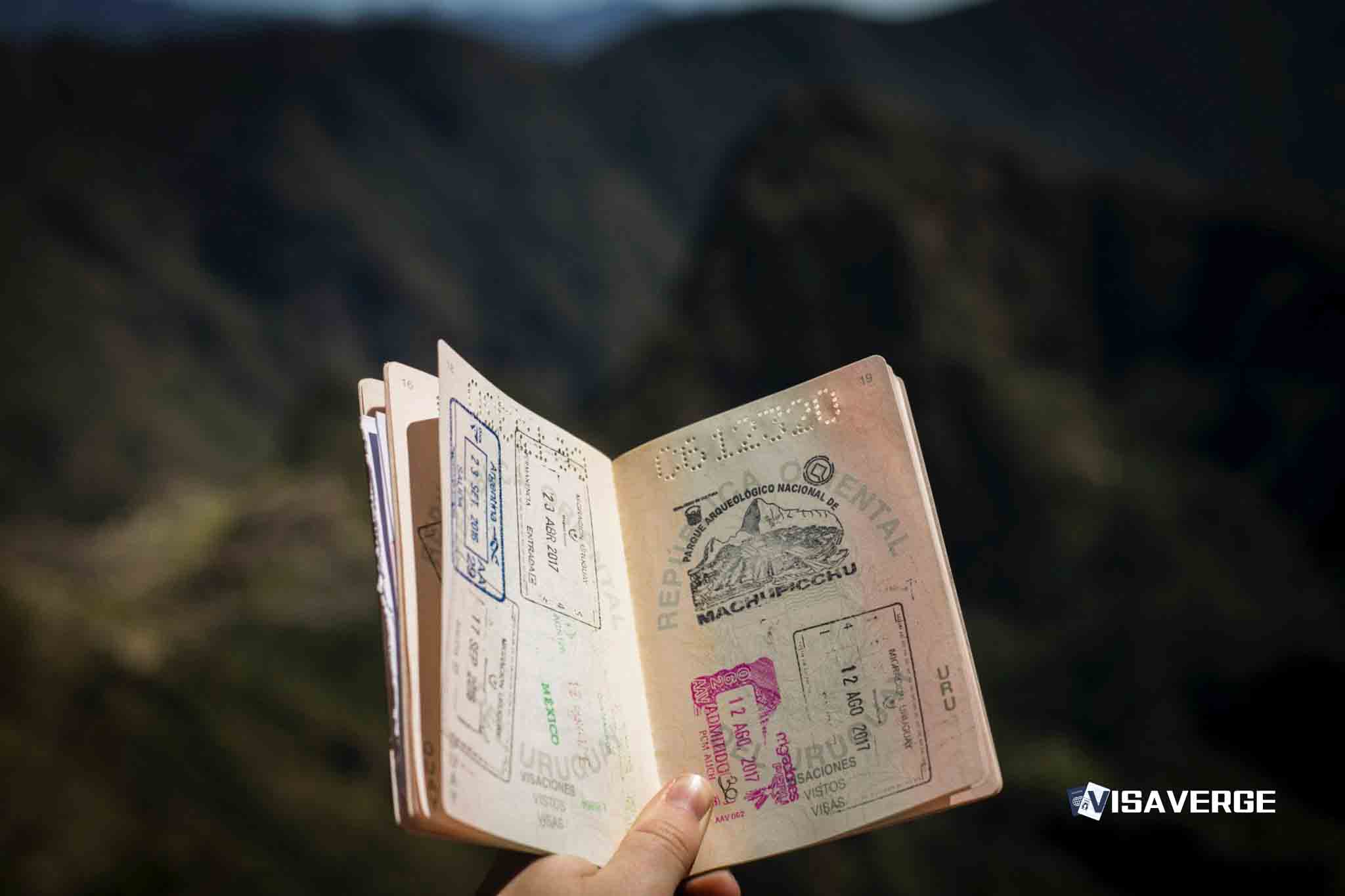
The proposal concerns the pre-travel application process. Canada’s eTA application guide explains the existing authorization route.
The requirement would add an identity check before travel
IRCC has proposed amendments to the Immigration and Refugee Protection Regulations to authorize expanded collection and use of biometrics. The plan includes a new requirement for visa-exempt foreign nationals applying for an eTA to visit Canada.
The department says facial biometrics could help verify identities and reduce identity fraud, addressing gaps in the eTA program. It also points to similar requirements in other countries. “This initiative is in the early stages of development,” IRCC says, and it plans targeted consultations as the work advances.
IRCC has not set an effective date or specified the devices, image formats or quality standards applicants would use. The budget describes remote submission, but does not settle how people would capture or send an image. A photo upload or face-capture step could sit alongside the personal and passport details currently provided.
The passport used determines which Ghanaian travellers could be affected
Free toolCanada Express Entry Points CalculatorThe proposed rule is aimed at visa-exempt foreign nationals who need an eTA to fly to Canada. Most Ghanaian passport holders follow a different route: Ghana is a visa-required country, and visitors applying for a full visa already provide fingerprints and a photograph at a visa application centre.
That visitor-visa process would not change under this proposal. A Ghanaian dual national travelling with an eligible visa-exempt passport, such as a British passport, could instead use the eTA route and fall within the proposed group.
The eTA is generally the online travel authorization eligible visa-exempt travellers need before flying to Canada. The passport used for the application determines the route.
The current eTA still costs C$7 and requires no facial image
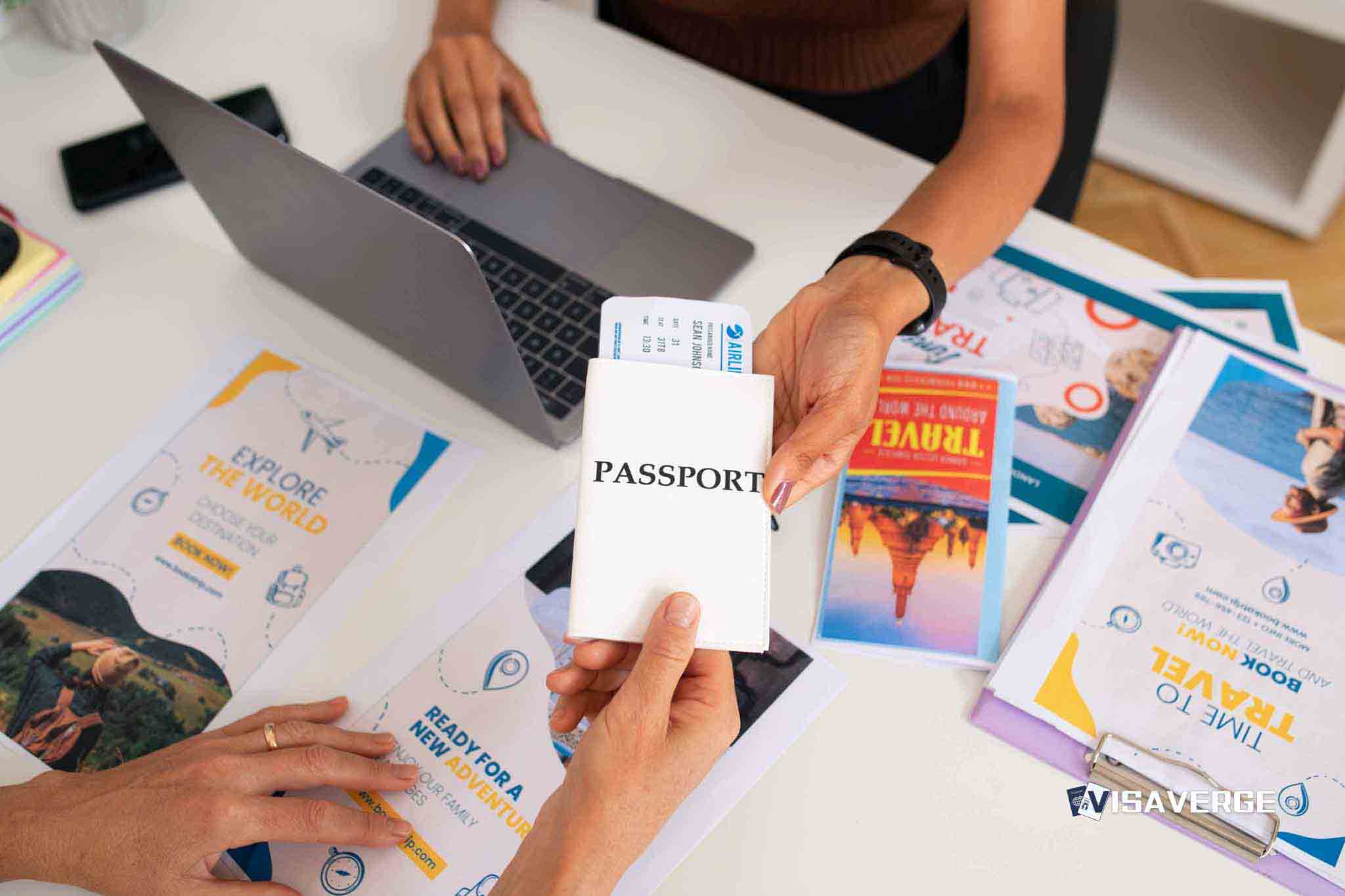
Eligible travellers currently apply online and pay C$7. Most decisions arrive within minutes, though some applications take longer. The process does not require a photo upload, facial scan or visit to a collection centre.
An approved eTA is electronically linked to the passport used in the application. It remains valid for up to five years or until that passport expires, whichever comes first. No eTA fee increase has been announced, although IRCC says the proposed biometric collection could add a step and extra costs for applicants.
The department has also recognized that tourism businesses may worry added requirements could affect visitors’ decisions to travel. Even with a valid visa or eTA, travellers face a final entry decision from Canada Border Services Agency officers at the border.
Budget airport and border projects are separate from the eTA rule
Budget 2026 proposes C$4.3 million over four years, starting in 2026–27, for Transport Canada to develop a Traveller Biometrics Strategy. The work would involve airports, airlines, security screening and border services, and could include digital credentials. The budget says the strategy will address privacy, personal information, accessibility, cybersecurity and individual choice.
A separate proposal would provide the Canada Border Services Agency with C$192.5 million over four years from 2027–28, then C$42.5 million annually, to modernize and stabilize border technology. These measures concern wider airport and border operations, rather than the eTA application requirement.
The Canadian Airports Council welcomed funding for biometrics. Its president, Monette Pasher, said: “We are pleased to see progress from government on prioritizing and funding the digitization of the traveller journey, including the use of biometrics, which has real potential to improve a passenger’s experience at the airport.”
The council said airports and partners had advocated for the work and were prepared to move quickly. Toronto Pearson has tested four facial-verification e-gates with Air Canada. Pasher also urged careful consideration of a separate proposal for private operating concessions at Canada’s four largest airports, saying: “The generational change proposed for the sector is significant and will require careful consideration.”
A different proposed eTA modernization would digitally capture passport information. That is separate from collecting a facial image.
The public can comment after IRCC publishes draft regulations
IRCC says the public will be able to comment when draft regulations appear in the Canada Gazette, Part I. The department has not yet opened that comment period.
- Apply under the current requirements for the passport you will use.
- Watch IRCC for final instructions and an effective date.
- The public can submit comments after the proposed text is pre-published in the Canada Gazette, Part I.
The existing application process remains the one travellers should use while IRCC develops the proposal.