- Japan has suspended food service visa applications after the five-year quota was exhausted years ahead of schedule.
- The sector reached its 50,000-worker limit by early 2026, marking the first industry to hit its ceiling.
- Applications submitted after April 13, 2026 are no longer being accepted for the Specified Skilled Worker category.
(JAPAN) — Japan’s Immigration Services Agency suspended new applications for the food service sector under the Specified Skilled Worker (SSW) visa quota after the industry used up its five-year allocation far faster than expected.
The halt took effect on April 13, 2026, after the agency announced the suspension on March 27, 2026. Applications received before April 13 will still be processed in order until the cap is fully reached.
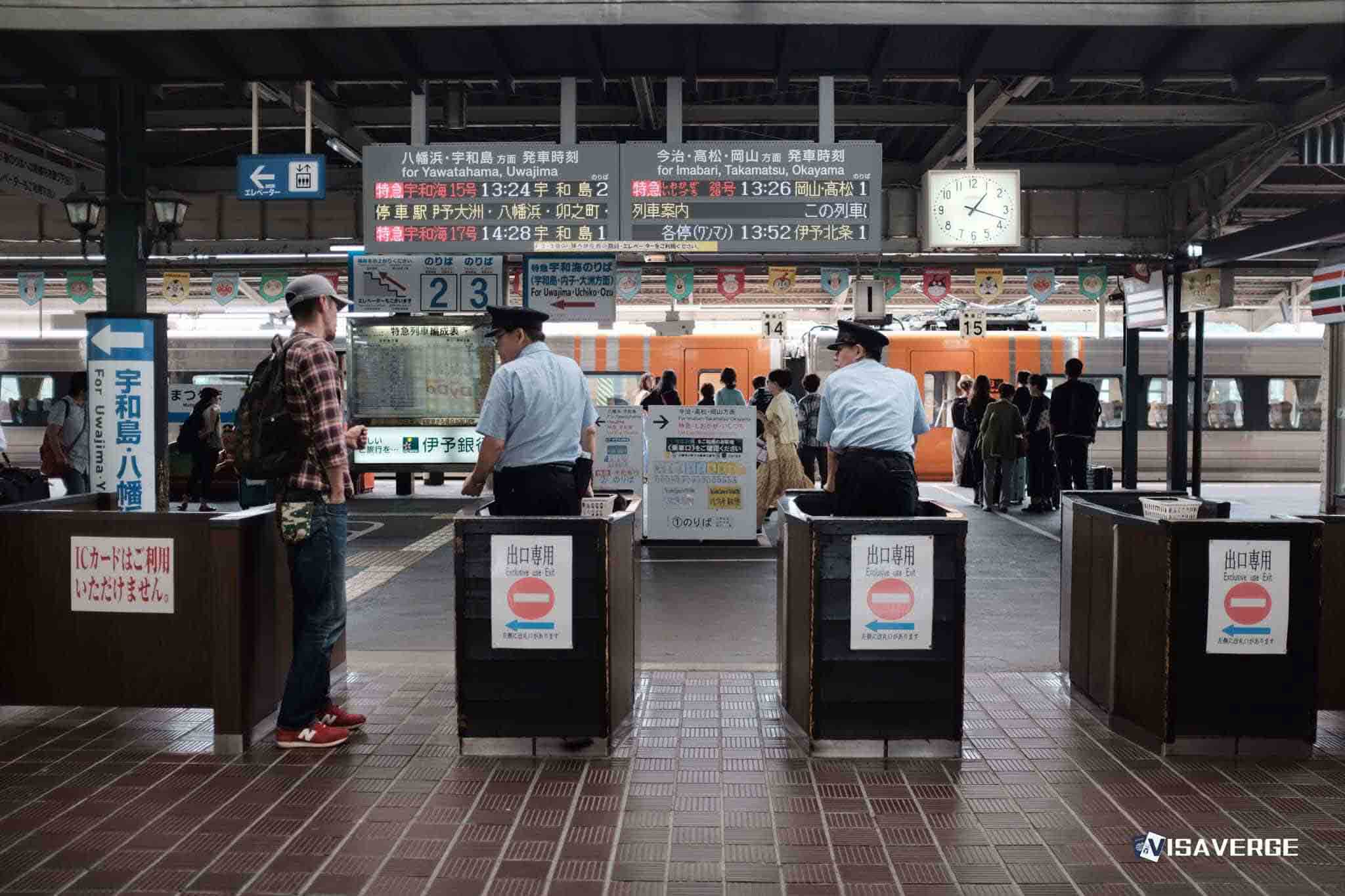
Japan had set aside 50,000 worker slots for the food service sector for the period from April 2024 to March 2029. By the end of February 2026, about 46,000 foreign workers had already filled positions, and projections showed the limit would be exhausted by May 2026.
That pace made food service the fastest-filling category under the expanded SSW system. It also marked the first time any sector reached its ceiling under the program.
The broader program aims to bring in up to 805,700 workers across 19 designated industries by March 2029. The sharp rise in restaurant and food-related hiring stood out against other sectors that still had room under their allocations.
Nursing care, one of the largest categories, had filled 68,000 of its 135,000 positions. Food service moved far faster, reflecting a labor market where restaurants, kitchens and related businesses struggled to find staff even as other industries absorbed foreign workers at a slower pace.
The jump was steep. The number of foreign workers in food service grew 53% from late 2024 alone, according to the figures in the government summary.
Officials linked that demand to pressures that have built for years and intensified after travel rebounded. Japan’s aging population and low birth rates narrowed the domestic labor pool, while post-pandemic tourism added demand at restaurants and other hospitality-linked businesses.
The Ministry of Agriculture, Forestry and Fisheries said “the food service industry was quicker to employ foreign skilled workers than in other sectors.” The comment captured a pattern that had already become visible in the quota data by early 2026.
Under the suspension, new applications tied to the food service sector now face delays with no fixed end date. Employers that had expected to recruit additional foreign workers under the scheme cannot file new cases in that category while the freeze remains in place.
The restriction reaches beyond first-time applicants. Requests from foreign skilled workers to switch into jobs in the food service industry are generally no longer accepted, closing off a route that had allowed some workers already in Japan to move into restaurants and related businesses.
One group still receives priority screening: technical interns already working in Japan who are moving to SSW status. That carveout does not reopen the category, but it does shape who can still move through the pipeline while the remaining space is assigned.
The agency said pending cases submitted before the cutoff will be handled in sequence until the allocation is filled. That ordering matters because the sector approached the limit before the government’s own projection date, leaving a narrow window between the warning signs and the formal stop.
By the time officials imposed the halt, the quota had already been pushed close to exhaustion. With roughly 46,000 workers in place by the end of February 2026, the remaining room under the 50,000 cap had become thin enough that continued intake risked overshooting the allocation before the five-year period ended.
The timing exposed how unevenly the expanded SSW program is operating across industries. Japan designed the system to distribute workers across a wide range of sectors facing labor shortages, yet food service consumed its share long before the end of the current April 2024 to March 2029 cycle.
That imbalance now leaves policymakers with a practical problem. Restaurants and other operators in the food service sector still face the same staffing pressures that helped drive the rush for visas, but one of the government’s main labor channels in that industry has effectively closed to new entrants.
The SSW framework itself was built to address those shortages on a national scale, allowing foreign workers into industries designated as short of labor. Food service has now become the clearest test of whether the quotas set at the start of the five-year period match actual hiring demand on the ground.
The contrast with nursing care suggests the answer varies sharply by sector. One industry still has tens of thousands of spaces left under its allocation, while another reached the ceiling in little more than half the program window.
That gap is likely to shape the next round of government decisions on quota management, even though no new allocation change has been announced. The current numbers already show where demand concentrated first and where the state’s planning assumptions ran into the market faster than expected.
Prospective workers who had planned to enter Japan through food service now face the most immediate effect. Cases filed after April 13, 2026 cannot move forward under the suspended category, and workers hoping to switch into the sector from another skilled role have lost that option in principle.
Employers face a similar constraint. Businesses that relied on the SSW route to cover labor gaps in kitchens, dining rooms and food preparation must wait while pre-cutoff applications move through the queue and the government decides how to handle a sector that has already hit its cap.
Food service reached that point before any other category in the expanded program, despite being one of 19 sectors included in Japan’s plan to accept up to 805,700 workers by March 2029. The speed of that fill, and the suspension that followed, turned one visa category into an early measure of how sharply labor demand now exceeds supply in parts of Japan’s economy.