- Currency in circulation hit a record ₹42.3 trillion in early 2026, driven by strong rural demand.
- Cash usage grew 11.8% year-on-year, the fastest pace seen since the 2016 demonetization period.
- A formal banking trail remains essential for NRIs and students to ensure financial credibility.
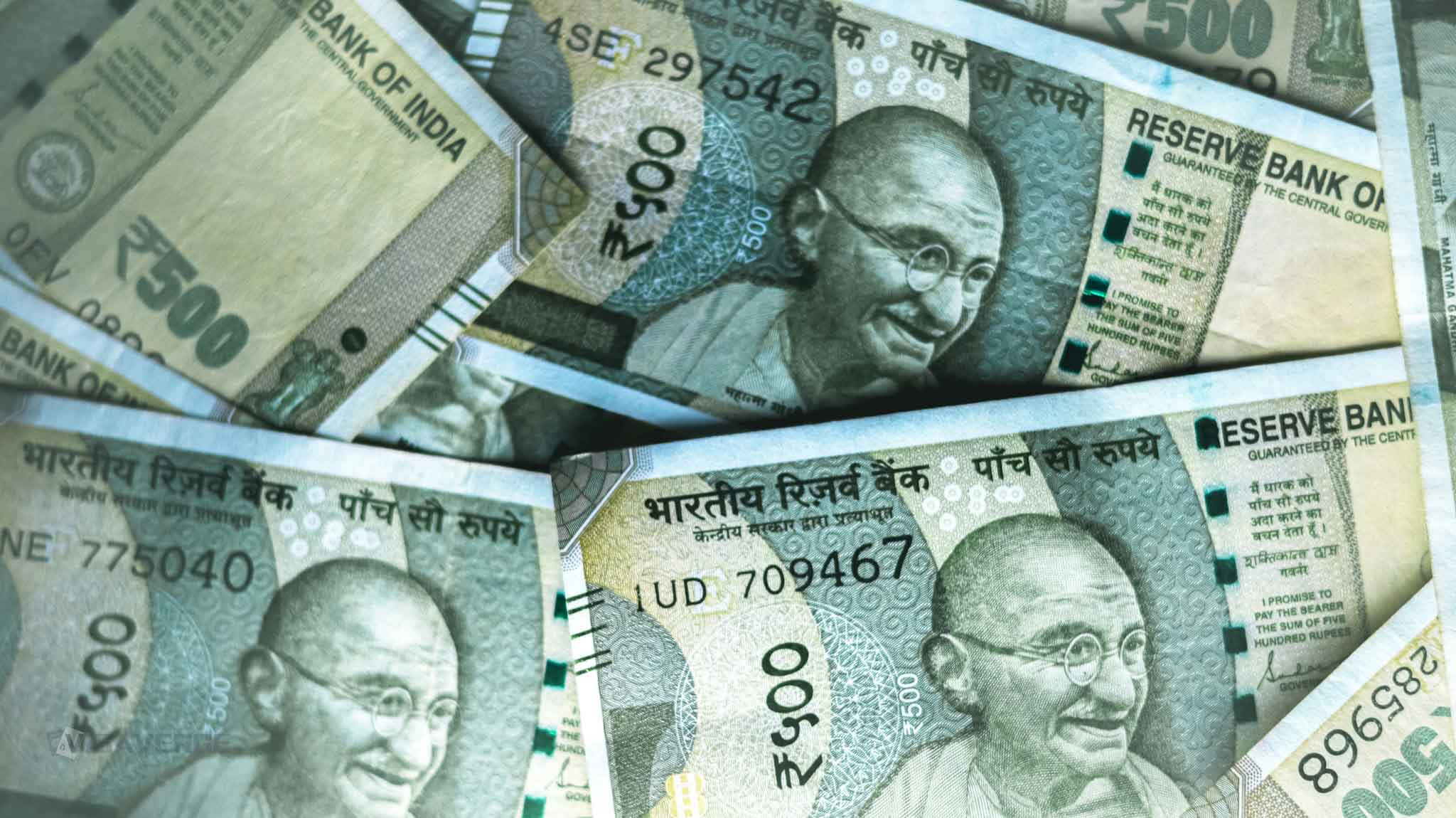
(INDIA) — Indians withdrew enough cash in the first half of April 2026 to push currency in circulation up by more than ₹610 billion, lifting the total to a record ₹42.3 trillion as cash usage strengthened even while digital payments kept expanding.
The increase marked an 11.8% year-on-year rise, the fastest pace since the period after India’s 2016 demonetisation exercise. It also showed how deeply cash withdrawals still shape daily commerce in a mixed payment economy where QR codes and bank apps sit alongside notes changing hands in markets, taxis and village shops.
That mix carries consequences beyond bank counters and ATMs. NRIs sending remittances, students arranging tuition and living costs, travellers paying local expenses, and remote workers splitting their finances across borders all face the same basic test: everyday cash use remains common, but large payments still carry more weight when they leave a banking trail.
Economists linked the April jump to stronger rural demand, where agriculture, labour payments, transport and local markets still rely heavily on cash. Rural households may receive money digitally from relatives abroad or from employers and customers, then pull it out for use in places where cards and apps are not always practical.
Lower interest rates also reduced the incentive to leave money in deposits, adding to the shift toward cash holdings for immediate spending. Tax cuts on daily-use items in September helped lift consumption, while higher gold and silver prices encouraged recycling that increased local cash circulation.
Money held outside banks matters for the financial system because it leaves less liquidity inside it. If that pattern lasts, it can influence money-market conditions, short-term rates and the way the Reserve Bank of India manages liquidity in the banking system.
Families with cross-border finances often meet that trend first through remittances. Transfers sent from abroad may begin in formal channels, but once relatives start handling major sums in cash, questions can follow later from banks, tax authorities, property registrars or foreign tax agencies reviewing the source and use of funds.
Formal remittance routes remain the safest path for NRIs moving money into India. Bank transfers, authorised remittance platforms and regulated accounts preserve a record of where the money came from, when it arrived and how it moved, which matters far more than convenience if a transaction later draws scrutiny.
High-value cash activity can invite that scrutiny quickly. Large deposits, withdrawals, property transactions, fixed deposits and credit card payments already move through reporting systems, and a relative who receives money from an NRI and then handles substantial sums in cash may need bank statements, remittance receipts and a clear record of purpose.
NRO accounts require added care because they often hold income earned in India, including rent, pension, dividends or sale proceeds. Once cash enters those accounts without a clear paper trail, the line between ordinary use and tax-sensitive activity becomes harder to explain, especially if the money is later repatriated.
Property deals remain one of the sharpest pressure points. Buyers and sellers with overseas ties often use family members, powers of attorney and multiple bank accounts to complete a transaction, and that makes traceable payments, sale deeds, receipts, bank records, TDS documents, valuation reports and tax filings far more reliable than cash-heavy settlements.
Students and their families face a different version of the same problem. A rise in cash withdrawals does not alter visa rules, but student visa cases often turn on whether the money behind tuition, housing and travel looks credible on paper.
Major education costs paid in cash can weaken that record. University fees, hostel charges, coaching or test-prep fees, visa consultancy fees, education loan expenses, rent deposits and travel packages carry more weight when families can show bank statements, loan sanction letters, fee receipts and a consistent source of funds.
That banking history often matters as much as the total balance itself. A student application supported by formal transfers and documented payments presents a cleaner financial picture than one backed by recent cash deposits that arrive just before filing.
Travellers to India also sit inside the country’s dual payment system. Cities may run on apps, cards and UPI, but local taxis, auto-rickshaws, small shops, highway stops, rural areas, religious sites, tips, emergency purchases and some guesthouses can still require notes in hand.
Carrying some cash remains practical, especially outside large urban centres. Carrying too much creates avoidable risk, and travellers handling expensive medical, family or holiday spending have stronger protection when they keep exchange receipts, ATM records and a mix of cards, digital payments and limited cash.
Currency declaration rules at entry and departure also make records useful. Anyone moving larger sums tied to travel, family obligations or extended stays benefits from a clear trail showing what was exchanged, withdrawn and spent.
Digital nomads and remote workers with links to India face another layer of exposure because spending patterns can intersect with tax residency and source-of-income questions. Someone earning abroad and living part of the year in India may find that rent, coworking fees, travel costs, client payments, invoices, foreign income records and Indian bank transfers all need to line up across jurisdictions.
That is especially true for people who divide time between India and another country. Cash may cover meals, taxis or daily errands, but business and income records need to stay traceable if tax authorities or visa officials ask how the person earns, where the income arises and how it supports time spent in India.
The April surge in cash withdrawals does not directly change visitor, student, family or residency visa rules. It does, however, sharpen the same financial credibility tests that already sit inside many immigration decisions: source of funds, stable income, ability to pay tuition or travel costs, sponsorship support, financial ties to a home country and the genuine purpose of travel.
Applicants who rely on banking records usually present a stronger case than those who lean on undocumented cash. A sponsor claiming enough funds for travel or study is generally better positioned with tax returns, salary records, business documents, investment proof and bank statements than with large unexplained deposits made shortly before an application.
The broader payments picture remains mixed, not reversed. India continues to process digital payments at scale through UPI, mobile wallets, cards and online banking, yet the rise in currency in circulation to ₹42.3 trillion shows that physical cash still anchors large parts of rural trade, household spending and informal commerce.
That combination explains why the jump in April did not signal a retreat from digital payments so much as a parallel rise in cash demand. India’s payment habits now operate on two tracks at once: a fast-growing digital system for convenience and documentation, and a resilient cash economy for places and transactions where notes still move faster than screens.
People with money moving in and out of India are likely to feel that reality most directly in the paperwork they keep. A family funding a wedding, a parent paying a hostel deposit, a traveller covering a medical emergency, an NRI supporting relatives, or a remote worker paying rent can still use cash for smaller needs, but the larger the amount, the more valuable the banking trail becomes.
April’s figures, more than ₹610 billion added in 15 days and annual growth at 11.8%, left a simple picture of the economy in view: India’s currency in circulation is climbing at the same time digital payments keep spreading, and anyone moving money across borders now has more reason to make sure the important transactions can be proved long after the cash is gone.