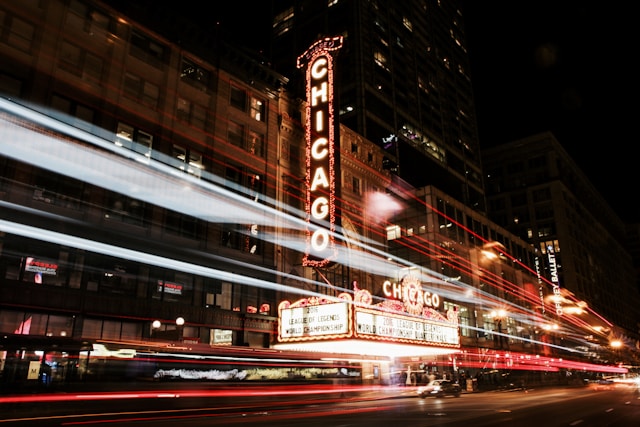
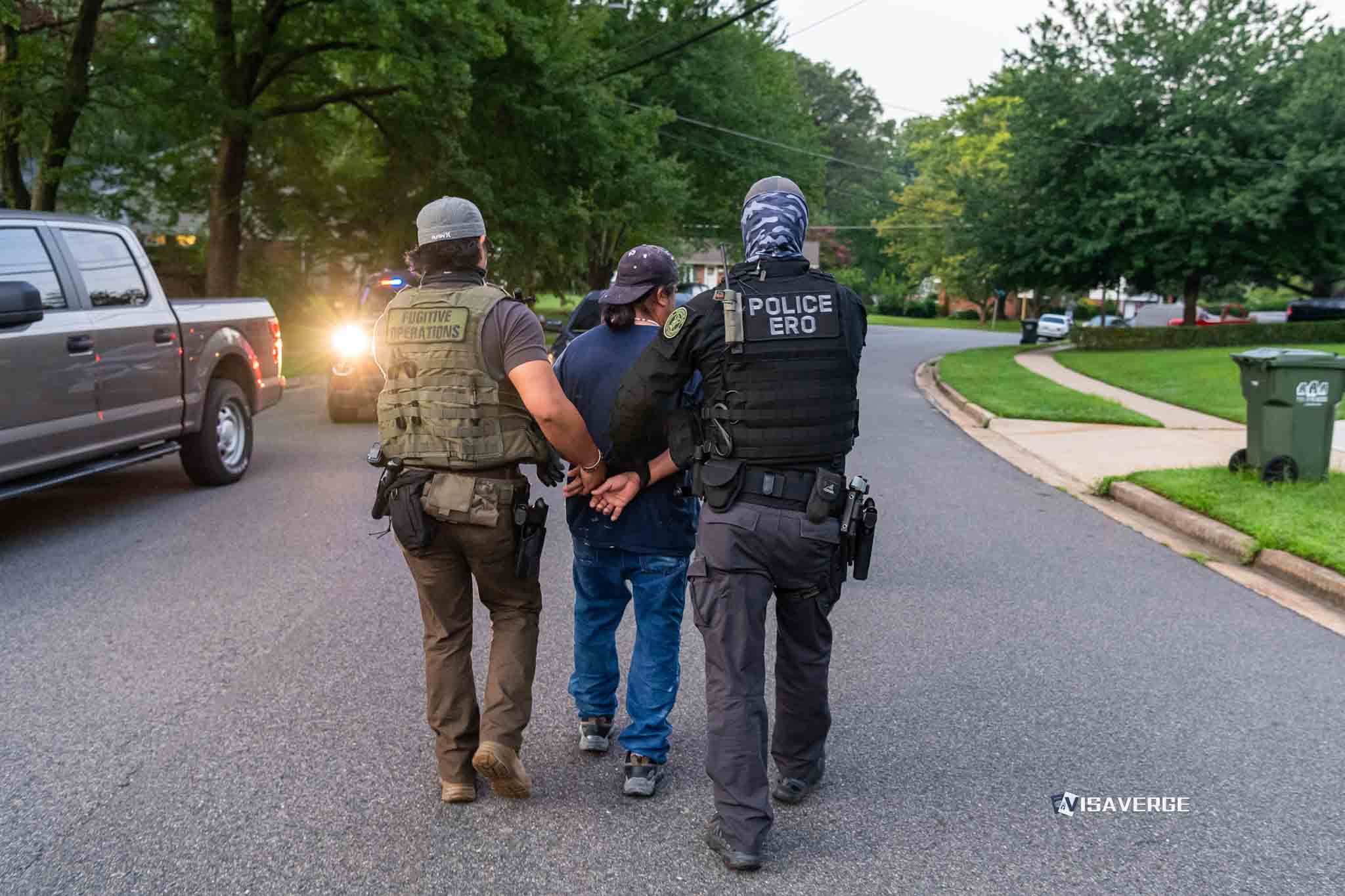
(CHICAGO, ILLINOIS) A tense immigration crackdown is casting a long shadow over the 2025 Chicago Marathon, set for October 12. Runners, families, and local businesses describe growing fear tied to stepped-up federal actions in Chicago and other major U.S. cities since President Trump’s renewed enforcement push earlier this year.
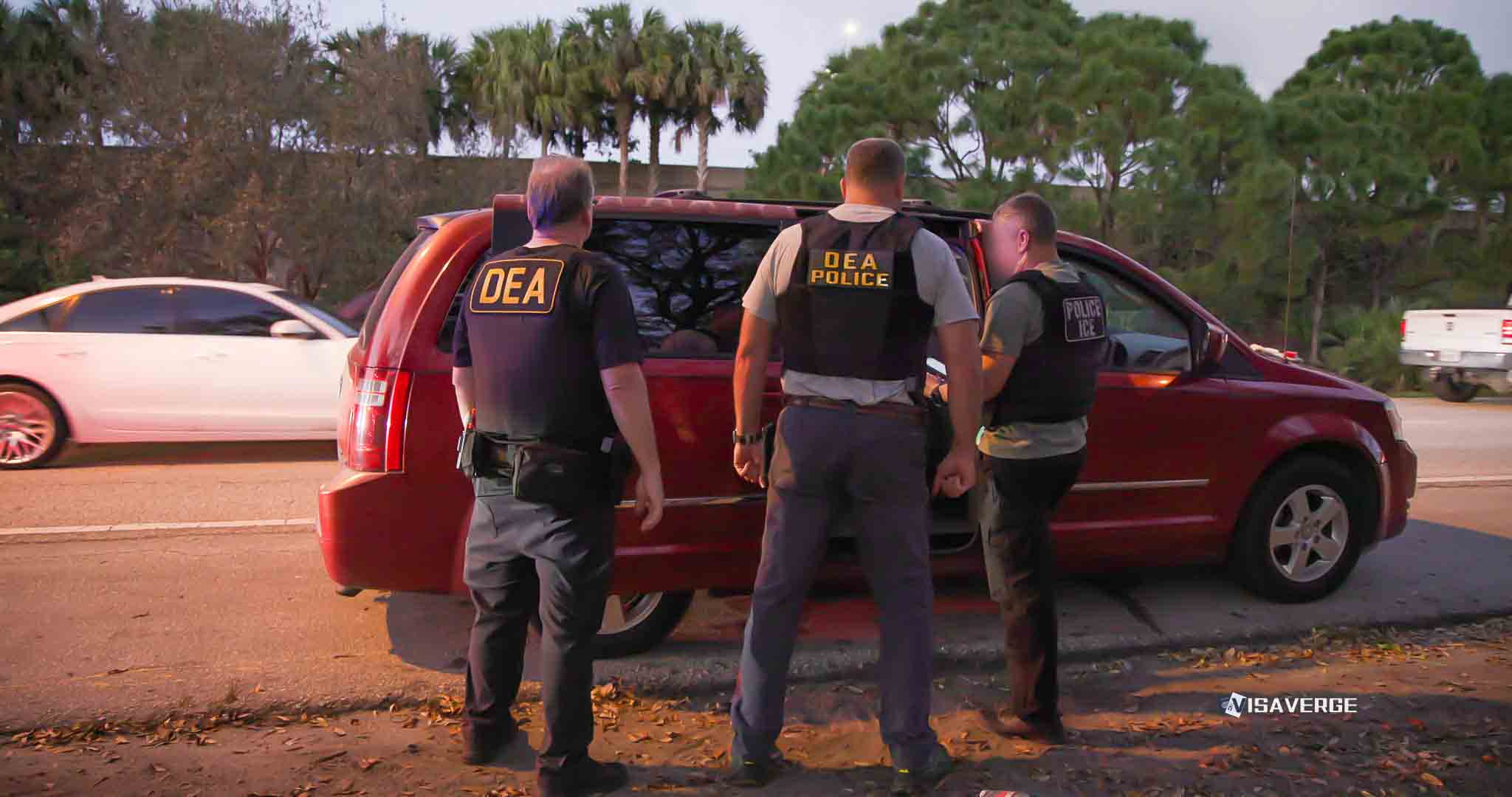
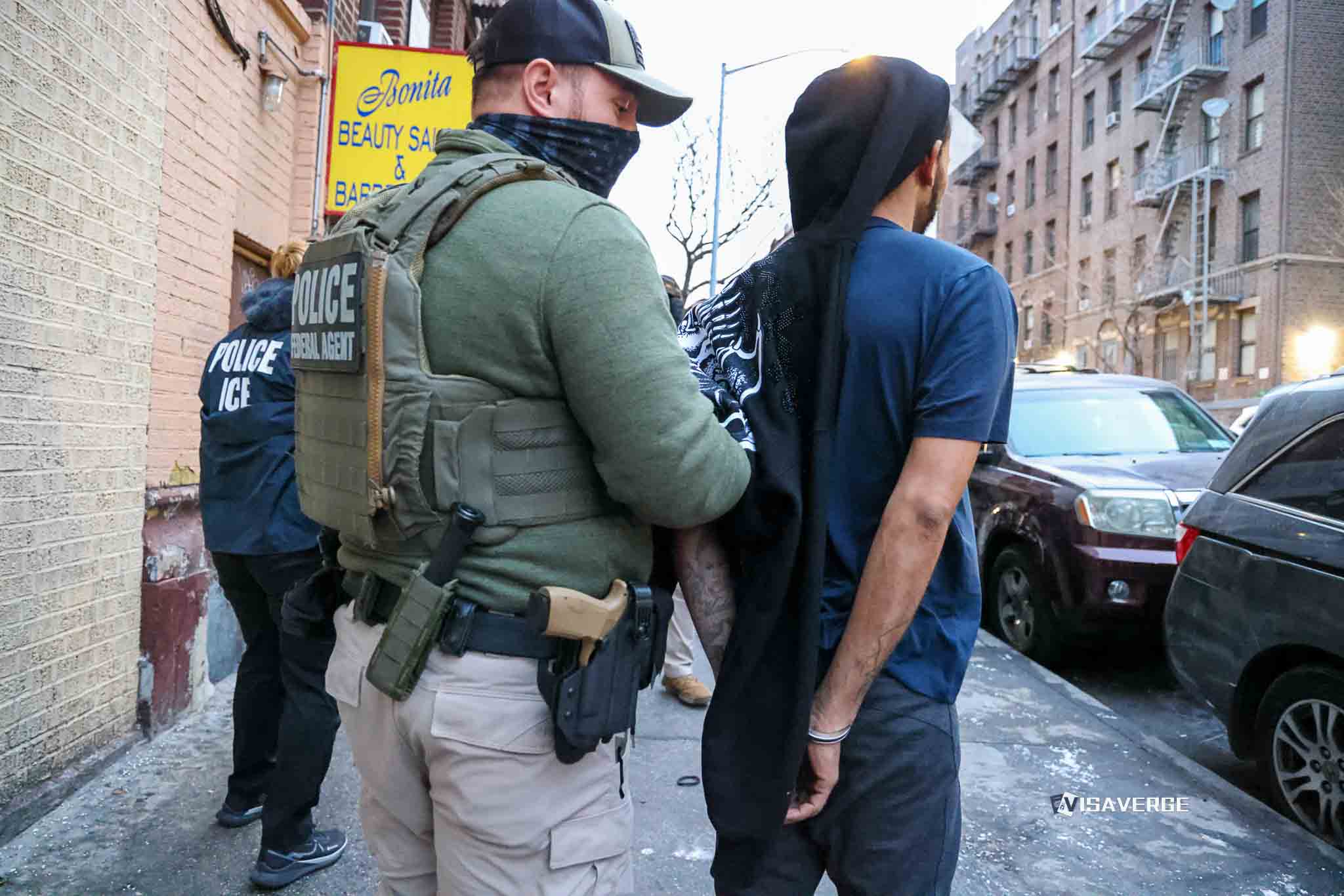
Reports of aggressive raids, a visible ICE and CBP presence, and National Guard deployments to protect federal property have many participants worried about safety, racial profiling, and the risk of being stopped on race weekend.
Organizers’ response and participant reactions
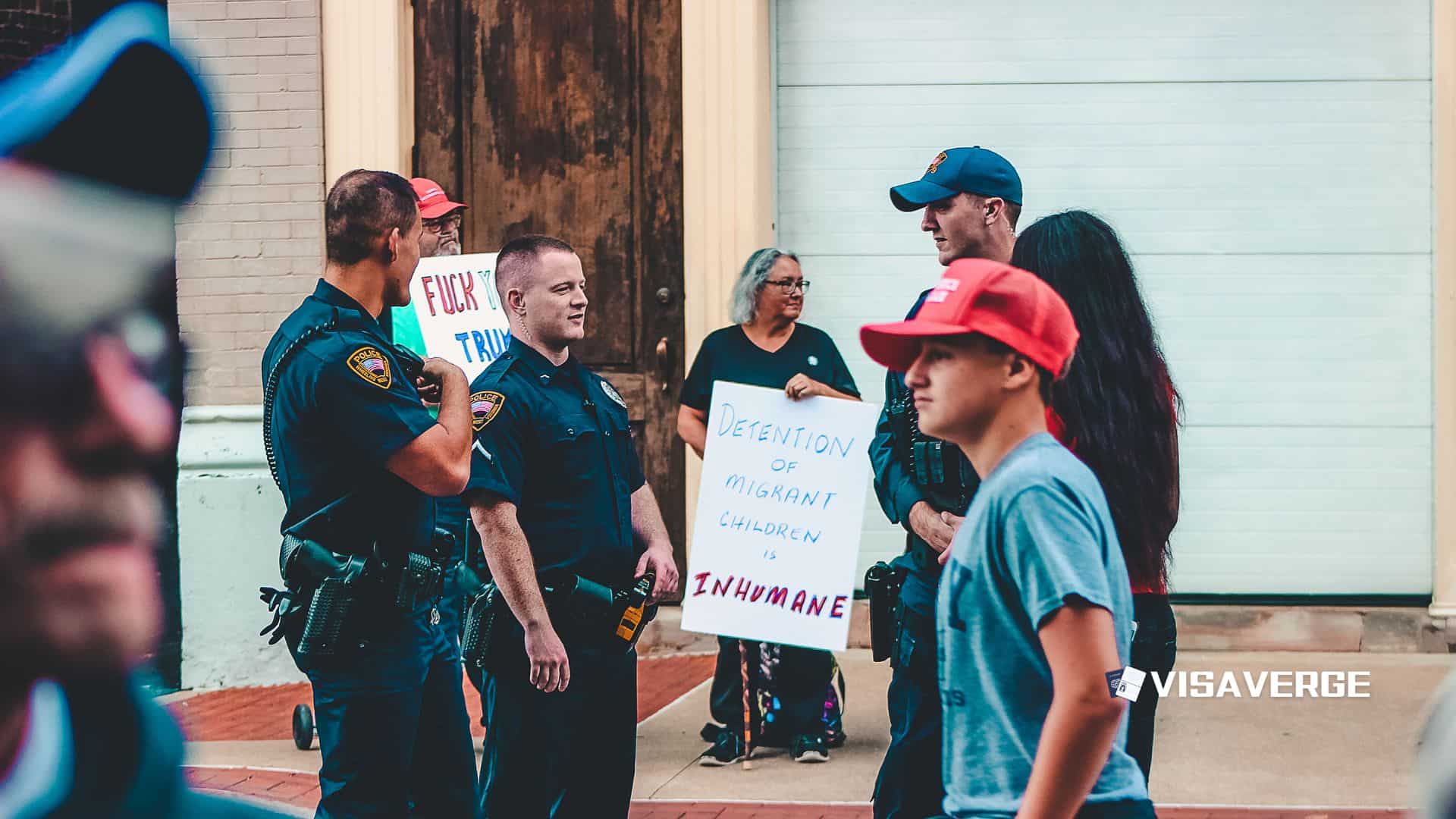
Organizers acknowledged the anxiety by emailing participants on October 8, 2025, directing them to the city’s immigrant “Know Your Rights” resources. While the message aimed to calm nerves, it also confirmed what many felt: this year is different.
Free toolB1/B2 Tourist Visa Stay Calculator online- Even U.S. citizens and legal residents from Latino, South Asian, and other communities say they plan to carry identification at all times and travel in groups.
- Some plan to skip pre-race festivities or avoid crowded areas where they fear heightened enforcement.
- Others told coaches they may alter race-week plans to reduce perceived risk.
Economic stakes and local impact
The Chicago Marathon is one of the world’s premier races and a major engine for tourism. Last year saw 52,150 finishers, including more than 15,000 international runners, with strong showings from Mexico, the U.K., Canada ??, and Brazil.
Local hotels and restaurants depend heavily on that global crowd. Business owners now worry that the current climate will:
| India | China | ROW | |
|---|---|---|---|
| EB-1 | Feb 01, 2023 ▲109d | Jul 01, 2023 | Current |
| EB-2 | Nov 01, 2013 | Oct 01, 2021 ▲30d | Jan 01, 2025 |
| EB-3 | Jan 01, 2014 | Jan 08, 2022 ▲7d | May 15, 2024 ▼109d |
| F-1 | Jan 22, 2020 | Jan 22, 2020 | Jan 22, 2020 |
| F-2A | Sep 22, 2026 ▲31d | Sep 22, 2026 ▲31d | Sep 22, 2026 ▲31d |
- Shrink race-week spending
- Reduce bookings and push last-minute cancellations
- Damp the city’s image as a welcoming hub
According to analysis by VisaVerge.com, uncertainty around federal enforcement can quickly ripple through travel plans, especially when families feel they may face intrusive questions or checkpoints near the course.
Federal stance and local signals
ICE has tried to shut down rumors, calling talk of planned enforcement at the marathon “absolutely ridiculous.” The agency points to long-standing guidance that treats public events as sensitive locations, typically off-limits unless there are exigent circumstances.
DHS under Kristi Noem, however, has taken a sharper tone about visibility at high-profile gatherings. Noem recently said immigration officers would be “all over” the upcoming Super Bowl in California, signaling that major events may see a more public federal footprint this year.
CBP has been less definitive. Officials have said that people in the country legally “need not worry,” but stopped short of offering the clear, categorical assurances many runners are seeking. For families traveling with mixed-status relatives, that gap matters.
- Parents of U.S.-born kids asked community groups if they should bring passports to the expo.
- Lawful permanent residents asked whether carrying a green card while running is wise.
- While no rule requires runners to carry documents on the course, legal aid groups say quick access to ID can reduce risks if stopped.
City officials say they’re prepared. Mayor Brandon Johnson emphasized Chicago’s track record hosting large events and said public safety plans remain strong. He also noted the high stakes for neighborhoods that rely on marathon traffic. In parts of Pilsen and Little Village, community leaders expect fewer street vendors and a quieter scene than usual.
Context from other enforcement waves
Advocates point to cases in Oregon, Alabama, Florida, and Southern California where U.S. citizens were detained in error during past enforcement waves, fueling fears of racial profiling. Chicago’s long-standing “sanctuary” policies have clashed with federal priorities, and the renewed push has reopened old wounds.
While most marathon-related safety rules are unchanged, the context is different: a louder federal posture and a community measuring every choice—what to carry, where to stand, whether to cheer.
“The result is a gap in trust,” community leaders say. They point to small choices that add up: a vendor who stays home, a grandmother who decides not to watch from the curb, a family that cuts short a trip to the United States ??.
What participants are doing now
Running clubs and neighborhood groups are sharing simple, practical steps to help members focus on the race while staying prepared. Their guidance is calm and pragmatic:
- Stay informed about local updates.
- Move with teammates and stay in groups.
- Keep emergency contacts handy and accessible.
- Know where to go for help if needed.
Commonly recommended precautions:
- Carry government-issued ID if you feel comfortable doing so.
- Save important phone numbers in your phone and on paper.
- Travel with friends to the expo, start area, and finish.
- If you see a problem, step away to a safe area and call for help.
Civil rights lawyers stress that people have rights regardless of status. Official guidance generally limits enforcement at sensitive places. For context, DHS has published instructions on actions in or near protected areas; readers can review current guidance on the Department of Homeland Security’s site at this DHS protected areas guidance. While this is not marathon-specific, it offers useful background on how federal officers are expected to operate near public places.
Legal advice and practical tips
ICE’s denials of race-day operations have not eased all fears. The agency’s statements may be true, but CBP’s lack of blanket assurances and DHS leadership’s comments have left a trust gap.
Attorneys suggest:
- People with lawful status should bring what they’d normally carry to the airport—passport, green card, or work permit—if that makes them feel safer.
- Keep calm and avoid confrontations.
- If questioned, you can ask if you’re free to leave.
- If you’re not driving, you typically do not have to show ID, but presenting it may resolve the situation faster.
- Legal aid groups will have hotlines staffed through race weekend.
Human stories and community effects
The human stakes are clear. Examples include:
- A runner from a South Side club whose parents, both citizens, now avoid large gatherings because they fear being singled out.
- A suburban coach who said several first-time marathoners backed out this week, worried about getting to the start area.
These are small decisions with real emotional costs. They change how families celebrate, how kids see big-city events, and how neighbors share public space.
Official preparations and final outlook
Officials continue to balance assurance with caution. The Chicago Police Department will manage normal crowd control. Event organizers say standard security rules remain in place, and they expect a safe, successful race. Still, the public message is practical:
- Stay alert
- Plan your day
- Take care of each other
As the weekend begins, the story of this Chicago Marathon is not just who breaks the tape. It’s whether the city can hold its global event under a stricter federal lens, and whether clear communication—from ICE, CBP, City Hall, and race officials—can keep fear from defining the day.
VisaVerge.com reports that trust often returns slowly after high-profile enforcement waves. For Chicago, the test is here: on a course built for speed, lined with pride, and shared by a world that wants to run together.
This Article in a Nutshell
The 2025 Chicago Marathon on October 12 arrives under a tense backdrop as stepped-up federal immigration enforcement across U.S. cities has raised safety and profiling concerns. Reports of ICE and CBP visibility and National Guard deployments have prompted organizers to email participants on October 8 with city “Know Your Rights” guidance. Many runners, including U.S. citizens and legal residents from Latino and South Asian communities, plan to carry ID, travel in groups, or skip festivities. The marathon’s economic stakes are significant—2024 saw 52,150 finishers and over 15,000 international runners—and local businesses fear lost revenue and cancellations. ICE denies planned race-day operations, but DHS statements about heightened visibility at major events have left a trust gap. Legal groups recommend practical precautions and hotlines, while city officials stress safety plans and clear communication to keep the event secure and welcoming.