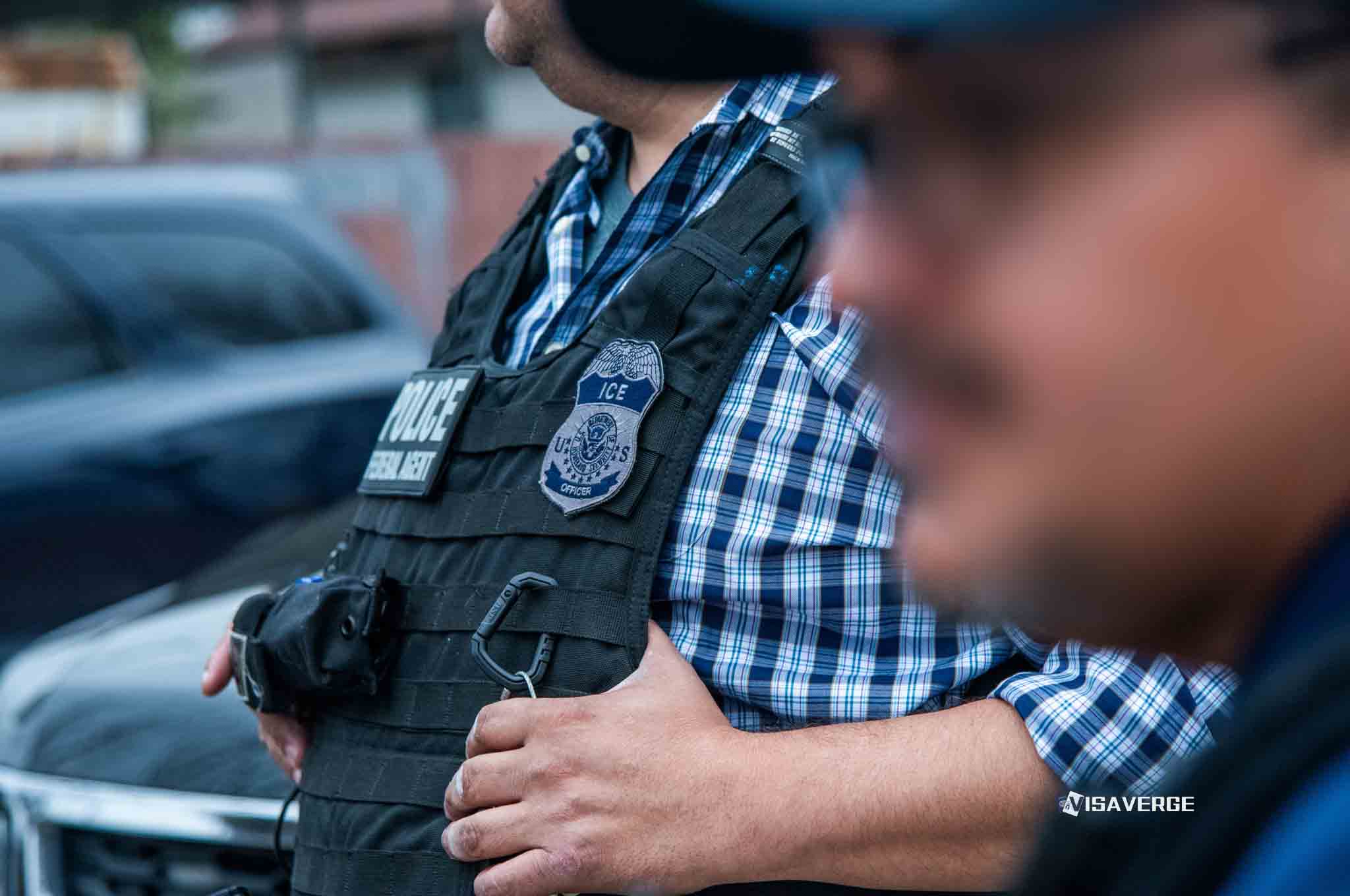
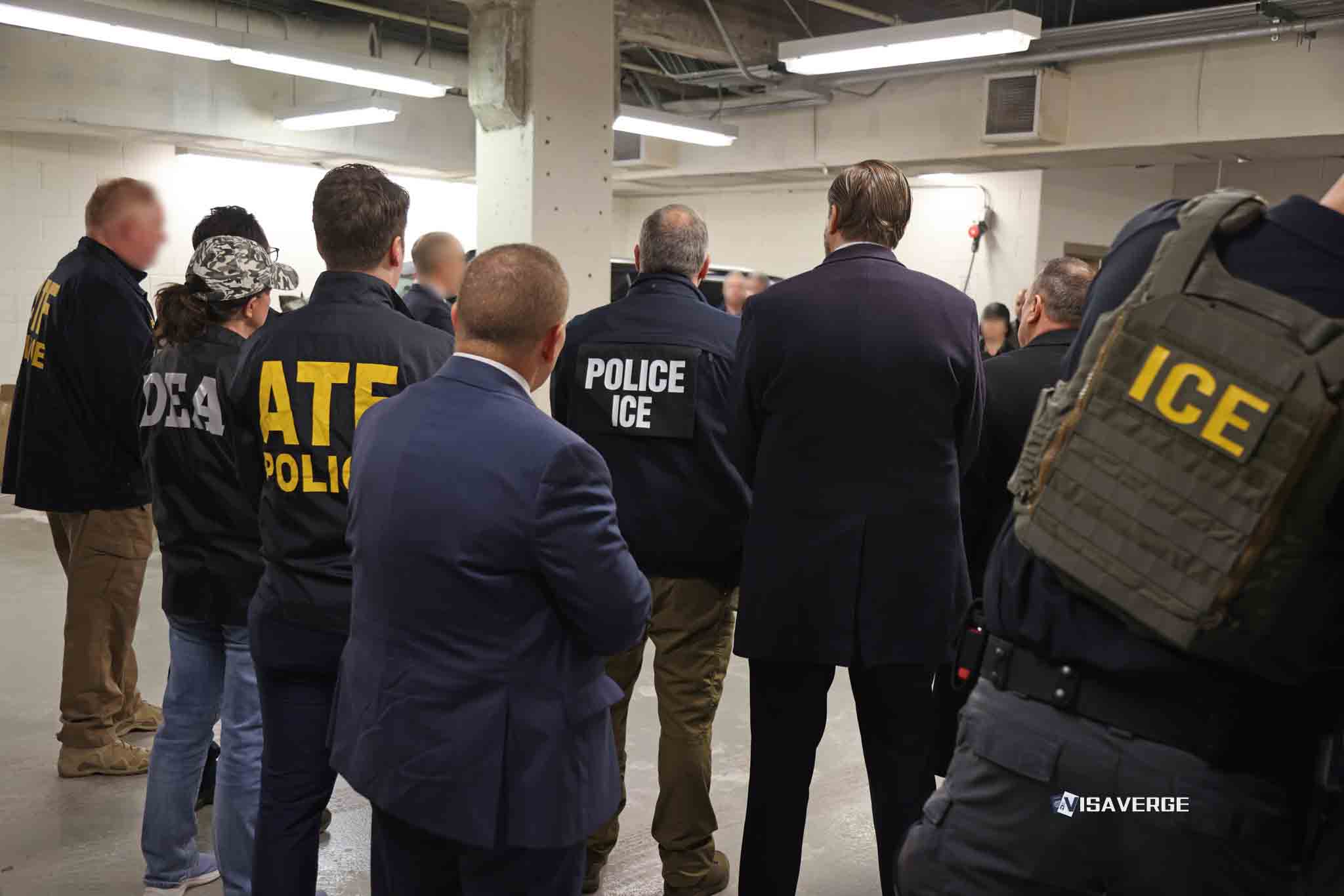
(MEMPHIS) Immigrant families and their supporters say they are in crisis as federal immigration enforcement surged across Memphis following the launch of the Memphis Safe Task Force. Announced by President Trump on September 15, 2025, the operation brought the National Guard and multiple federal agencies—ICE, FBI, DEA, and U.S. Marshals—into the city, with visible patrols and aircraft now a daily sight.
While federal officials say the goal is to fight violent crime, attorneys and advocates report that immigration enforcement has quickly become the focus, sweeping up workers and parents and spreading fear well beyond those without legal status.
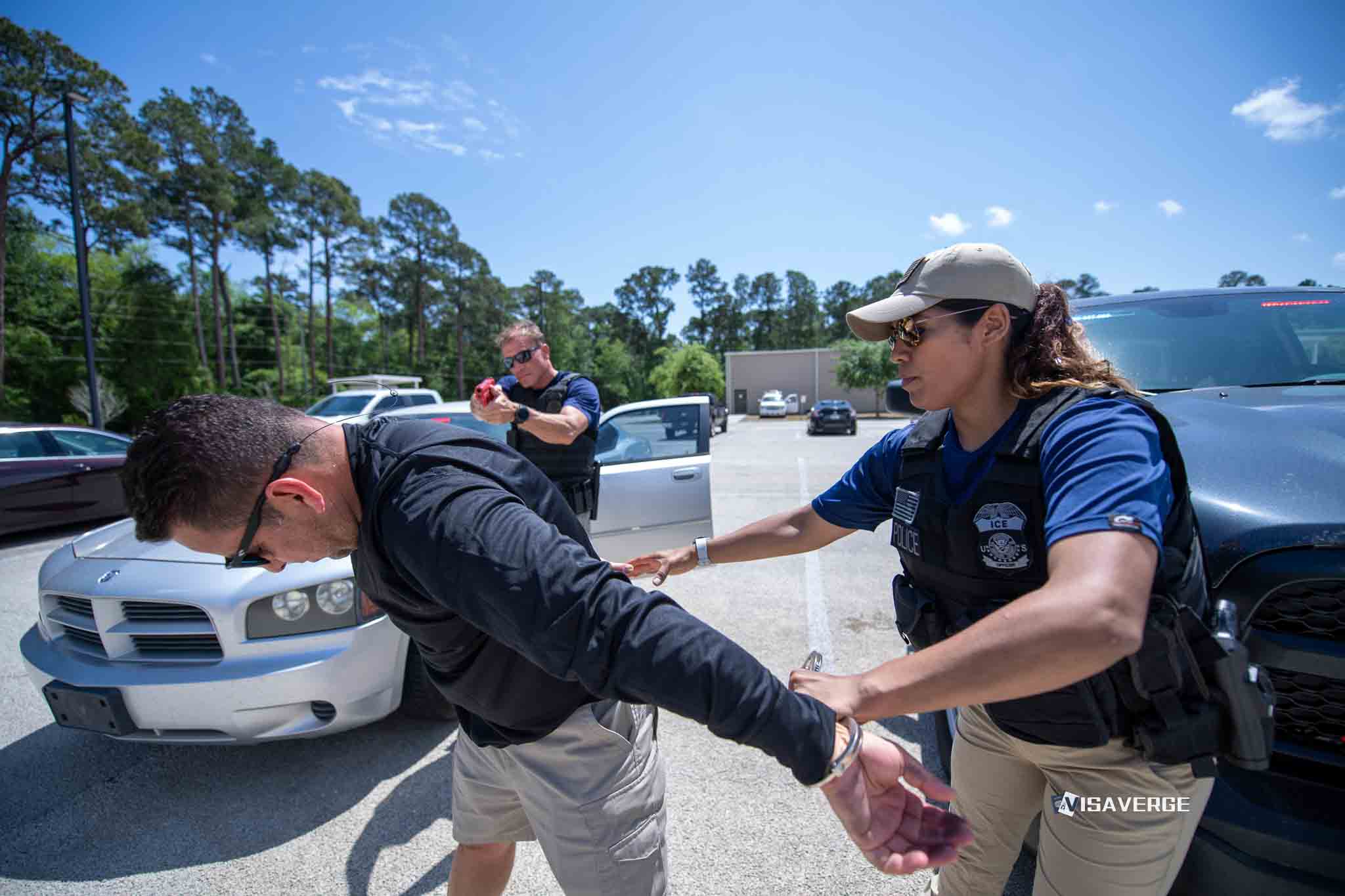
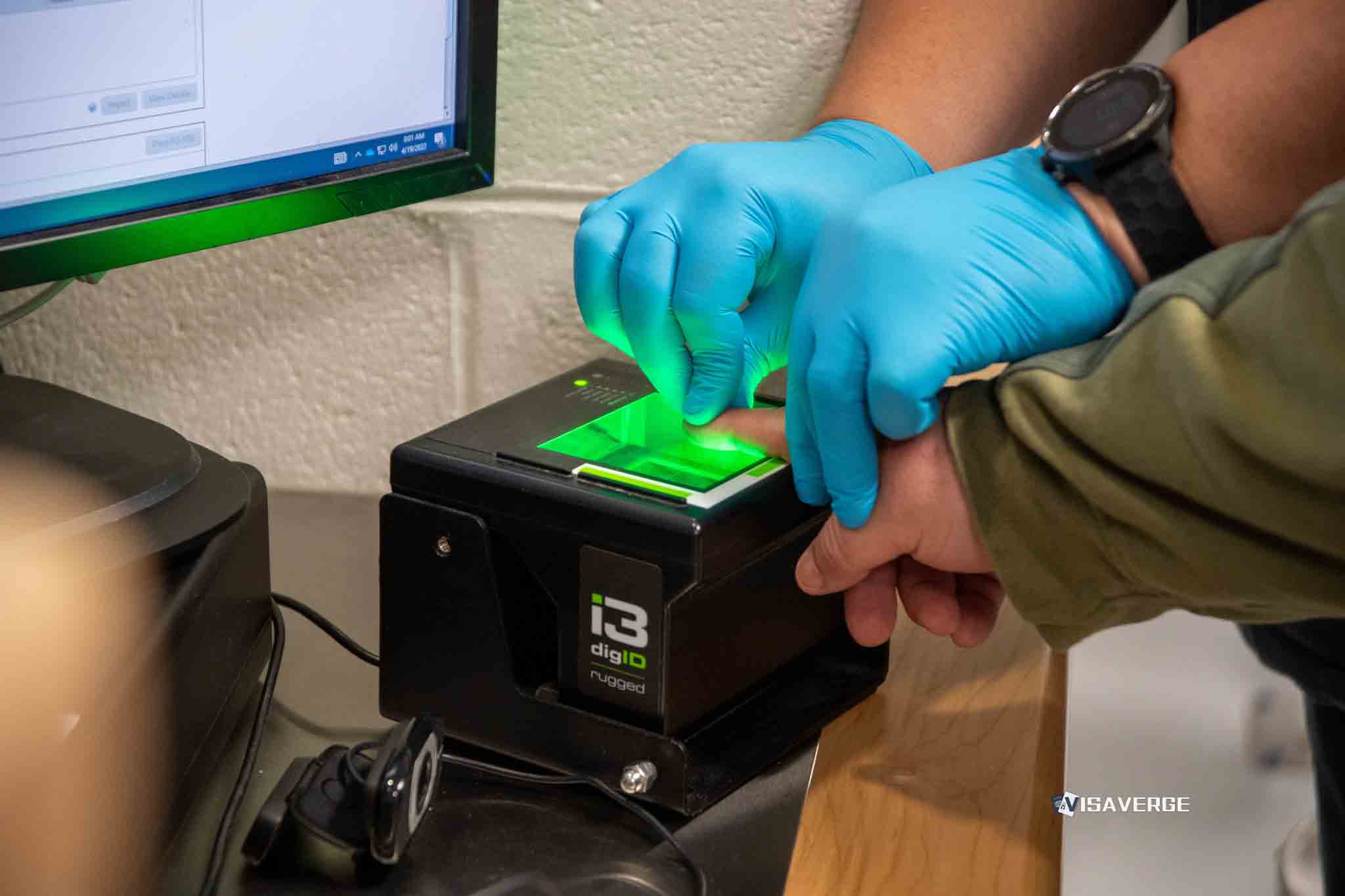
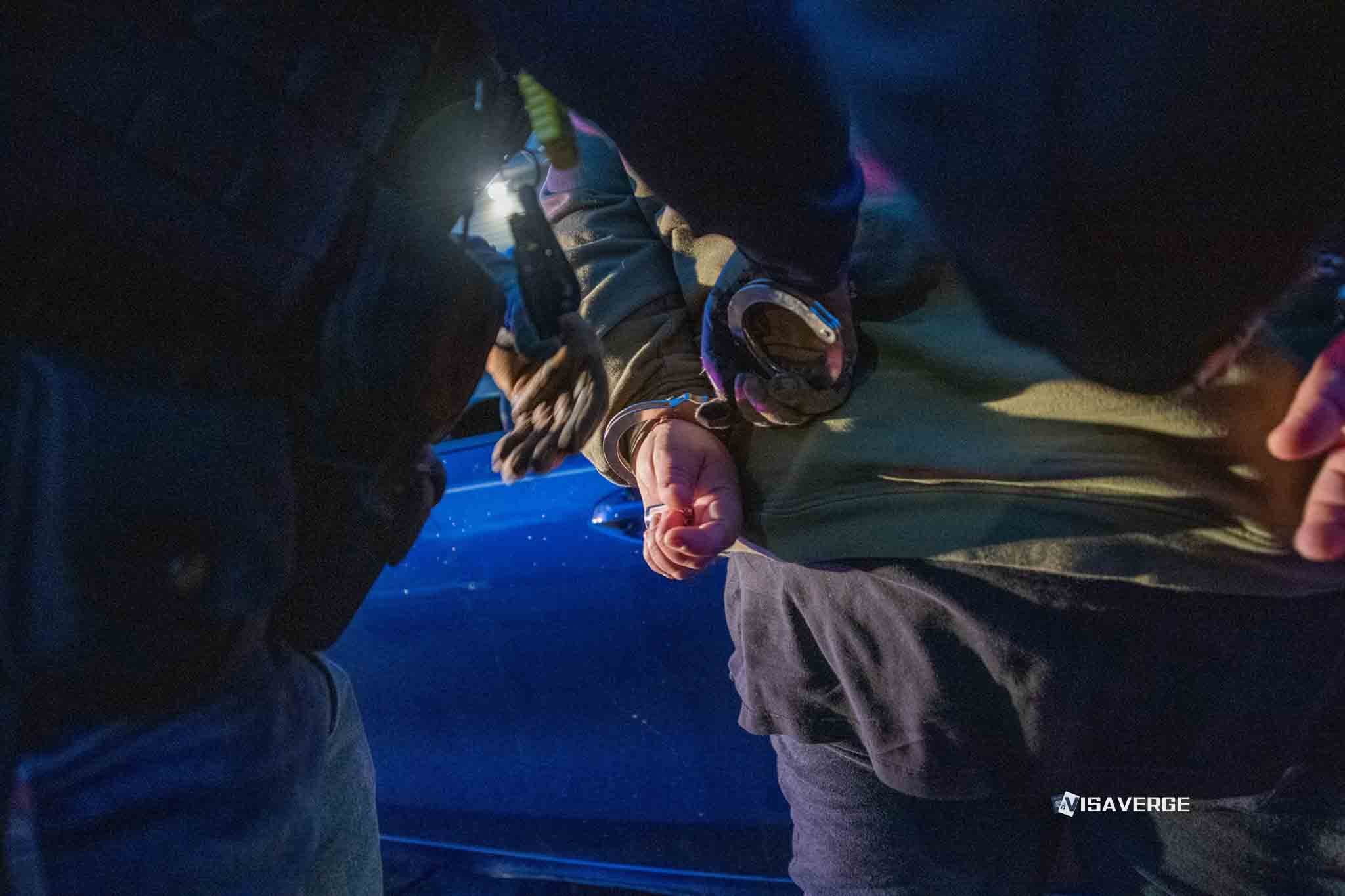
By the first week of October, officials reported hundreds of arrests tied to the operation—273 by October 5—and thousands of traffic citations. Advocacy groups say a large share involve immigration arrests, including detentions at courthouses and in public spaces by agents who sometimes lacked clear identification.
Free toolUSCIS Receipt Number DecoderLocal leaders argue the scale and methods of enforcement are destabilizing neighborhoods, chilling daily life and business in immigrant corridors across Memphis.
Escalation and enforcement actions
The Memphis Safe Task Force began operations on September 29. Federal agents have moved quickly across key corridors, with families reporting stops near workplaces, outside apartment complexes, and around schools.
Attorneys say ICE has detained people with no criminal records, and community hotlines have logged reports of agents questioning residents based on appearance, language, or accent. Legal residents and naturalized U.S. citizens, fearing wrongful detention, now carry passports, green cards, and other documents at all times.
Advocates describe the city’s new reality:
- Helicopters overhead and military vehicles in neighborhoods.
- Heavily armed officers at routine checkpoints.
- Stops and arrests that advocates say are focused on immigration status rather than violent crime.
That level of force has left many people afraid to leave home. Some parents have kept children from school. Small businesses that serve immigrant communities report steep drops in customers, especially in the evening, as families avoid public places.
Local and national organizations have:
- Condemned the surge and asked elected leaders not to assist federal immigration enforcement.
- Urged residents to know their rights and document encounters.
- Pointed to multi-agency confusion that can escalate fear during stops.
According to analysis by VisaVerge.com, large multi-agency operations often create uncertainty about who is in charge and which rules apply, which can intensify fear among those who already feel targeted.
The presence of the National Guard, as the task force expanded its footprint, has amplified that confusion and the perception of militarization.
Memphis Mayor Paul Young and other city officials have objected to the deployment, warning that aggressive tactics will:
- Push communities deeper into the shadows.
- Reduce cooperation with local law enforcement.
- Undermine trust in city services and public safety.
They highlight concrete impacts: parents skipping school pickups, workers avoiding clinics, and witnesses hesitating to report crime.
Community impact and legal concerns
Attorneys and community groups report detentions at or near courthouses—places people visit for traffic matters, child support, or to serve as witnesses. They warn that these encounters will discourage court participation and cooperation with judicial processes, undermining safety goals.
There are also reports of:
- Journalists facing pushback while covering developments.
- Restricted access to ICE facilities—even for members of Congress.
Advocates say this raises urgent questions about transparency and oversight.
Civil rights lawyers point to allegations of racial profiling—stops and questioning based on perceived ethnicity or language—as a red flag requiring scrutiny. They encourage anyone who believes their rights were violated to seek legal help and, if appropriate, file a civil rights complaint with the Department of Homeland Security’s Office for Civil Rights and Civil Liberties.
For more information on the DHS complaint process, visit the department’s official site at the Department of Homeland Security – Office for Civil Rights and Civil Liberties: https://www.dhs.gov/crcl
Federal officials frame the surge as a necessary crime strategy, saying the multi-agency approach helps pursue fugitives, seize weapons, and disrupt drug trafficking. But advocates and some local leaders say the numbers tell a different story: many traffic stops and immigration arrests, and fewer instances of major violent offenders being removed from the streets.
They argue that focusing enforcement on status:
- Divides families.
- Weakens neighborhood cohesion.
- Fails to address root causes of violence.
As the task force continues, attorneys report steady requests for emergency help:
- Parents detained on the way to work.
- Workers picked up at job sites.
- Families scrambling to arrange child care.
Even longtime legal residents now carry proof of citizenship or residency for short errands. This climate affects anyone who might be mistaken for someone subject to immigration arrest.
Responses from nonprofits and legal aid
Local nonprofits have mobilized quickly, offering:
- Legal clinics.
- Rapid-response hotlines.
- Know-your-rights briefings in Spanish, Arabic, and other languages.
Their guidance includes:
- Remain calm during encounters.
- Ask if you are free to leave.
- Request a lawyer before answering immigration questions.
- Do not open doors to unknown agents without a judicial warrant.
While these steps cannot prevent arrests, advocates say they can reduce chaos and help families make informed choices.
Media access, oversight, and transparency
Media access and oversight remain flashpoints. Reports of restricted entry to ICE facilities—even for lawmakers—have prompted calls for formal inquiries.
Without clear access:
- Independent verification of arrest numbers and locations is limited.
- Public trust erodes.
- City officials press federal partners to explain how targets are selected and how residents can distinguish between criminal and immigration enforcement.
For now, federal agencies maintain a strong presence, and the National Guard remains on patrol in parts of the city. Immigrant families say they are bracing for more detentions while hoping for clearer rules and stronger safeguards.
Lawyers expect court calendars to swell as street arrests move into the immigration system, potentially separating parents from children and delaying work and school for months.
Key questions and potential outcomes
Whether the Memphis Safe Task Force fulfills its public safety promise may hinge on answers to basic questions:
- Who is being arrested?
- Under what authority are arrests made?
- What community input was involved in targeting decisions?
Until those questions are answered with full transparency, the gulf between stated goals and lived reality in Memphis is likely to grow. The fear felt by immigrant residents may deepen alongside it in the United States ??.
This Article in a Nutshell
The Memphis Safe Task Force, announced Sept. 15, 2025, and active from Sept. 29, deployed the National Guard and federal agencies including ICE, FBI, DEA and U.S. Marshals. While officials frame the operation as a violent-crime initiative, advocates report rapid emphasis on immigration enforcement: by Oct. 5 there were 273 arrests and thousands of citations. Residents describe militarized patrols, checkpoint stops, and detentions near workplaces and courthouses, creating fear that keeps families home and reduces business traffic. Local leaders and nonprofits have organized legal clinics, hotlines, and know-your-rights sessions while demanding transparency, oversight and a clearer delineation between criminal and immigration enforcement. Civil rights lawyers warn of racial profiling and urge complaints to DHS’s Office for Civil Rights and Civil Liberties. The long-term outcome depends on answers about who is targeted, under what authority, and how community input shapes operations.