Key Takeaways
- ICE arrested over 20,000 undocumented individuals in February 2025, a 627% monthly increase compared to the Biden administration’s annual average.
- By mid-February 2025, ICE detention facilities held 41,169 individuals, nearing their maximum capacity of 41,500 detainees.
- ICE faces a backlog of 700,000 unprocessed arrest warrants, risking further delays in court resolutions and straining detention resources.
The assertion by a national group that there are approximately 700,000 ICE arrest warrants pending across the United States has sparked discussions about the scope and implications of immigration enforcement. This detailed claim sheds light on the broader landscape of current immigration policies, with significant attention being placed on the increase in arrests, the use of detention facilities, and the overall management of immigrant populations by law enforcement agencies.
ICE Arrest Trends and Statistics
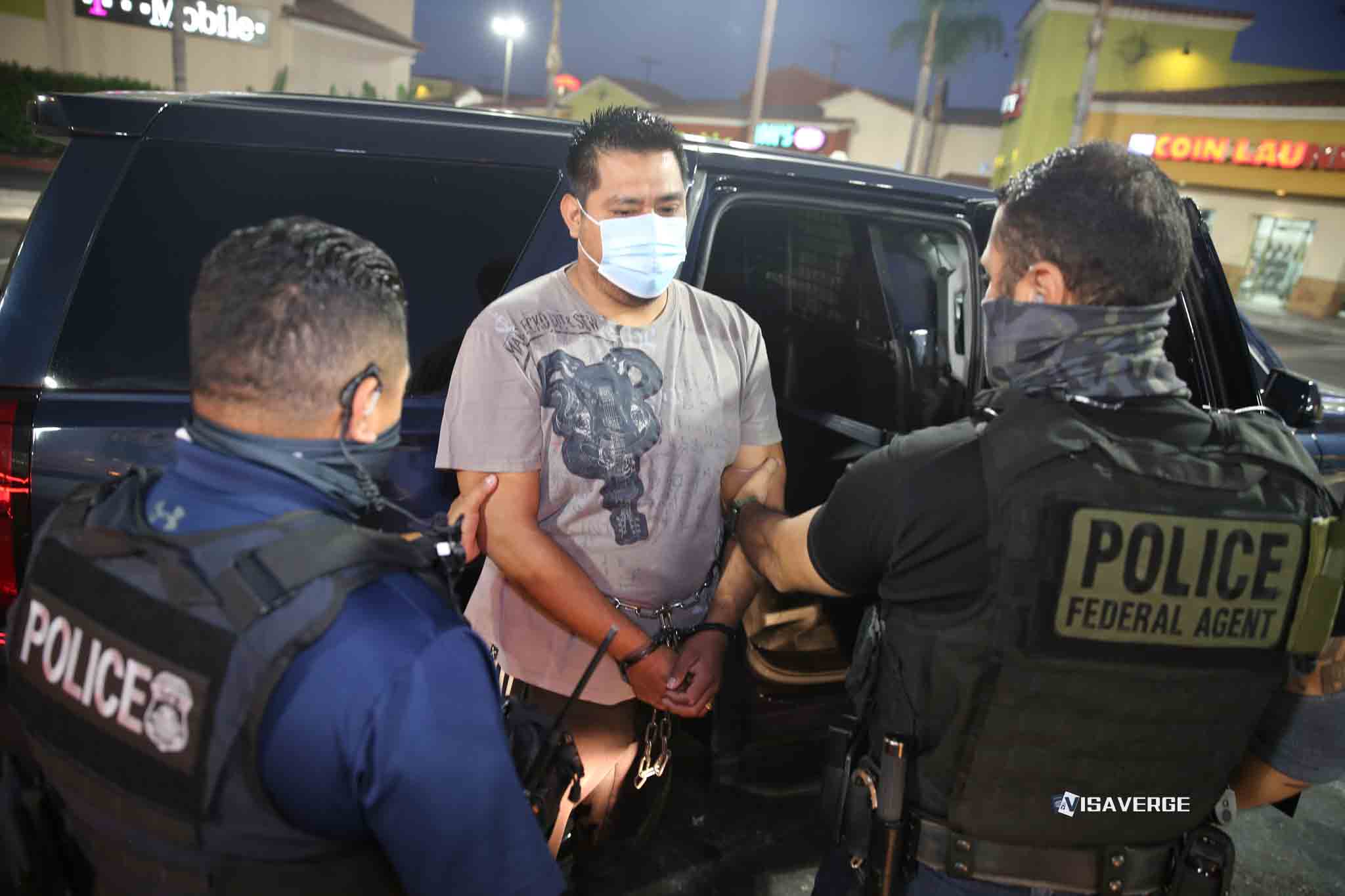
Immigration enforcement strategies in the United States have shifted significantly over the last few years, reflecting the varying priorities of different administrations. Under the leadership of DHS Secretary Kristi Noem, Immigration and Customs Enforcement (ICE) has produced results that stand out due to the scale of arrests and detentions. For instance, in February 2025, Secretary Noem disclosed that ICE arrested more than 20,000 undocumented individuals in just a single month. This represented a remarkable 627% increase over the monthly average reported during the Biden administration, which recorded only 33,000 arrests in total for at-large individuals in an entire year.
This massive leap showcases a sharp turn toward escalated enforcement policies. However, it also raises questions about the sustainability of such policies and the resources required to maintain this momentum.
Demographics of ICE Arrests
A closer look at recent data offers a clearer picture of the types of arrests made. Between February 1, 2025, and February 14, 2025, ICE detained over 4,422 undocumented individuals, 41% of whom had no criminal history. This figure translates to over 1,800 people without criminal records being arrested during just a two-week span. This statistic has sparked debates over whether enforcement efforts are staying true to President Trump’s “worst first” policy, which aimed to prioritize undocumented immigrants with serious criminal histories above others.
Enforcement data shows a notable distinction in the proportion of individuals apprehended for criminal offenses. According to Customs and Border Protection records for the fiscal year 2025, arrests included 3,864 individuals with prior criminal convictions. The key offenses committed by this group include illegal re-entry (2,316 arrests), sexual crimes (850 arrests), DUI offenses (686 arrests), drug-related crimes (409 arrests), and violent crimes, including domestic violence (295 arrests). These figures present a complicated narrative, as non-violent or immigration-related crimes represent significant portions of the arrest total.
Detention Facility Challenges
The increase in active enforcement has placed considerable pressure on ICE’s infrastructure. By mid-February 2025, ICE’s detention facilities held 41,169 individuals, pushing the system close to its operational maximum of 41,500 detainees. To address these capacity issues, policymakers have begun exploring detention expansion options, including the controversial use of Guantanamo Bay. Reports indicate that Guantanamo Bay has been proposed as a potential housing solution for up to 30,000 detainees. Logistical hurdles remain, as only 112 detainees were transferred to the facility by late February 2025.
The use of Guantanamo Bay raises questions not only about logistical feasibility but also about the potential legal and humanitarian consequences of such measures. These issues underscore the challenges of addressing growing detention needs while upholding moral and legal considerations.
Expanding ICE’s Alternatives to Detention Program
In tandem with its use of detention centers, ICE continues to expand its Alternatives to Detention (ATD) program. This program allows for monitoring individuals and families without physical detention. By February 9, 2025, 187,394 individuals were being tracked under ATD, with the largest proportions monitored in areas such as San Francisco and Chicago.
Yet, despite the program’s growth, discrepancies in data reporting have caused confusion and even public scrutiny. Disaggregated data tables have shown inconsistencies, complicating efforts to measure how effectively the program is functioning. These challenges further illustrate the complex decisions ICE faces in balancing enforcement intensity and judicial oversight.
Broader Implications of 700,000 ICE Arrest Warrants
The claim of 700,000 outstanding ICE arrest warrants illustrates the overwhelming task facing immigration authorities. If this figure is accurate, it points to a massive backlog in processing warrants, which poses significant operational challenges for an already strained system. Analysis from VisaVerge.com indicates that in addition to logistical concerns, a backlog of this nature could disproportionately affect the broader immigration court system by increasing the delays in case resolutions. These delays would impact thousands of immigrants awaiting adjudication.
Adding to these difficulties, it’s estimated that ICE conducts over 21,000 immigration-related arrests on a consistent basis. If the backlog grows further, the strain on detention centers, courts, and law enforcement budgets may intensify, calling for immediate policy interventions or alternative strategies to address the surplus in cases.
Policy Implications and Community Impact
The increase in arrests—coupled with the high number of warrants—has prompted numerous critiques from immigrant advocacy groups and policymakers. Specific issues relevant to these critiques include:
- Resource Allocation: Arresting a significant number of non-criminal immigrants raises questions about whether resources are being well spent targeting individuals who pose community safety risks.
-
Fear Among Immigrant Communities: Families and individuals in areas with heightened arrests may feel disconnected from local services and avoid engaging with community initiatives. This can lead to social isolation, reduced access to healthcare, and poor educational outcomes for immigrant children.
-
Legal Disputes: An intensified detention program increases the likelihood of legal challenges, leading to delayed court hearings and potential case backlogs.
-
Humanitarian Concerns: With detention centers nearing capacity, questions about the treatment of detainees’ living conditions remain significant. Advocacy groups often emphasize that overcrowded facilities can lead to violations of basic human rights.
-
Financial Cost: Expanding detention budgets to accommodate larger arrest counts remains controversial, especially regarding long-term sustainability. Decisions on allocating taxpayer money toward expanding detention measures could determine the future trajectory of immigration policy more broadly.
Looking Ahead: Can Enforcement Goals Be Balanced?
The dramatic increase in ICE enforcement under President Trump’s leadership is emblematic of the administration’s focus on establishing a stringent immigration stance. DHS Secretary Kristi Noem’s management of these policies plays an integral role in implementing the administration’s broader directives. However, challenges—including defining enforcement priorities, managing emergency capacity needs, and addressing humanitarian concerns—remain unresolved.
Moreover, expanding detention options, such as utilizing Guantanamo Bay, carries both symbolic and practical risks. The human rights implications of transferring detainees to such a historically controversial location would likely face intense scrutiny both domestically and globally. Issues like these highlight the difficulties ICE faces in balancing legal mandates, ethical considerations, and operational efficiency.
Future Considerations
Several factors may influence the direction of immigration enforcement policies moving forward:
- Public Opinion: As the public becomes more aware of policy consequences, such as mass detentions, shifts in perception may exert pressure on elected officials to adjust immigration frameworks.
-
Federal Oversight: Congress may increase oversight of ICE funds and operations, particularly in areas where questionable practices emerge.
-
Diplomatic Relations: Exporting detainees to their home countries, especially countries unwilling to cooperate, could lead to difficult negotiations.
-
Judicial Oversight: Ongoing litigation could modify enforcement mechanisms, balancing stricter policies with judicial precedents.
In conclusion, the complex web of escalating arrest numbers, detention overcrowding, expanded programs like ATD, and claims of extensive backlogs emphasizes how immigration enforcement remains a divisive issue in the U.S. With so much at stake—including economic, social, and legal consequences—finding balanced strategies will remain essential to future policy discussions. For up-to-date information about ICE procedures and resources, visit the official U.S. Immigration and Customs Enforcement website.
Learn Today
ICE (Immigration and Customs Enforcement) → A U.S. federal agency responsible for enforcing immigration laws, including detaining and deporting undocumented individuals.
Detention Facilities → Centers where individuals, often undocumented immigrants, are held in custody by authorities pending legal or immigration proceedings.
Alternatives to Detention (ATD) → Programs that monitor immigrants without requiring physical detention, often using technology or check-ins for compliance.
Backlog → A buildup of pending tasks or cases, such as unresolved legal or immigration matters, causing operational delays.
Guantanamo Bay (as referenced) → A U.S. detention facility proposed for housing immigration detainees, raising ethical and logistical concerns due to its controversial history.
This Article in a Nutshell
Pending 700,000 ICE arrest warrants highlight escalating immigration challenges. With skyrocketing arrests, overcrowded detention centers, and growing Alternatives to Detention programs, policies face scrutiny. Critics question resource allocation, ethical practices, and humanitarian impacts. Balancing enforcement and compassion remains crucial, as the U.S. navigates operational strain, legal complexities, and community tensions in immigration policy.
— By VisaVerge.com
Read more:
• ICE Arrests 16 Migrants Fleeing Mississippi Business During Workplace Raid
• ICE Raid at Chavos Tires in Chester County Ends in Three Arrests
• Colony Ridge in Fear After ICE Raid Leads to Over 100 Arrests
• Trump Administration Fights DPS Lawsuit Over Immigration Arrests at Schools
• Judge Theodore D. Chuang Blocks Immigration Arrests at Some Places of Worship