- ICE agents are tripling arrest rates by targeting undocumented immigrants during scheduled court hearings in 2026.
- The administration has expanded travel restrictions to 39 countries while suspending immigrant visas for 75 nations.
- Legal challenges mount as courts weigh whether courthouse arrests violate due process and constitutional protections.
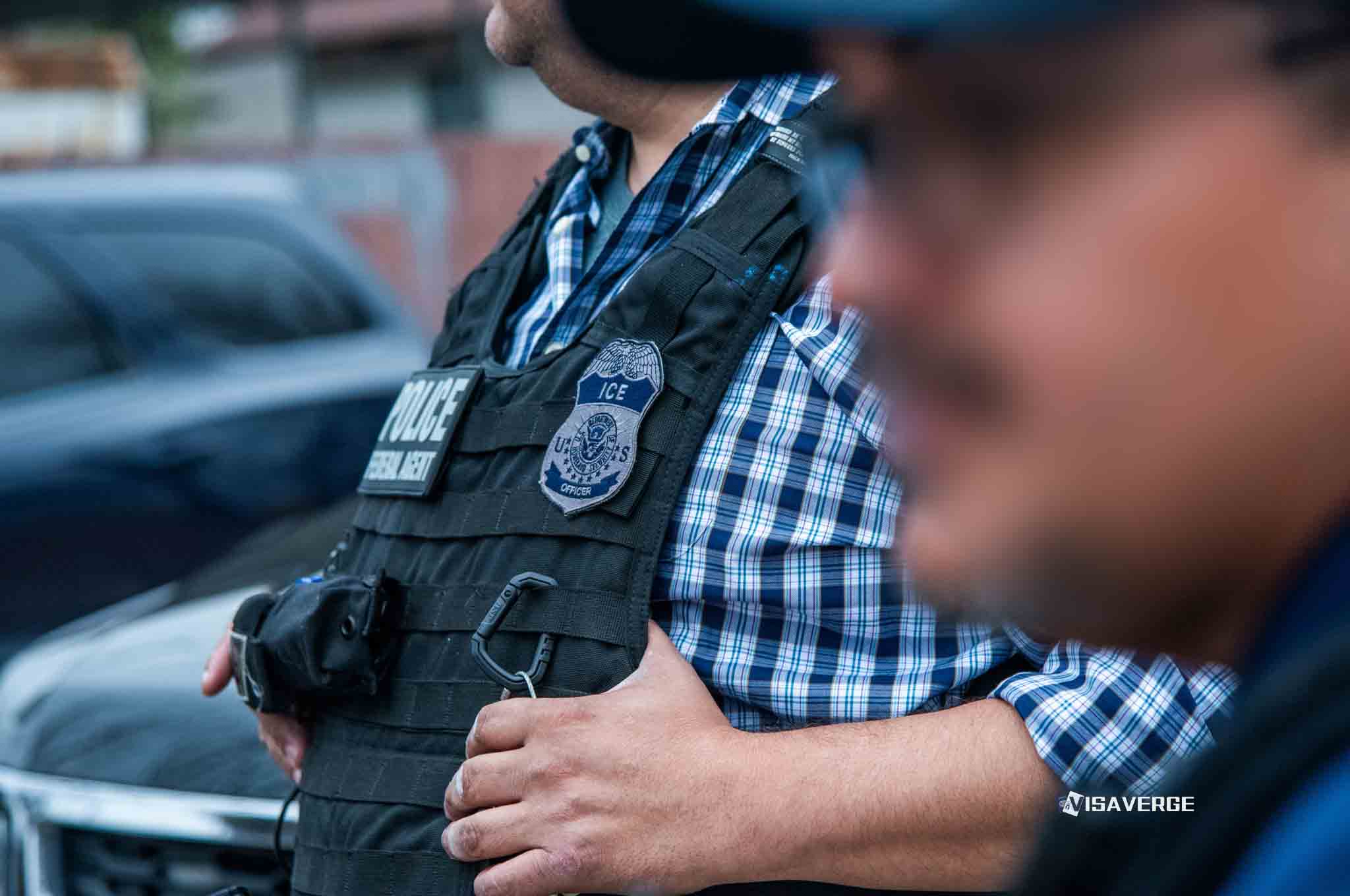
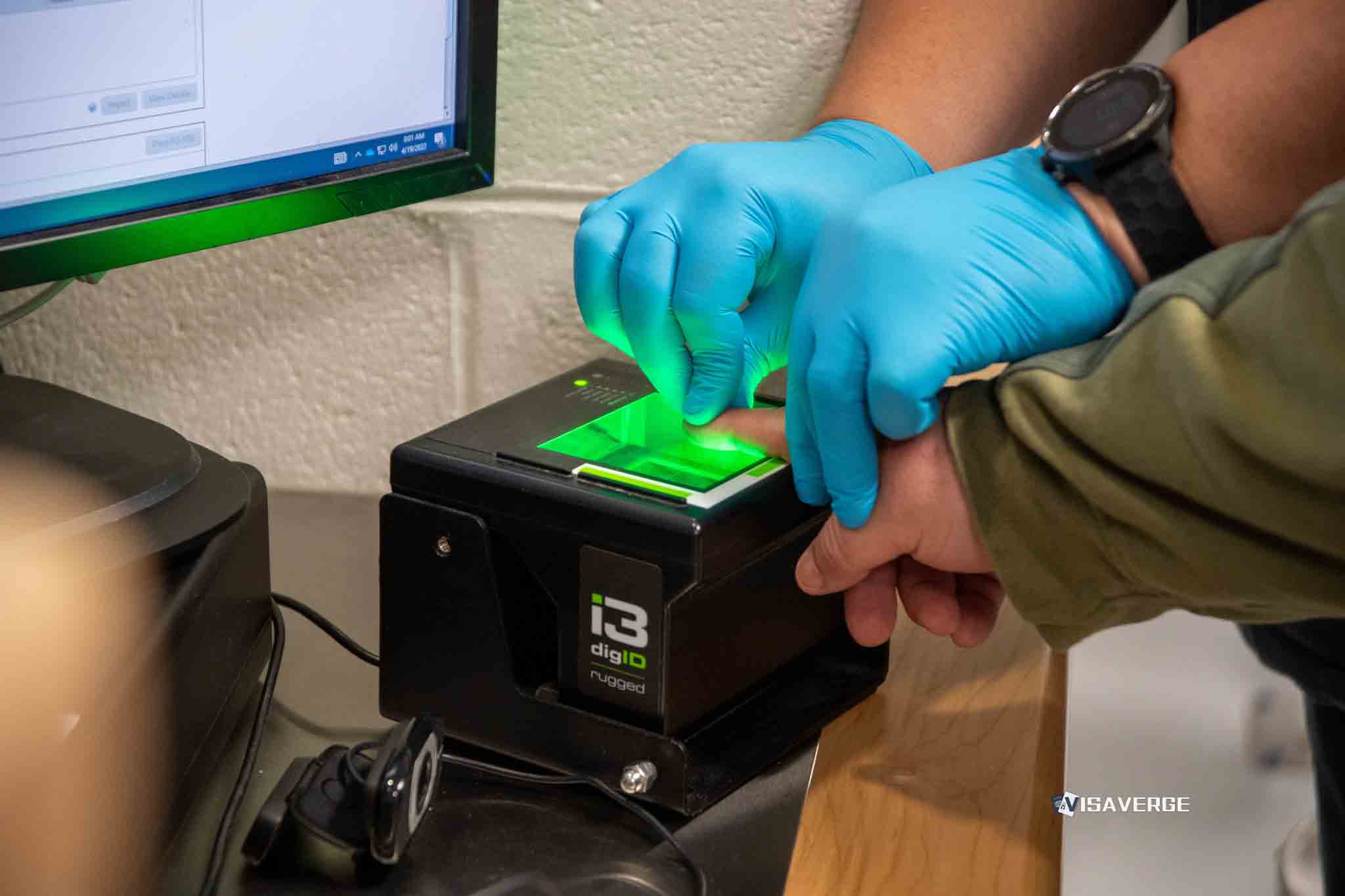
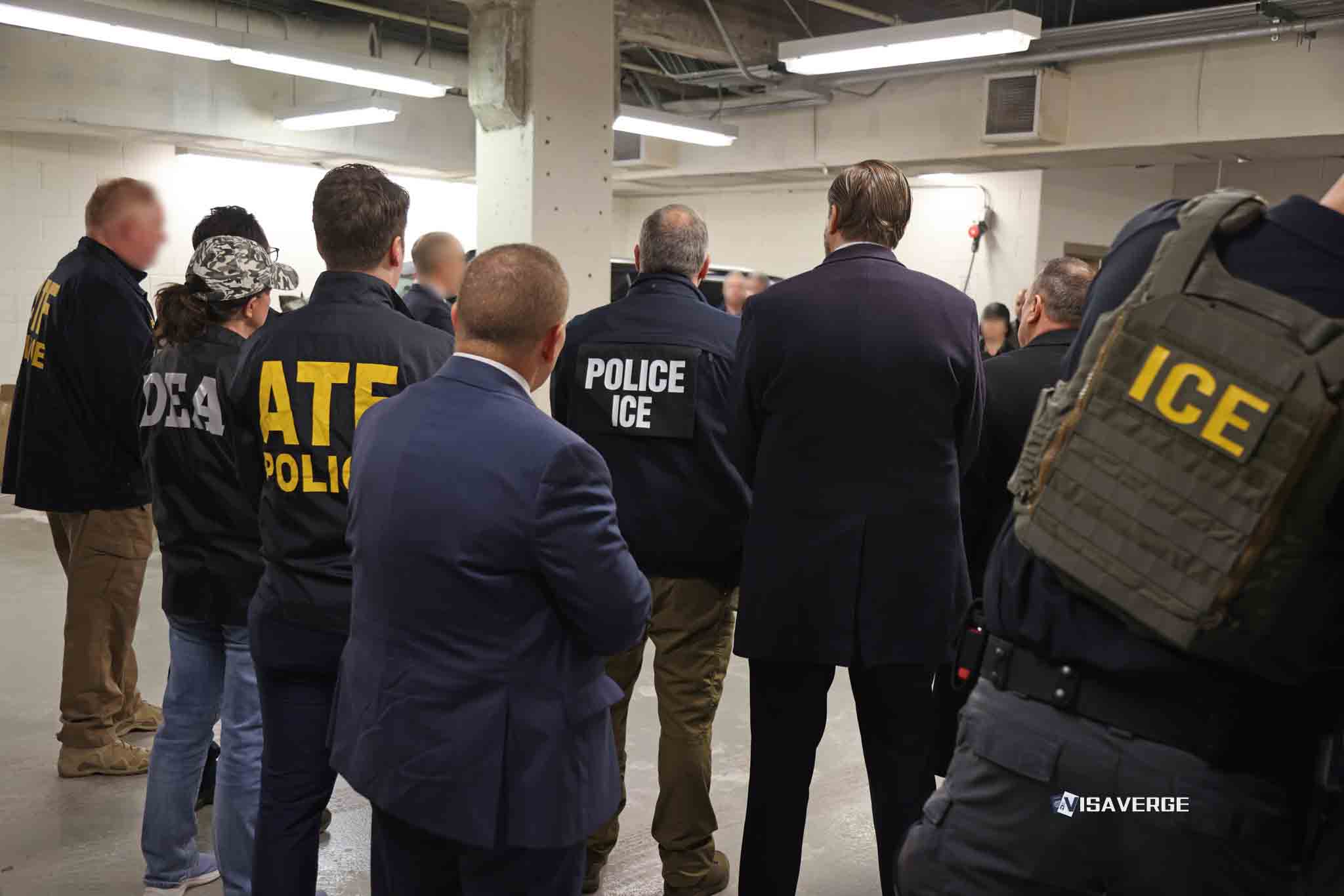
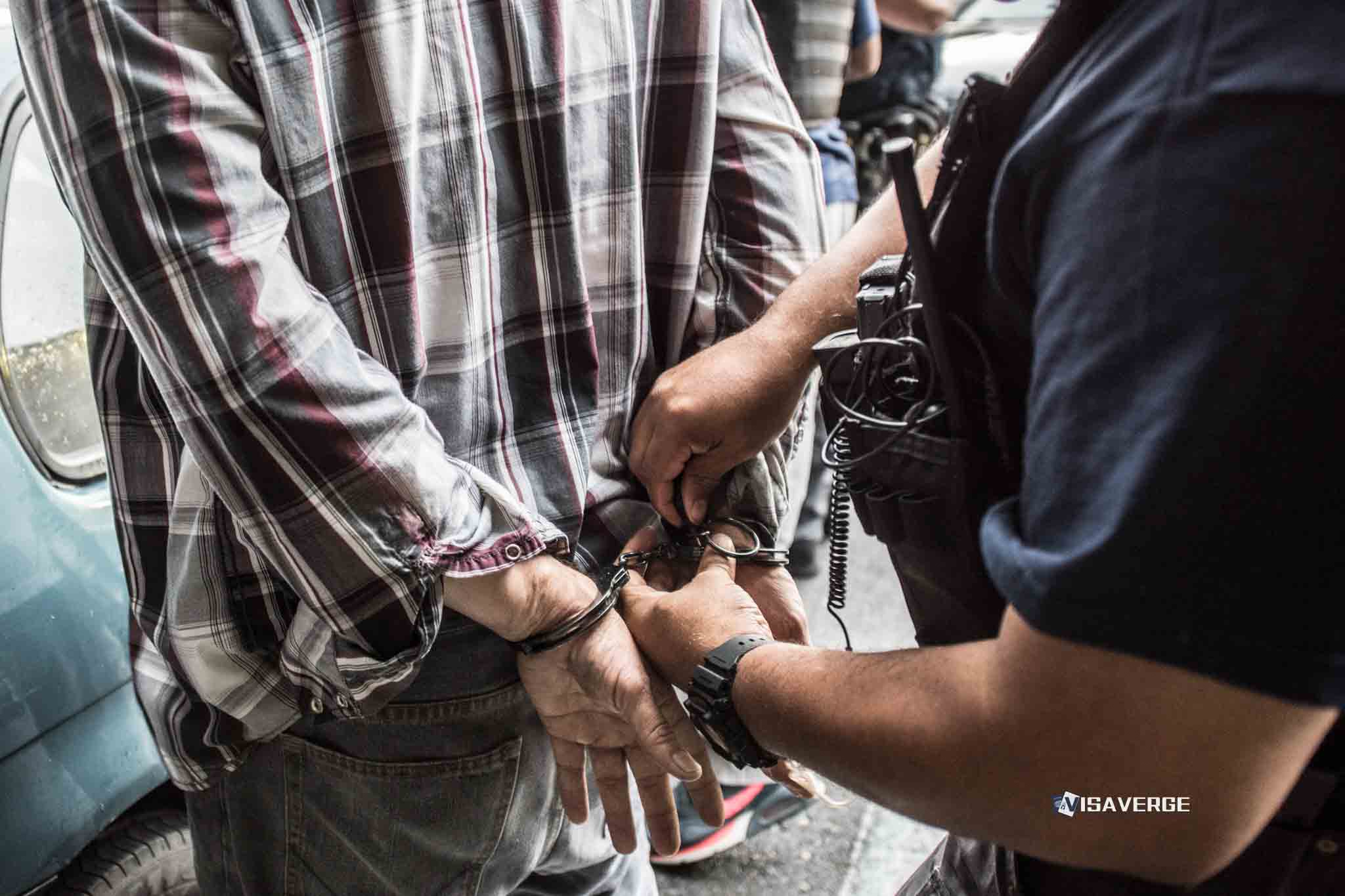
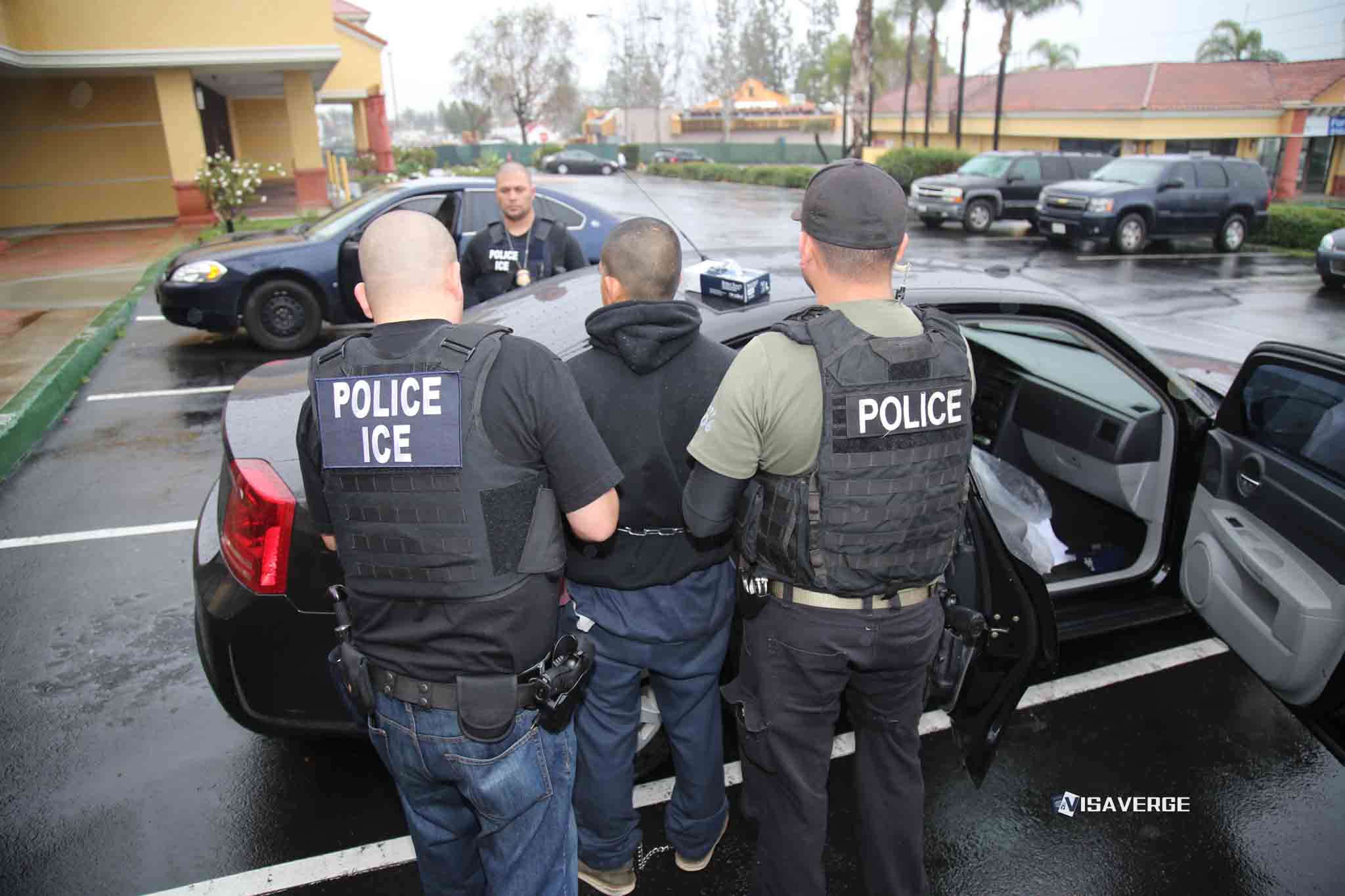
(UNITED STATES) — ICE agents continue to arrest immigrants at scheduled court hearings in 2026, as federal courts weigh whether courthouse arrests violate constitutional protections and damage the judicial system.

Immigration attorneys report a sharp rise in the practice since January 2026 under President Trump’s second term, with arrests occurring at or around hearings and leaving migrants and their lawyers little time to prepare for detention or expedited removal proceedings.
The tactic has drawn alarm because it targets people who are appearing for proceedings as required. Lawyers and advocates say that has spread fear beyond individual cases and discouraged immigrants from taking part in the legal process.
Free toolUSCIS Receipt Number DecoderICE is now conducting approximately 1,000 arrests daily, more than triple the average during the final year of the Biden administration. That increase followed policy changes in late 2025 that removed restrictions on targeting and let agents pursue virtually all undocumented people regardless of criminal history or threat level.
Under Former President Biden, ICE prioritized people who posed security risks or had serious criminal backgrounds. The current administration eliminated those categorical limits, widening enforcement to include people with no criminal records who may have lived and worked in the United States for years.
Pressure has spread through the detention system as well. As of February 2025, ICE detention facilities were operating at 109% of their intended capacity, forcing the agency to release detainees in batches, including 160 individuals released in a single day in February 2025, while also accelerating arrests.
ICE plans to create 18 new detention facilities, including 14 smaller facilities each capable of housing 1,000 detainees and four large detention centers capable of housing 10,000 individuals each. The Department of Defense has also authorized ICE to detain migrants at Space Force facilities in Colorado, and Guantanamo Bay has received its first group of detainees designated for immigration purposes.
Recent cases have sharpened the legal fight over how arrests are carried out. In Louisiana, the ACLU documented a case in which a person in ICE’s intensive supervision program received a text directing them to attend a meeting said to be about reducing monitoring, then was arrested on arrival.
Nora Ahmed, legal director for the ACLU of Louisiana, has warned that deceptive tactics raise serious constitutional questions about the lawfulness of enforcement actions. Lawsuits challenging warrantless searches and forced entries by ICE have also been filed in federal courts, and some cases have led judges to order the administration to restore legal status for thousands of immigrants.
ICE policy updated in February 2025 calls for discretion in actions near courthouses. Yet current arrest patterns suggest uneven application of that guidance or a shift away from it, and that gap has become a central issue in legal challenges.
The legal authority for courthouse arrests comes from ICE’s broader enforcement powers under immigration law. Immigration attorneys argue that authority must still be balanced against due process and other constitutional protections.
The Supreme Court has shown skepticism toward some Trump administration immigration policies while also giving the administration wide latitude in enforcement matters. As of April 2026, the court appears skeptical of Trump’s push to restrict citizenship at birth, a sign that executive immigration actions may still face constitutional limits.
Risk is highest for immigrants without legal status, though exposure varies. People who entered without inspection or overstayed visas, have prior immigration violations or deportation orders, come from countries subject to travel restrictions, lack legal representation, or have been flagged in ICE databases face heightened vulnerability.
The administration expanded travel restrictions to 39 countries as of January 1, 2026, including Afghanistan, Myanmar, Chad, Republic of Congo, Equatorial Guinea, Eritrea, Haiti, Iran, Libya, Somalia, Sudan, Yemen, Burkina Faso, Mali, Niger, South Sudan, Syria, and others, as well as citizens with Palestinian Authority travel documents. Countries with partial restrictions include Burundi, Cuba, Laos, Sierra Leone, Togo, Turkmenistan, and Venezuela.
The Department of State also suspended immigrant visa processing for 75 countries as of January 2026, arguing the measure aims to ensure individuals from “high-risk countries do not utilize welfare in the United States.” That move has been challenged in federal court in the Southern District of New York and, by some estimates, blocks about half of all legal immigration to the U.S.
Despite the pressure on the system, immigrants attending hearings still retain constitutional protections. All persons within the United States, regardless of citizenship status, are protected by the Constitution, including the Fourth Amendment’s protection against unreasonable searches and seizures.
People in immigration proceedings may be represented by an attorney at their own expense, use an interpreter if needed, present documents and witnesses, cross-examine government witnesses, appeal an unfavorable ruling to the Board of Immigration Appeals, and invoke protection against self-incrimination in criminal matters. They are also entitled to due process, including fair procedures and adequate notice of charges.
Those rights can be tested when ICE agents arrest people before or after a hearing, preventing them from fully exercising legal protections. Legal experts warn that courthouse arrests may also increase in absentia decisions, in which judges rule after someone fails to appear.
Broader immigration policy has shifted sharply since January 2026. The Department of Homeland Security announced a regulatory change for foreign-born religious workers that expands access to work authorization, but that step has been outweighed by wider restrictions.
More than 100,000 student and worker visas were revoked in 2025. Temporary Protected Status and humanitarian parole were also canceled or revoked for over 1.5 million people.
The administration has imposed tighter screening in other areas. Enhanced vetting procedures now apply to H-1B and other visa categories, including expanded social media and “online presence” screening, and the Department of Homeland Security created a new USCIS Vetting Center in December 2025 to “centralize enhanced vetting” of applicants, screening for terrorists, criminal aliens, and other foreign nationals deemed to pose threats.
Employment-based immigration has also changed. The Department of Labor has proposed a sweeping overhaul of prevailing wage requirements for H-1B and other foreign worker programs, with entry-level salaries increasing by approximately 33%, and the proposal is open for public comment for 60 days.
The administration also implemented a $100,000 fee for new H-1B petitions for workers located outside the U.S. and replaced the random lottery with a system favoring positions with higher wages. USCIS will also conduct a comprehensive rereview of green cards issued to individuals from restricted countries.
Family-based immigration has moved in opposite directions. The April 2026 visa bulletin shows forward movement across multiple employment-based categories, with EB2 becoming current and EB3 advancing, and green card holders can now file for spouses inside the United States rather than requiring them to return abroad for visa processing.
Numerical limits still constrain the system. The fiscal year 2026 limit for family-sponsored preference immigrants is 226,000, while the worldwide level for employment-based preference immigrants is at least 140,000.
Asylum processing has slowed as well. U.S. Citizenship and Immigration Services announced a temporary pause in asylum application processing in late 2025 while it reviews internal regulations and procedures, producing delays in interviews, decisions, and adjudications.
At the border, the administration has pushed new rules affecting asylum claims, including expedited removal procedures and changes to credible fear interviews. Government data show encounters at U.S. borders declined to about 35,000 in January 2026, a 79% decline year over year.
Enforcement decisions tied to travel restrictions go beyond passport nationality. Officials also consider country of birth, dual nationality, prior long-term residence abroad, and recent travel history, producing longer processing times and more scrutiny at consular posts and ports of entry.
The court system faces strain from outside immigration policy as well. The DHS shutdown, the longest in history at 45 days as of early April 2026, has disrupted enforcement and processing capabilities after leaving some DHS workers unpaid for weeks during a standoff over immigration enforcement limits.
The administration has also pursued third-country deportation agreements. Costa Rica agreed to receive up to 25 deported migrants per week from the United States, part of a broader effort to send people to countries other than their nations of origin.
Congress is working to end the DHS funding standoff through a two-step plan that would first pass a short-term bill and then longer-term funding for immigration enforcement and border security. President Trump has called for a deal by June 1, 2026.
Another executive action is poised for court challenges. Trump signed an order tightening citizenship verification in federal elections, directing agencies to create a national database of U.S. citizens and adding new rules for mail-in ballots, a move that experts say could create confusion, especially for naturalized citizens more likely to encounter errors in federal records.
For immigrants and their lawyers, the practical reality of courthouse arrests has changed how hearings are approached. Attorneys urge clients to understand the charges they face, gather supporting documents, alert trusted relatives to hearing dates and locations, and be ready to ask for a lawyer before answering questions if ICE agents make an arrest.
They also advise people not to sign documents without attorney review and to ask where they are being taken and why. Those steps do not eliminate risk, but they reflect a legal system in which showing up to court can now carry immediate detention consequences.
Federal judges have begun to push back when they find ICE crossed constitutional lines, ordering the administration in some cases to restore legal status for thousands of immigrants. Even so, the legal battle over courthouse arrests remains unsettled, leaving immigrants to enter courtrooms where compliance with the law can still place them directly in the path of ICE agents.