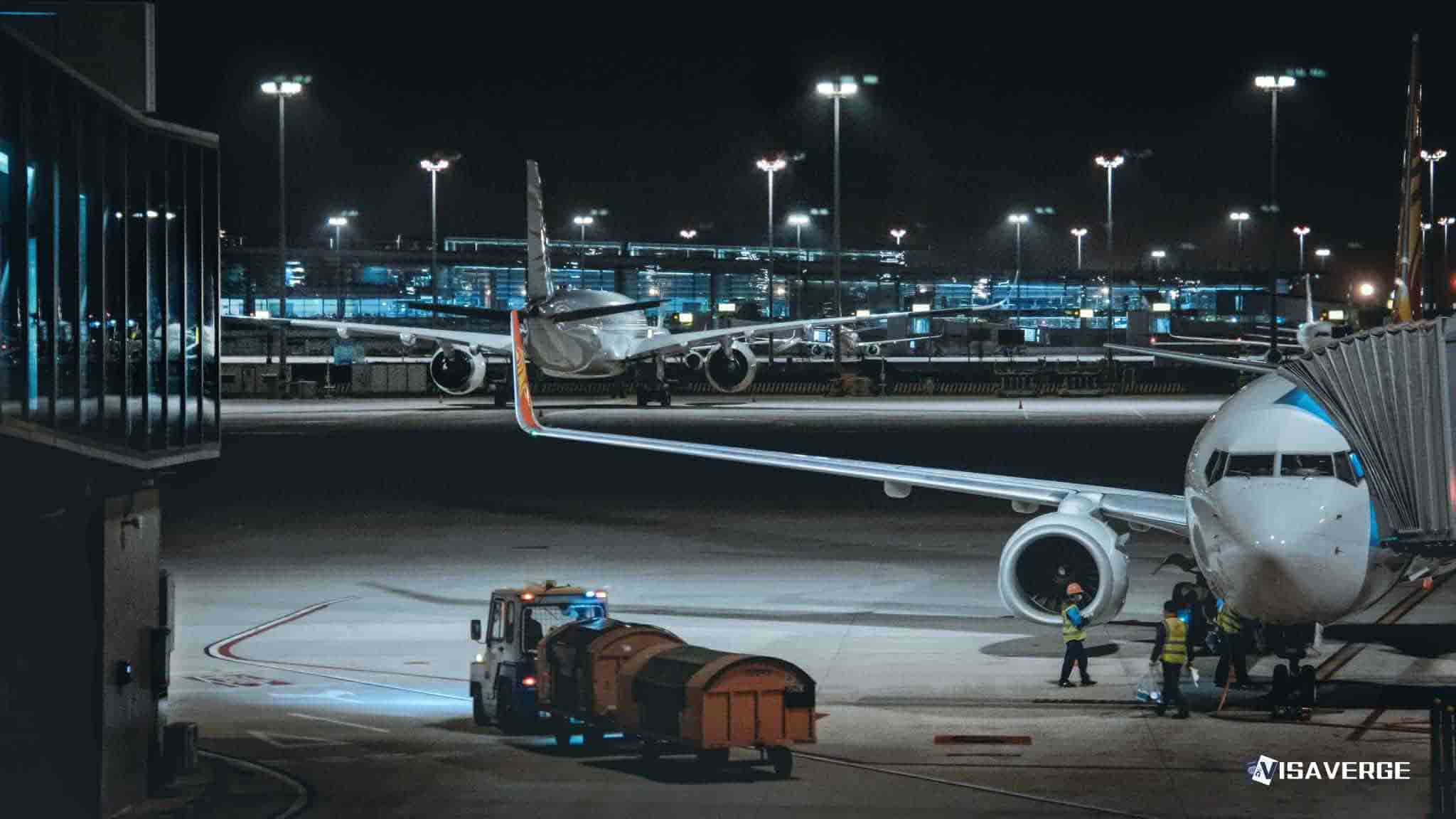
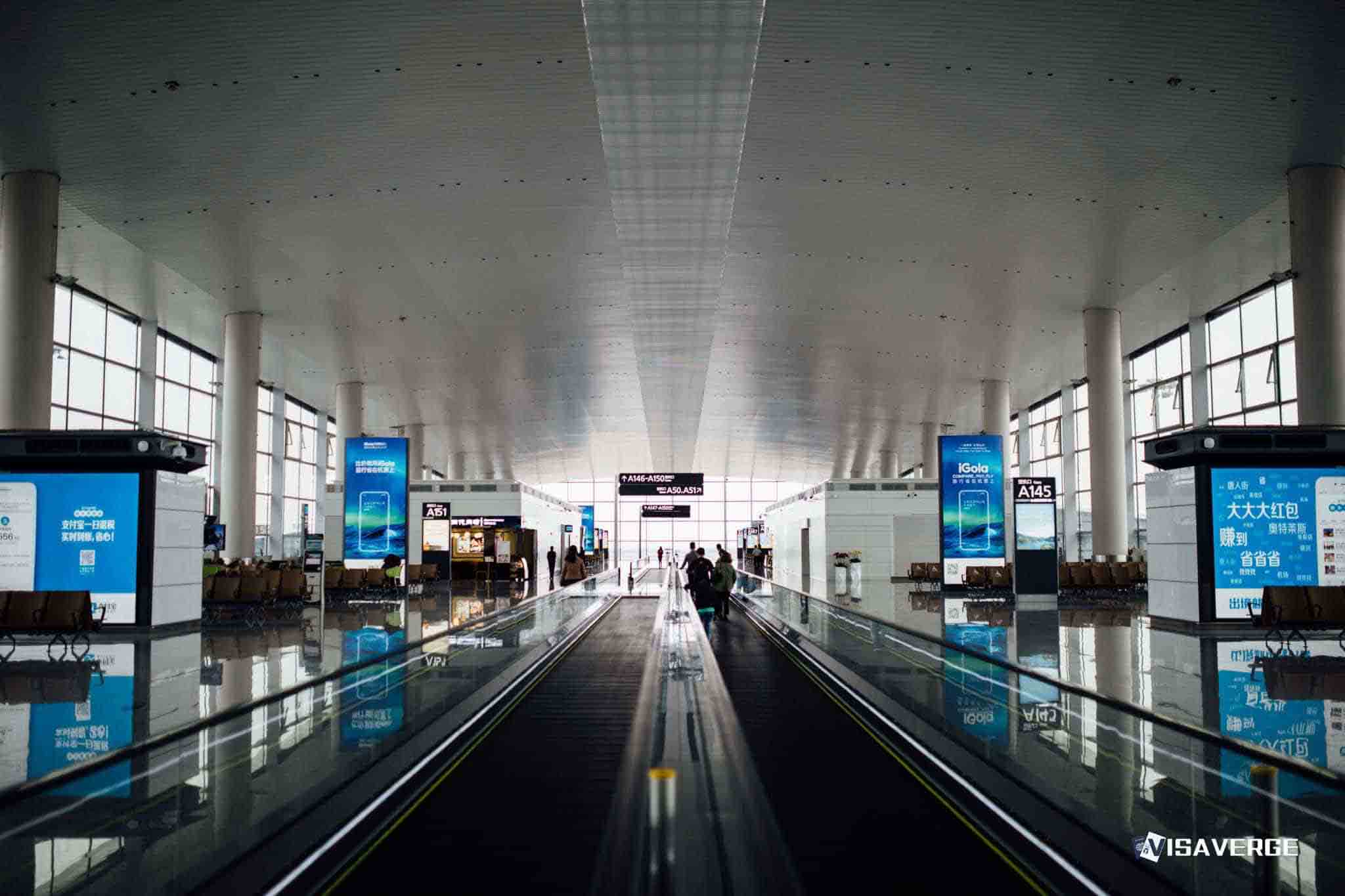
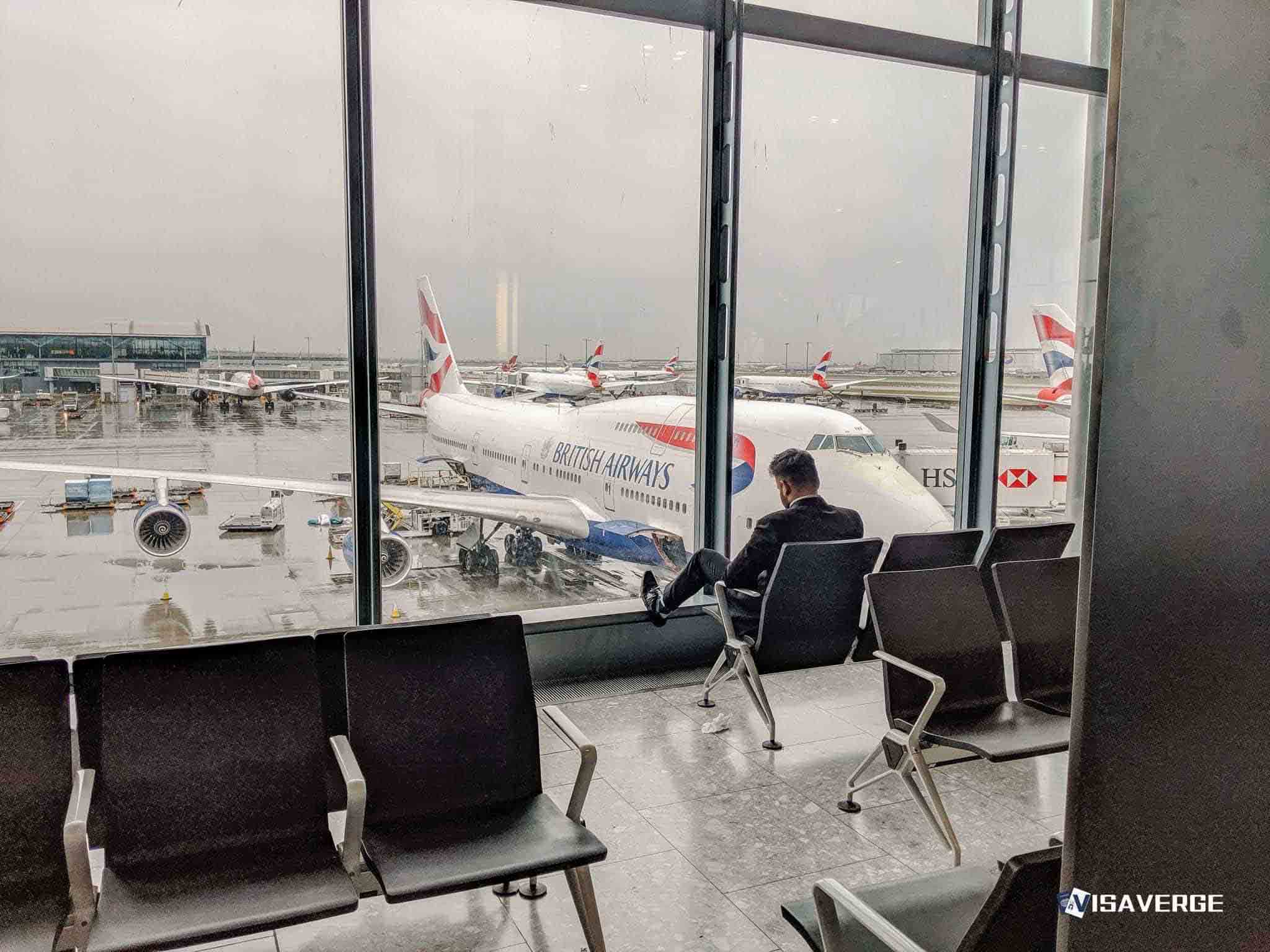
- A severe storm delayed over 500 flights at Indira Gandhi International Airport following 98 km/h wind gusts.
- Aviation operations faced 15 diversions and six go-arounds as unstable conditions forced pilots to abort landings.
- The sudden weather shift dropped temperatures by 10°C, caused by moisture from an active western disturbance.
(DELHI, INDIA) — More than 500 flights were delayed at Delhi airport on Thursday after a sudden storm brought 98 km/h winds, rain and hail, disrupting arrivals and departures across the evening bank.
The worst hit point was Palam, where the wind gust reached 98 km/h. 15 flights were diverted, and 6 aircraft carried out go-arounds before landing safely elsewhere or rejoining the approach pattern.
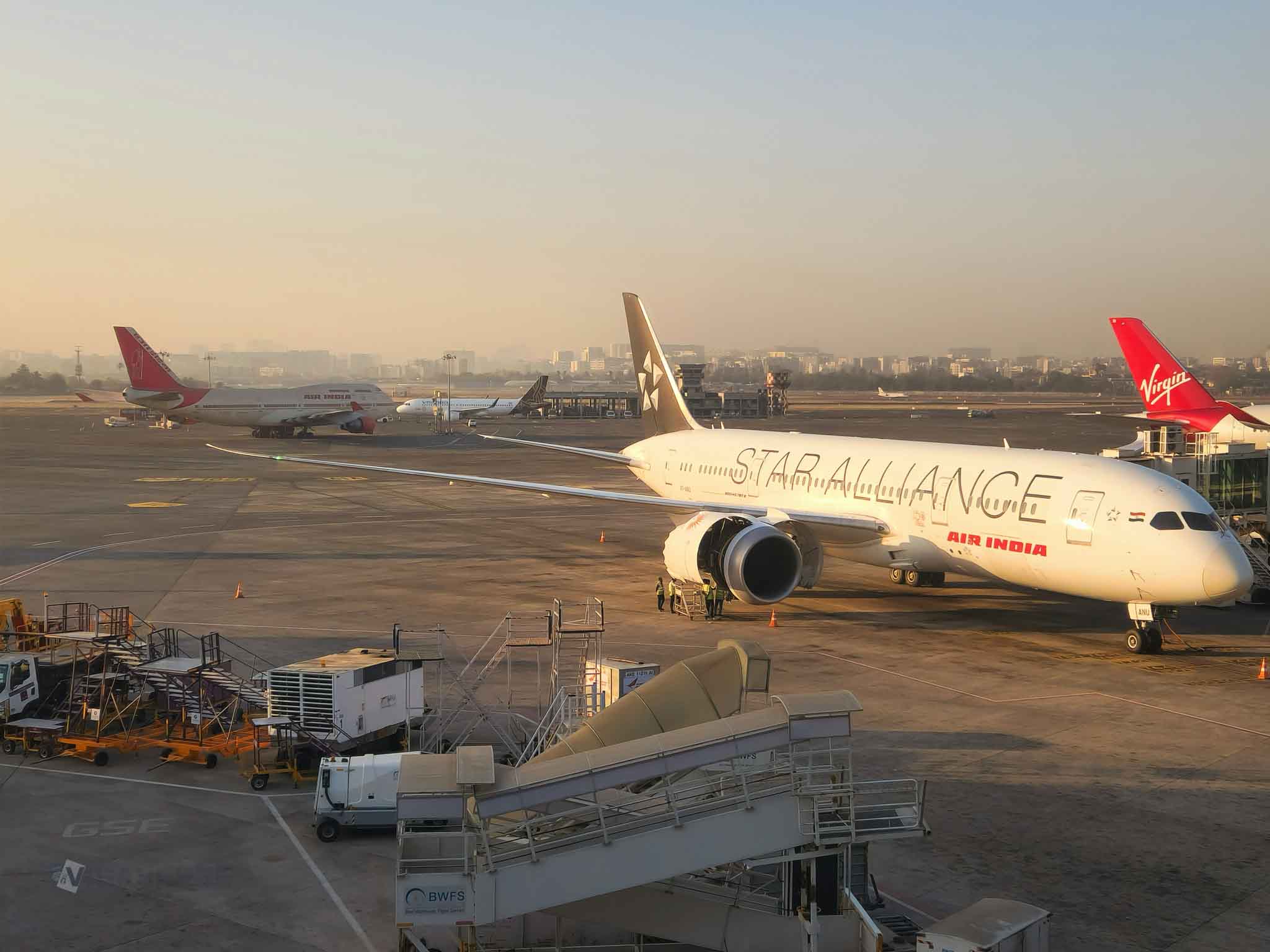
Air traffic slowed sharply as the storm moved across the capital. Airline operations at Indira Gandhi International Airport faced a chain reaction of delays as aircraft waited on the ground, inbound flights held, and arriving crews dealt with unstable conditions on final approach.
| Detail | Information |
|---|---|
| Flights delayed | Over 500 |
| Flights diverted | 15 |
| Go-arounds | 6 |
| Strongest gust | 98 km/h at Palam |
| Other gust reports | 72 km/h at Safdarjung and Pusa |
Hail was reported in several parts of the city, including Dhaula Kuan, Moti Bagh, Uttam Nagar, and Green Park. Delhi’s temperature fell by as much as 10°C after the system passed through, a sharp reversal after a hot day.
The India Meteorological Department (IMD) linked the storm to soaring daytime temperatures combined with moisture associated with an active western disturbance. That combination often creates quick, violent weather shifts over north India, especially in the pre-monsoon period.
For air travelers, the immediate risk in these events is not just a delayed departure. Approaches become unstable, holding patterns lengthen, and aircraft already on final descent can be sent around again. That is what happened at Delhi, where the six go-arounds added pressure to an already strained operation.
The disruption also affects connecting itineraries. A delayed domestic arrival into Delhi can easily knock out a same-day connection to an international flight. Airlines usually protect those passengers on the next available service, but seat inventory tightens fast after weather events.
Frequent flyers saw the same pattern that plays out at other major hubs during severe weather. Delta, Emirates and Singapore Airlines all face the same operational limits when thunderstorms hit a busy airport. Aircraft can be held, rerouted or parked, but the weather sets the pace.
That leaves rebooking, missed onward flights and overnight stays as the main traveler headaches. Mileage and elite status are usually unaffected if the airline controls the disruption, since most programs still credit the original booking once the journey is completed. The bigger issue is the lost time and the missed connection, not the points ledger.
Delhi’s storm also showed how fast a routine afternoon can turn into an airport-wide disruption. The airport handled dozens of moving parts at once, from airborne diversions to gate reassignments and arrival backlogs, while crews waited for conditions to settle.
Travelers with departures from Delhi during similar weather should watch IMD forecasts and airline advisories closely, especially on hot days with active western disturbance systems nearby. Checking flight status before leaving for the airport can save hours on the curb. If a storm is building, plan for delays, diversions and go-arounds, then keep the airline app open until the flight is safely airborne.