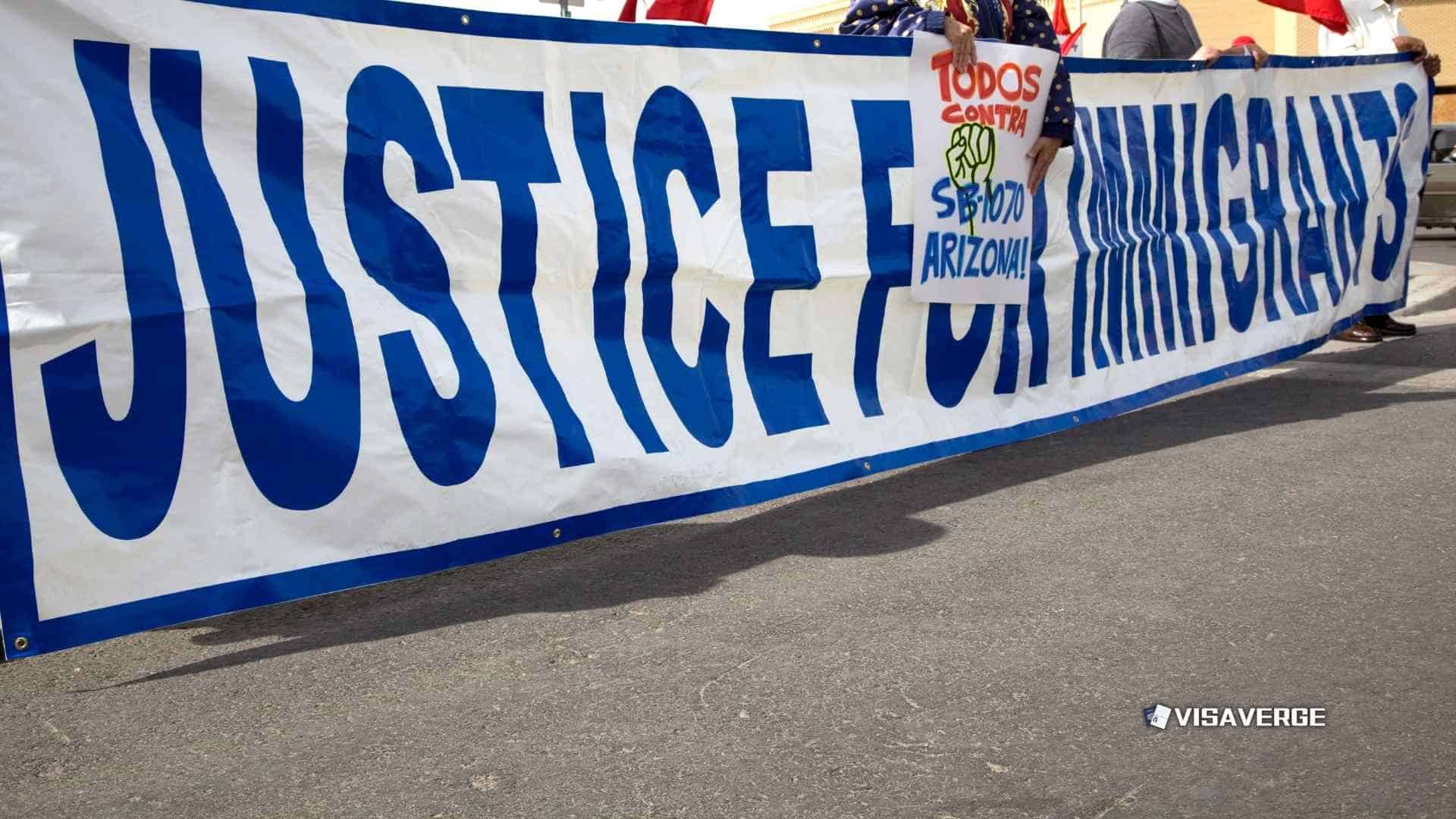
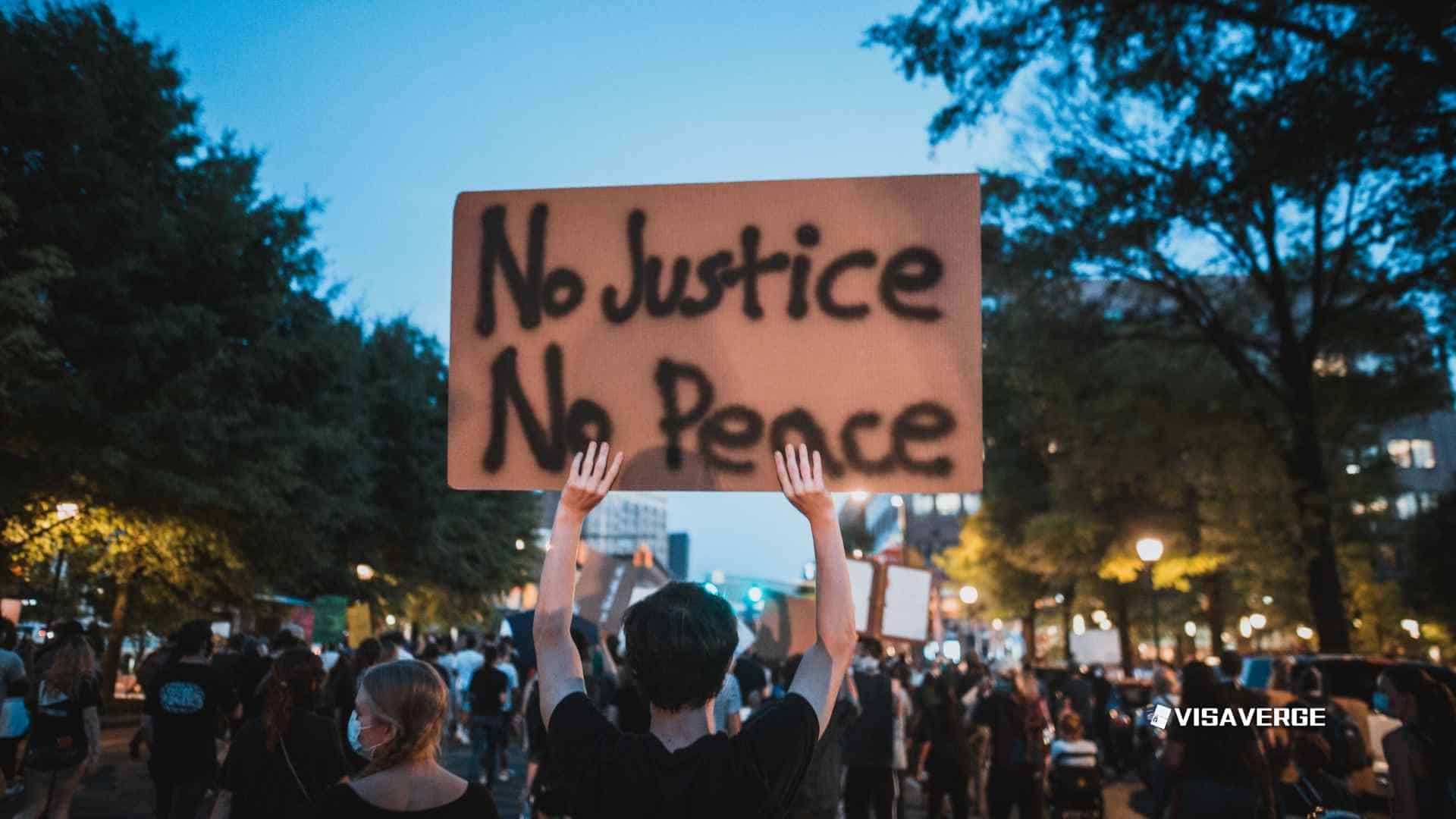
(UNITED STATES) Plans for a 31 August march tied to migration and free speech are forming amid one of the busiest policy periods in years, with court fights, agency rollbacks, and community mobilization reshaping the field. As of Aug. 11, 2025, there is no federal notice naming a single nationwide “31 August” march on official portals. Any events will rely on local permits and standard time‑place‑manner rules.
The backdrop includes the nationwide end of CHNV parole after the Supreme Court lifted an injunction on May 30, 2025; a summer wave of TPS terminations; pressure on refugee admissions; and fresh movement in birthright citizenship cases. Organizers and counter‑protest groups are preparing for late‑August actions in multiple cities.

Policy Shifts Driving Late‑Summer Protests
- CHNV parole
- DHS announced the end of the Cuba‑Haiti‑Nicaragua‑Venezuela process on Mar. 25, 2025.
- After a district court pause, the Supreme Court cleared DHS to proceed on May 30, 2025.
- DHS moved to end C11 work authorization linked to that parole as of Apr. 24, 2025.
- Since June, advocates and local officials have held protests and legal teach‑ins. Civil liberties groups say the changes are chilling speech in immigrant communities.
- TPS terminations
- DHS posted terminations this summer for:
- Haiti — July 1
- Honduras — July 8
- Nicaragua — July 8
- Nepal — June 6
- The Department of Justice’s Executive Office for Immigration Review (EOIR) lists official notices and timelines.
- Advocacy trackers report court action has delayed some effective dates for Honduras and Nicaragua, creating uncertainty that fuels additional rallies.
- Refugee admissions
- Faith‑based and refugee networks describe an “indefinite refugee ban” posture in administration communications.
- Groups note new large detention sites and halted placements and have called for late‑August demonstrations and town halls.
- Opponents argue for tighter enforcement and stricter restrictions on protest permits near detention facilities.
- Birthright citizenship litigation
- Summer developments keep this issue active. Legal newsletters cite Supreme Court action and a Ninth Circuit ruling.
- Agencies are reportedly drafting contingency plans, making birthright citizenship a core rally theme as August ends.
- Visa demand pressures
- The State Department’s August Visa Bulletin warns of EB‑2 “Rest of World” retrogression and possible category unavailability.
- EB‑3 and EW could retrogress or become unavailable by September.
- EB‑5 Unreserved for China and India advanced temporarily.
- These shifts add to worker and employer anxiety and feed protest planning.
Local Permitting and Free Speech Rules for 31 August Events
There is no DHS or DOJ nationwide protest prohibition. Marches remain protected under the First Amendment and are subject to standard local rules. There is no federal listing for a single “31 August” national march today, so event details will proceed through city or state processes.
Free toolUSCIS Receipt Number Decoder- Permits
- Expect to apply with local police or parks for route approvals, sound use, and crowd size.
- Many cities ask for 10–30 days’ notice.
- For National Park Service property, a First Amendment permit is standard.
- Police and safety
- Large marches often receive escorts and lane closures.
- Near detention centers or federal buildings, plan for security perimeters and rules against blocking entrances or exits.
- Legal risks
- Speech is protected, but trespass, blocking access, or ignoring a lawful dispersal order can lead to arrest.
- Organizers commonly:
- Train marshals,
- Set de‑escalation protocols,
- Share Know Your Rights hotlines.
Important: There is currently no federal notice naming a single nationwide march; rely on local permit offices and adhere to local time‑place‑manner rules.
Effects on Immigrant Participants
Mixed‑status families face heightened stress around CHNV parole and TPS terminations. The SAVE program guidance states agencies verify status at a point in time, and people can have more than one basis to stay.
Practical steps for those planning to attend a 31 August event:
- Carry only needed ID. Leave passports and extra documents at home unless counsel advises otherwise.
- If you held CHNV parole with C11 work authorization, note DHS moved to end it on Apr. 24, 2025; seek legal advice about your current work status.
- TPS holders from Haiti, Honduras, Nicaragua, or Nepal should check official notices and any court‑ordered timing shifts before travel to a march.
- Re‑registration windows and Employment Authorization Document timelines vary by country and by litigation.
- Bring a legal hotline from trusted community groups. Organizers often post these numbers at rally sites.
Employers and Sponsors Watching the Calendar
Companies and universities face planning disruptions as the August Visa Bulletin warns of EB‑2 and EB‑3 slowdowns and potential “Unavailable” designations by September. This can pause green card steps and affect start dates.
Sponsors should:
- Review workforce plans for late August and September.
- Communicate with counsel about priority dates and the October new‑year visa number reset.
- Expect employees to join advocacy in the run‑up to 31 August, citing backlogs and family impact.
Multiple Perspectives in the Current Debate
- Administration and security‑first view
- Officials under President Trump frame the end of CHNV parole and the push on TPS terminations as part of deterring irregular migration.
- Expanded detention is described as needed capacity.
- They stress that marches must not disrupt operations or public safety.
- Immigrant rights and faith groups
- These networks argue rollbacks endanger families, drive fear in mixed‑status neighborhoods, and mute speech.
- They are calling for broad 31 August actions and legislative fixes, and they document daily refugee policy moves and detention growth.
- Legal analysts
- Note that birthright citizenship cases and TPS lawsuits leave key rules unsettled.
- Any appellate ruling could shift timelines quickly and spark more protests or counter‑protests in early fall.
According to analysis by VisaVerge.com, the mix of court timelines, visa retrogression risk, and major cutbacks has created a compressed calendar for public action, making the 31 August window a rallying point for both sides.
Timeline and Litigation Watch Through Early Fall
- Early 2025
- The administration declared a southern border emergency and pursued changes including TPS terminations and efforts to reinterpret birthright citizenship, triggering large‑scale mobilization.
- Spring 2025
- DHS moved to terminate CHNV parole; a district court stay paused parts, but the Supreme Court lifted the stay on May 30, 2025, letting termination proceed nationwide.
- Summer 2025
- DHS posted TPS terminations; refugee admissions and detention expansion became flashpoints; advocacy networks amplified calls for late‑August events.
- Late August to September
- Watch for:
- September Visa Bulletin shifts,
- Possible “Unavailable” categories,
- Court hearings on TPS and birthright citizenship,
- Community actions around detention policy.
Practical Planning for 31 August and Nearby Dates
- File permits early and confirm the route, start/finish times, and sound plans in writing.
- Designate trained marshals; brief them on de‑escalation and police liaison roles.
- Share clear safety plans, including hydration, heat relief, and disability access.
- If marching near federal buildings or detention centers, coordinate in advance and expect strict rules on blocking entrances.
Warning: Failure to follow permit conditions or lawful dispersal orders can result in arrest and criminal charges. Organizers should emphasize compliance and safety.
Official Reference for TPS Updates
For country‑by‑country TPS notices, including recent TPS terminations and any litigation‑affected timelines, see the Department of Justice EOIR TPS dashboard: https://www.justice.gov/eoir/temporary-protected-status
This Article in a Nutshell
As late‑summer policy shifts converge, organizers plan local 31 August actions amid CHNV parole end, TPS terminations, visa retrogression fears, and judicial uncertainty, urging permits, legal hotlines, and safety protocols to protect mixed‑status participants and reduce arrest risk while monitoring rapid court developments.