(CHICAGO, ILLINOIS) Federal immigration raids under “Operation Midway Blitz” are rippling through Chicago’s winter economy, as snow removal and landscaping companies report workers vanishing from job sites, fearful of detention and deportation after a wave of arrests across the metro area.
The federal deportation campaign, launched in October 2025, has focused on the wider Chicago region and nearby suburbs in Lake County, Illinois, where immigrant labor is central to year‑round outdoor work.

What happened during the raids
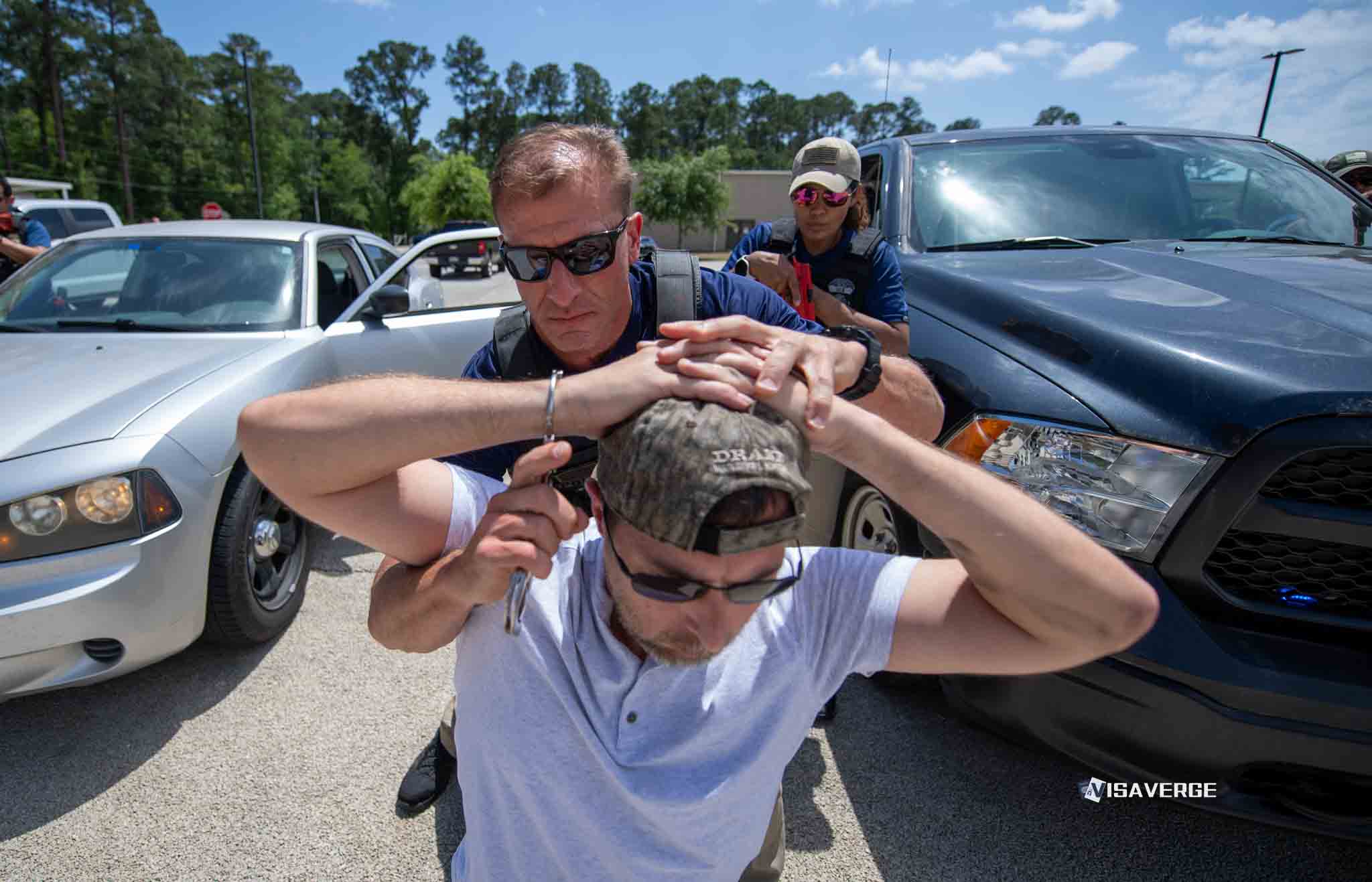
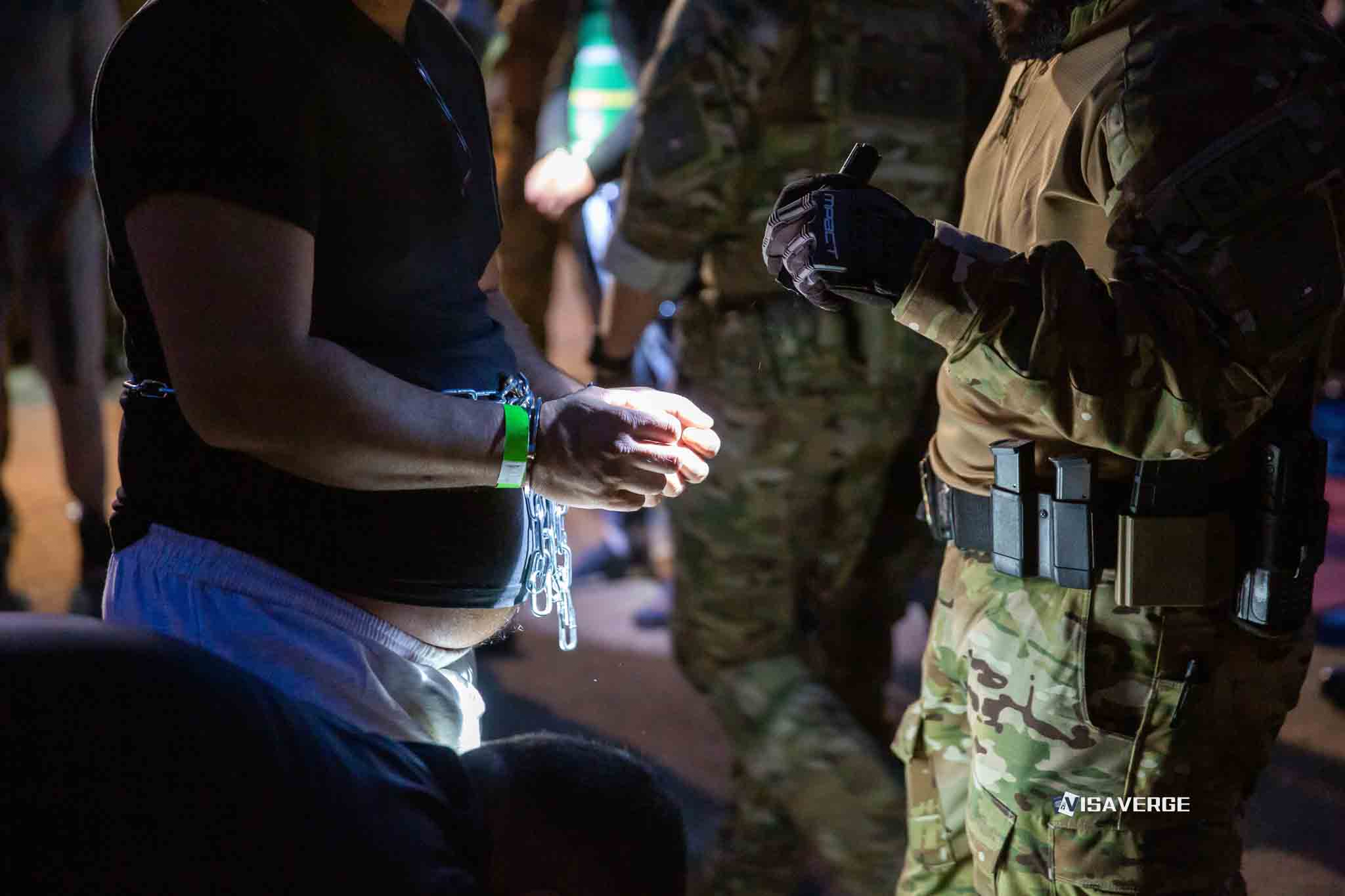
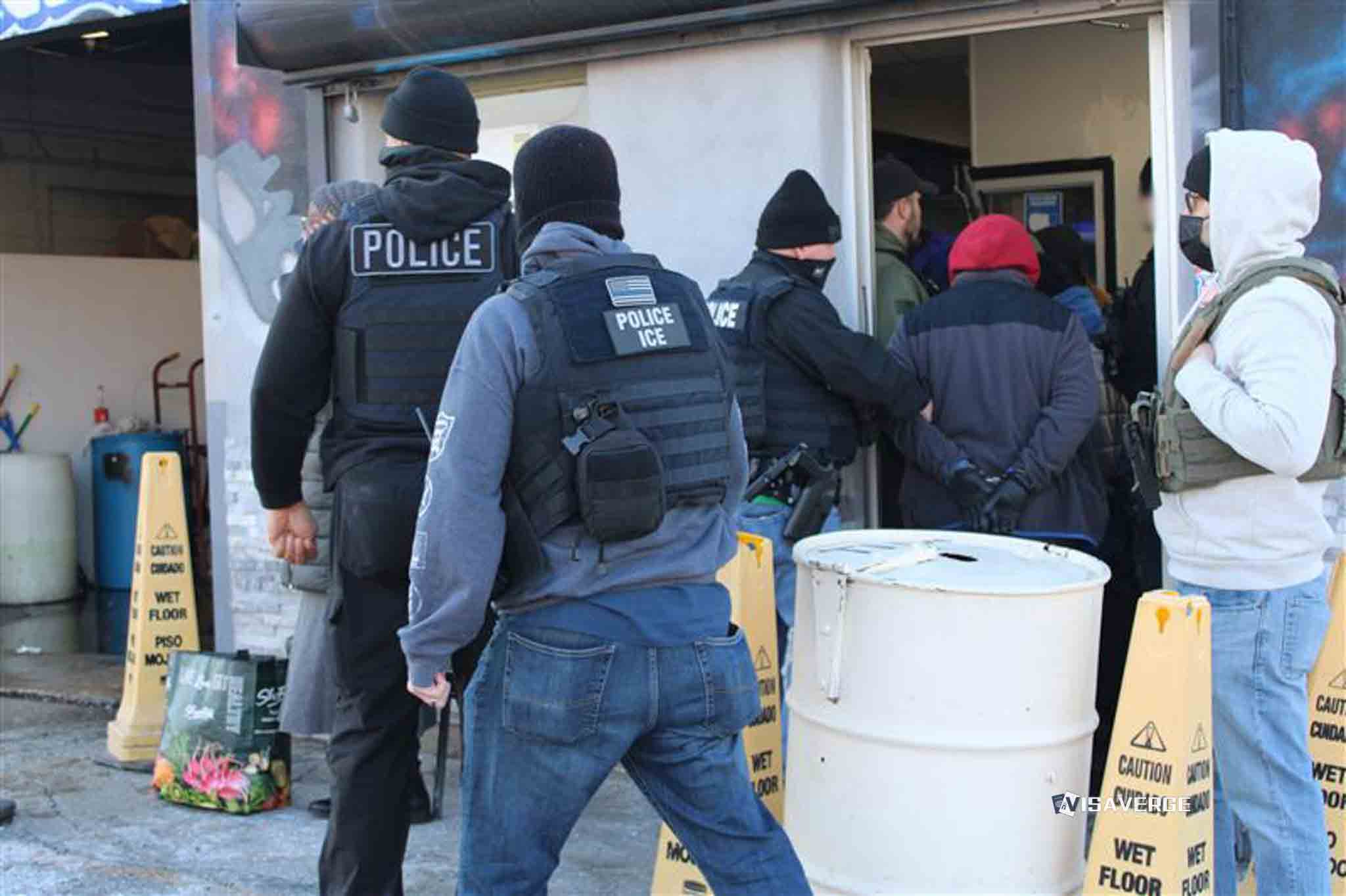
Videos and reports from that month show Immigration and Customs Enforcement (ICE) and Border Patrol agents detaining employees from landscaping crews in parking lots and on residential streets in Lake County, Illinois.
Free toolUSCIS Receipt Number DecoderAccording to local accounts, at least one worker taken into custody during Operation Midway Blitz had proper documents, raising alarms among business owners that even staff they believe to be fully authorized may face sudden arrest.
Immediate response from workers and employers
Snow removal companies say the message spread quickly through crew rooms, text chains, and family groups, just as firms were organizing schedules for the first major storms of the season.
Workers who have lived in Chicago for years — paying taxes and raising U.S.‑citizen children — are now weighing every trip from their homes, fearful that a routine drive to clear a parking lot could end with a trip to a detention center.
Many companies already struggle to recruit enough seasonal workers; Operation Midway Blitz has added a new layer of fear that owners say is pushing long‑time employees to leave the industry or stay indoors when storms hit.
Some businesses report canceling contracts or warning clients that service could be delayed because they simply do not know how many workers will feel safe showing up on a given day.
Public safety and critical services at risk
Snow removal in Chicago and northern Illinois is a safety‑critical service, keeping hospital entrances open, school buses moving, and sidewalks passable for elderly residents.
Analysts warn that without reliable staff, basic city functions could suffer during major blizzards, including:
- Delayed street plowing
- Slower clearing of hospital parking lots and nursing home driveways
- Disrupted operations at warehouse loading docks that keep food and medicine moving
City policy vs. federal enforcement
Chicago officials have tried to draw a line between city policy and federal enforcement, declaring all city‑owned properties — including libraries, schools, and municipal offices — as “ICE‑free zones” where local staff will not cooperate with federal raids.
That stance reflects Chicago’s long history as a so‑called sanctuary city, but residents say it offers limited protection when ICE and Border Patrol teams operate in suburbs and on highways that fall outside city control.
Local groups remind residents that Chicago’s “ICE‑free zones” remain in effect on city property, even as federal agents continue operations in surrounding suburbs and on state roads.
Legal backlog and community stress
Federal officials have not publicly set an end date for Operation Midway Blitz, and the lack of clarity has deepened the sense of dread among mixed‑status families who live, work, and send children to school in the region.
Community organizations report that hotlines for legal help and emergency planning ring constantly, with parents asking whether they should sign power‑of‑attorney papers or keep children home from school during major enforcement days.
At the same time, the local immigration court system is already overwhelmed. Advocates point to more than 230,000 pending cases in Chicago alone, a backlog that means people picked up during workplace or street operations under Operation Midway Blitz could wait years for a hearing while living in limbo, barred from many benefits and facing repeated check‑ins with officers.
The immigration backlog — 230,000+ pending cases — deepens uncertainty: arrests now can mean years of waiting and limited access to services for affected families.
Employer challenges and responses
For employers, the legal maze adds another layer of pressure. Companies say they already struggle to read complex immigration rules and verify documents, and the risk that even correctly documented staff might be detained makes them fear that cooperation could backfire.
Some owners in Chicago and Lake County describe taking these steps:
- Speaking late into the night with lawyers.
- Reviewing employee files for documentation.
- Arranging carpools to avoid driving through areas where enforcement is heaviest.
Additional employer concerns and actions:
- Canceling or delaying contracts due to uncertain staffing.
- Warning clients about potential service interruptions.
- Implementing shared phone trees and emergency planning for crews.
Federal stance and resources
The Department of Homeland Security contends that worksite enforcement is needed to uphold labor laws and prevent exploitation. Official guidance on the agency’s website stresses that employers must follow hiring rules and use proper documents.
Information on workplace actions and employer duties is posted on the Immigration and Customs Enforcement site at ice.gov, though lawyers say that reading federal guidance offers little comfort to mixed‑status crews who watch neighbors pulled into vans outside grocery stores.
Community mobilization and protests
The strain has spilled onto the streets, with protests forming outside federal buildings and in neighborhoods where agents have carried out early‑morning operations linked to Operation Midway Blitz.
Organizers have built rapid‑response teams to:
- Document arrests
- Provide immediate legal referrals
- Deliver food or childcare to families left without a parent after a raid
Calls for policy changes
Some union leaders and small business owners are pushing for clearer federal guidance, temporary protections, or a pause in large‑scale raids during the height of winter, arguing that public safety is at stake when key workers are too afraid to leave home.
Others caution that as long as more than 230,000 cases remain stuck in Chicago’s immigration backlog, any new wave of arrests will only deepen pressure on a court system already stretched past its limits, leaving families and employers to live for years with uncertainty.
How families and crews are coping
For now, many workers in Chicago and Lake County describe simple, careful routines:
- Changed driving routes to avoid enforcement hotspots
- Shared phone trees for rapid alerts
- Backpacks kept by the door with documents and spare clothes in case a loved one does not return
Snow removal companies wait for each weather forecast knowing that, beyond inches of snow and wind speeds, another question now hangs over every storm: how many of their crews will still feel safe to work?
Operation Midway Blitz, begun in October 2025, has spurred ICE and Border Patrol raids across Chicago and Lake County, removing workers from landscaping and snow‑removal crews. Businesses report canceled contracts and staffing shortages as employees avoid job sites. Chicago maintains ICE‑free city properties, but suburbs remain exposed. Community groups provide legal aid while advocates warn that roughly 230,000 pending immigration cases will prolong uncertainty for arrested workers and their families.