- An American Airlines pilot nearly hit a ground vehicle after a truck drove directly in front of the taxiing aircraft.
- The FAA and airport officials launched an immediate investigation into the close call at Charlotte Douglas International Airport.
- Flight crews were praised for their professionalism after slamming on the brakes to avoid a potentially fatal collision.
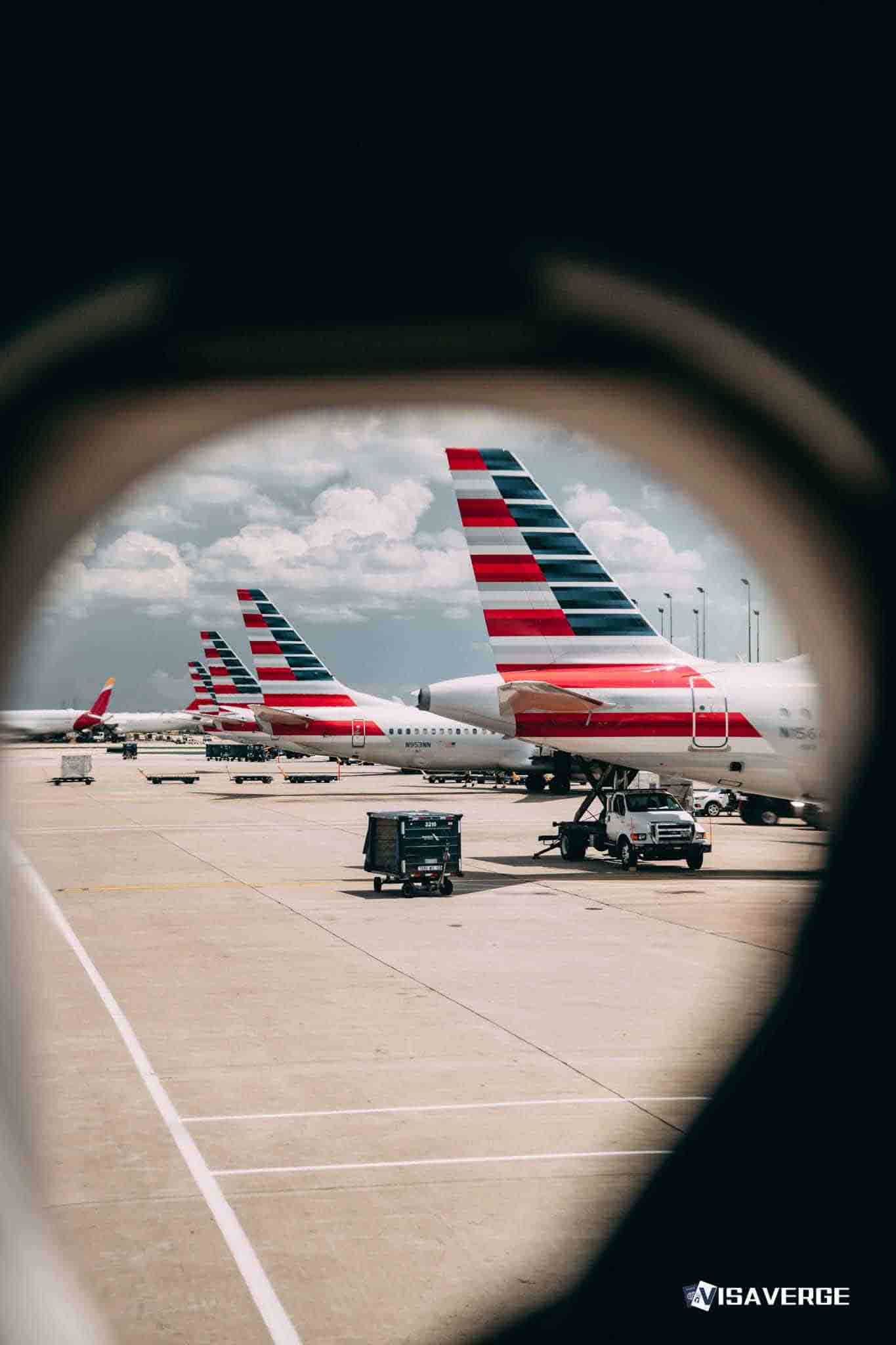
(CHARLOTTE, NC) – An American Airlines pilot braked American Airlines Flight 1197 on Wednesday morning at Charlotte Douglas International Airport after a CLT Ops vehicle drove directly in front of the taxiing aircraft, prompting the pilot to warn air traffic control: “we nearly hit them.”
The pilot told controllers, “So, that white-black truck, they just went right in front of us, and we nearly hit them. I had to slam on our brakes. We had our taxi light on, and we had started moving. They need to be someone’s … got to be notified right away. That was really bad.”
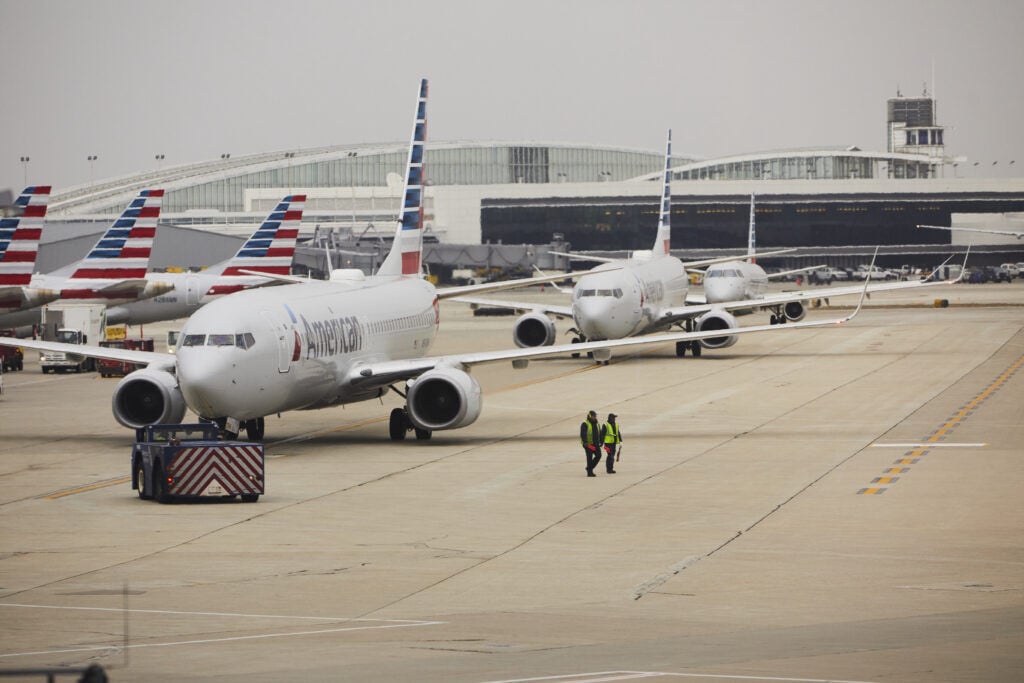
FlightRadar24 data showed the aircraft was moving at no more than 15 mph near the gate area when the incident happened. The truck was described as a white-and-black pickup truck.
Air traffic control quickly identified the vehicle in the movement area. “OK, I see him. The Ops vehicle I got him now,” a controller said after the pilot’s report.
The near-collision occurred while the aircraft was taxiing, not during takeoff or landing. That placed the incident in one of the airport’s most routine but tightly managed phases of movement, where aircraft and ground vehicles share controlled space and timing errors can narrow margins quickly.
The pickup carried a transponder, allowing controllers to see it and communicate with the driver by radio. That detail set this case apart from a prior fatal ground incident involving a vehicle without that capability.
American Airlines praised its crew’s response in a statement that underscored how suddenly the vehicle entered the aircraft’s path. “We’re proud of the professionalism of our crew and the action they took when a ground vehicle not affiliated with American Airlines entered the aircraft’s path on a taxiway.”
Charlotte Douglas International Airport said it had begun reviewing what happened near the gate. A CLT spokesperson said, “Charlotte Douglas International Airport (CLT) is aware of the reported incident involving an American Airlines aircraft and a CLT ground vehicle while taxiing near the gate on Wednesday morning. Safety and security are top priorities at CLT.”
The spokesperson said the incident is under investigation under the airport’s safety standards. The Federal Aviation Administration is also “looking into” the event.
The exchange between the cockpit and the tower captured a sharp reaction from the flight deck. The pilot’s use of “slam on our brakes” and “That was really bad” pointed to how little room remained once the truck crossed in front of the aircraft.
Controllers, meanwhile, did not appear to be searching for an unidentified object or an unclear radar target. They recognized the vehicle as an operations truck and confirmed they could see it, which indicated the truck’s presence on the airfield was known even as its movement in front of the aircraft triggered the close call.
That combination, a taxiing jet moving slowly, a truck with a transponder, and a controller able to identify the vehicle, shifts attention to coordination on the ground rather than visibility alone. The aircraft had its taxi light on, the pilot said, and had already started moving.
Ground operations at large airports depend on exact timing between pilots, vehicle drivers and controllers. Aircraft can move slowly near gates and still require far more distance to stop than a pickup truck, especially when crews are balancing steering, brake input and clearances in congested ramp and taxiway areas.
American Airlines Flight 1197 was near the gate when the truck entered its path, according to the account provided over the radio and the flight-tracking data. At that stage of movement, crews expect service vehicles, airport operations trucks and other traffic to remain coordinated with controller instructions and aircraft visibility.
The airport’s statement also drew a line between the airline and the vehicle involved. American Airlines said the truck was “not affiliated with American Airlines,” while CLT described it as a CLT ground vehicle.
That distinction matters inside airport operations because responsibility for aircraft handling, ramp activity and airfield vehicle movements can sit with different employers even within the same piece of pavement. It also shapes who reviews training, radio procedures and driver compliance after an incident.
The FAA inquiry comes about one month after a deadly Air Canada jet-fire truck crash at LaGuardia Airport in March 2026. In that case, black boxes were recovered and pilots were identified.
Another investigation opened after a Frontier Airlines plane nearly collided with two trucks at Los Angeles International Airport on April 11, 2026. That inquiry also focused attention on the way airport vehicles and aircraft interact in controlled areas where a missed instruction or a mistimed crossing can put crews and passengers at risk within seconds.
Those recent events have kept ground safety under scrutiny, even though the Charlotte incident ended without a collision. They also place fresh attention on whether transponder-equipped vehicles, radio contact and controller awareness are enough by themselves when drivers and aircraft converge on taxi routes.
Airports use layers of protection on the ground, including markings, lighting, radio procedures and surveillance tools. The Charlotte incident showed that those layers can still leave little margin if a vehicle enters an aircraft’s path after the aircraft has already begun moving.
The pilot’s report suggested the crew believed the truck’s movement demanded immediate notice. “They need to be someone’s … got to be notified right away,” the pilot told controllers, linking the braking maneuver not simply to a close call, but to an event the crew considered serious enough for immediate follow-up.
Charlotte Douglas now faces questions about how the white-and-black pickup moved across the aircraft’s path, what instructions the driver had at the time and whether any additional safeguards are needed near gate-area taxi routes. The FAA’s review and the airport’s investigation will examine an incident that lasted moments, but exposed how quickly routine ground traffic can turn into a near-collision.
American Airlines returned the focus to the cockpit crew’s response. “We’re proud of the professionalism of our crew and the action they took when a ground vehicle not affiliated with American Airlines entered the aircraft’s path on a taxiway.”