- ICE arrested 86-year-old French widow Marie-Thérèse Hélène Ross in Alabama after she overstayed her 90-day visa waiver admission.
- The case highlights legal complexities when a U.S. citizen spouse dies before a green card application is completed.
- French consular officials are seeking humanitarian release due to Ross’s advanced age and deteriorating health condition in detention.
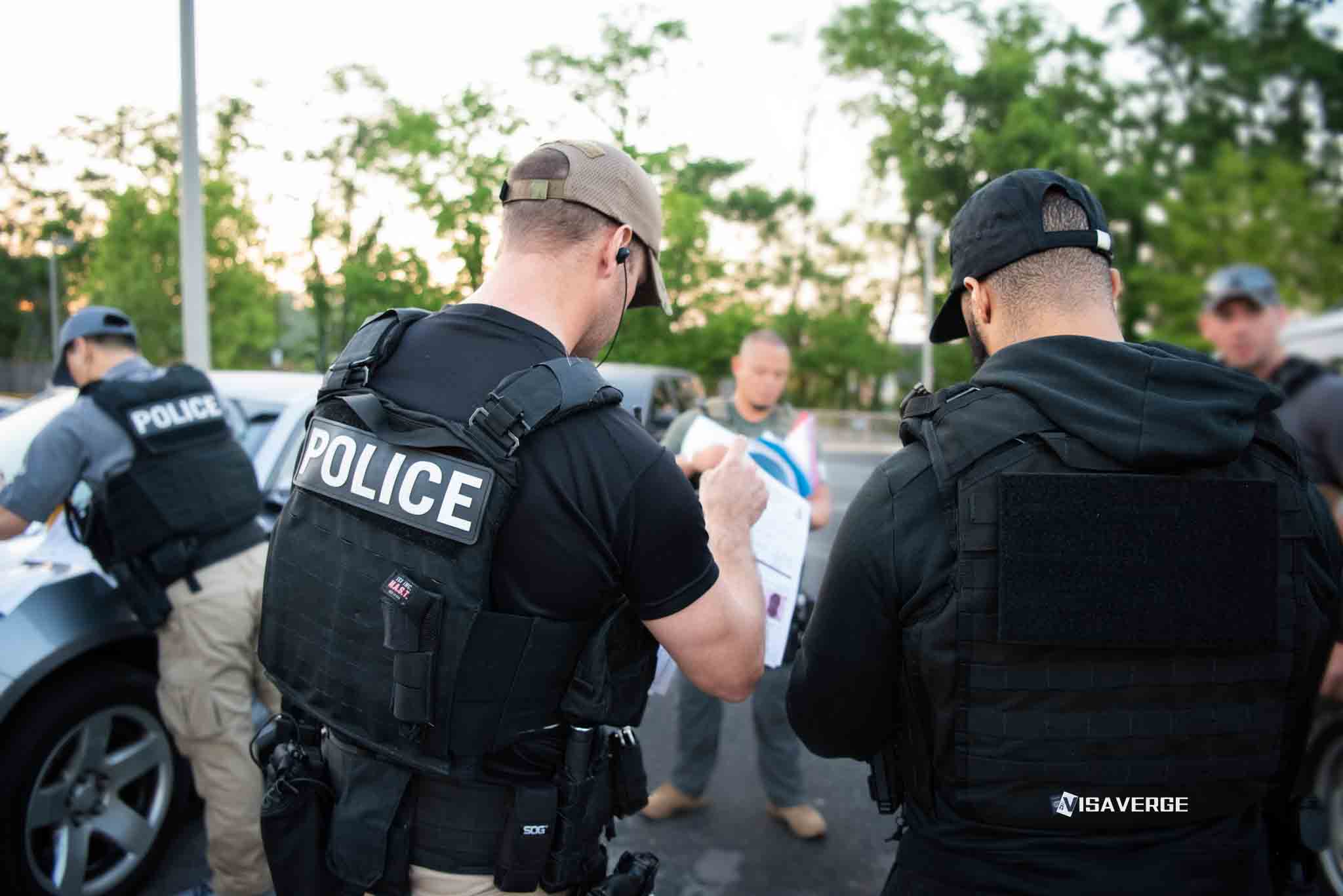
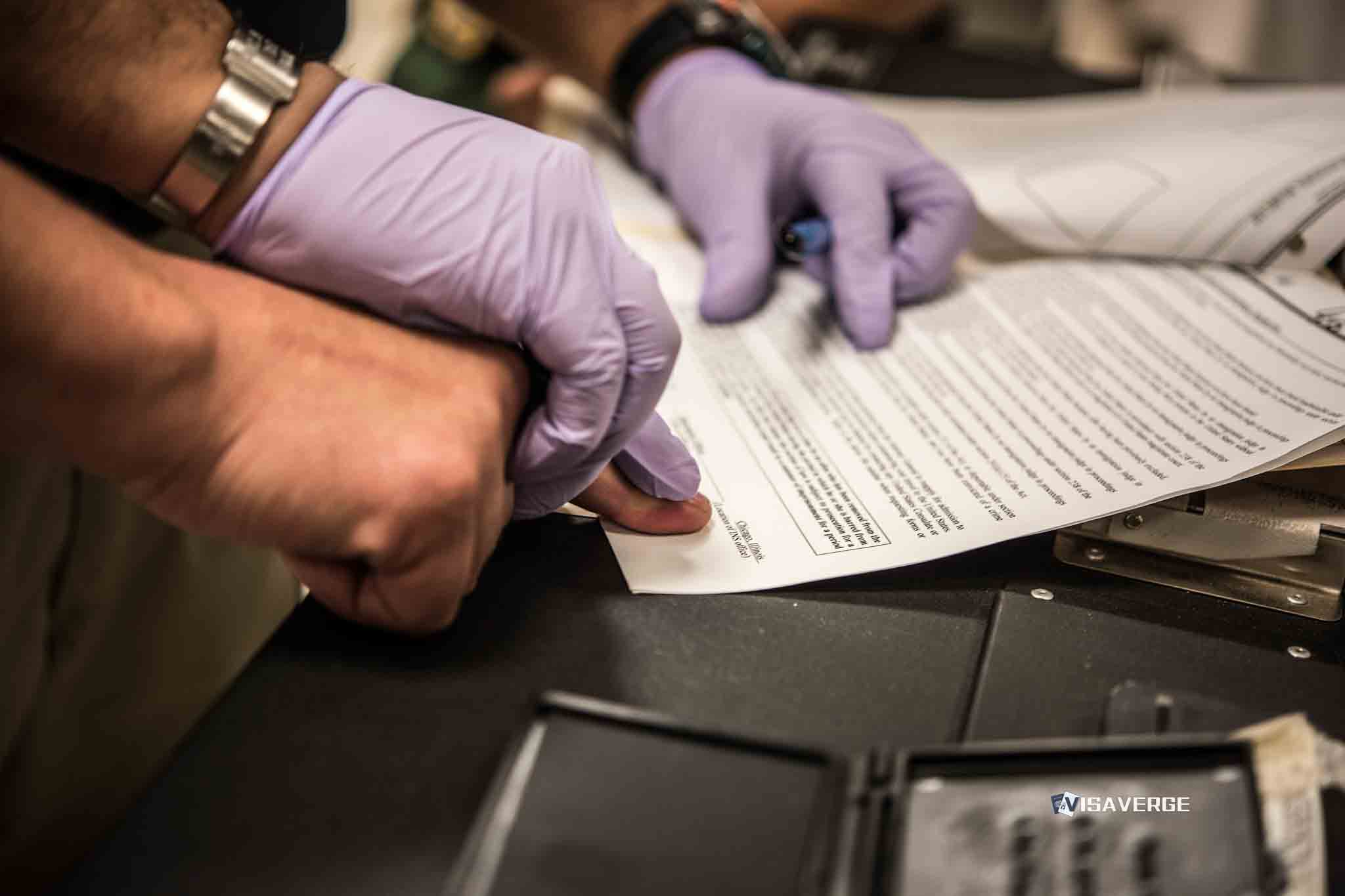
(LOUISIANA) — U.S. Immigration and Customs Enforcement arrested Marie-Thérèse Hélène Ross, an 86-year-old French widow, on April 1, 2026 in Alabama and transferred her to a detention facility in Louisiana, putting renewed attention on what happens when a marriage-based green card case is left unfinished after a U.S. citizen spouse dies.
Ross, a native of Nantes, France, had moved to Anniston, Alabama, in June 2025 to reunite with Billy, a retired U.S. Army colonel and helicopter pilot she first met in the 1960s at a NATO base in Saint-Nazaire. Public accounts said she was awaiting a green card after their marriage, while the Department of Homeland Security said she had overstayed her admission under the Visa Waiver Program.
Free toolCSPA Age-Out Calculator Online
DHS said on April 14, 2026 that Ross entered the United States in June 2025 under the Visa Waiver Program, which allows citizens of certain countries to visit for up to 90 days without a visa. The department said she had “overstayed her 90-day period of admission” and that ICE arrested her because she was “illegally in the United States.”
Ross and Billy married in April 2025. He died in January 2026, before her green card was approved, leaving the case at the center of a narrow but high-stakes immigration question: what had been filed before his death, and what protection remained afterward for a surviving spouse.
Under U.S. Citizenship and Immigration Services rules, the spouse of a U.S. citizen is an immediate relative for green card purposes. A widow or widower can still qualify for permanent residence if the couple was married when the citizen died and other requirements are met.
USCIS says a surviving spouse may seek classification through Form I-360. Agency guidance also says that a pending or approved spousal Form I-130 can convert to a widow or widower petition in qualifying cases, a rule tied to USCIS widow(er) policy and INA Section 204(l) guidance.
That framework means a U.S. citizen’s death does not shut every path to permanent residence. It does, however, change the legal route and compress the timeline, especially if the person is already removable on another ground such as an overstay.
One unresolved point has shaped how the Louisiana detention is being read. Public accounts say Ross was awaiting a green card, but they do not establish whether a Form I-130 had been filed before Billy died, whether she had also filed to adjust status, whether any petition had already been approved, or whether a widow-based conversion had begun.
That distinction carries legal weight. In immigration practice, “awaiting a green card” can describe several stages, from a planned filing to a pending petition to an adjustment case already on file, and those stages do not offer the same protection once enforcement begins.
DHS has framed the case as an overstay matter. Ross’s family has described it as an interrupted effort to regularize her status through marriage to a U.S. citizen, not a case of someone disappearing into the country after a tourist admission expired.
Both facts can exist at once. A marriage-based case can create a direct route to lawful permanent residence, but marriage alone does not grant secured status, and a planned filing does not stop ICE from acting if the government concludes the person is removable at that moment.
The Visa Waiver Program adds another layer. DHS said Ross entered under that program in June 2025 and remained past the 90-day period, a timeline that placed her out of status months before her husband’s death in January 2026.
Her case has also drawn attention because of her age and reported health problems. Her son said, “Given her health, she won’t last a month in such conditions of detention.”
Reports on her arrest said officers handcuffed her at the wrists and ankles when they took her from her home in Alabama. Family members have also linked the arrest to an inheritance dispute with her late husband’s son, whom they accused of cutting off her utilities and reporting her to immigration authorities.
Consular access is another part of the story. The State Department says foreign nationals arrested or detained in the United States must be advised of the option to have their consulate notified, and consular officials may communicate with detainees, check on their welfare, and help with legal representation and medical care.
That safeguard carries extra weight in cases involving elderly detainees and reported medical issues. French consular officials have visited Ross in Louisiana as they press for her release on humanitarian grounds.
The detention has become a test case for a problem immigration lawyers have long flagged in surviving-spouse matters. If the U.S. citizen petitioner dies before a case is completed, the surviving spouse may still have a path, but that path depends heavily on timing, paperwork already submitted, and fast legal follow-up after the death.
The law is more forgiving than the old “widow’s penalty” rules that once ended many cases after the petitioner’s death. Section 204(l) of the Immigration and Nationality Act preserved eligibility in some situations, and USCIS guidance recognizes automatic conversion of certain spousal petitions to widow or widower petitions.
Those protections are not self-executing in the broad sense the public often assumes. A surviving spouse still has to fit the legal requirements, and the record has to show what petition existed, where the case stood, and whether the person remained eligible for the next step.
Ross’s case has also exposed how easily public narratives can drift apart. One version begins with a French widow who came to the United States late in life, married a former Army officer, lost him within months, and ended up in a Louisiana detention center. Another begins with a foreign national who entered under the Visa Waiver Program, stayed beyond her admission, and became subject to immigration enforcement.
Each account turns on the same unanswered procedural point. If filings tied to the marriage were in place before Billy died, federal law can preserve a route to a green card for a surviving spouse; if they were not, the case becomes harder and the overstay becomes more exposed.
That is why immigration lawyers often press families to move quickly once a U.S. citizen spouse dies during a pending case. In surviving-spouse matters, the difference between a petition filed, a petition approved, and a petition merely planned can decide whether the widow is treated as an applicant still on a statutory path or as a person ICE can detain and remove.
ICE has not publicly detailed the filings in Ross’s case, and USCIS has not publicly described the posture of any petition linked to her marriage. What has emerged instead is a spare timeline: entry in June 2025, marriage in April 2025, Billy’s death in January 2026, arrest in Alabama on April 1, 2026, then detention in Louisiana.
That sequence has made the French widow’s case far more than a local dispute. It now stands as a plain reminder that a marriage to a U.S. citizen can open a direct path to permanent residence, but the path can narrow fast when death intervenes before the paperwork catches up.