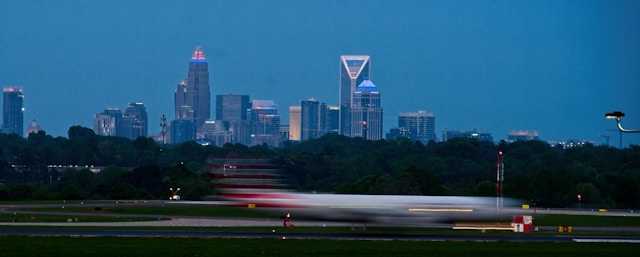
(CHARLOTTE, NORTH CAROLINA) More than 130 people were arrested in Charlotte over the weekend of November 15 to 17, 2025, in a large federal immigration enforcement sweep that state leaders say has shaken this fast‑growing Southern city. The operation, led by the Department of Homeland Security and focused on undocumented immigrants, unfolded across apartment complexes, workplaces, and roadside checkpoints. State officials say the latest immigration crackdown under President Trump is “stoking fear” and putting public safety at risk.
The operation and immediate response
Governor Josh Stein said he first learned of the operation, code‑named “Charlotte’s Web,” from local law enforcement alerts as armored vehicles and tactical teams rolled into several neighborhoods late Friday night. By Sunday evening, his office confirmed that more than 130 people had been taken into custody in and around Charlotte.
Federal officials declined to release a detailed breakdown of:
– who was arrested,
– what charges they faced, or
– how many would be placed in deportation proceedings.
Speaking at a news conference in Raleigh on Monday, Stein called the tactics “aggressive, uncoordinated, and harmful” to community trust.
“This kind of surprise immigration crackdown may win political points in Washington, but on the ground in North Carolina it is stoking fear and making people less likely to report crimes or cooperate with police,” Stein said, adding that local agencies received little warning and limited information about the plan.
Charlotte Mayor Vi Lyles voiced similar concerns. She said residents had woken to social media videos of officers in tactical gear moving through quiet streets.
“Families in Charlotte are scared,” Lyles said. “People are afraid to take their kids to school, to go to work, even to go to the grocery store, because they don’t know if federal agents will be waiting outside.”
She warned the operation had already eroded years of effort by city officials and community leaders to build trust between immigrant neighborhoods and local police.
Federal justification and information gaps
Federal officials defended the sweep as a necessary response to what they described as a growing refusal by local jails and police departments in North Carolina to honor federal immigration detainers. Detainers are requests to hold people so agents from U.S. Immigration and Customs Enforcement can take custody.
In a written statement, the Department of Homeland Security said the “Charlotte’s Web” operation focused on people with criminal or prior immigration records and formed part of what President Trump has called the “largest deportation programme” in United States ?? history.
DHS did not release names or case details for those arrested, and it remained unclear how many would face charges in criminal court versus immigration court. A spokesperson for U.S. Immigration and Customs Enforcement said most of those taken into custody had prior convictions or outstanding removal orders, but offered no numbers to back that claim.
That lack of information has fueled anger among:
– families searching for detained relatives,
– attorneys trying to find out who is being held and where,
– community groups and advocates demanding transparency.
Community impact and local reaction
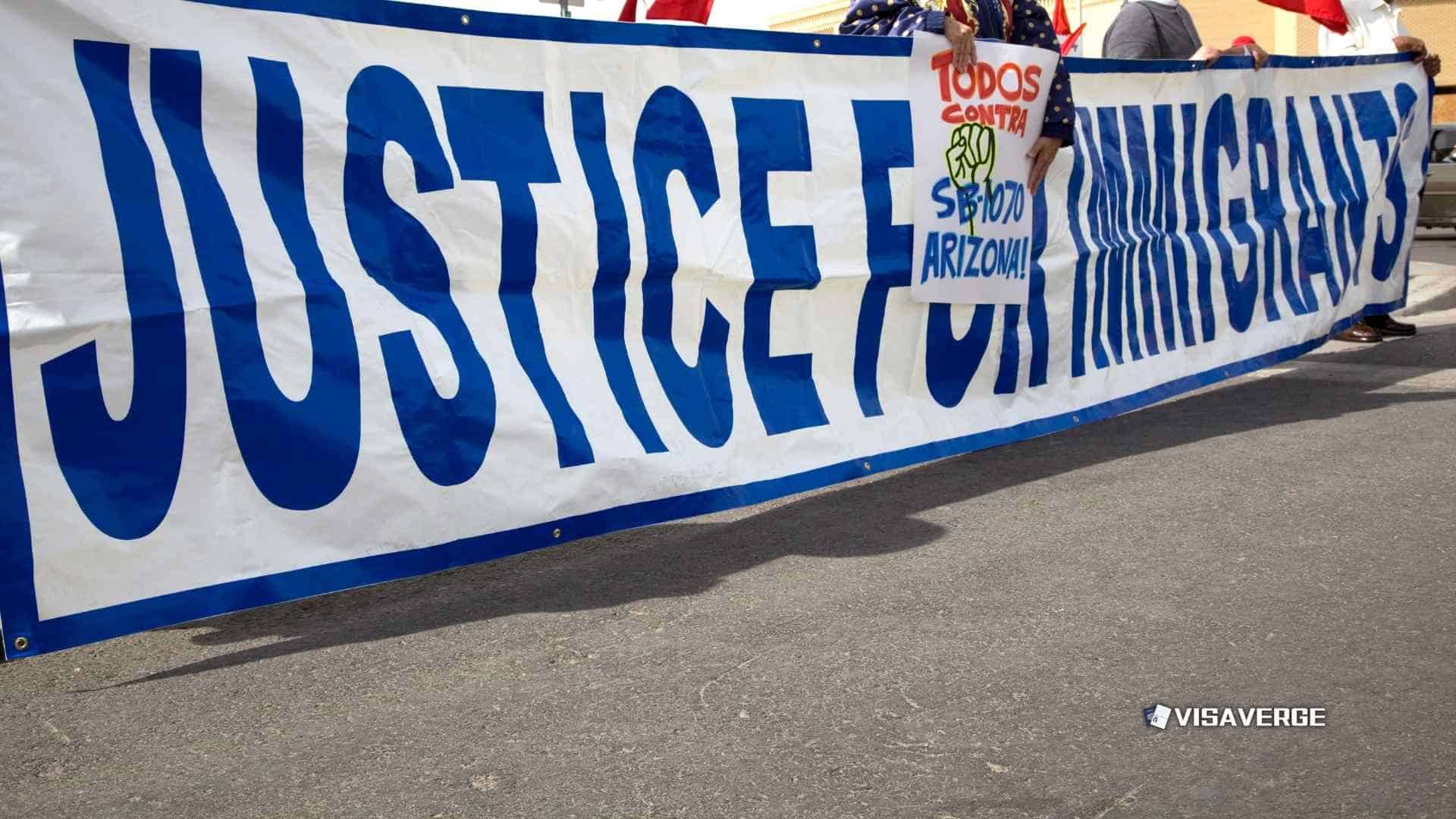
Across Charlotte, immigrant rights groups organized emergency meetings and street protests after the first reports of arrests. Demonstrators gathered outside the federal courthouse and along busy East Charlotte corridors, chanting “ICE out of Charlotte” and carrying signs reading “Stop the raids” and “We are not criminals.”
Several advocacy organizations accused federal agents of racial profiling and of stopping people in heavily policed, mostly Latino and Black neighborhoods without clear cause. Federal officials have denied those allegations.
According to analysis by VisaVerge.com, similar enforcement sweeps in other cities have often led to the arrest of bystanders who were not originally targeted but lacked legal status when questioned.
Mecklenburg County Commission Chair Mark Jerrell said his office had been flooded with calls from worried parents asking whether it was safe to send their children to school or seek medical care. Community groups reported people:
– skipping work,
– canceling clinic appointments,
– staying off the streets out of fear of being swept up in the next raid.
“When entire neighborhoods are scared to call 911 or talk to officers, that doesn’t make anyone safer,” Jerrell said, stressing that trust between residents and local police is a key part of solving serious crime.
Supporters’ perspective
Supporters of the federal action argue the immigration crackdown is overdue. Conservative lawmakers and some sheriffs in North Carolina say cities like Charlotte have sent mixed messages by limiting cooperation with federal immigration enforcement. They assert that such stances allow dangerous offenders to slip through the cracks.
Their main points:
– Past cases involved people released from local jails who later faced serious charges.
– They claim the federal government has a duty to act when local leaders will not cooperate.
– The debate, for now, centers less on who was arrested and more on how the operation was carried out and communicated.
Community response and support efforts
In Latino churches, African community centers, and small businesses across east and southwest Charlotte, volunteers spent the days after the raids:
– handing out “know your rights” cards,
– helping families prepare emergency plans in case a parent is detained.
Local lawyers said they were trying to track clients who had suddenly stopped answering phones, unsure whether they had been picked up in the Charlotte operation or were hiding at home. Some school principals quietly reassured parents that classrooms remained open to all children, regardless of immigration status, and that school buildings are not supposed to be used as routine enforcement sites.
National context and ongoing uncertainty
Nationally, the operation has become a flashpoint in the fight over immigration policy under President Trump, who has promised removals of immigrants and pressured “sanctuary” jurisdictions that limit cooperation with federal agents. Civil rights groups say the Charlotte arrests show how confusing such efforts can be, with families left guessing about loved ones’ fates and officials searching for answers.
As of November 17, DHS said the “Charlotte’s Web” enforcement push remained ongoing, meaning more arrests could follow. For immigrant families in North Carolina, that has translated into days and nights marked by:
– suitcases by the door,
– constant worry that a knock could change their lives in an instant.
This Article in a Nutshell
Between November 15 and 17, 2025, DHS conducted “Charlotte’s Web,” an enforcement operation in Charlotte that led to more than 130 arrests. Officials said the sweep focused on individuals with criminal or prior immigration records but provided few specifics. State and city leaders criticized the tactics for being aggressive and poorly coordinated, warning the raids erode trust and deter crime reporting. Community groups organized protests, legal support, and outreach as families sought detained relatives and officials called for greater transparency.