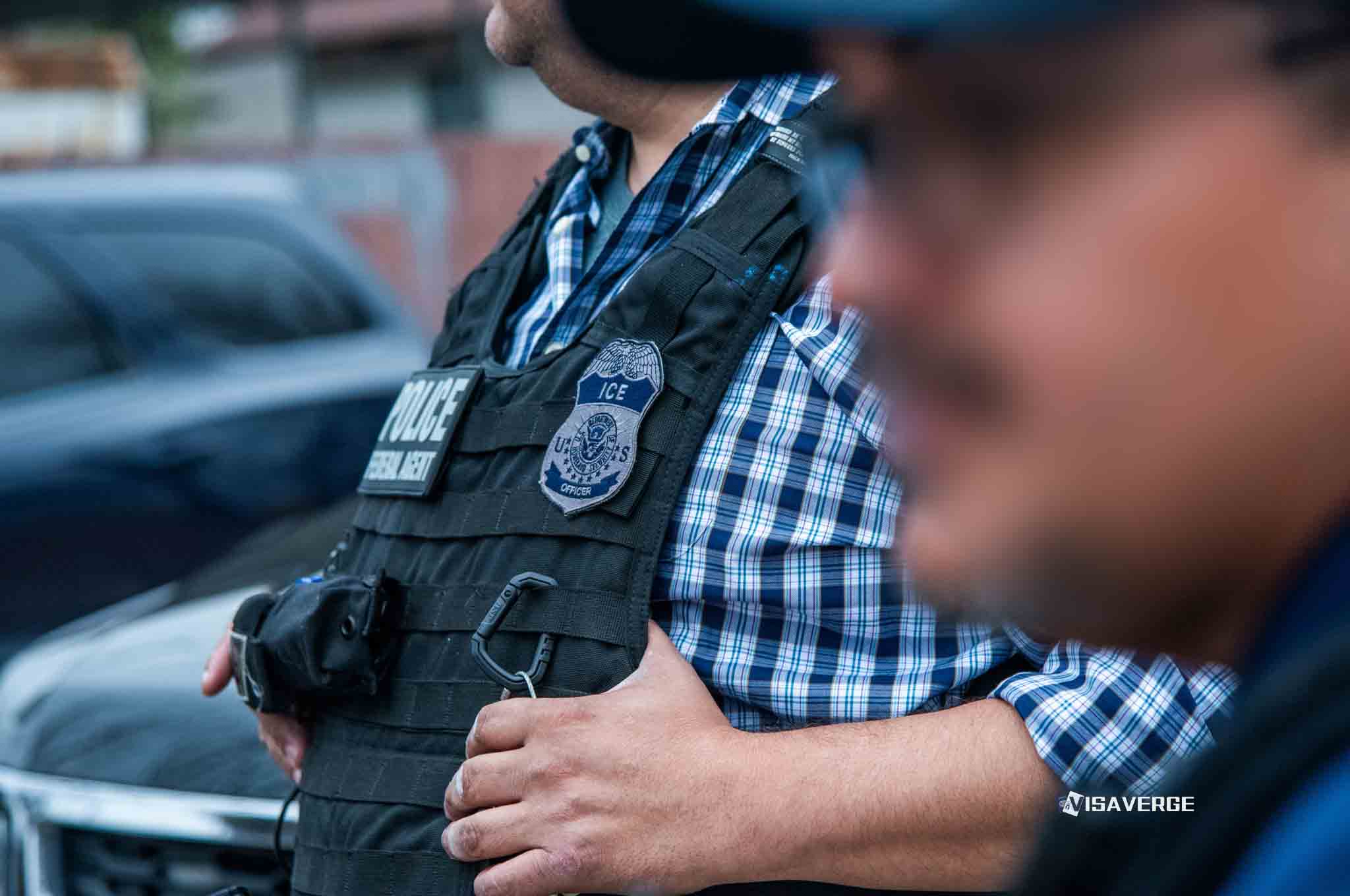
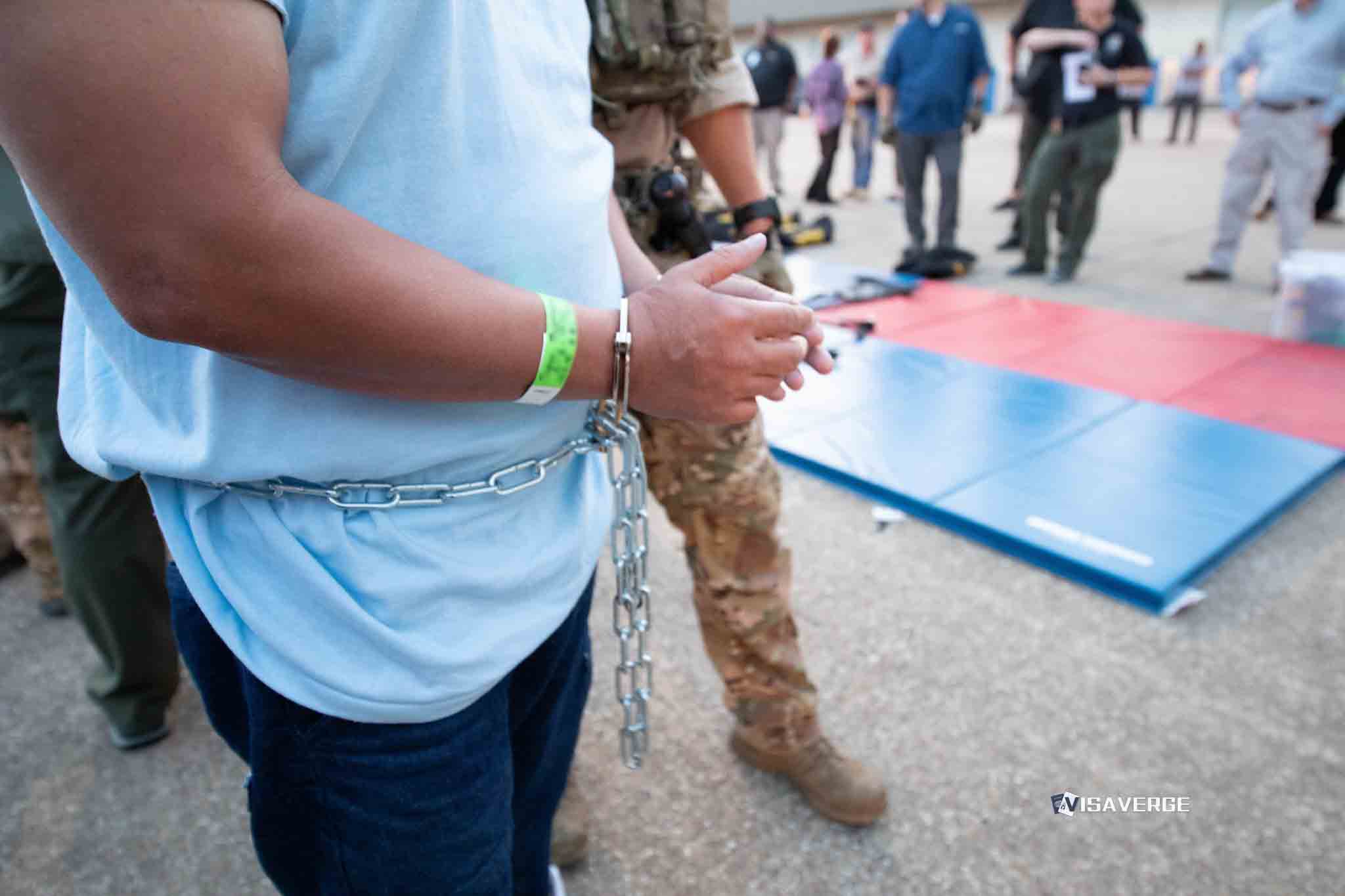
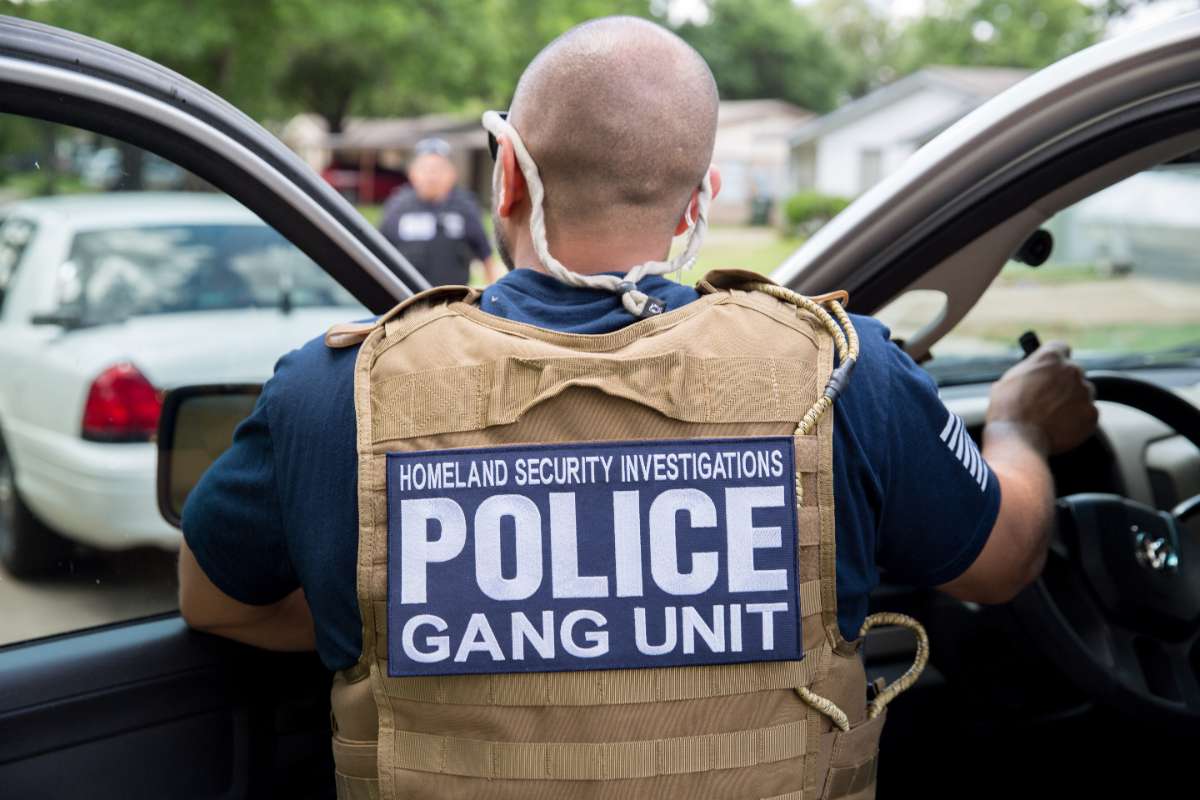
(CHARLOTTE, NORTH CAROLINA) Federal immigration agents have ended Operation Charlotte’s Web in Charlotte, North Carolina, a rapid crackdown that led to the arrest of more than 250 people in less than a week and sent shock waves through immigrant communities across the city, local officials said Thursday, November 20, 2025.
What happened and how it ended
The operation, run by U.S. Customs and Border Protection (CBP) as part of a broader Trump administration push against cities with so‑called sanctuary policies, began the previous weekend and ended quietly, Mecklenburg County Sheriff Garry McFadden confirmed.

By Tuesday night, Homeland Security officials had taken more than 250 people into custody in Charlotte and nearby areas for suspected immigration violations. Federal authorities released only limited details about who was arrested, what charges they faced, or how long they might remain in federal detention.
Free toolUSCIS Receipt Number DecoderSheriff McFadden said CBP’s role in Operation Charlotte’s Web has now ended, but he stressed that Immigration and Customs Enforcement (ICE) will continue working in Mecklenburg County as it does elsewhere. He reiterated that his deputies will not carry out street immigration raids or question people about their status.
However, under North Carolina’s House Bill 318, the county jail must hold certain detainees for up to 48 hours so ICE can pick them up. That law continues to put the sheriff’s office in the middle of national fights over immigration enforcement.
Immediate impact on the community
For many families in Charlotte, the end of the operation brought relief but not peace of mind.
- Parents kept children home from school for days after arrests spread on social media and through church groups.
- Small businesses serving Latino and African communities closed or reduced hours, especially early mornings when agents were believed to be most active.
- Many workers lost pay and customers lost access to basic services during the disruption.
Community groups described a chilling effect that extended beyond people without legal status. Some U.S. citizens in mixed‑status families avoided driving or going to public places for fear a traffic stop could lead to questioning of a relative or friend.
Local schools reported sharp drops in attendance on the first two days of Operation Charlotte’s Web, raising concerns that children were missing class because parents feared encountering checkpoints or enforcement activity that — in many cases — never materialized on the scale residents imagined.
Broader patterns and criticisms
Civil rights advocates accused the Trump administration of using such enforcement drives to sow fear for political purposes, noting similar actions recently took place in Chicago, Los Angeles and Portland.
- Analysts, including work cited from VisaVerge.com, say these large‑scale actions often produce far fewer arrests than the government’s public warnings suggest.
- Nevertheless, they leave long‑term scars on neighborhoods where people begin to avoid:
- hospitals,
- schools,
- crime‑reporting hotlines,
because they fear any contact with authorities could expose a loved one to deportation.
What federal officials have said
Federal officials have provided few public details about who was targeted in Charlotte or how many of those detained had prior criminal records. A brief statement from the Department of Homeland Security (DHS) described the operation’s goal as enforcing existing immigration laws and arresting people who had ignored previous removal orders. The DHS statement did not list names, nationalities, or locations of arrest.
The agency directed people seeking general information about enforcement and detention to its main website at U.S. Immigration and Customs Enforcement, which provides background on federal authority and outlines how officers carry out arrests across the country.
What’s next: operations elsewhere
While Charlotte absorbs the impact of the arrests, DHS attention has already shifted to the Gulf Coast. Officials are preparing a new effort in New Orleans called “Operation Swamp Sweep”, expected to start in early December and to involve as many as 250 federal troops alongside immigration officers.
This move signals the Trump administration plans to keep pressing its hard‑line approach, shifting resources from city to city and forcing local leaders to respond quickly whenever enforcement surges into a new region.
Local government and community responses
Local officials in Charlotte now face questions about how to rebuild trust with residents who felt targeted during the sweeps.
- Some city council members have called for better communication between federal and local agencies so schools, hospitals and social‑service providers can prepare when enforcement spikes are expected.
- Others argue that any cooperation beyond what state law demands would undermine the city’s promise to be welcoming to immigrants, including those who lack legal status but have lived, studied and worked in the area for many years.
Advocates say Operation Charlotte’s Web demonstrates how quickly federal enforcement can reshape daily life even when it lasts less than a week.
Legal help, unanswered questions, and ongoing fears
Lawyers who rushed to respond reported that hotlines were flooded with calls from people asking:
- What rights they have if agents arrive at their door or workplace.
- Whether it is safe to travel within the county.
- How to find accurate information about detainees.
Many questions remain unanswered because there is no clear public data about who was detained and why. Families are left to rely on rumors and isolated stories instead of official information.
The lasting effect: even after federal vehicles leave, many residents expect agents to return. That uncertainty — not just the arrests themselves — may be the deepest mark left on neighborhoods, shaping choices about work, school, worship and everyday errands.
Economic and social consequences
Residents not directly affected by arrests are debating what the crackdown means for Charlotte as a fast‑growing Southern city that depends on immigrant labor in:
- construction,
- food service,
- health care.
Concerns include:
- Business owners worry actions like this make it harder to recruit and retain long‑term staff.
- Faith leaders say they are bracing for more families seeking emergency help if a breadwinner is taken away with little warning.
As memories of the raids slowly fade, many people in Charlotte say they expect federal agents to return at some point. For many, that fear lingers long after Operation Charlotte’s Web has ended, continuing to influence daily life across the city.
Operation Charlotte’s Web ended after federal agents arrested more than 250 people in under a week in Charlotte. CBP said its role concluded, but ICE will continue enforcement as county jails hold certain detainees up to 48 hours under North Carolina law. The operation caused school absences, business disruptions and community fear. Federal officials released few details about the arrests. Authorities plan similar operations elsewhere, including a December effort in New Orleans involving federal troops.