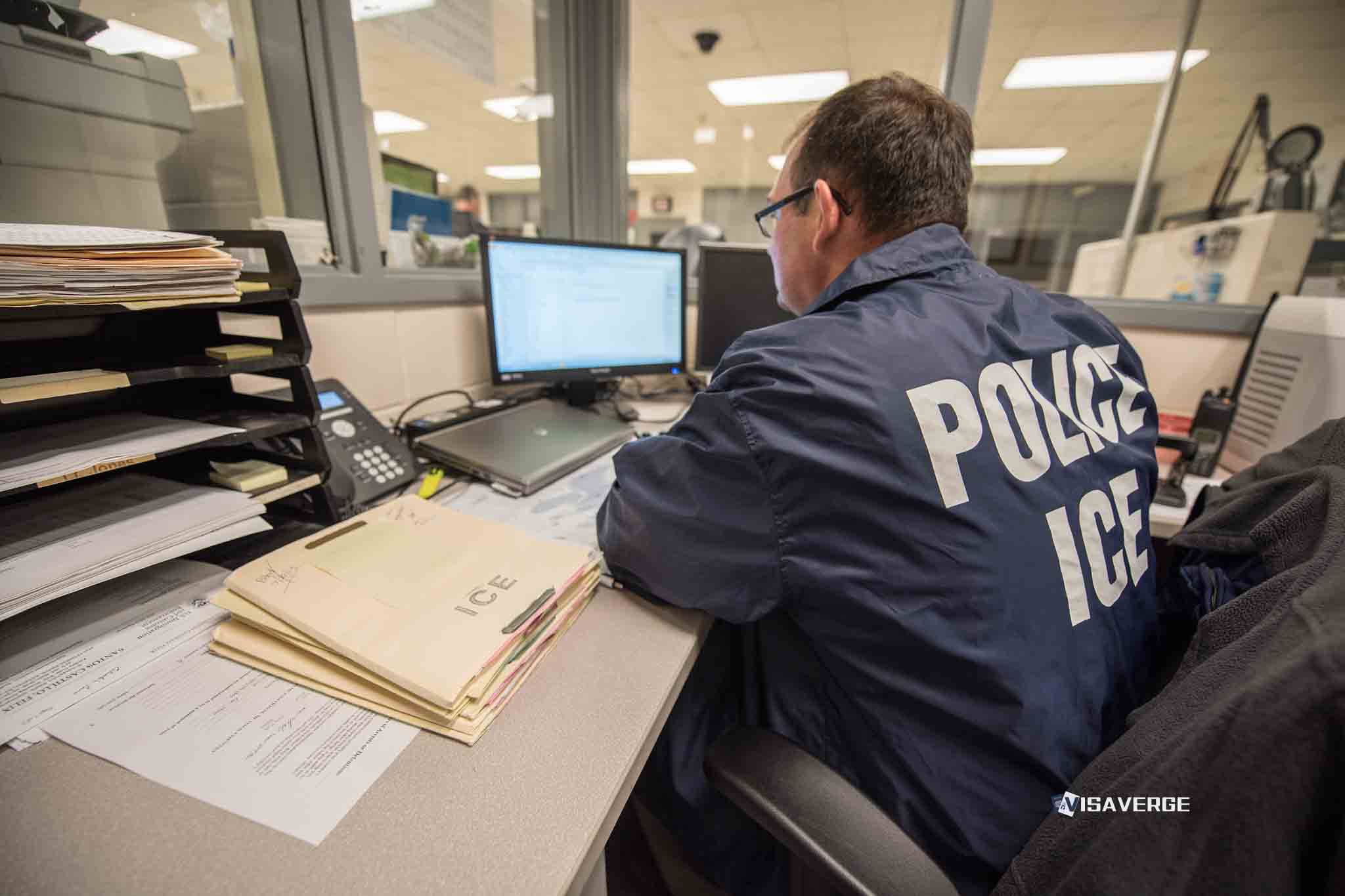
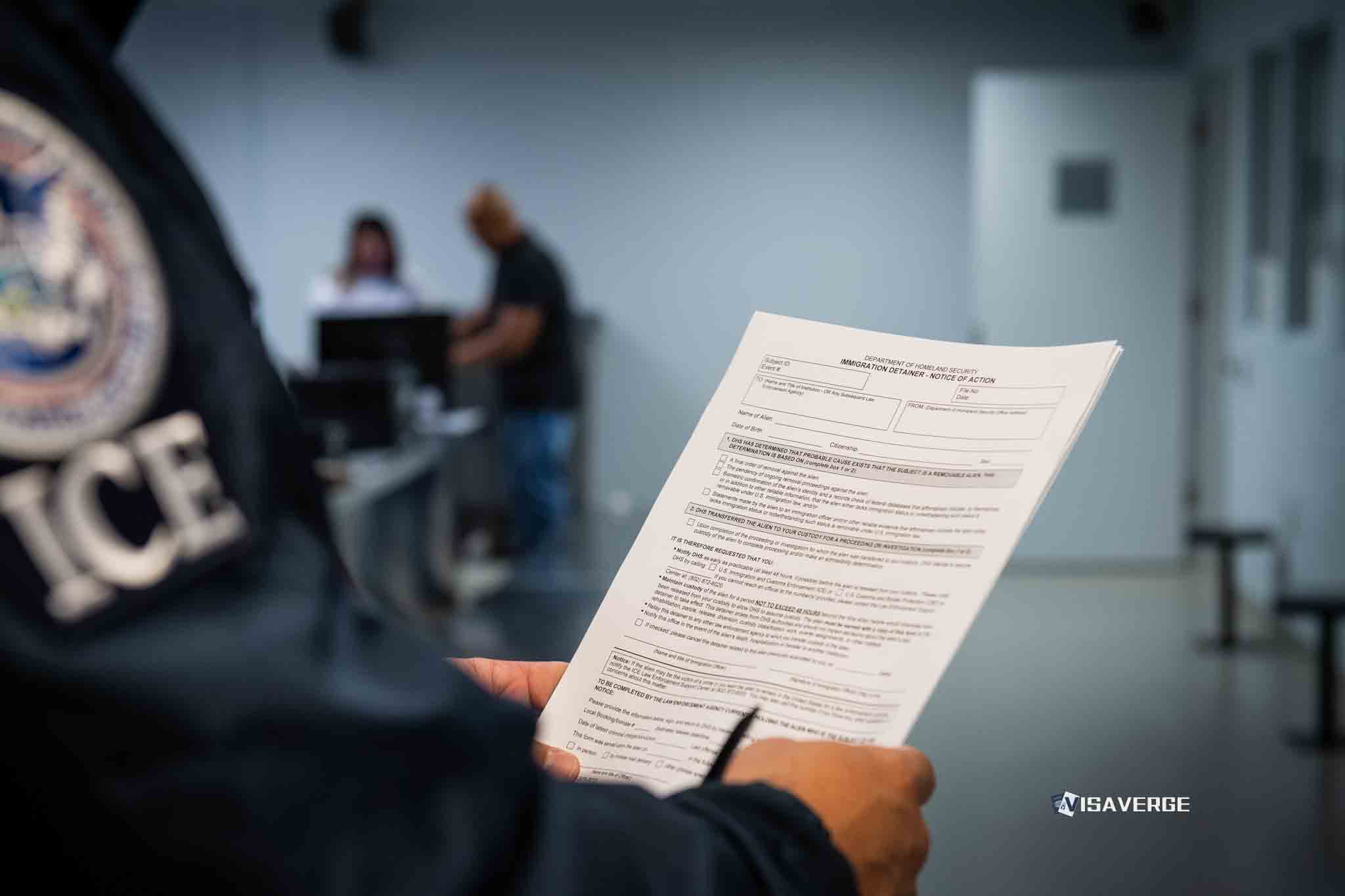
- New Jersey increased funding to $20.2 million for the Detention Deportation Defense Initiative to expand legal access.
- A new Rapid Legal Response Initiative will support emergency litigation and federal habeas corpus petitions.
- The program provides free legal representation for low-income residents facing detention and removal proceedings in 2026.
(NEW JERSEY) – Access to deportation defense counsel is expanding in New Jersey after the state approved a $12 million increase for the Detention Deportation Defense Initiative, or DDDI, raising total program funding to $20.2 million and adding a new emergency litigation track through the Rapid Legal Response Initiative.
The practical defense strategy is straightforward: secure counsel early, build the record fast, and identify every available form of relief before the first missed deadline in immigration court. In removal proceedings under INA § 240, representation often shapes whether a detained person applies for asylum under INA § 208, withholding of removal under INA § 241(b)(3), protection under the Convention Against Torture at 8 C.F.R. §§ 1208.16-1208.18, cancellation of removal under INA § 240A, bond-related arguments where permitted, or emergency federal court relief in detention cases.

New Jersey said the expanded funding will provide free representation to low-income state residents facing detention and deportation, including people held at Delaney Hall. The program is administered by the New Jersey Office of New Americans and Legal Services of New Jersey, with Seton Hall Law School’s Center for Social Justice serving as a sub-grantee.
The new Rapid Legal Response Initiative adds a different layer of defense. State officials said it will support emergency immigration legal services, including habeas corpus petitions and other federal litigation, while recruiting and training volunteer lawyers and coordinating urgent responses across the state. In detention cases, habeas petitions generally challenge the legality or duration of custody in federal court. They do not replace applications for relief from removal, but they may become central when detention conditions, procedural delays, or custody authority are in dispute.
Eligibility for the state-funded representation described by New Jersey is narrower than the broad pool of people in removal proceedings nationwide. The stated target population is low-income New Jersey residents facing detention and deportation. That means residency and financial need are part of the intake picture, and detention status may affect urgency and placement. Unaccompanied children have a separate referral pathway, which matters because children often have distinct screening, service, and procedural issues.
None of that changes the underlying immigration law. To win relief, a respondent still must satisfy the statutory elements of the form of relief sought. Asylum requires a qualifying fear or past persecution tied to race, religion, nationality, political opinion, or membership in a particular social group. Cancellation requires a separate showing that depends on the category involved. Some forms of relief allow discretion; others impose mandatory bars. State-funded counsel can improve access to the process, but it does not lower the legal standard.
Warning: Immigration court deadlines are rigid. A missed filing date for evidence, a witness list, or a relief application can damage a case quickly. Detained cases move faster than non-detained dockets in many courts.
The evidence needed in a deportation defense case usually falls into several categories. Identity and immigration history come first: passports, birth records, entry records, prior applications, notices to appear, custody records, and any previous removal orders. Relief-specific evidence follows. Asylum and withholding cases typically require declarations, country conditions reports, police or medical records where available, and corroborating statements. Cancellation cases often depend on tax records, school files, medical documentation, proof of continuous presence, and family relationship evidence. Detained respondents also need custody documents, bond paperwork, and records showing any medical or mental health concerns that affect detention or competency.
Healthcare records can be especially important. In detention, documented medical conditions may support requests for medical accommodations, continuances, competency review, or emergency federal litigation where detention conditions are alleged to be unlawful. Competency issues in immigration court are governed in part by Matter of M-A-M-, 25 I&N Dec. 474 (BIA 2011), which set standards for assessing whether safeguards are needed when a respondent may not understand the proceedings. Medical evidence does not create relief by itself, but it may strengthen the record in detention and due process disputes.
Several factors usually strengthen a case. Early attorney involvement is one. Consistent declarations and supporting documents are another. Proof of long residence, close family ties, rehabilitation after criminal issues, and detailed medical or hardship records can matter, depending on the relief sought. Cases weaken when records conflict, filing deadlines pass, criminal history triggers bars, or a respondent applies for relief without documentary support that should be reasonably available. In detained cases, delay in collecting records from family members or hospitals can become a serious problem within days.
Disqualifying factors vary by relief type and sometimes by circuit. An aggravated felony may bar asylum and can trigger other serious consequences. Certain crimes, prior removal orders, firm resettlement, persecutor bars, and statutory time limits may also block relief. Cancellation of removal has strict eligibility rules, including stop-time issues under INA § 240A(d). People with reinstated removal orders face a different procedural posture and often cannot pursue the same applications available in standard INA § 240 proceedings. Attorney review is critical because the wrong filing can waste limited time in detention.
Deadline: New Jersey said volunteer attorney training is expected to begin before the end of June 2026. Licensed attorneys in good standing may volunteer for the rapid-response effort.
Outcome expectations should stay realistic. New Jersey announced funding and program expansion, not a guarantee of release or case success. No official statewide result forecast tied to the new funding has been announced. Removal defense remains highly fact-specific, and success rates vary by court, judge, detention status, relief type, criminal record, and the quality of the evidentiary record. What this expansion changes immediately is access to counsel, intake capacity, and emergency litigation support.
People seeking help should move quickly. ICE detainees who need legal support may use the DDDI referral form identified by the state program. Cases involving unaccompanied children should be referred through the dedicated pathway, including the phone line at 201-305-9217 or the online referral form described by the program. The state said DDDI is administered by the Office of New Americans and Legal Services of New Jersey, with Seton Hall’s Center for Social Justice handling sub-grantee work. Those details matter because detained families often lose time contacting the wrong office.
Attorney representation is not a luxury in this setting. It is often the difference between a complete record and a failed claim. A lawyer may identify relief a detainee did not know existed, challenge defective charging documents, preserve appeal issues for the Board of Immigration Appeals, and decide whether federal habeas litigation belongs alongside the removal defense. In many detained cases, the first week shapes the rest of the proceeding.
Official information is available through [EOIR](https://www.justice.gov/eoir) and [USCIS](https://www.uscis.gov). People in custody, people with prior removal orders, and anyone with criminal history or serious medical issues should seek qualified counsel immediately because those cases often involve overlapping rules and short timelines.
⚖️ Legal Disclaimer: This article provides general information about immigration law and is not legal advice. Immigration cases are highly fact-specific, and laws vary by jurisdiction. Consult a qualified immigration attorney for advice about your specific situation.
Resources:
[AILA Lawyer Referral](https://www.aila.org/find-a-lawyer)
Immigration Advocates Network