- Former Air Canada captain operated 900 flights over 17 years without the required airline transport pilot licence.
- Authorities launched Project Icarus after discovering licensing anomalies during a Transport Canada certification review in 2025.
- Geoffrey Wall faces fraud and public mischief charges for allegedly misrepresenting his qualifications as an airline captain.
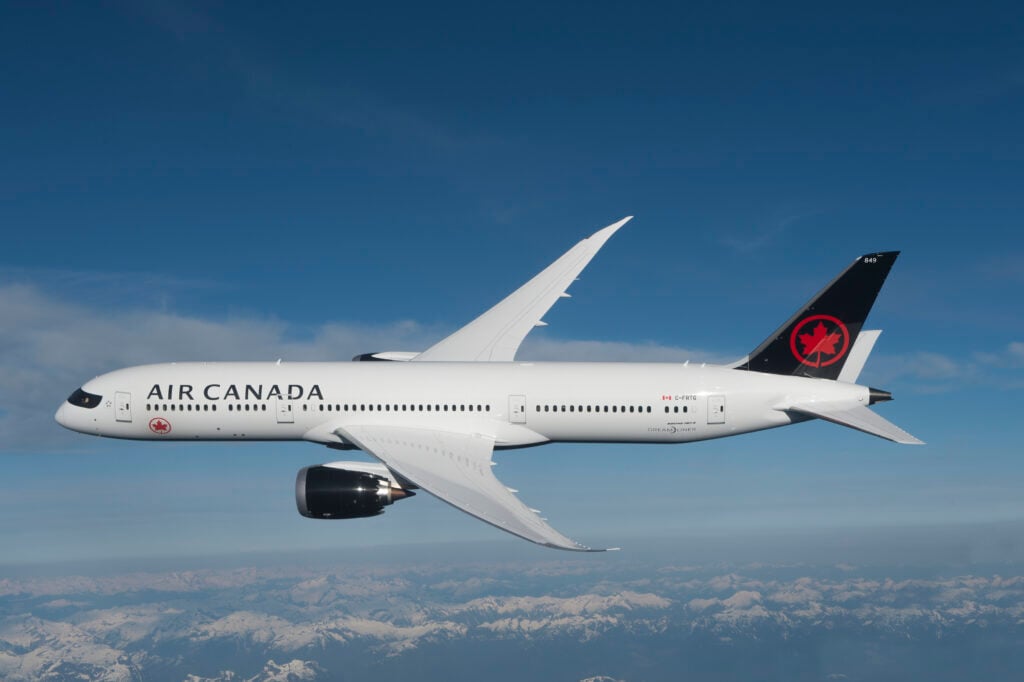
(CANADA) – Geoffrey Wall, a former Air Canada captain, faces charges after authorities say he operated as a pilot for 17 years without the airline transport pilot licence, or ATPL, required for captains of large commercial aircraft in Canada.
Police allege Wall flew more than 900 flights between 2009 and 2025 while presenting documents that misrepresented his qualifications. The reported charges are fraud and public mischief.
Air Canada said Wall held a valid commercial pilot licence and passed recurrent training during his time at the airline. The carrier also said he did not hold the ATPL needed to serve as captain, removed him from duty, and reported the matter to Transport Canada.
Investigators said the case emerged from Project Icarus, an inquiry launched after a Transport Canada certification review found anomalies. Police allege the review exposed licensing records that did not match the authority Wall claimed to hold.
Wall was released pending a court appearance in Canada later in the month. Authorities have not publicly set out a trial timetable, and the allegations have not been tested in court.
Air Canada’s statement adds a second layer to the case. The airline said Wall met recurrent training requirements and held a commercial pilot licence, a credential that permits flying in many professional settings, but not command of large airline operations as captain without the separate ATPL.
That distinction sits at the center of the allegations. In Canada, captains flying airline transport operations typically must hold an ATPL, the top tier of pilot licensing, which carries stricter experience, knowledge, and qualification standards than a commercial pilot licence.
Transport Canada’s review now carries consequences beyond one criminal case. The investigation may prompt closer checks on how licence records are verified, how airlines audit captain qualifications, and how regulators flag discrepancies before a pilot reaches the flight deck.
| Date/Year | Event | Entity/Source |
|---|---|---|
| 2009 | Start of the period during which authorities say Geoffrey Wall operated flights without the required ATPL. | Police allegations in Canada |
| 2009 to 2025 | Authorities allege Wall flew more than 900 flights during the period in question. | Police allegations in Canada |
| 2025 | Transport Canada certification review finds anomalies and helps trigger Project Icarus. | Transport Canada / Project Icarus |
| After the review | Air Canada says it removed Wall from duty and reported the matter to authorities. | Air Canada |
| June 2026 | Wall faces charges of fraud and public mischief and is released pending a court appearance later in the month. | Police and court process in Canada |
What captains in Canada are generally required to hold
Canadian airline captains typically need an ATPL, not only a commercial pilot licence. The licence standard is tied to experience thresholds, testing, and operational authority. This case may lead regulators and airlines to review how captain qualifications are checked, how records are shared, and whether recurring internal audits should go beyond training status to confirm licence class.
Police described the alleged scheme in unusually stark terms, with investigators quoted in Canadian reports likening it to a movie script. The criminal file, though, rests on a plain claim: that Wall used fraudulent licensing documents and continued flying in a role that required credentials he did not have.
Air Canada’s account does not suggest a breakdown in simulator checks or recurrent operational training. Instead, it points to a gap between training compliance and licence status, a distinction that matters in airline regulation because qualification is not measured by proficiency checks alone.
Large carriers typically track multiple layers of pilot compliance, including medical certificates, type ratings, recurrent training, and licence privileges. A case built around alleged false documents may force renewed attention to whether airlines should verify regulator records directly, and how often that should happen, rather than rely on documents already in a pilot’s file.
Transport Canada also faces pressure to show how the certification review identified the problem and whether similar audits are under way elsewhere. Regulators may examine whether existing reporting systems catch anomalies early enough, especially where a pilot appears current in training but may not hold the licence required for the seat occupied.
The legal case will turn on the evidence behind the fraud and public mischief allegations. Public mischief in Canada generally involves conduct that sends authorities in the wrong direction or causes a false investigative premise, while fraud centers on alleged deception tied to gain, loss, or risk. Any legal assessment should come from a qualified lawyer familiar with Canadian criminal and aviation law.
No public record in the case, at least so far, suggests a broader safety event tied to any specific Wall flight. That has not reduced the seriousness of the allegations. A captain’s licence status is a baseline regulatory requirement, and any gap at that level reaches beyond one employee file.
Wall’s case may become a test of how Canadian authorities balance criminal enforcement with regulatory review. If prosecutors proceed and Transport Canada expands its examination, airlines may face tougher expectations on documentary checks, direct licence validation, and internal reporting when records do not line up.
Passengers are unlikely to see an immediate rule change while the court process begins, but airlines and regulators in Canada may not wait for a verdict before tightening review procedures. Wall is due back in court later in June, and that appearance may offer the first public look at how authorities intend to prove a 17-year licensing deception tied to more than 900 flights.
This article reports allegations and procedural facts, not findings of guilt. Legal outcomes and regulatory action may change as the case proceeds, and readers with specific legal concerns should consult a qualified professional in Canada.