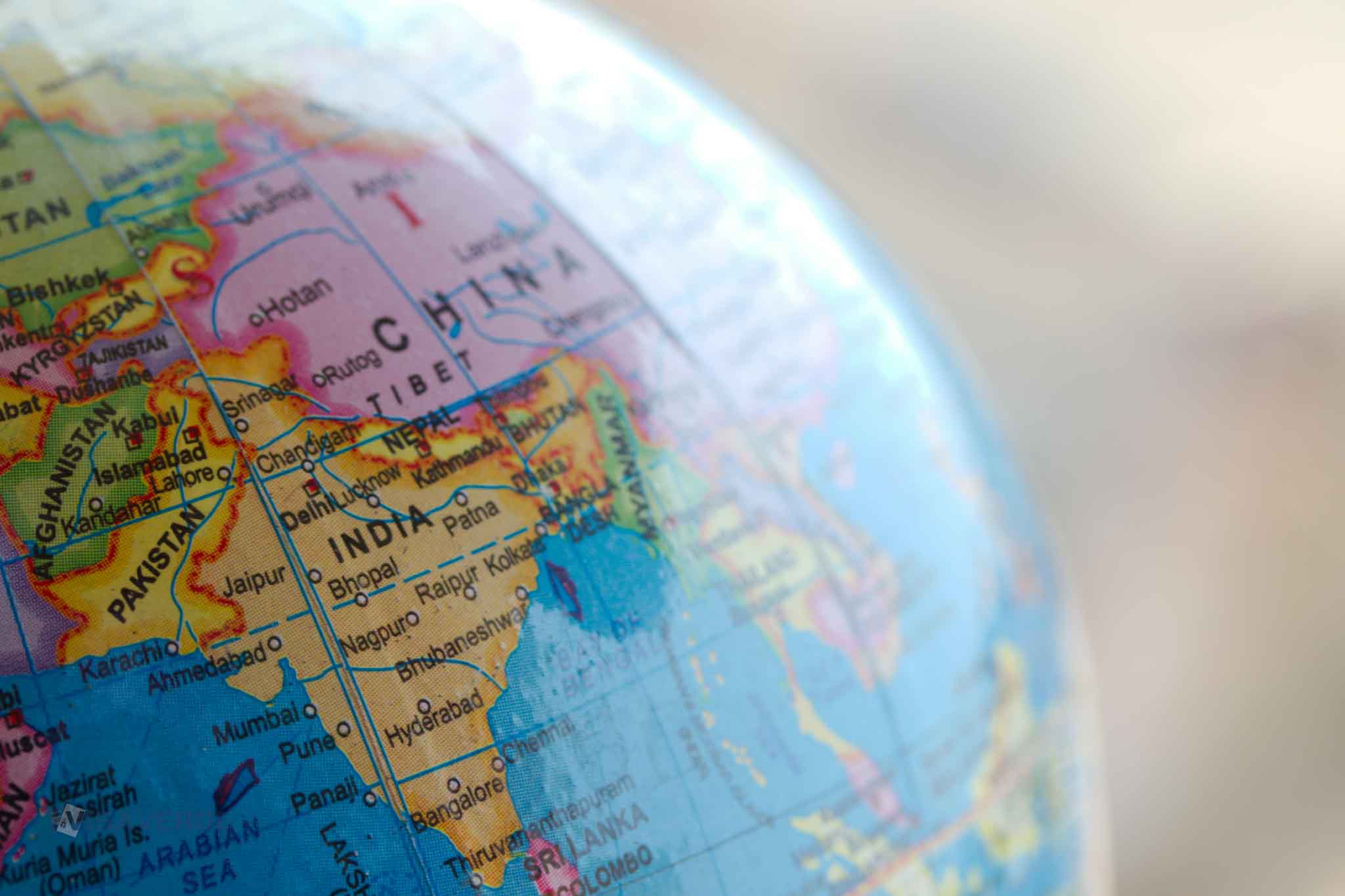
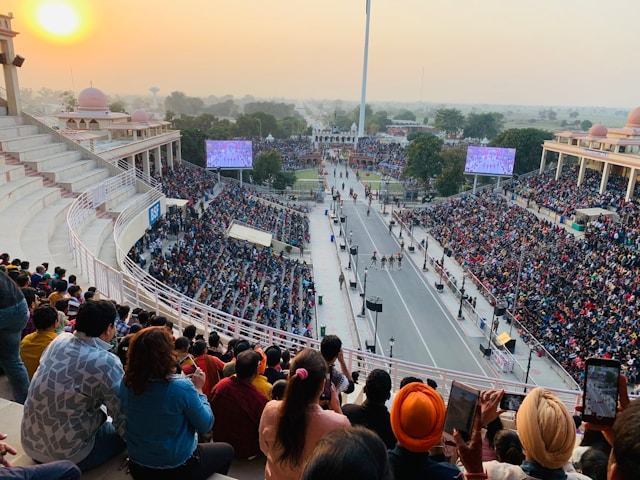
- At least 150 Pakistani brides and relatives reached India by air after border closures and stricter visa rules.
- Travel shifted through Dubai, Oman, Sri Lanka, Bangladesh, and other hubs after the Wagah-Attari route closed.
- Jhambia said nearly 300 more women were still waiting in Pakistan for visas to marry in India.
At least 150 Pakistani brides and their family members reached India by air for weddings after the land border closed and visa rules tightened following the military operation. Most came from Sindh province, traveling through third countries to marry men in Nagpur, Raipur, Jodhpur, Pune, Ahmedabad, Bhopal and other Indian cities.
The arrivals began in April 2026, according to Rajesh Jhambia, a Nagpur community leader who works with Sindhi migrants from Pakistan. The families could not use the usual crossing and instead made longer journeys through overseas transit points.
Free toolCSPA Age-Out Calculator Online
The weddings went ahead. Some involved couples from Nagpur, where Jhambia said 15 cases were recorded.
Jhambia described the change in travel access after Operation Sindoor in stark terms. He said authorities rejected visas for people planning to enter through the Attari crossing, forcing wedding parties to seek another way into India.
“Everything changed after Operation Sindoor, as the government rejected visas to all those who were planning to visit the country via the Attari route,” Jhambia said. “There were about 150 brides who were to be married in Nagpur, Raipur, Jodhpur, Pune and other cities in India.”
The route change followed the visa freeze and the closure of the Wagah-Attari route, which had long served families traveling between the two countries for weddings and other family events.
Special permission opened the air route but kept travel conditional
The Ministry of Home Affairs granted special permission for the visitors to enter India, but imposed one condition: They had to travel by air.
That requirement turned a direct land journey into a multi-country trip. About 450 relatives traveled with the brides and grooms between April and June under the relaxed arrangements. They also had to leave India within the period allowed by their visas.
The permission helped couples proceed with ceremonies already affected by the travel restrictions. It did not restore the earlier land-based pattern of movement.
Families replaced one closed crossing with several overseas connections
The reported air journeys used transit points in the Gulf and South Asia. The named locations included the following:
| Transit point or country | Role in the reported journeys |
|---|---|
| Muscat | Air transit point used by families traveling to India |
| Oman | Country used as an alternate passage |
| Dubai | Air transit point used by wedding parties |
| Qatar | Another named transit point |
| Colombo | Air transit point in Sri Lanka |
| Sri Lanka | Third-country route used after the land crossing closed |
| Dhaka | Air transit point in Bangladesh |
| Bangladesh | Third-country route used by families |
The journeys were longer than the route families had used before. They also required relatives to coordinate separate travel plans around visa validity and wedding dates.
The restrictions disrupted a long-used family route
Sindhi families from Pakistan had used the land crossing for years to attend weddings and settle brides in India. The clampdown broke that pattern and delayed ceremonies involving Pakistani women engaged to Indian men.
The military operation began in May 2025 after the April 22, 2025 Pahalgam terror attack, in which 26 people were killed. Travel restrictions that followed delayed weddings involving an estimated 150 Pakistani women.
The later air permissions allowed some of those marriages to move forward. Families still faced limits on who could attend and how long guests could remain in India.
The brides were mainly from Sindh province. Their weddings took place or were planned in cities across India, including Nagpur, Raipur, Jodhpur, Pune, Ahmedabad and Bhopal.
Nagpur recorded 15 cases as more families waited across the border
Jhambia said the first group of 150 brides and their families had reached India through Dubai, Oman, Sri Lanka, Bangladesh and other countries since April. Fifteen of the reported cases involved Nagpur.
“Since April this year, 150 brides and their families from Pakistan have travelled to India via Dubai, Oman, Sri Lanka, Bangladesh and other countries for the weddings. These include 15 cases from Nagpur,” Jhambia said.
He added that “nearly 300 more such women” remained in Pakistan waiting for visas. Their intended marriages were part of the same cross-border family network disrupted by the restrictions.
The weddings proceeded quietly under limited family attendance
The ceremonies were held on a low-profile basis because visa constraints reduced the number of relatives who could attend. Guests also had to return before their permitted stay ended.
That limited attendance changed the character of the weddings. Families that previously relied on a direct crossing had to arrange air travel, manage third-country transits and keep ceremonies within the conditions attached to special entry permission.
The weddings involved cities including Ahmedabad and Bhopal, as well as Nagpur, Raipur, Jodhpur and Pune. The arrangements covered both the brides and accompanying relatives traveling with the couples.
About 300 women were still waiting for a way to marry in India
The air route resolved travel problems for at least 150 brides, but the backlog remained. Jhambia put the number of Pakistani women still waiting for visas at about 300.
Their cases leave future wedding plans tied to the same permission system that required earlier families to fly through countries including Oman, the United Arab Emirates, Sri Lanka and Bangladesh.