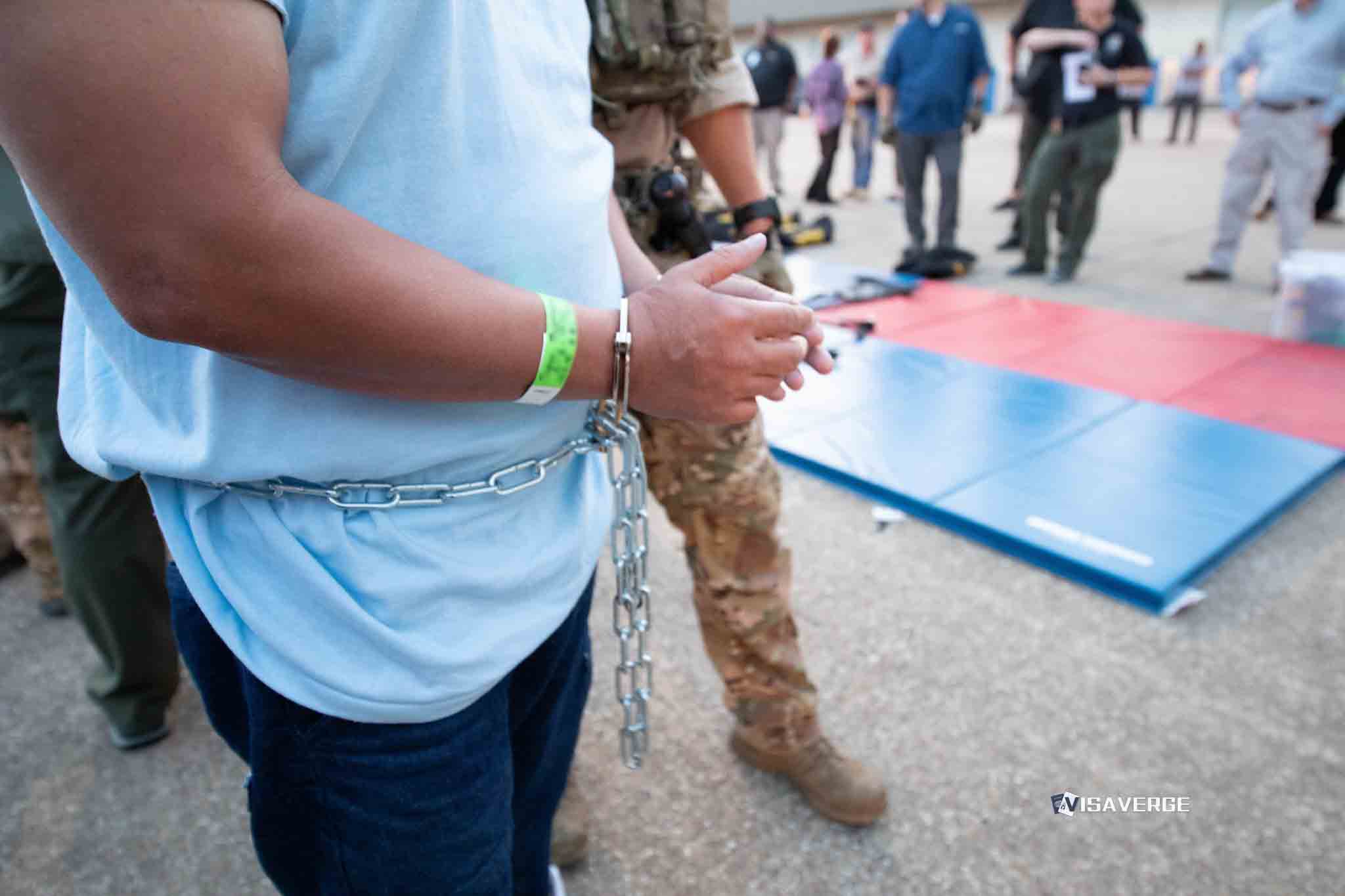
- Executive orders have expanded mass deportations and removed legal protections for over 1.5 million people.
- New travel bans now restrict entry from 39 countries and pause immigrant visas for 75 nations.
- Employers face a $100,000 H-1B fee and mandatory social media vetting for various visa applicants.
(UNITED STATES) President Trump’s second-term immigration agenda is reshaping the system through mass deportations, wider travel bans, and tighter screening rules, while the Department of Homeland Security faces a deep funding crisis and mounting court fights. For immigrants, employers, and local governments, 2026 has become a year of sharper enforcement and faster change.
By April 2026, the administration had moved from campaign-style rhetoric to broad federal action. Executive Order 14159 directs agencies to prioritize removals of “high-risk” people, expand expedited deportations, and limit asylum access. It also cuts support for sanctuary jurisdictions and strengthens ICE’s 287(g) program, which lets local police perform immigration checks. The result is a system that reaches far beyond the border.
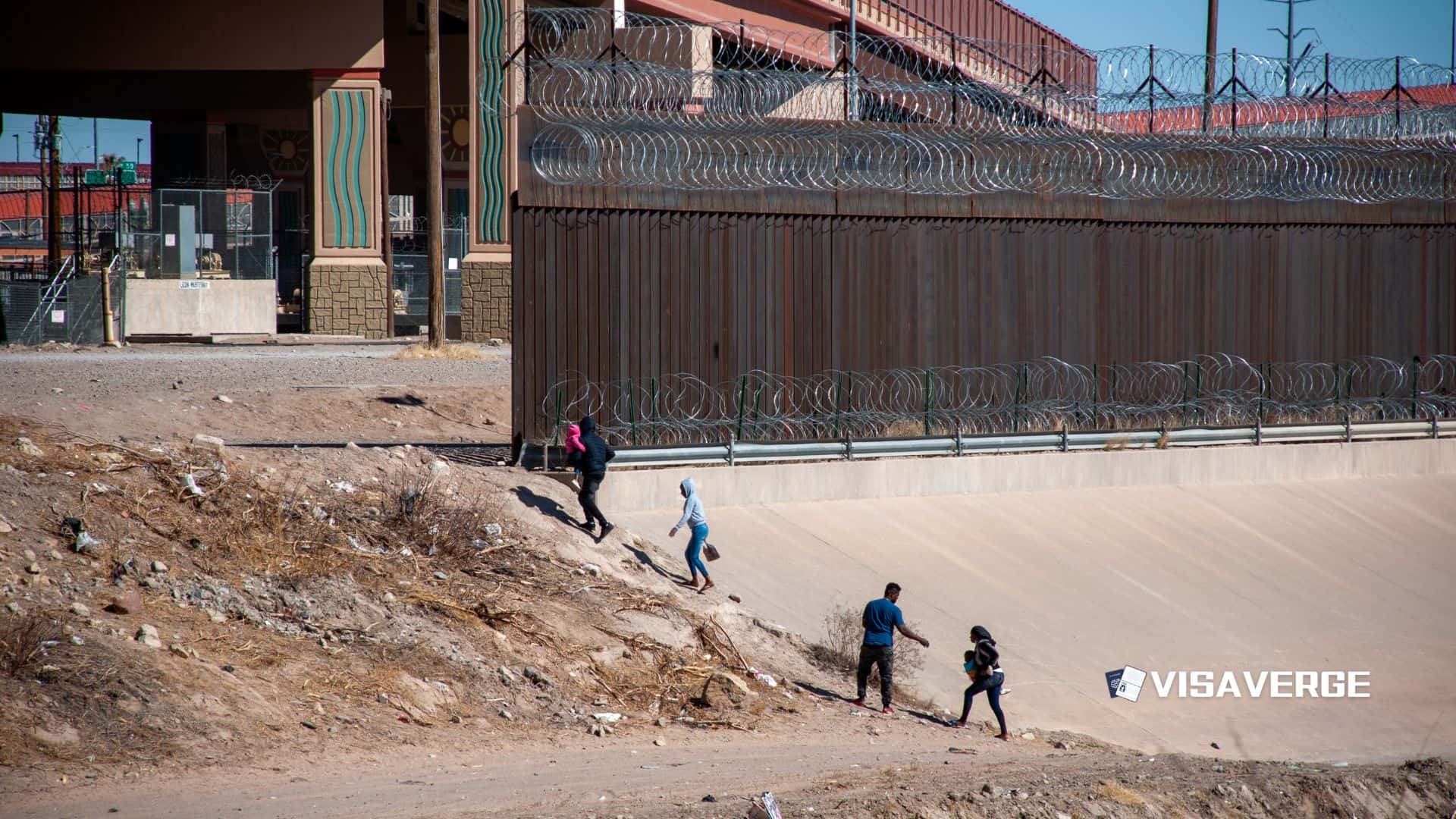
The reach is wide. More than 1.5 million people have lost protections through revoked Temporary Protected Status and humanitarian parole, including nationals from Cuba, Haiti, Venezuela, Nicaragua, and other countries. More than 530,000 from Cuba, Haiti, Venezuela, and Nicaragua alone lost two-year parole protections. Many now face removal, remain stuck in limbo, or leave the United States on their own.
Free toolUSCIS Receipt Number DecoderEnforcement powers are now driving daily immigration decisions
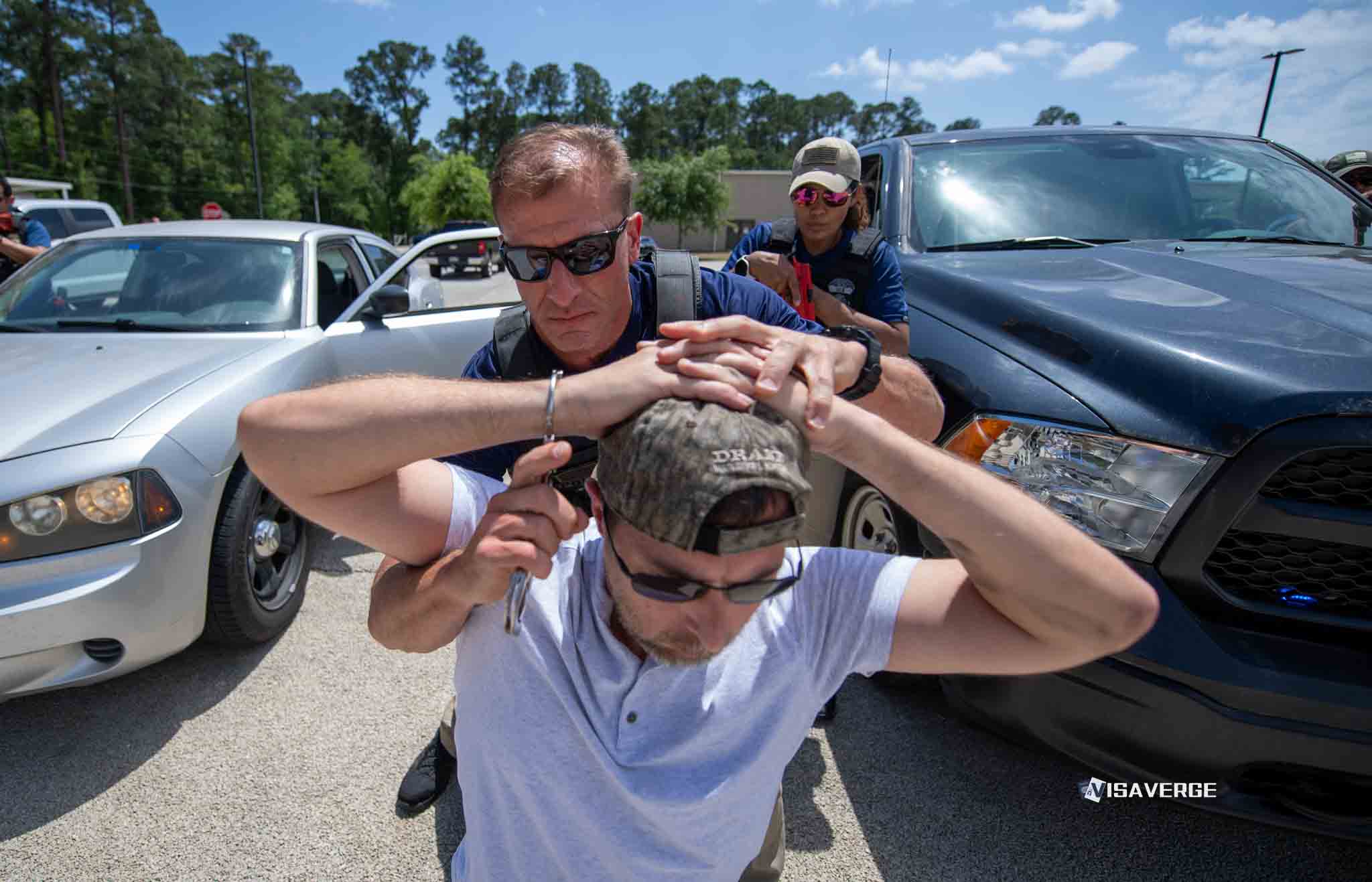
Mass deportations sit at the center of the policy drive. ICE has received larger budgets for detention and removals, and the government has used offshoring deals to move people elsewhere. Costa Rica agreed to accept up to 25 third-country deportees each week. That arrangement shows how far the administration is willing to go to speed removals.
A new USCIS Vetting Center, launched on December 5, 2025, centralizes screening for threats, fraud, and criminal history. At the same time, the Alien Enemies Act of 1798 remains in play for targeted deportations, especially involving Venezuelan migrants labeled as security risks. Civil liberties groups continue to challenge those moves on due process and human rights grounds.
Court fights are already shaping the policy landscape. Lawsuits target warrantless ICE searches, forced entries, and enforcement in sanctuary cities. The Supreme Court has fast-tracked a birthright citizenship case, with oral arguments set for April 1, 2026. That schedule signals how quickly immigration policy is moving into the courts.
Travel bans now cover dozens of countries and many visa classes
Travel bans are no longer limited to a handful of nations. Proclamations 10949 and 10998, issued in December 2025 and effective January 1, 2026, opened the door to broad entry restrictions. Full suspensions now apply to nationals from 39 countries, including Afghanistan, Burma, Chad, Congo, Equatorial Guinea, Eritrea, Haiti, Iran, Laos, Libya, Mali, Niger, Sierra Leone, South Sudan, Sudan, Syria, Yemen, Burkina Faso, and others. Partial limits also affect Burundi, Cuba, Turkmenistan, Venezuela, and several more countries.
Immigrant visas have been paused for 75 countries, cutting off a large share of legal immigration paths. Officials say the policy is aimed at reducing welfare use from “high-risk” nations. The challenge in New York’s Southern District has kept that fight alive. Visa officers now weigh birth country, dual nationality, prior residence, and travel history, which has slowed cases at ports and consulates.
The technology side is expanding too. Social media vetting now covers K-1 fiancé visas, religious workers, and crime victims. Applicants must disclose five years of account history and keep public profiles visible. H-1B and H-4 cases also face “online presence” checks. That adds a new layer of scrutiny for both visa and green card applicants.
For official guidance on travel restrictions and visa rules, the U.S. Department of State remains the main federal reference point.
Employers are paying more while facing fewer workers
Employers are feeling the pressure from several sides at once. H-1B reforms now include a $100,000 fee for new overseas petitions, a shift away from the old lottery model, and a proposed 33% wage increase for entry-level jobs. Employment Authorization Documents now last 18 months, which forces faster renewals and more I-9 reverifications.
Those changes matter in agriculture, construction, and tech, where shortages are already visible. Workplace raids expanded in mid-2025, and reports from business leaders led to only limited tactical adjustments. Even then, enforcement has not eased. Farms are pushing for more H-2A use, while healthcare, engineering, and service employers are trying to hold staffing levels steady.
Midwestern farms have reported crop losses tied to vacancies. That is not a side effect. It is now part of the policy picture. Employers are adjusting travel plans, auditing workers’ status, and preparing for more checks from local agencies that work under 287(g).
VisaVerge.com reports that the combination of mass deportations, higher petition costs, and tighter worker screening is forcing companies to treat immigration compliance as a core operating risk, not a back-office task.
A DHS funding crisis is slowing the system as fear spreads
The DHS funding crisis is making every part of the system harder to manage. As of early April 2026, the department has been in a 45-day partial shutdown, the longest on record. Processing delays are growing, workers are missing pay, and local agencies are struggling to keep pace with federal demands.
States are responding in different ways. Sanctuary jurisdictions face funding cuts. Colorado and some other states are limiting data sharing with ICE. At the same time, federal pressure is pushing more cooperation with immigration checks. That clash is now part of daily governance in many communities.
For immigrants, the fear is personal. Families are being split. People are avoiding travel. Some are deleting social media posts or leaving accounts public because the government now reviews online activity. Others are postponing trips from restricted countries because they do not want to get stuck abroad or denied at the border.
Naturalized citizens are also uneasy after a new executive order tied citizenship databases to election administration. That has stirred concern about voter eligibility confusion, even among people whose status is secure.
The economic and social effects reach far beyond immigration court
The broader economic effect is already visible. Analysts cited in the policy debate project a 7.4% GDP drop by 2028 if current restrictions hold. Immigrant-heavy sectors lose productivity first. Aging populations then feel the strain as retirements rise and fewer young workers enter the labor market. That means slower growth, weaker startup activity, and more pressure on Medicare and Social Security.
The social impact is just as sharp. Fear changes how neighborhoods behave. People avoid police, schools, and public services. Parents worry about separation. Children absorb the stress at home. In many communities, diversity is narrowing, and that affects everything from classrooms to local business formation.
Internationally, the fallout is growing too. Haiti, Cuba, and Venezuela face direct strain from return flows and uncertainty. Costa Rica’s deportee agreement shows how the United States is pushing some of the burden outward. Critics abroad say the U.S. is weakening its image as a humanitarian leader.
Court action is still the main brake on the system. Democrats are suing over election-related citizenship rules. Travel bans face new litigation in New York. ICE tactics continue to draw challenges over searches and entry practices. Even as the administration pushes harder, judges and lawyers are keeping many fights alive.
According to analysis by VisaVerge.com, 2026 is turning immigration policy into a test of federal power, labor supply, and community stability all at once. The result is a system where enforcement, economics, and daily life now move together.