(PARIS, FRANCE) Little Jaffna drew fresh attention this summer as the Paris neighborhood’s story moved from its crowded streets to major cinema screens. The 2024 feature film Little Jaffna, directed by Lawrence Valin, continued its festival run with a UK premiere at the London Indian Film Festival in June 2025, pushing the lives of Sri Lankan Tamils in the French capital into the European spotlight. The film’s momentum has turned a local enclave into a talking point across cultural and policy circles, highlighting how a diaspora shaped by war, asylum, and memory has taken root between Gare du Nord and La Chapelle.
Community origins and asylum policy
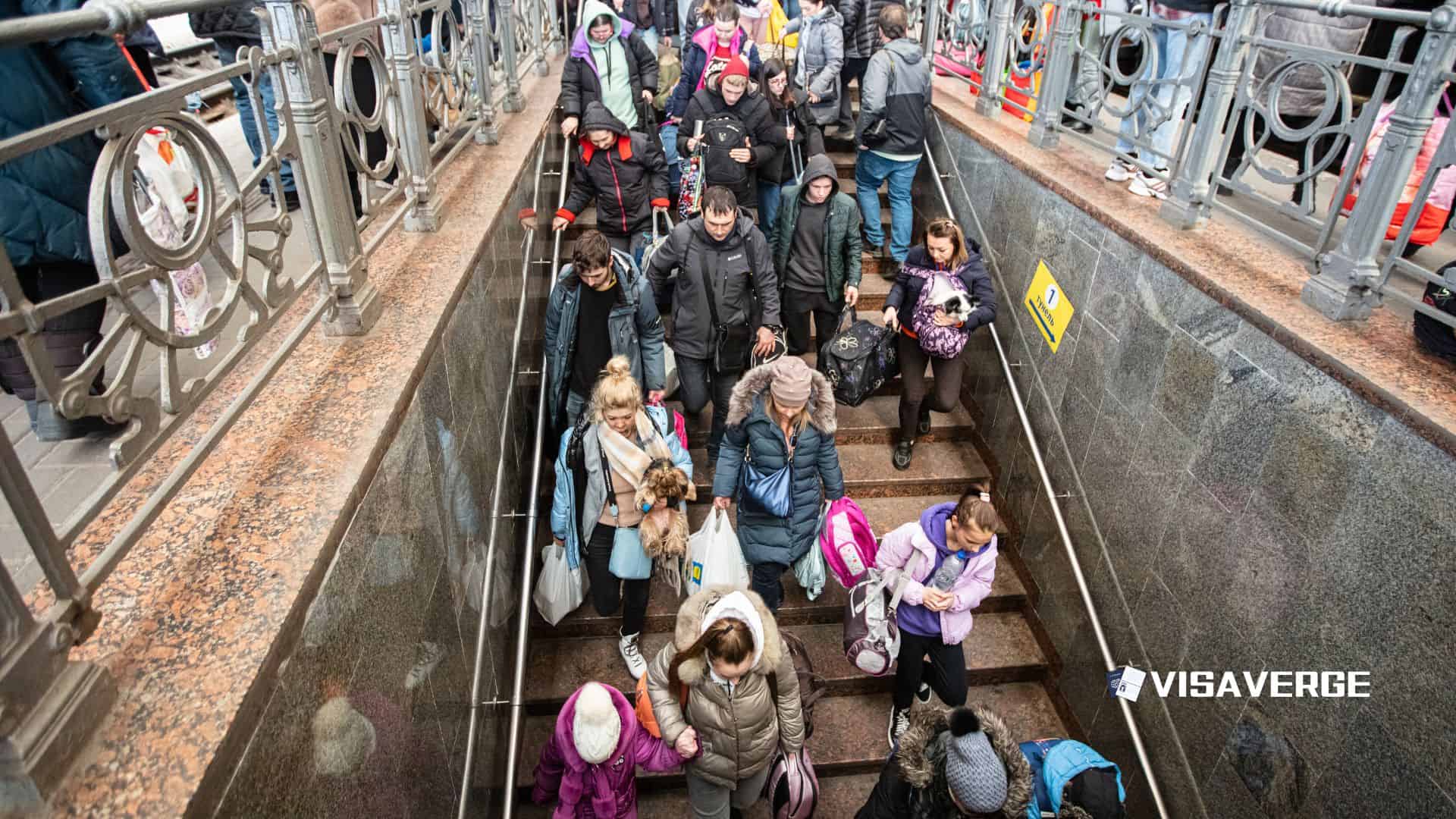
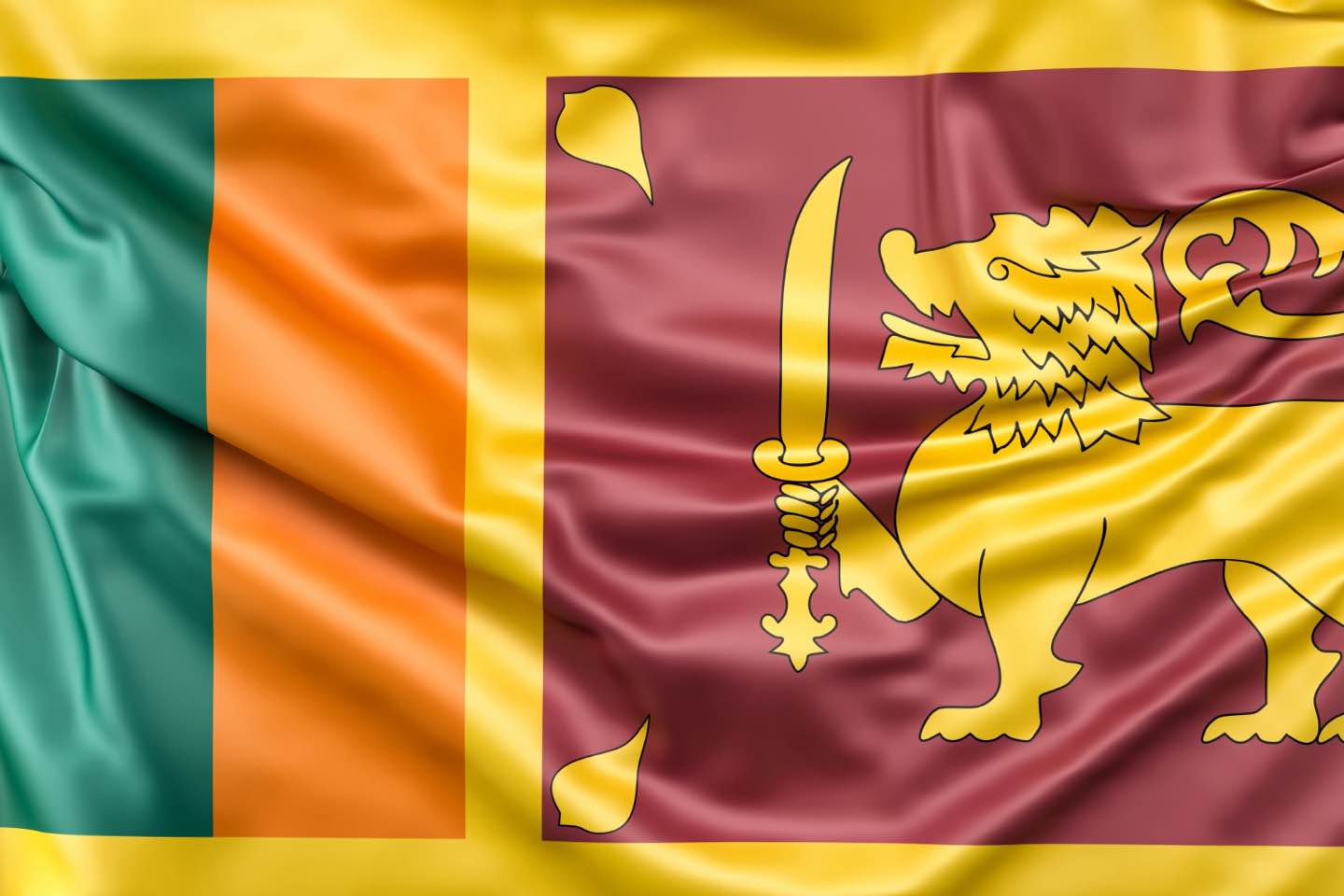
At the heart of this renewed interest is a community built over decades by people who fled Sri Lanka’s civil war. France today hosts roughly 100,000 Sri Lankan Tamils, and about half live in Paris, many clustered in and around Little Jaffna.
They arrived in waves, most notably in the 1980s as violence escalated at home. This migration coincided with a period when French asylum policy grew more open after 1987, and the Office for the Protection of Refugees (OFPRA) assumed a central role in refugee protection—an institutional change that shaped who could stay and build new lives. For current official information on asylum in France, OFPRA’s website offers guidance for applicants and recognized refugees, available at the Office français de protection des réfugiés et apatrides (OFPRA).
Free toolUSCIS Receipt Number DecoderThat window narrowed in the 1990s as Europe tightened immigration controls. By 2025, the continent remained largely closed to broad economic migration, with public debate focused on asylum seekers and refugees.
Little Jaffna on screen — themes and reception
Valin’s film links local realities to larger histories. Little Jaffna weaves a story about gang culture and undercover policing into the older trauma of the Sri Lankan war. It examines what happens when young men search for control but encounter closed doors, placing these choices against displacement and loss.
| India | China | ROW | |
|---|---|---|---|
| EB-1 | Feb 01, 2023 ▲109d | Jul 01, 2023 | Current |
| EB-2 | Nov 01, 2013 | Oct 01, 2021 ▲30d | Jan 01, 2025 |
| EB-3 | Jan 01, 2014 | Jan 08, 2022 ▲7d | May 15, 2024 ▼109d |
| F-1 | Jan 22, 2020 | Jan 22, 2020 | Jan 22, 2020 |
| F-2A | Sep 22, 2026 ▲31d | Sep 22, 2026 ▲31d | Sep 22, 2026 ▲31d |
The film’s aesthetic choices—earthy colors and layered sound design that mixes temple chants, sirens, prayers, and city clatter—mirror the neighborhood’s texture. Festival response has been strong, with screenings across Venice, Toronto, and London in 2025, signaling wider European interest in diaspora stories told by people who live them.
Little Jaffna shows how visibility and misread identity can coexist: the film critiques marginalization while capturing everyday life and cultural continuity.
Everyday life: businesses, food, and culture
On the ground, Little Jaffna’s streets are defined by small businesses and cultural institutions that anchor daily life:
- Tamil-owned groceries, sari shops, and cafés line the streets, with signs in Tamil, English, and French.
- Temple bells mix with traffic and train noise; weekend queues form for idly with chutney and set dosas.
- Some eateries now serve dosa with steak haché—a quiet nod to tradition and adaptation.
Cultural life marks the calendar and cements identity:
- The Sri Manicka Vinayakar temple organizes large public events, including an annual chariot festival that brings thousands into the streets.
- Diwali and Ganesh Chaturthi fill the area with color and music.
- Community groups run language classes and cultural programs; second-generation residents often grow up fluent in French and Tamil.
Locals sometimes mislabel the area “Little Bombay,” a reminder of how South Asian worlds are often flattened into a single story despite distinct histories.
Social supports, entrepreneurship, and second-generation stories
In the late 1980s and 1990s, after initial dispersal, Tamils began clustering in La Chapelle and nearby blocks, creating tight networks of support:
- Small businesses provided jobs, loans, and information.
- Community groups offered language lessons and cultural programs.
- Over time, these networks produced a generation comfortable in both cultures.
Examples of local success include:
- Young Tamil folk dancers like Islaine and Ragis who bring tradition to public stages.
- Sugeetharan, a baking champion whose mainstream acclaim shows how local skills can reach national platforms.
According to VisaVerge.com, the Paris enclave has become both a cultural anchor and a practical hub, where shops, temples, and cafés serve as information centers for newcomers.
Memory, gender, and the politics of belonging
Memory is central in Little Jaffna—especially through women, who are often seen as bearers of family history. Their stories—lost relatives, interrupted schooling, and slow rebuilding—shape choices about language, marriage, and money, though these narratives are not always public.
The film highlights how younger men’s struggles can become visible and how marginalization sometimes slides into criminalization. This critique ties into broader European debates about race, class, and policing.
Key contextual pressures include:
- The legacy of war and displacement.
- The push and pull of identity in a new country.
- Labor-market barriers that slow access to stable employment.
Transnational ties and political sensitivity
The politics of the diaspora still reach back to Sri Lanka. Some community groups remain engaged with homeland issues, including a minority that has raised funds for resistance movements. These links are sensitive but part of a larger reality in which migrants sustain family, faith, and political ties across borders.
- Festivals, remittances, and community media keep cross-border networks active.
- At the same time, daily life in Paris demands attention to rent, school timetables, and long work hours.
The neighborhood today and its evolving future
Around La Chapelle, everyday scenes continue:
- Shoppers visit Saravana Bhavan and smaller tea shops.
- Delivery riders queue at money transfer counters.
- Shopkeepers exchange news; children move between French at school and Tamil at home.
The neighborhood is dynamic, not static. Change comes as new families arrive, others move to the suburbs, and the next generation decides how much of Little Jaffna to carry forward.
Little Jaffna is more than a cultural curiosity: it is a living record of how policy choices shape streets—and how those streets, in turn, shape the city.
This evolution, set against tightened European borders and ongoing debates about asylum, makes the enclave a lasting reference point in conversations about migrant identities, integration, and the everyday consequences of law and policy.
This Article in a Nutshell
Little Jaffna, a Paris Tamil enclave and the subject of Lawrence Valin’s 2024 film, has gained renewed attention after screenings in Venice, Toronto and a UK premiere in June 2025. Roughly 100,000 Sri Lankan Tamils live in France, many concentrated near La Chapelle, sustained by temples, shops and festivals. The community grew during the 1980s as France’s asylum rules opened after 1987; Europe tightened controls in the 1990s. The film and local life highlight tensions around memory, policing, employment barriers and transnational political ties.