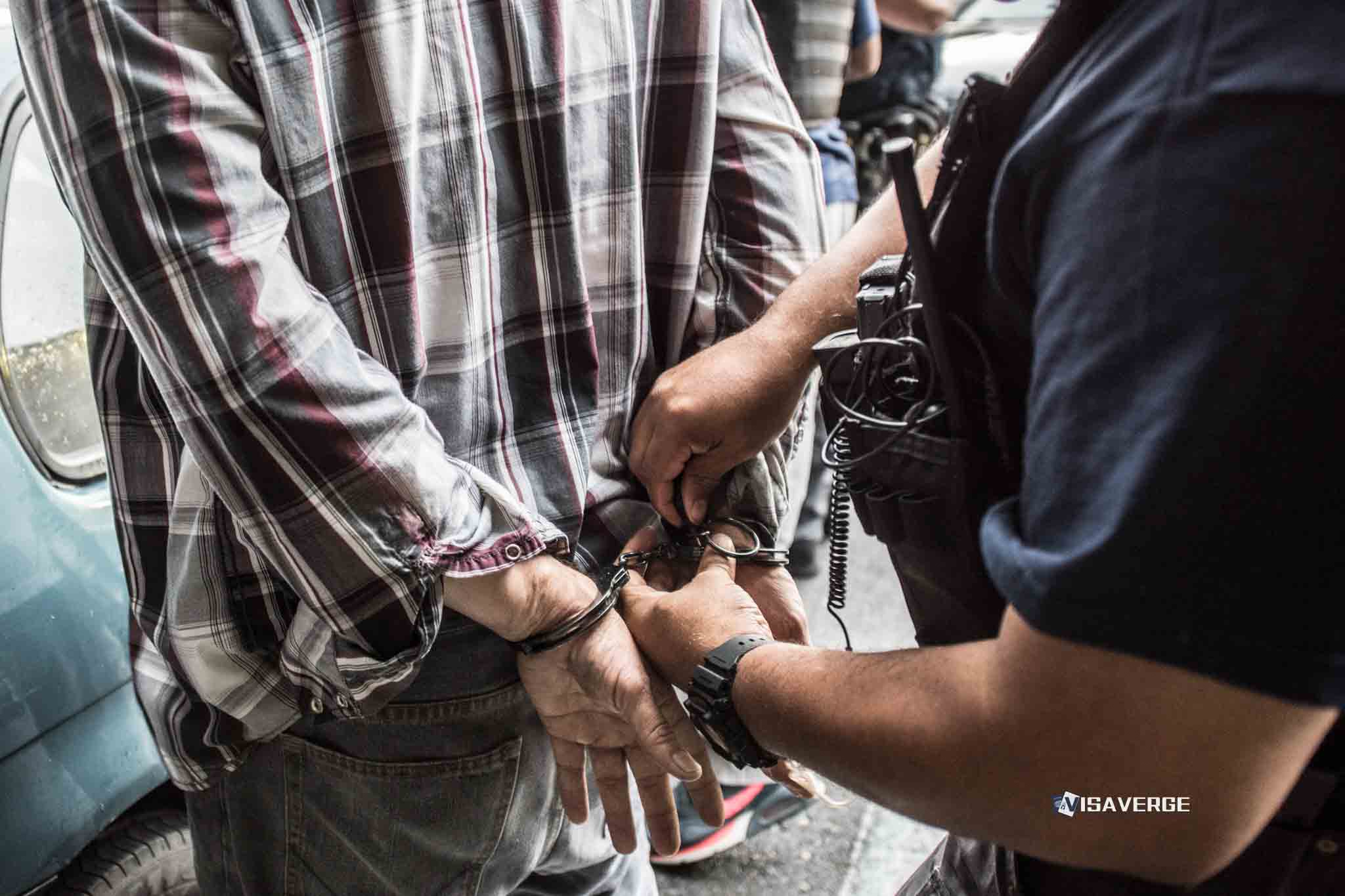
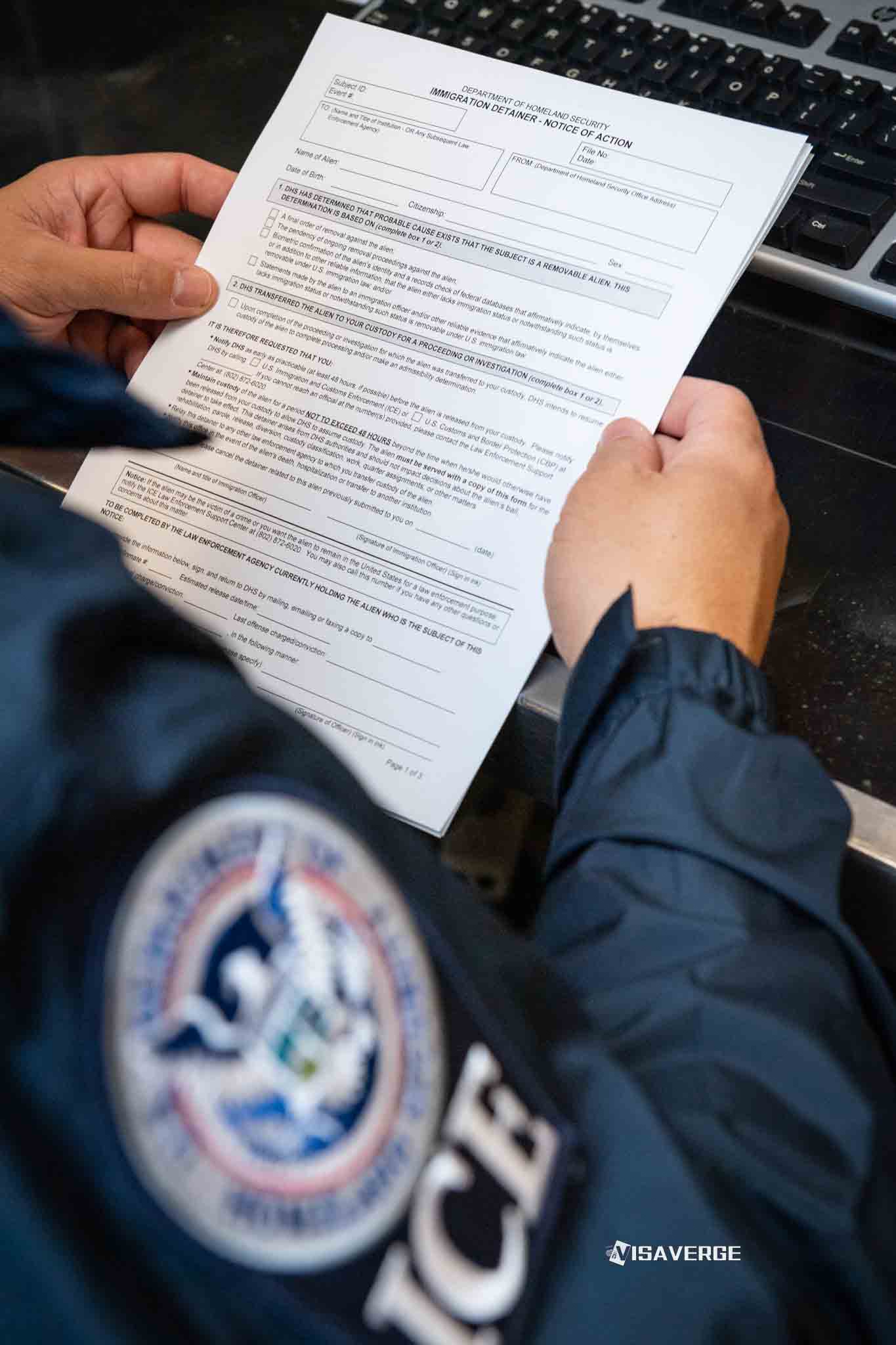
- Washington lawmakers are advancing House Bill 2105 requiring 72-hour employer notice before federal ICE audits.
- The bill aims to protect immigrant workers by providing predictability and transparency during employment-record inspections.
- Large institutions like the University of Washington anticipate significant annual compliance costs for staffing and oversight.
(WASHINGTON STATE) — Washington lawmakers have advanced HB 2105 to require 72-hour advance notice before ICE employment-authority audits, as communities grapple with intensified federal enforcement and a national backlash.
Section 1: Context: ICE activity and national backlash
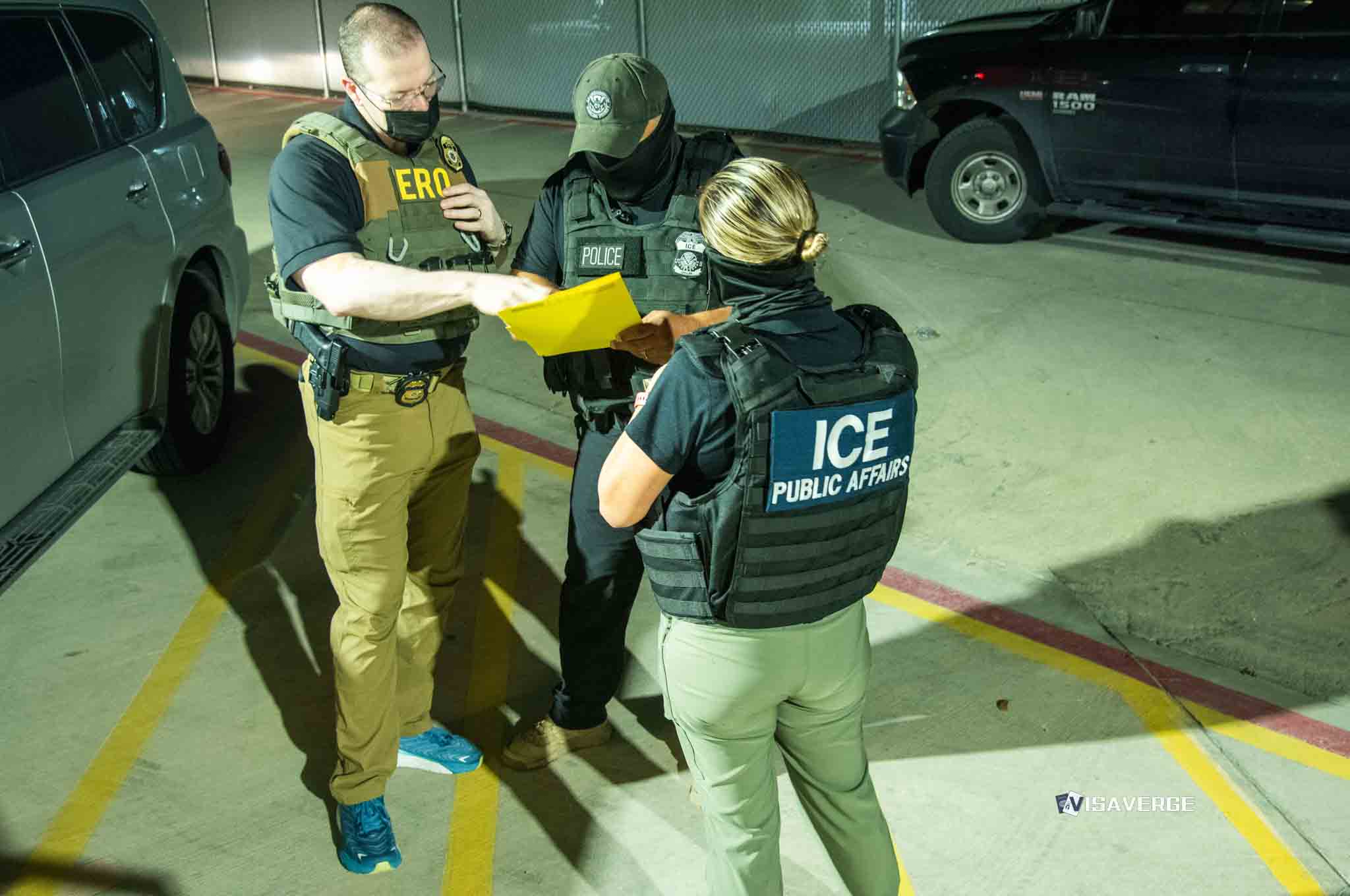
Across Washington state, recent ICE activity has kept workplaces and public-facing institutions on edge. Employers have reported anxiety around requests for employee records, and community groups have raised alarms about enforcement actions that feel sudden or hard to track. The pressure is not only about what happens at a jobsite. It is also about what happens around it—at clinics, in neighborhoods, and in other spaces workers pass through each day.
A key term helps frame why the debate is landing in state legislatures: employment verification. Most U.S. employers must complete I-9 employment authorization forms for new hires and keep them on file for possible review. When ICE initiates an employment-record audit, it is typically about paperwork first. That still creates real fear for workers. It can also create legal exposure for employers if the process is handled poorly.
Free toolI-94 Expiration Calculator OnlineEvents outside Washington have also amplified concern inside the state. The January 2026 killing of U.S. citizen Renee Nicole Good in Minneapolis, Minnesota—ruled a homicide by the Hennepin County Medical Examiner—became a flashpoint for protests and for questions about enforcement tactics. Those questions now color how Washington institutions plan for possible encounters with federal immigration authorities, even when the initial contact is an audit notice rather than an on-site arrest operation.
Section 2: Washington state legislative response: House Bill 2105
HB 2105, the Immigrant Worker Protection Act, is designed to add predictability to a moment that often feels unpredictable. Sponsored by Attorney General Nick Brown, the bill focuses on advance notice and workplace communications tied to employment-record audits, including I-9-related reviews. The central idea is simple: when an employer receives notice of an employment-authority inspection, workers should not learn about it at the last minute.
In many workplaces, “notice” is not one email to one person. A typical notice workflow may include: a posting in a breakroom, an email to affected departments, a message to union representatives when applicable, and a script for supervisors who will get questions on the floor. Schools and hospitals may also need a plan for visitors, contractors, and patient-facing staff.
Employers should also keep a clear line between two very different events:
- I-9 audit request (paperwork-focused): ICE or another federal authority requests I-9 employment authorization forms and related records. Employers usually respond through HR and counsel, and the immediate issue is document production and timing.
- Raid or arrest operation (people-focused): Officers arrive seeking to detain someone, question workers, or gain access to nonpublic areas. The risks shift quickly, and the operational response involves security protocols and employee safety steps.
That distinction matters because a state notice rule aimed at audits does not “stop” federal enforcement. Instead, it shapes what employers in Washington state must do on the employer side—especially how and when workers are told.
Legislatively, HB 2105 has passed one chamber and is awaiting Senate action. That status is not the same as “in effect.” For employers, timing: planning can start now, but policies should not be finalized as mandatory until enacted requirements are confirmed.
Table 1: Scope of HB 2105 and observed costs by sector
| Covered Entity | Obligation under HB 2105 | Operational Impact Notes |
|---|---|---|
| Farms | Provide advance workplace notice tied to employment-record audits; coordinate communications to workers | High proportion of seasonal staffing can make postings, translations, and supervisor training more time-sensitive |
| Private employers | Provide advance notice and follow defined posting/communication steps | HR teams may need updated templates and a documented chain of custody for audit correspondence |
| State agencies | Apply notice rules within public-sector HR structures | Must align HR steps with public-facing operations and internal labor relations practices |
| Universities (including the University of Washington) | Provide advance notice across complex payroll, departmental HR, and contractor ecosystems | Reported planning has included hiring capacity such as two compliance analysts and budgeting pressures of $250,000 annually for compliance work |
⚠️ Monitor Senate activity and official HB 2105 text for exact notice requirements and covered entities; misunderstandings can prompt noncompliance risks.
Section 3: Advocacy and organizational responses in Washington
Professional and service organizations in Washington have framed workplace enforcement as more than an HR issue. For healthcare, the concern often centers on patient care and safe access. The Washington State Nurses Association (WSNA) has condemned enforcement actions in healthcare settings, places of worship, and public spaces. Its statements after the death of Renee Nicole Good also raised concerns about reported interference with medical response in Minneapolis.
WSNA has pointed to operational “friction points” that employers should not ignore. One example cited in Washington involves an ICE contractor reportedly leaving a loaded gun at St. Joseph Tacoma hospital. Even when a specific incident is not part of an I-9 audit, it affects staff confidence and can change how a hospital thinks about visitor controls, vendor access, and incident reporting.
Public demonstrations also shape employer operations in quieter ways. Large protests in cities including Seattle can increase internal questions from employees about what a workplace will do if ICE appears, or whether the employer will notify staff about audit activity. That changes the communications task. It also raises the stakes for consistency, because mixed messages can inflame fear or spread rumors.
Section 4: Media coverage and reporting in Washington
Local reporting often becomes the public’s “first draft” of what is happening during enforcement activity. In Washington state, KING 5 and immigration reporter Sharon Yoo have covered ICE-related events and community reaction, including reporting dated December 19, 2025. That coverage can quickly influence how workers interpret any contact from federal authorities, even when the contact is only an audit notice.
Employers and workers can track updates responsibly by sticking to a few dependable sources: official statements, court filings when litigation is involved, and consistent local outlets with named reporters. Rumors travel fastest when a video clip circulates without context or when a “raid” is reported but turns out to be a document request sent to corporate headquarters. A slow, careful approach protects workers from panic and helps employers avoid missteps that create legal risk.
Section 5: Federal scrutiny and policy debates
On the federal side, disputes over ICE authority and tactics have intensified. On February 3, 2026, House Judiciary Democrats led by Ranking Member Lucy McBath called for rescission of a May 12, 2025 ICE memo signed by Acting Director Todd Lyons. The controversy centers on allegations of warrantless home entries and constitutional concerns. Separately, court actions in Minnesota have addressed protest-related retaliation claims.
National statistics also shape the political pressure behind state bills. Reports have cited 540,000 people deported since January 2025, along with 32 deaths in custody in 2025. Those figures do not change an employer’s duty to complete I-9 employment authorization forms, but they do change the temperature of worker relations and public scrutiny.
For practical planning, employers should keep one point clear: state rules and federal processes run on different tracks. USCIS oversees key parts of the employment eligibility system and provides guidance on I-9 forms and verification tools (see uscis.gov). ICE, by contrast, is the enforcement arm that may initiate workplace audits and investigations. HB 2105, as a state policy, may set notice and posting duties for employers in Washington state. It does not rewrite federal verification rules, and it does not erase federal audit authority.
Section 6: Costs and compliance implications for institutions
Compliance costs usually come from people and process, not from a single filing fee. Employers may need staff training, refreshed document retention systems, translation support, legal review of communications, and a clean intake process for any audit-related correspondence. Universities face an added layer: decentralized departments, large contractor footprints, and frequent onboarding cycles.
At the University of Washington, projected compliance work has been associated with staffing additions like two compliance analysts and overall estimates of $250,000 annually. Many employers will not face that scale. Still, the same cost drivers show up in smaller settings: setting up a posting protocol, training front-line supervisors, and ensuring payroll and HR systems can produce records cleanly and consistently.
State requirements can also create tension points with federal enforcement. A state may direct what an employer must do with notices and worker communications. It typically cannot block federal agents from executing federal authority. That gap is where careful documentation matters most. Employers should be ready to show, after the fact, that they followed state notice rules while responding to federal requests in a controlled, lawful way.
✅ Develop a state-compliance plan: designate a cross-department team (HR, legal, campus security, procurement), assign ownership for notice processes, and prepare employee communications.
A repeatable program often includes internal checkups of I-9 completion practices, a written protocol for receiving and routing audit notices, and alignment with vendors and staffing agencies so contractor workers are not left out of required communications. For any edge case—such as conflicting instructions from an auditor and a state posting rule—many institutions will want counsel involved early, not after a deadline hits.
This article discusses current policy developments and enforcement trends. Readers should consult counsel for specific legal guidance on HB 2105 compliance and workplace verification practices.