Key Takeaways
• Gainesville’s poultry industry relies on thousands of immigrant workers for daily production over 30 million pounds.
• Georgia’s House Bill 1105 increases local police collaboration with federal immigration, raising deportation risks.
• Deportations cause workforce shortages, economic impact, and family separations in the poultry sector.
A recent deportation of a poultry worker in Gainesville, Georgia, has sent shockwaves through the local community, highlighting the deep impact of immigration enforcement on families and the economy. Gainesville, often called the “poultry capital of the world,” depends on immigrant labor to keep its billion-dollar poultry industry running. As new policies take effect and enforcement actions increase, families, businesses, and entire neighborhoods face growing uncertainty.
Gainesville’s Poultry Industry and Its Workers
Free toolSubstantial Presence Test Calculator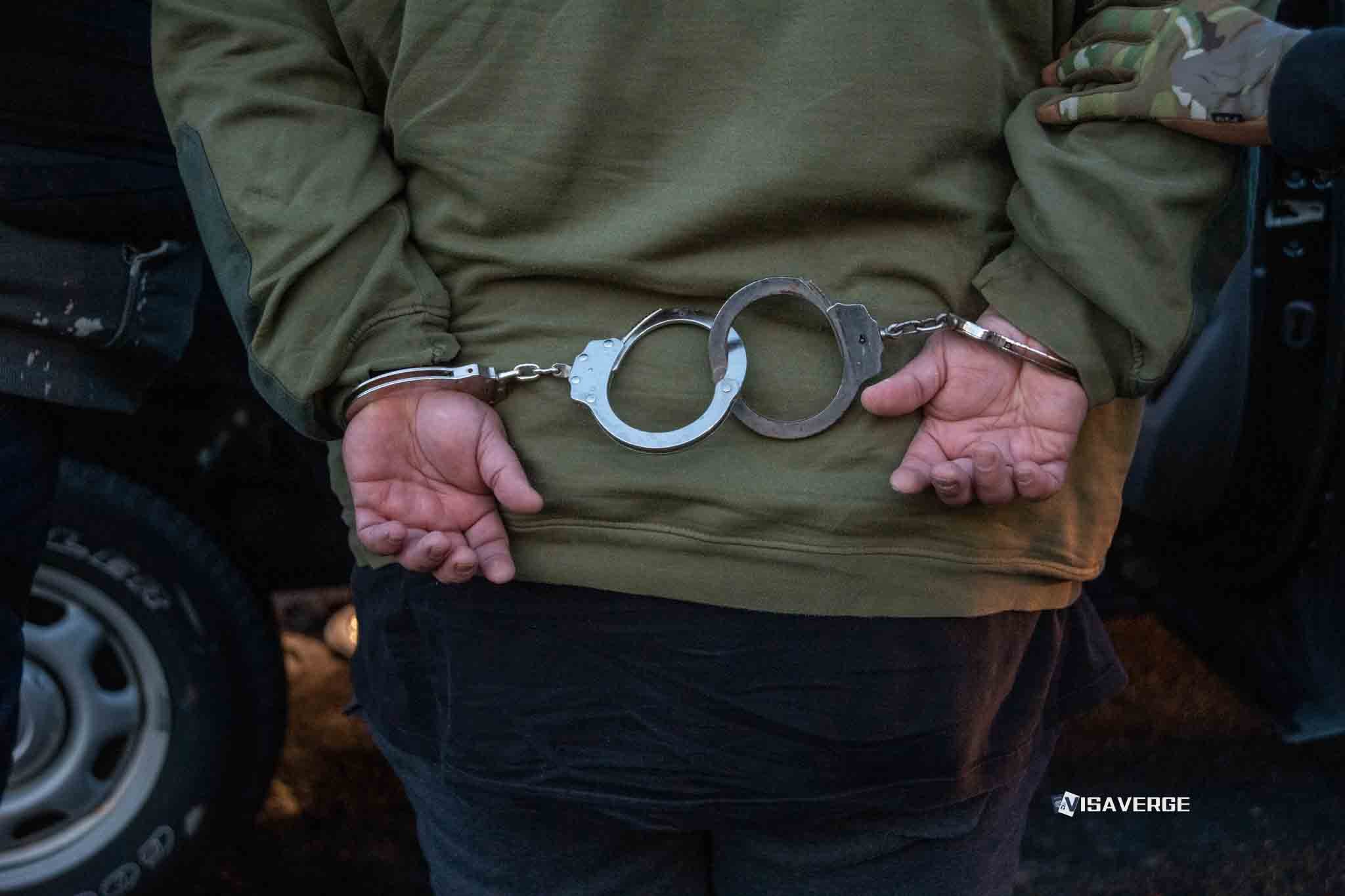
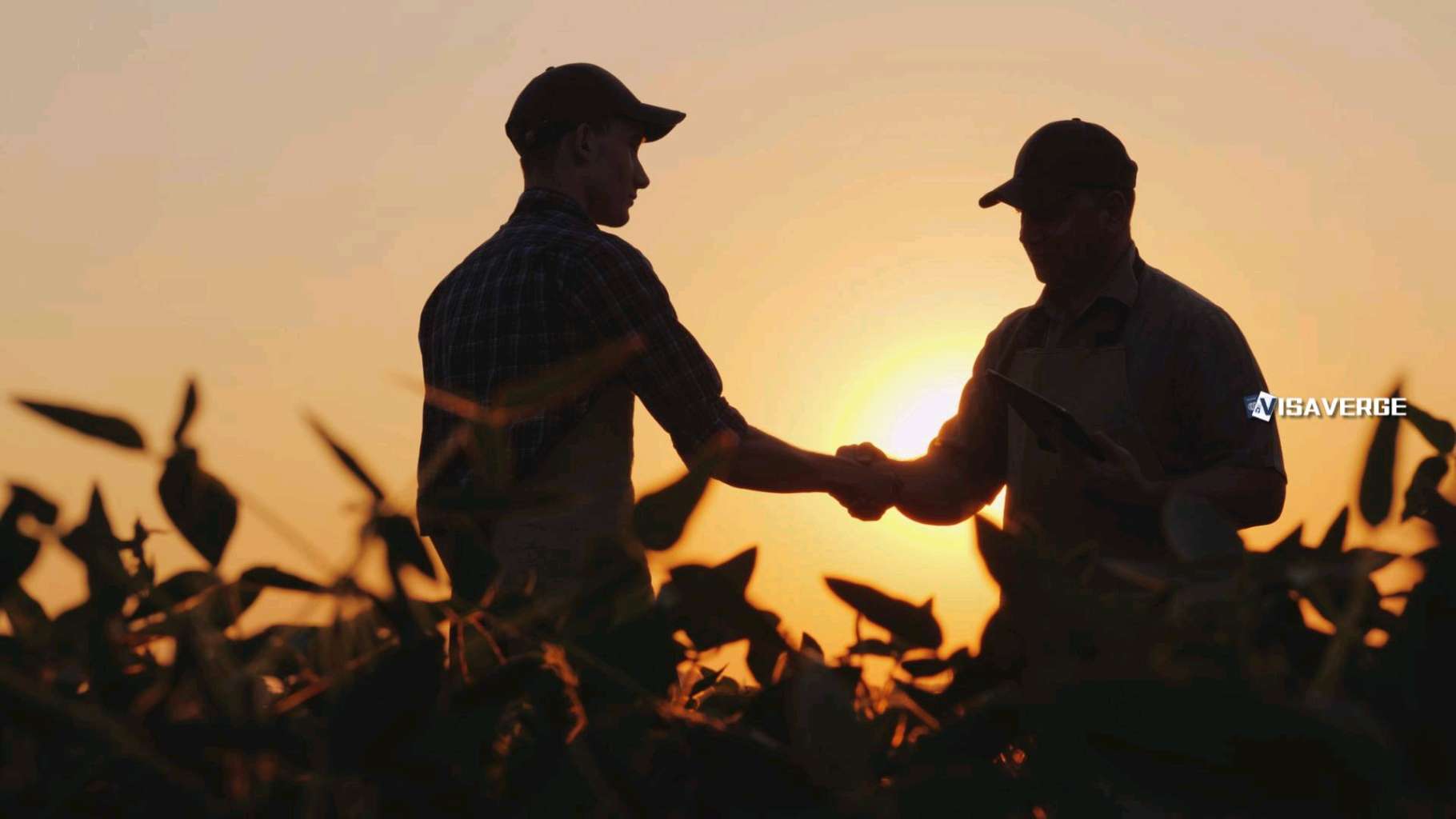
Gainesville’s poultry plants process more than 30 million pounds of chicken every day, making the city a vital hub for the United States ?? food supply. The industry relies on thousands of workers, many of whom are immigrants. These poultry workers handle tough, physically demanding jobs that few others are willing to do. Their work keeps grocery stores stocked and helps support the local economy.
Mike Giles, president of the Georgia Poultry Federation, explained that poultry companies are closely watching changes in immigration policy. “We want to make sure we follow all federal employment laws,” he said. But as deportations rise, companies worry about losing skilled workers and facing labor shortages.
Policy Changes Fuel Uncertainty
The Trump administration has recently moved to end humanitarian programs started under President Biden. These programs gave some recent arrivals temporary legal status and work permits, allowing them to work in places like Gainesville’s poultry plants. Now, with these protections ending, many poultry workers fear deportation.
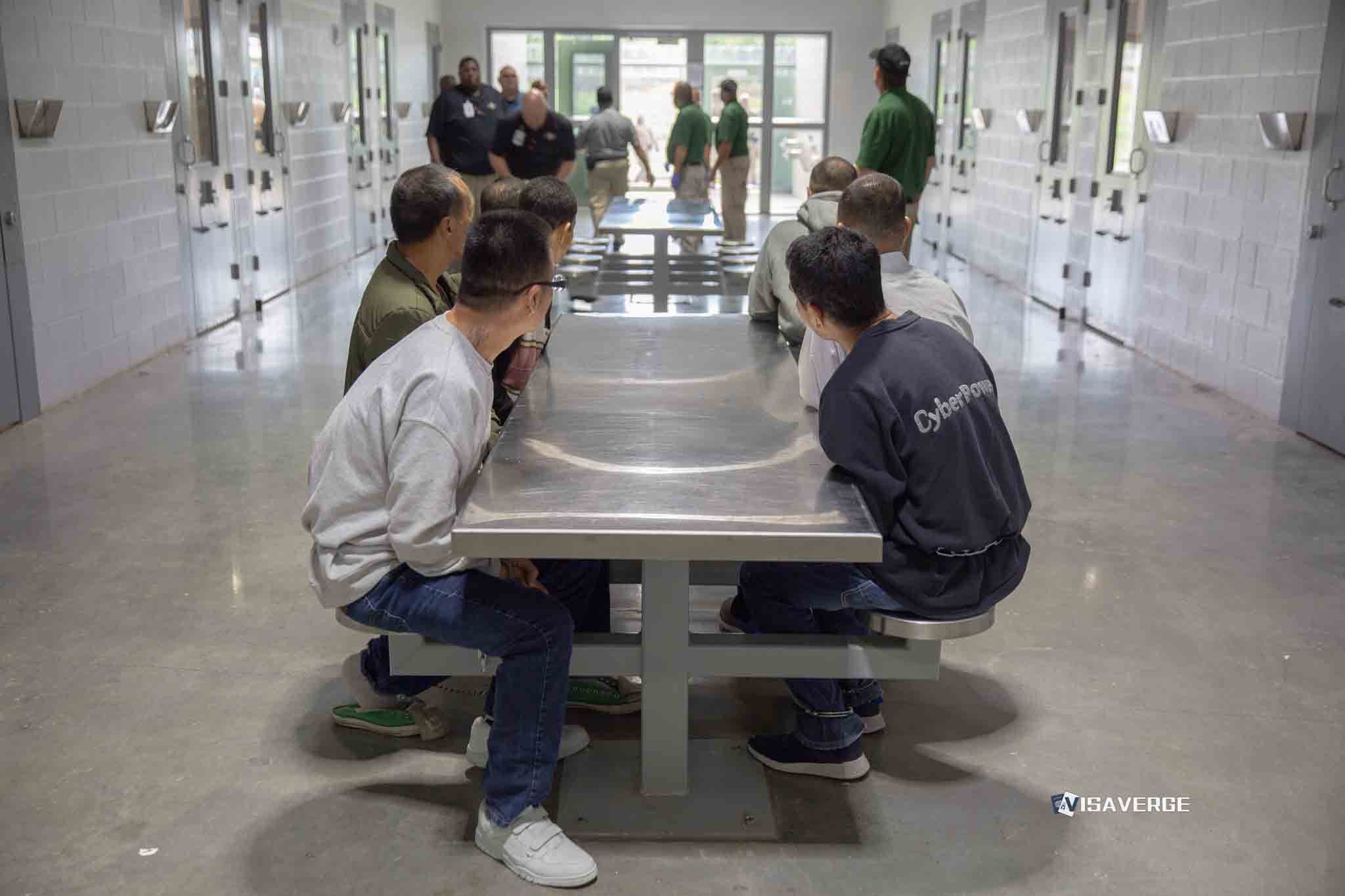
At the same time, Georgia lawmakers passed House Bill 1105. This law requires local police to work more closely with federal immigration agents. As a result, more people without legal status could be detained and deported, even if they have lived in the United States ?? for years.
Despite some recent orders to pause arrests at farms and similar workplaces, Immigration and Customs Enforcement (ICE) continues to focus on undocumented immigrants. This has created a climate of fear among Gainesville’s immigrant families.
Personal Stories: Families Torn Apart
The effects of these policies are not just numbers—they are deeply personal. One Gainesville family recently lost a parent to deportation. The father, a long-time poultry worker, was taken into custody and sent back to his home country. His wife and children, who remain in Gainesville, now face emotional pain and financial hardship.
Melissa Mondragon, a local resident, voiced her frustration: “They want our cheap labor, but they don’t value us as people.” Her words reflect the feelings of many in the community who see their hard work overlooked and their families at risk.
Economic Impact: Who Will Fill the Jobs?
The poultry industry in Georgia is worth billions of dollars each year. Without immigrant workers, many plants would struggle to stay open. Deportations could lead to:
- Workforce shortages: Fewer workers mean slower production and possible plant closures.
- Higher prices: If production drops, the cost of chicken could rise for everyone.
- Lost tax revenue: Immigrant workers pay taxes and spend money locally, supporting schools, shops, and services.
Gigi Pedraza, executive director of the Atlanta-based Latino Community Fund, stressed the importance of keeping immigrant workers in the country. “They are the backbone of the poultry sector,” she said. “We need them here.”
Social Impact: Families and Communities Suffer
When a poultry worker is deported, the effects ripple through the community. Families are separated, children lose parents, and entire neighborhoods feel the loss. Many families are now preparing for the worst, taking steps to protect their children in case a parent is detained.
Some of the steps families are taking include:
- Assigning temporary guardians: Parents name trusted friends or relatives to care for their children if they are deported.
- Preparing legal documents: Families gather birth certificates, passports, and other important papers.
- Attending workshops: Community groups offer training on how to respond if immigration officials come to their homes or workplaces.
These actions are not just about planning—they are about survival in a time of uncertainty.
Legal Support and Community Resources
Immigrant farmworkers and poultry workers in Gainesville are turning to local organizations for help. The Centro Binacional para el Desarrollo Indígena Oaxaqueño (CBDIO) offers legal guidance and support, helping families understand their rights and prepare for possible deportation.
Other groups, like the National Immigration Law Center (NILC), provide information on current immigration policies and legal protections. These organizations help families:
- Find legal representation
- Understand their rights during encounters with ICE
- Prepare documents for guardianship and family safety
For official information on immigration policies and updates, families can visit the U.S. Department of Homeland Security website.
Community Response: Protests and Advocacy
The threat of deportation has sparked protests and advocacy efforts across Gainesville and beyond. Community leaders, faith groups, and neighbors are coming together to demand better protections for immigrant workers. They argue that these workers are essential to the local economy and deserve the right to stay with their families.
Protesters have gathered outside government buildings, holding signs and chanting for change. They call on lawmakers to create policies that protect families and recognize the value of immigrant labor.
Expert Analysis: What’s at Stake?
Immigration experts warn that mass deportations could have serious consequences for the agricultural sector. Without enough workers, poultry plants may be forced to cut production or close altogether. This would hurt not only the workers and their families but also local businesses and consumers across the United States ??.
Community leaders say that current policies do not reflect the reality on the ground. They urge lawmakers to consider the human cost of deportation and to create solutions that keep families together.
Step-by-Step Guidance for Affected Families
For poultry workers and their families facing the threat of deportation, experts recommend several steps:
- Assign a Temporary Guardian: Choose a trusted adult who can care for your children if you are detained. Complete legal forms to make this official.
- Gather Important Documents: Keep birth certificates, passports, and medical records in a safe place. Make copies for your guardian.
- Create a Family Plan: Talk with your children about what to do if you are taken away. Practice emergency phone calls and meeting places.
- Attend Legal Workshops: Learn about your rights and how to respond if ICE comes to your home or workplace.
- Seek Legal Help: Contact organizations like CBDIO or NILC for advice and representation.
These steps can help families feel more prepared and less alone during a difficult time.
Policy Implications: What Comes Next?
As reported by VisaVerge.com, the Trump administration is expected to continue its tough stance on immigration enforcement. This means more poultry workers in Gainesville and across Georgia could face deportation in the coming months. The industry may see more labor shortages, and families may face more separations.
However, some hope remains. Changes in administration policies or court decisions could alter the situation. Community groups continue to push for reforms that would protect workers and keep families together.
Potential Solutions and Calls for Reform
Many advocates believe that the answer lies in creating fair immigration policies that recognize the contributions of immigrant workers. Some proposed solutions include:
- Pathways to Legal Status: Allow long-term workers to apply for legal status or work permits.
- Protections for Families: Create laws that prevent the separation of families with U.S. citizen children.
- Workplace Protections: Ensure that all workers, regardless of status, have safe conditions and fair pay.
These changes would not only help poultry workers but also strengthen the local economy and community.
Voices from the Community
Gainesville’s immigrant families continue to speak out, sharing their stories and hopes for the future. One mother, whose husband was recently deported, said, “We just want to work and give our children a better life. We are part of this community.”
Local business owners also worry about the impact of losing experienced workers. “If we can’t keep our staff, we can’t keep our doors open,” said one plant manager.
Resources for Immigrant Families
For those seeking help or information, several resources are available:
- Centro Binacional para el Desarrollo Indígena Oaxaqueño (CBDIO): Offers legal support and workshops for farmworkers.
- National Immigration Law Center (NILC): Provides updates on immigration law and policy.
- Georgia Poultry Federation: Shares information about the industry’s response to policy changes.
- Latino Community Fund: Supports immigrant families and advocates for their rights.
Families can also check the U.S. Department of Homeland Security for the latest updates on immigration policies and enforcement.
Looking Ahead: The Future for Gainesville’s Poultry Workers
The future remains uncertain for many poultry workers in Gainesville. As enforcement actions continue and policies shift, families must balance hope with preparation. The community’s response—through protests, advocacy, and mutual support—shows the strength and resilience of those affected.
Industry leaders, community groups, and policymakers must work together to find solutions that protect both the economy and the people who keep it running. The story of Gainesville’s poultry workers is not just about jobs—it’s about families, dignity, and the future of the community.
Action Steps for Readers
If you or someone you know is affected by these issues:
- Connect with local organizations for legal help and support.
- Prepare important documents and make a family plan.
- Stay informed about policy changes by visiting official government websites.
- Speak up by joining community efforts to support immigrant families.
By taking these steps, families can protect themselves and help build a stronger, more caring community for everyone.
Conclusion
The deportation of poultry workers in Gainesville is more than a local story—it reflects the challenges facing immigrant communities across the United States ??. As policies change and enforcement increases, families and businesses must adapt. With the right support and fair policies, Gainesville can remain a place where hard work is valued and families can thrive.
Learn Today
Deportation → The formal removal of a person from a country for violating immigration laws.
House Bill 1105 → Georgia law requiring local police to cooperate with federal immigration enforcement agencies.
ICE (Immigration and Customs Enforcement) → A U.S. federal agency responsible for immigration law enforcement and deportations.
Temporary Legal Status → Permission granted to immigrants to live and work legally in the U.S. for a limited time.
Guardianship → Legal authority given to a trusted person to care for children if parents are unavailable.
This Article in a Nutshell
Gainesville’s poultry industry depends on immigrant workers facing growing deportation risks under tough policies. Families and businesses struggle with uncertainty, while community groups offer legal aid and advocate for fair immigration reforms to protect workers and sustain the local economy.
— By VisaVerge.com