Key Takeaways
• Deportation activity in DeKalb sharply increased due to 287(g) program expansion and HB 1105 law since 2024.
• Governor Kemp mandated 1,100 Georgia officers to receive 287(g) training, expanding local-federal immigration enforcement.
• DeKalb residents respond with legal education, guardianship forms, rights cards, and safe transportation for immigrant children.
Purpose and Scope
This analysis examines the recent increase in deportation activity and funding in DeKalb County, Georgia, focusing on how these changes affect DeKalb residents—especially immigrant families—and the broader community. The report explores the expansion of the 287(g) program, the impact of new state laws, and the community’s response, including solidarity actions and legal preparedness. The goal is to provide a clear, evidence-based understanding of current trends, policy changes, and their practical effects, while also highlighting the limitations and future outlook for all stakeholders involved.
Free toolUSCIS Receipt Number Decoder
Methodology
This content draws on official statements, legislative records, local government resolutions, and community reports as of July 7, 2025. It uses data from government sources, news coverage, and direct accounts from DeKalb residents and volunteers. The analysis includes:
- A review of policy changes and enforcement trends
- Data on local and state-level actions
- Descriptions of community-led support efforts
- A summary table of key stakeholders and their positions
- Comparisons with previous years and other regions in Georgia
- Evidence-based conclusions and identified limitations
Key Findings
- Deportation activity in DeKalb County has increased sharply since 2024, driven by expanded funding and the 287(g) program.
- HB 1105 mandates local law enforcement cooperation with federal immigration authorities, leading to more partnerships with ICE.
- DeKalb residents, including volunteers and community groups, have responded with legal education, guardianship support, and solidarity actions to protect immigrant neighbors.
- Local government has signaled opposition to aggressive federal enforcement through official resolutions.
- Immigrant families face heightened fear and disruption in daily life, especially regarding child care and school attendance.
- The trend is expected to continue, with further expansion of enforcement programs and ongoing community advocacy.
Data Presentation and Visual Descriptions
Deportation Activity and 287(g) Program Expansion
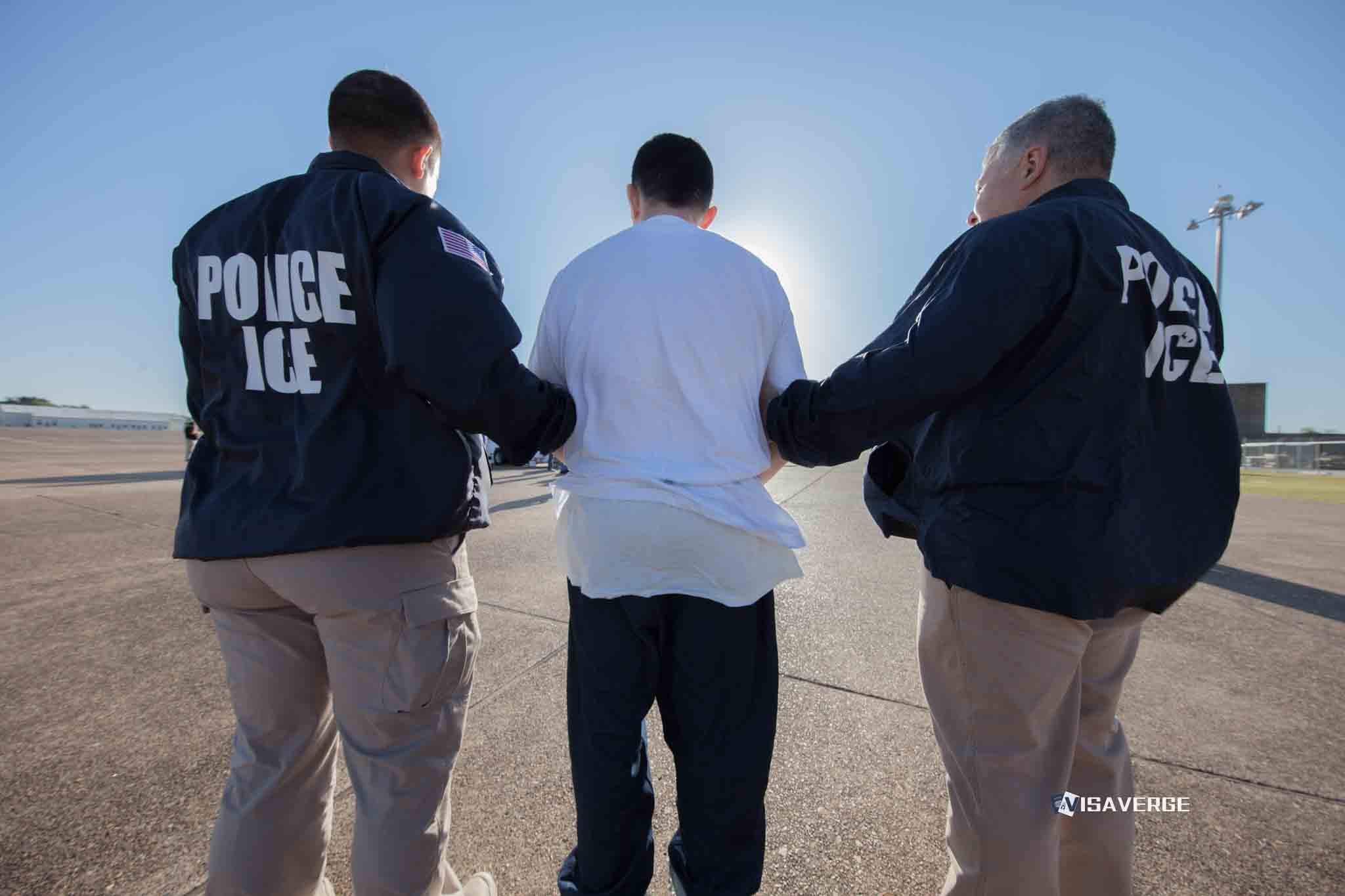
Since 2024, Georgia has seen a significant rise in deportation activity. The 287(g) program, which allows local law enforcement officers to act as immigration agents under ICE supervision, has expanded rapidly. As of March 2025, Governor Brian Kemp ordered all 1,100 sworn officers in the Georgia Department of Public Safety to receive 287(g) training. This move followed the passage of HB 1105, which requires sheriffs to cooperate with federal immigration enforcement and apply for 287(g) or similar programs.
Visual Description:
Imagine a line graph showing the number of Georgia counties participating in the 287(g) program from 2020 to 2025. The line remains steady from 2020 to 2023, then rises sharply in 2024 and 2025, reflecting the new law and increased state funding.
Community Response and Solidarity Actions
DeKalb residents have organized a range of support activities:
- Know-Your-Rights Trainings: Volunteers like Veronica Garcia Martinez host sessions to educate immigrants about their legal rights during encounters with law enforcement.
- Guardianship Forms: Over 300 guardianship forms have been distributed to help parents designate temporary caregivers for their children in case of detention or deportation. These forms are critical for ensuring children’s care continuity.
- Laminated Rights Cards: Volunteers hand out cards that explain constitutional rights, such as the right to remain silent and the right to an attorney.
- Safe Transportation Programs: Community groups are working to provide safe rides to school for children whose parents may be detained.
Visual Description:
Picture a bar chart with four bars, each representing a different community action: rights trainings, guardianship forms, rights cards, and transportation programs. The tallest bar is for guardianship forms, showing the highest level of activity.
Local Government and Policy Stance
The DeKalb County Board of Commissioners passed a resolution in early 2025 condemning federal immigration enforcement policies they see as harmful to immigrant communities. The DeKalb City Manager also issued a statement to clarify the city’s role and direct residents to the police department for questions about ICE enforcement.
Comparisons, Trends, and Patterns
Comparison with Previous Years
- Before 2024: Georgia’s cooperation with ICE was limited to a few counties. The 287(g) program was present but not widespread.
- 2024-2025: After the killing of a University of Georgia student by an unauthorized immigrant, political pressure led to HB 1105 and a surge in 287(g) partnerships. The number of counties and officers involved increased significantly.
- DeKalb County: Previously known for a more cautious approach, DeKalb now faces the same enforcement pressures as other Georgia counties, despite local government opposition.
Trends Across Georgia
- Statewide Expansion: The 287(g) program is spreading to more counties, with the Georgia Department of Public Safety leading the charge.
- Community Mobilization: As enforcement rises, so does grassroots support. More residents are attending rights trainings and preparing legal documents.
- School Policy Changes: Schools are updating their policies to protect students and families during potential ICE visits.
Patterns in Community Impact
- Increased Fear: Many immigrant families report higher levels of fear and anxiety, affecting school attendance and participation in community events.
- Legal Preparedness: There is a growing emphasis on legal education and preparedness, especially for families with children.
- Solidarity Actions: Non-immigrant DeKalb residents are increasingly involved in support efforts, showing strong community bonds.
Evidence-Based Conclusions
Impact on DeKalb Residents
The expansion of the 287(g) program and increased deportation activity have had a direct and disruptive effect on DeKalb residents, especially those in immigrant families. The fear of detention or deportation is now a daily reality for many, affecting everything from school attendance to seeking medical care. The distribution of guardianship forms and legal rights cards shows that families are preparing for worst-case scenarios, highlighting the seriousness of the threat.
Role of Community Support
Community-led actions have become a lifeline for many families. Know-Your-Rights trainings, legal aid, and transportation programs help reduce some of the risks and fears associated with increased enforcement. These efforts also strengthen community ties and provide practical tools for families facing uncertainty.
Local Government Response
While state law now requires cooperation with federal immigration enforcement, DeKalb County’s local government has taken steps to signal its opposition. The Board of Commissioners’ resolution and the City Manager’s public statements reflect a desire to protect residents and push back against what they see as harmful federal policies.
State and Federal Policy Direction
The trend toward increased enforcement is likely to continue, especially under President Trump’s second term and with strong support from state leaders like Governor Brian Kemp. Legislative sessions may bring further changes, either tightening enforcement or, in response to advocacy, introducing new protections for immigrants.
Limitations
- Data Gaps: Precise numbers on deportations and detentions in DeKalb County are not always available due to privacy and reporting restrictions.
- Rapid Policy Changes: Immigration enforcement policies can change quickly, making it difficult to predict long-term trends with certainty.
- Community Impact Measurement: The full social and emotional impact on children and families is hard to quantify, though anecdotal evidence suggests it is significant.
- Local vs. State Authority: While local governments can pass resolutions and offer support, state and federal laws ultimately control enforcement practices.
Practical Implications for DeKalb Residents
- Legal Preparedness: Families should consider filling out guardianship forms, which can be found on the Georgia Department of Human Services website, to ensure children have designated caregivers if parents are detained.
- Know-Your-Rights Education: Attending local trainings and carrying rights cards can help individuals protect themselves during encounters with law enforcement.
- Community Support: Connecting with local immigrant support groups can provide access to legal aid, transportation, and other resources.
- Staying Informed: Residents should monitor updates from the DeKalb Police Department and local government for changes in enforcement practices.
Key Stakeholders and Their Positions
| Stakeholder | Position / Role |
|---|---|
| Governor Brian Kemp | Strong supporter of 287(g) expansion and HB 1105; emphasizes public safety and immigration enforcement |
| DeKalb City Manager | Issued statements to clarify city’s role; responding to community concerns about ICE enforcement |
| Local Volunteers (e.g., Veronica Garcia Martinez) | Providing grassroots support, legal education, and guardianship assistance to immigrant families |
| DeKalb County Board of Commissioners | Passed resolution condemning federal immigration enforcement policies perceived as harmful |
| State Rep. Jesse Petrea | Sponsor of HB 1105; advocates full cooperation with federal immigration enforcement |
Background and Historical Development
Georgia has a large immigrant population, with nearly 1.3 million foreign-born residents and about 400,000 undocumented individuals as of 2016. The 2024 killing of a University of Georgia student by an unauthorized immigrant led to intense political pressure and the passage of HB 1105, which expanded the 287(g) program and required local law enforcement to cooperate with ICE. President Trump’s second term, beginning in January 2025, has prioritized mass deportations and local-federal partnerships.
Future Outlook and Anticipated Developments
- Continued 287(g) Expansion: More officers and counties in Georgia are expected to join the program, increasing deportation activity.
- Growth in Community Advocacy: As enforcement rises, so will efforts to support immigrant families through legal aid, education, and solidarity actions.
- Legislative Changes: Future sessions may see new bills aimed at either further enforcement or increased protections for immigrants.
- School and Institutional Adaptation: Schools and local institutions will keep updating their policies to protect students and families from the effects of enforcement.
Official Resources
- ICE 287(g) Program: For more information on the 287(g) program and participating agencies, visit the official ICE 287(g) program page.
- Georgia Department of Public Safety: Oversees officer training and enforcement coordination.
- DeKalb Police Department: Handles local enforcement questions and community concerns.
- Local Immigrant Support Groups: Offer legal aid, rights education, and guardianship assistance.
According to analysis by VisaVerge.com, the expansion of the 287(g) program in Georgia has led to a sharp increase in deportation activity, with DeKalb residents feeling the effects most acutely in their daily lives and community relationships.
Actionable Takeaways
- For Immigrant Families: Prepare legal documents, attend rights trainings, and connect with support groups to reduce risk and ensure children’s safety.
- For Community Members: Volunteer with local organizations, distribute rights cards, and advocate for policies that protect vulnerable neighbors.
- For Local Leaders: Continue to communicate clearly about enforcement practices and support community-led initiatives.
- For All Residents: Stay informed about policy changes and available resources to help friends, neighbors, and family members affected by deportation activity.
In summary, the increase in deportation activity and funding in DeKalb County, driven by the expansion of the 287(g) program and new state laws, has created significant challenges for immigrant families. However, the strong response from DeKalb residents—through legal preparedness, solidarity actions, and community support—shows the power of collective action in the face of difficult circumstances. While the future remains uncertain, ongoing advocacy and practical support will be essential for protecting the rights and well-being of all DeKalb residents.
Learn Today
287(g) Program → A federal program allowing local officers to enforce immigration laws under ICE supervision.
HB 1105 → Georgia state law requiring local law enforcement cooperation with federal immigration authorities.
ICE → U.S. Immigration and Customs Enforcement, federal agency managing immigration enforcement and deportation.
Guardianship Forms → Legal documents designating temporary caregivers for children if parents are detained or deported.
Know-Your-Rights Trainings → Community sessions educating immigrants about legal rights during encounters with authorities.
This Article in a Nutshell
DeKalb County sees rising deportations driven by expanded 287(g) enforcement under HB 1105. Community solidarity actions include rights education, guardianship forms, and legal support to protect immigrant families facing increased fear and disruption.
— By VisaVerge.com