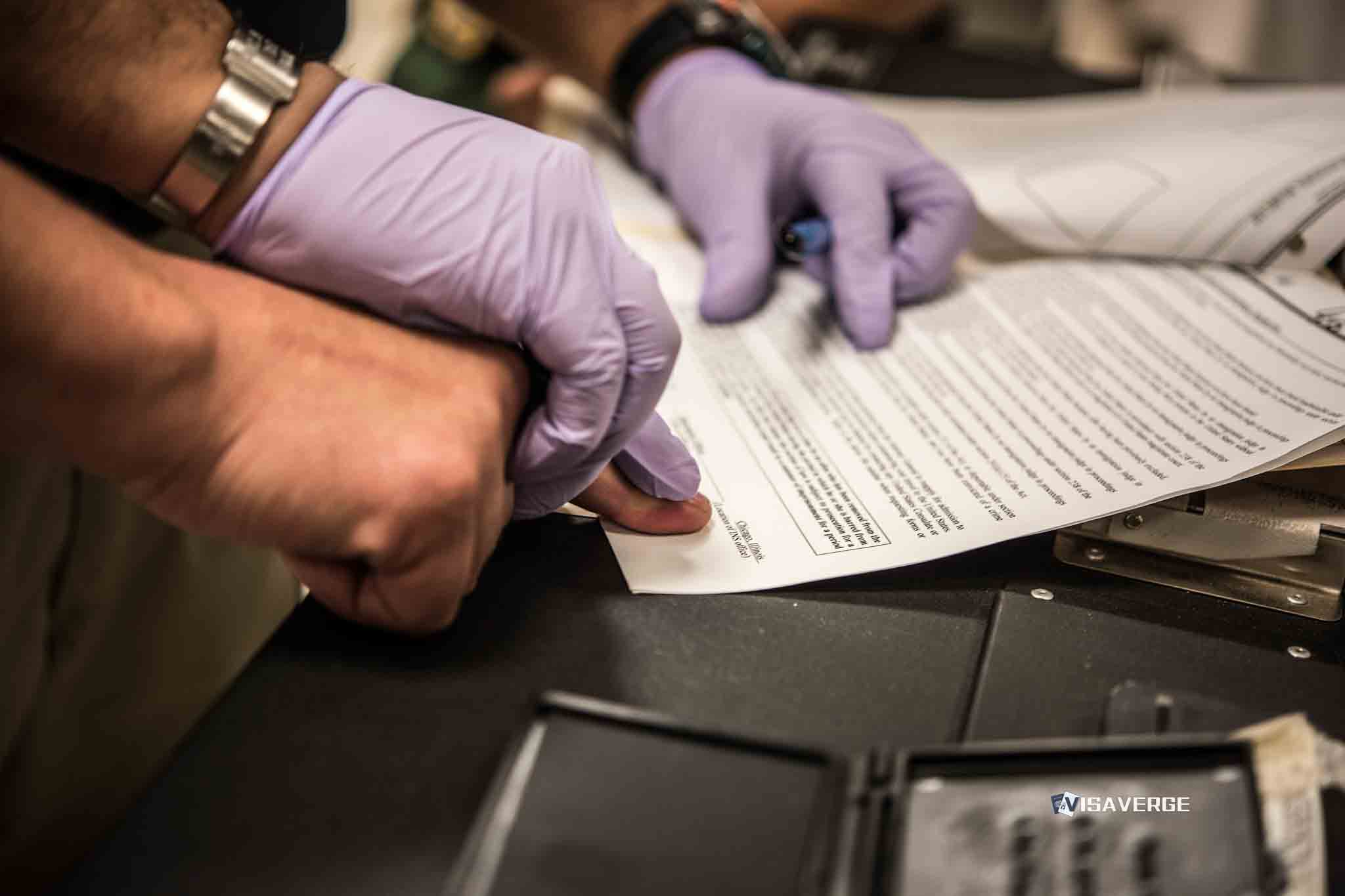
(GEORGIA) Community questions about a Crest High graduate separated from family and taken to a detention facility in Georgia have grown in recent days. As of August 14, 2025, no public record or official statement confirms that specific case. Still, the state’s tougher enforcement environment and active federal removals make similar situations more likely, especially for young adults who finish high school and live in mixed‑status families.
State and federal enforcement have increased detentions in Georgia since 2024, with a focus on people flagged by local arrests or jail bookings and those with criminal histories. Family separations often follow when a parent or young adult is transferred to immigration custody while the rest of the household remains at home.
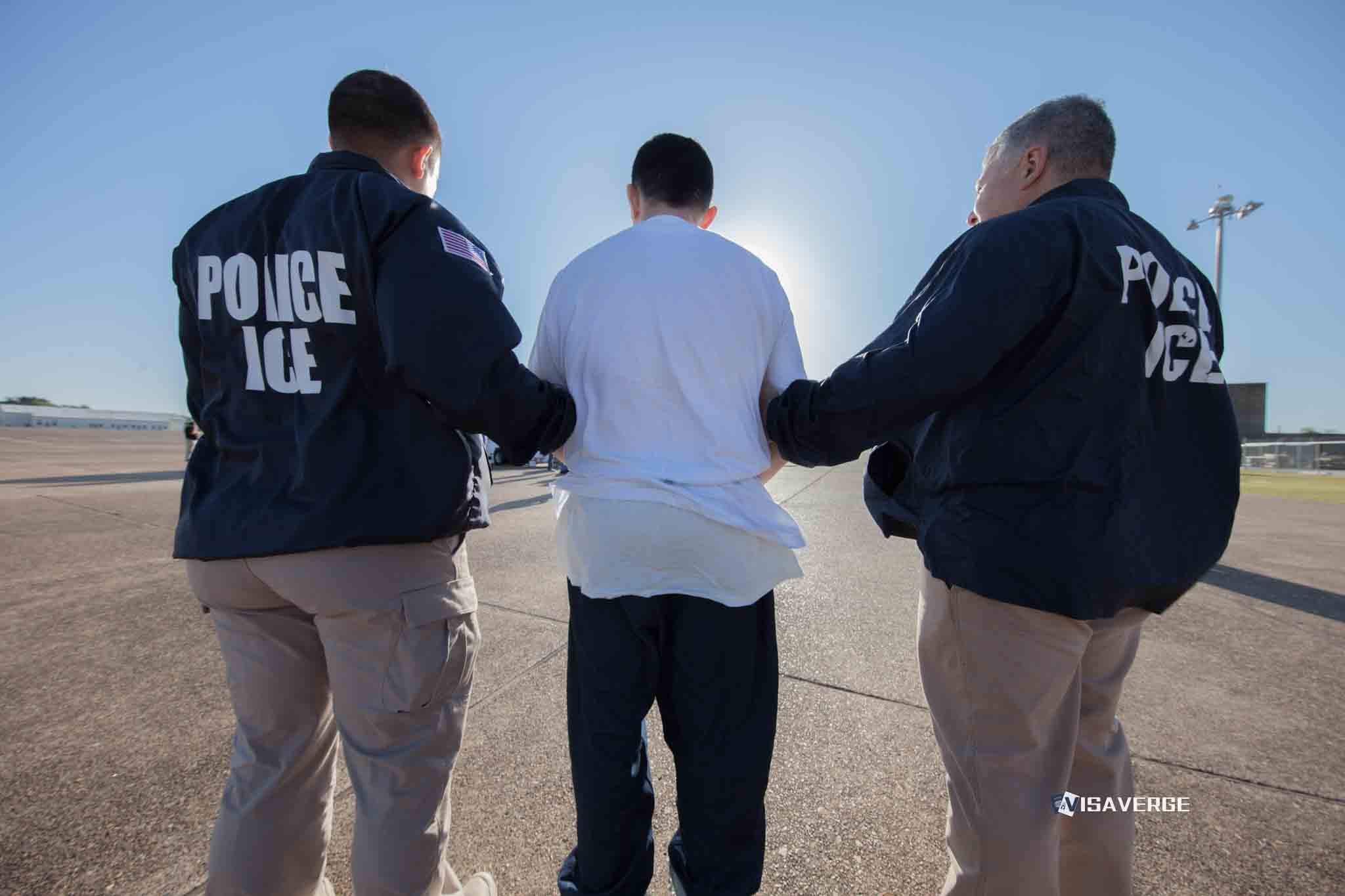
According to analysis by VisaVerge.com, tighter state‑federal cooperation over the last year has led to more people being held while they wait for immigration court hearings. That trend adds stress for schools, churches, and local support groups that try to help.
Free toolUSCIS Receipt Number DecoderKey policy driver: HB 1105
At the center of the policy shift is House Bill 1105, the Georgia Criminal Alien Track and Report Act of 2024, signed into law on May 1, 2024. The law:
- Directs local police and sheriffs to check immigration status in more situations.
- Bans sanctuary policies.
- Pushes jails to work closely with federal officers.
In practice, this means more referrals to immigration custody after traffic stops or bookings, and more families facing sudden separation.
Policy context in Georgia
Georgia’s approach since 2024 has been to expand cooperation with federal immigration authorities. Under HB 1105, local agencies are pressed to notify federal officers when they hold a person who may be removable under federal law.
Supporters say this improves public safety. Critics argue it encourages racial profiling and can sweep in long‑time residents with deep family ties.
At the federal level in 2025:
- Removals have risen, especially for those with past convictions or gang markers.
- Workplace operations have increased, leading to arrests at job sites.
- When arrests happen at a job site or during a jail release, people can be transferred to a Georgia detention facility far from their families, complicating hiring a lawyer, gathering documents, or maintaining contact with children.
Juvenile system interactions
The Georgia Department of Juvenile Justice (DJJ) has expanded staffing and graduated new juvenile correctional officers across several counties. DJJ facilities:
- Serve youth up to age 21 and focus on rehabilitation.
- Are separate from immigration detention.
Important distinction: A Crest High graduate who is 18 or older and held by ICE would not go to a DJJ site; they would be in federal immigration custody or a contracted county jail. But when families face both juvenile court and immigration issues simultaneously, stress and coordination problems increase.
Advocacy and classroom impact
Advocacy groups in Georgia continue to challenge parts of HB 1105 and related practices in court. Their concerns include:
- Broad status checks harming due process and family unity.
- The end of some humanitarian programs and changes to Temporary Protected Status (TPS) in 2025 leaving more people without a safety net, increasing detention risk.
Effects on schools are noticeable:
- Teachers report students worrying about a parent’s return at night.
- School counselors note more anxiety in homes touched by a recent arrest.
Families, schools, and local organizations are experiencing tangible fallout from increased enforcement and tighter agency cooperation.
Steps families can take if a loved one is detained
For families worried about a Crest High graduate or any loved one in Georgia, quick action can preserve options. The following steps are practical and widely recommended by legal aid groups:
- Use the ICE Online Detainee Locator System (ODLS) to search by A‑Number or biographical data. This tool helps confirm where a person is held and the detention facility’s contact rules. Official site: https://locator.ice.gov/odls
- Ask for the A‑Number (alien registration number). This 8‑ or 9‑digit identifier is key for locating the person, calling the detention facility, and checking court dates.
- Request a copy of the I‑862, Notice to Appear, which lists the government’s charges in immigration court and explains why DHS says the person is removable. Official form page: https://www.uscis.gov/i-862
- Track court dates and address changes with EOIR‑33, Change of Address if the detainee is moved or the family moves. Missing mail from the court can cause a removal order. Official form page: https://www.justice.gov/eoir/form-eoir-33-eoir-immigration-court-listing
- Call multiple attorneys. Detention cases move fast. Ask about bond, parole, or release on recognizance.
- If bond is possible, gather documentation such as pay stubs, letters from employers, proof of school attendance, and proof of family ties.
- Keep all records in one folder: include the I‑862, bond receipts, court notices, and evidence of positive factors like community service or school awards.
- Prepare for transfers. Detainees can be moved between Georgia sites or out of state with little warning. Check the ODLS daily after a transfer.
- Watch for scams. Only a licensed attorney or DOJ‑accredited representative can give legal advice. Always ask for a written agreement and a receipt for any payment.
Bond hearings and legal limits
- Immigration judges may set bond if the person is not subject to mandatory detention.
- Judges evaluate flight risk and danger to the community.
- Evidence that can help at bond hearings includes:
- Steady work
- School completion (for example, a diploma from Crest High)
- Strong family ties in Georgia
If bond is denied, attorneys can seek a new hearing if circumstances change. However, policy limits remain:
- Some people face mandatory detention because of certain criminal convictions.
- Others may have old removal orders that block bond and accelerate removal.
In such cases, legal counsel can explore motions to reopen, fear‑based screenings (asylum/withholding), or other forms of relief.
Practical planning for mixed‑status households
For mixed‑status families, planning reduces disruption. Recommended steps:
- Keep copies of birth certificates, passports, school records, and medical files in a safe, accessible place.
- Choose a childcare plan in case a parent is detained.
- Tell school staff who is authorized to pick up minors if a parent is taken during the day.
Who says what
- State leaders maintain that tighter rules improve safety.
- Immigrant families and faith groups say the rules separate homes and erode trust in local police.
- Governor Brian Kemp has supported strict measures like HB 1105.
- The Georgia Department of Juvenile Justice, led by Commissioner Shawanda Reynolds‑Cobb, stresses rehabilitation for youth but operates apart from federal immigration custody.
The two systems can create complex interactions in families, but they remain distinct.
Outlook
Georgia is expected to maintain alignment with federal enforcement for the near term. Possible changes:
- If court challenges succeed in altering HB 1105 or detention practices, families could see fewer holds after minor arrests.
- For now, the combination of state cooperation and federal priorities leads to faster transfers to detention and higher stakes for people without legal status.
For readers asking about the Crest High claim: the present public record shows no verified, detailed report of that specific case. The broader pattern in Georgia — more referrals from local jails, tougher laws, and greater use of detention while cases proceed — explains why many fear such incidents could occur.
Families who act early — by locating their loved one, securing records, and seeking legal help — stand a better chance of keeping their case on track and preserving family unity.
This Article in a Nutshell
Georgia’s HB 1105 expanded local-federal cooperation, raising detentions and family separations. Schools and advocates report rising anxiety. Families should locate detainees via ICE ODLS, request A‑Numbers and I‑862s, call attorneys, and prepare documents quickly to preserve bond and legal options amid faster transfers and stricter enforcement.