- A Chittenden County deputy shared Jimenez’s location with U.S. Border Patrol during a Vermont traffic stop.
- Jimenez was deported to Mexico within three weeks, prompting statewide questions about FIPP compliance.
- Vermont officials cite a June thirty, twenty twenty-six report; ICE had more than 2,100 contracts nationwide by late July.
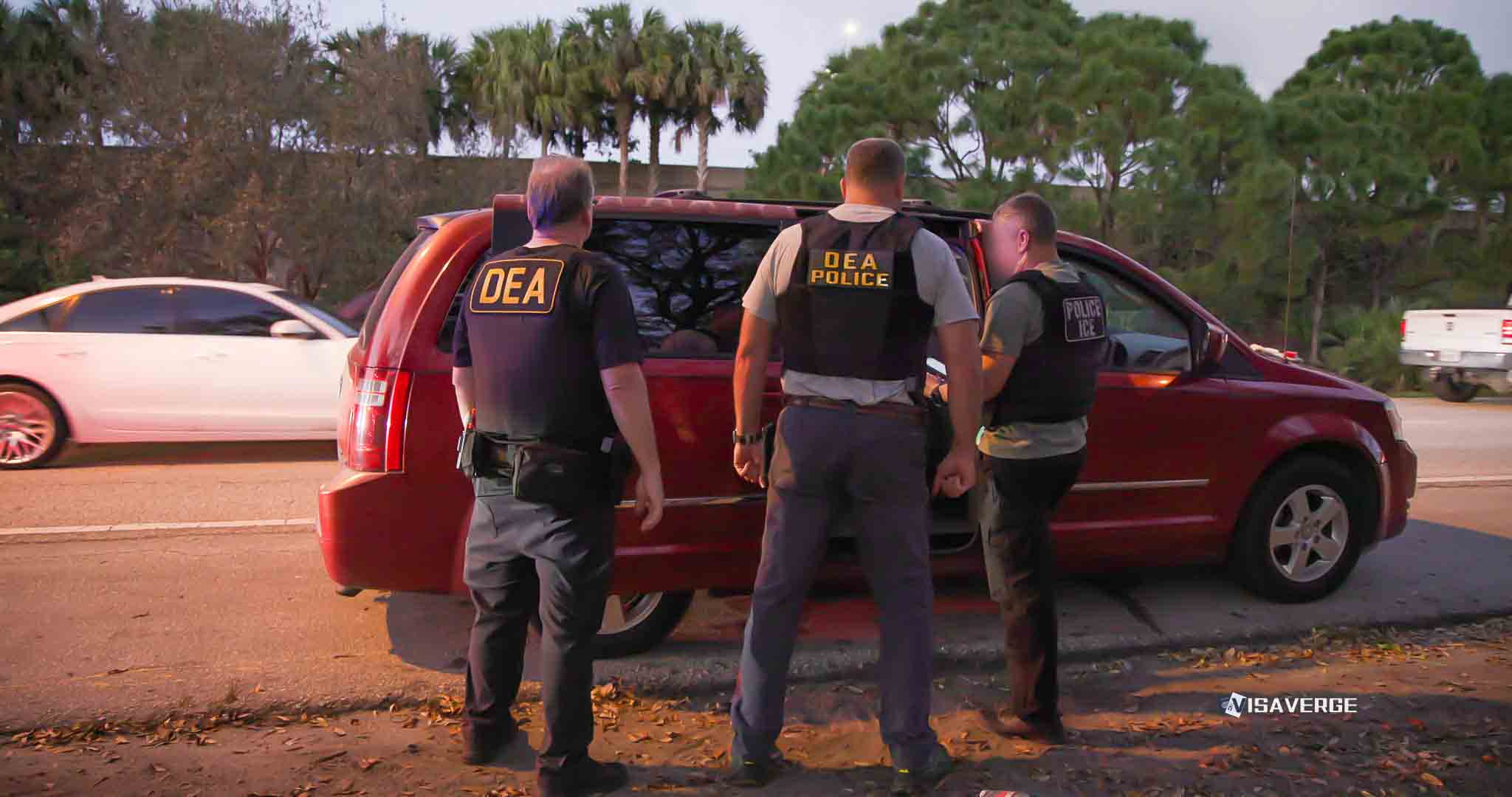
A Chittenden County Sheriff’s deputy shared a Vermont farmworker’s location with federal immigration agents during a traffic stop, and Alex Jimenez was deported to Mexico within three weeks. Reports about the incident surfaced on August 13, 2026.
Jimenez, 22, was stopped in Vermont before a deputy used a personal cellphone to contact U.S. Border Patrol. The information moved through a private text message.
Free toolUSCIS Receipt Number Decoder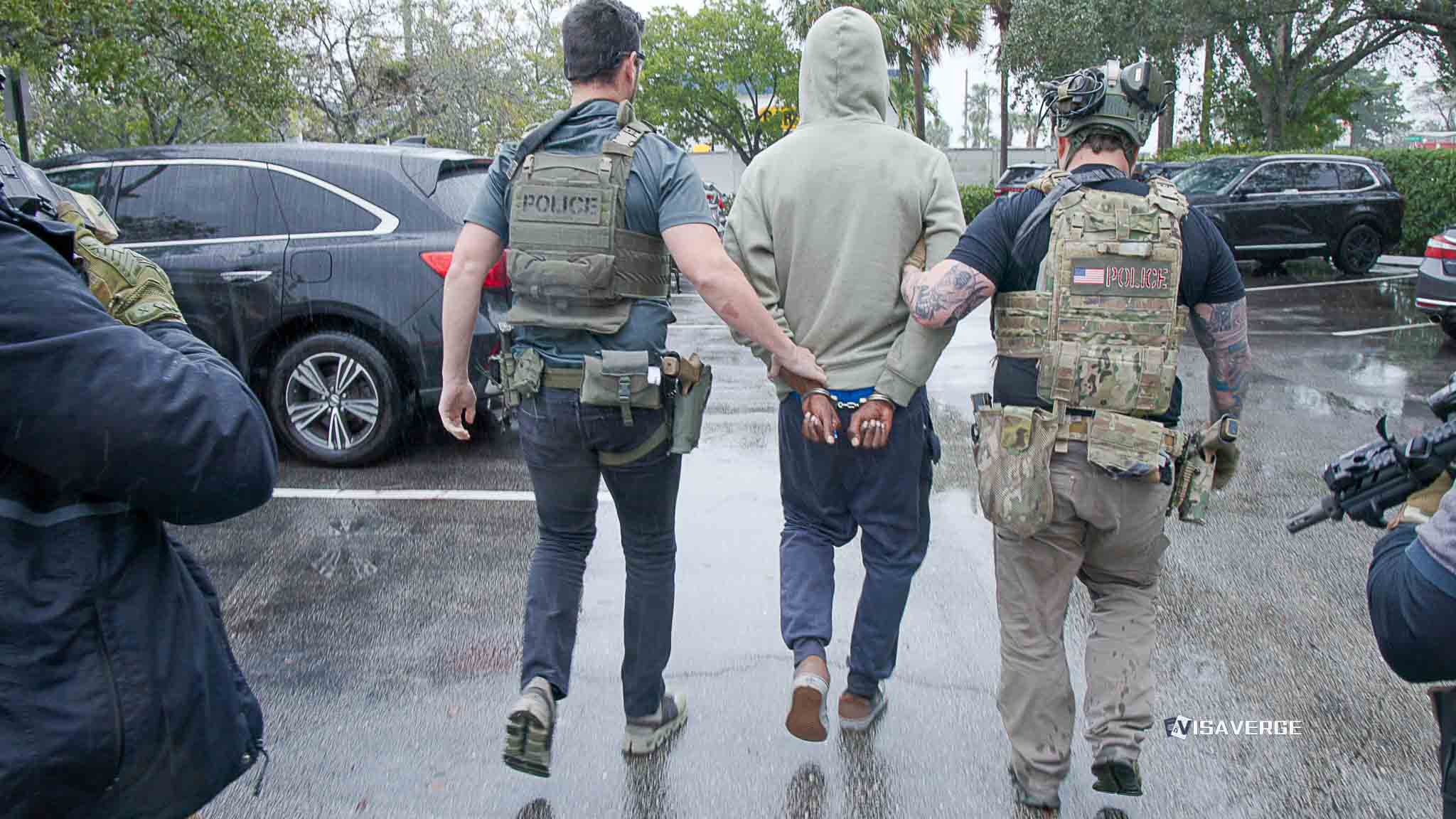
The episode has intensified a statewide debate over compliance with Vermont’s Fair and Impartial Policing Policy, or FIPP. The policy generally bars local authorities from assisting with federal civil immigration enforcement.
Jimenez was a local farmworker. His case has focused attention on how a local police encounter can connect with federal removal efforts.
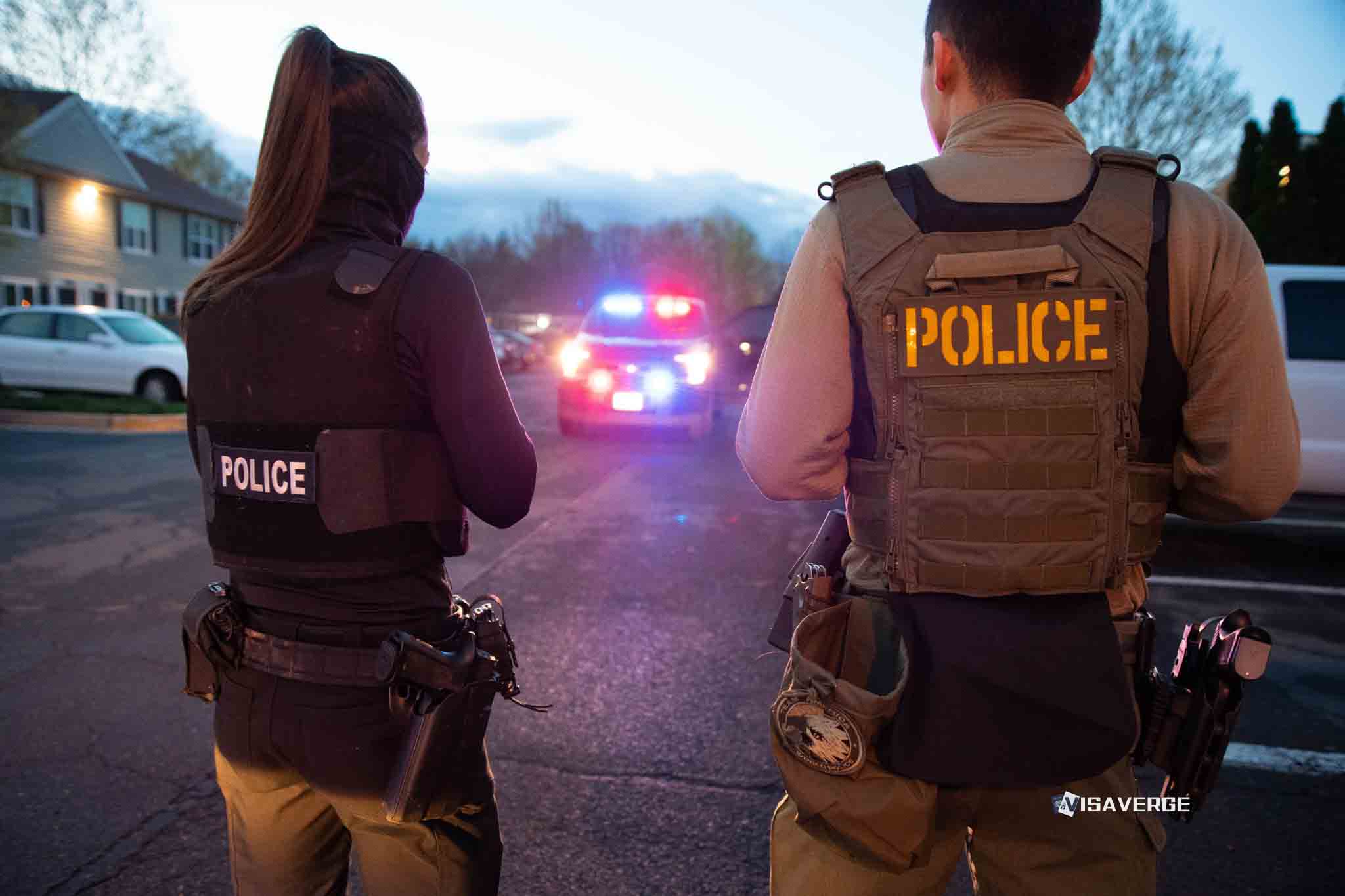
The incident also follows a federal push to enlist local law enforcement. DHS Secretary Markwayne Mullin has promoted those partnerships through funding, equipment and formal agreements.
Mullin discussed the 287(g) program at the National Sheriffs’ Association convention in June 2026.
“Partnership is vitally important. If you partner with us with the 287(g) program, we can pay some of your deputies' salaries. We can pay for equipment. We can even pay for vehicles, too.”
A Vermont compliance report had already identified informal cooperation
A June 30, 2026 report from the Vermont Criminal Justice Council found multiple agencies out of compliance with the state’s model policy. The Essex County Sheriff’s Department was among the agencies identified.
The report linked the noncompliance to continued informal cooperation with federal agents. That finding gives the Jimenez incident a broader state-policy context.
Vermont’s rule generally limits local assistance in federal civil immigration enforcement. The reported cellphone contact has raised questions about whether those limits were followed in this case.
The disagreement reflects two different systems. Vermont’s policy restricts local involvement in federal immigration enforcement, while federal agencies continue building relationships with local departments.
Federal programs now offer local agencies money and immigration duties
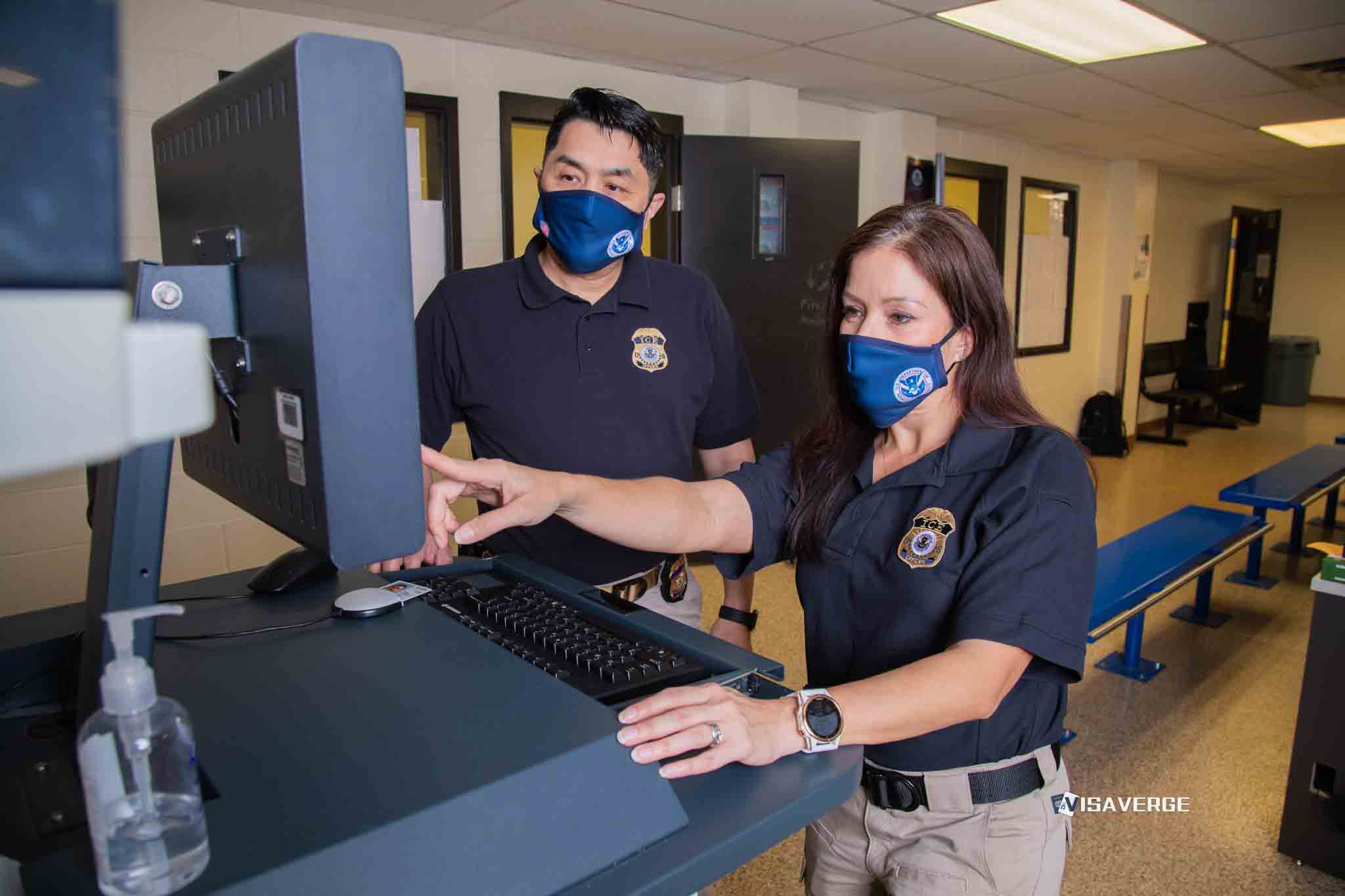
ICE had signed more than 2,100 contracts with local law enforcement agencies by late July 2026, a record high. The agreements can authorize local officers to perform federal immigration functions, including interrogating people about their status.
Operation Stonegarden provides another channel for federal-local cooperation. DHS and FEMA allocated funding for the program in Fiscal Year 2026, while Vermont departments received annual support through it.
| Federal-local program or funding stream | Figure | Timing or scope |
|---|---|---|
| 287(g) contracts | More than 2,100 | Late July 2026, nationwide record |
| Operation Stonegarden allocation | $584.25 million | Fiscal Year 2026, DHS/FEMA |
| Operation Stonegarden funding in Vermont | More than $760,000 annually | Vermont local departments |
DHS has described participating local agencies as “force multipliers” for ICE and federal border operations. The 287(g) expansion and Stonegarden funding have become central to arguments about how state restrictions operate alongside federal programs.
Critics refer to that tension as the “Stonegarden loophole.” They argue that the program can allow local officers to act as federal agents while wearing local uniforms, creating an enforcement system that state regulators may find difficult to oversee.
Vermont is not alone in limiting local involvement with ICE. California and New York have also adopted laws or policies restricting entanglement with federal immigration enforcement.
Vermont’s rules collide with federal border-security incentives
The federal money is directed toward border-security work. In Vermont, that funding can conflict with state sanctuary or impartial-policing rules that limit local cooperation with federal immigration authorities.
Operation Stonegarden and the 287(g) Task Force Model create incentives for departments to work more closely with federal agencies. The state’s FIPP policy sets a different expectation for local officers.
Those programs do not all operate in the same way. A 287(g) contract can authorize specified federal immigration functions, while Stonegarden funding supports border-security activity. The Jimenez case involves a direct communication between a deputy and federal agents.
Mullin has presented cooperation as part of the administration’s deportation campaign. In a DHS statement dated August 13, 2026, he said federal officers had removed people accused of serious offenses and credited President Trump’s leadership.
“Every day, the brave men and women of ICE are arresting and deporting illegal aliens from our country. In the last week, we've deported killers, drunk drivers, rapists, and violent assailants. It's no wonder that crime rates across the country have fallen to historic lows. Deporting illegal aliens saves lives. Thanks to President Trump's leadership, we are making America safe again.”
Advocates say the local connection can deter crime reporting
Migrant Justice said incidents like the Vermont case “shatter community trust.” The group reported that some immigrants fear reporting crimes or interacting with local police because those contacts could lead to deportation.
The family consequences can extend beyond the person detained. At least 32 children of immigrants entered foster care across seven states in 2026 after their parents were detained or deported following local police stops.
Vermont and Kentucky were among the seven states included in that figure. The number describes children whose parents faced detention or deportation after encounters with local police.
DHS Assistant Secretary for Public Affairs Tricia McLaughlin addressed child separations in a statement issued in early 2026.
“ICE does NOT separate families. Parents are asked if they want to be removed with their children or ICE will place the children with a safe person the parent designates. This is consistent with past administration's immigration enforcement.”
The administration describes removal procedures differently from immigrant-rights advocates. McLaughlin said parents can choose to leave with their children or designate someone to care for them. Migrant Justice has pointed to foster-care placements after parents were detained or deported.
Jimenez’s case puts informal contact at the center of the dispute
The Vermont episode does not concern only federal contracts or grant totals. It concerns the reported sharing of information during a local traffic stop.
A deputy’s personal cellphone and a private text message connected Jimenez’s location to federal agents. His deportation to Mexico followed within three weeks of the stop.
The Vermont Criminal Justice Council’s June 30, 2026 findings identified continued informal cooperation with federal agents as a compliance problem at multiple agencies. The Jimenez case has brought that issue into a specific public dispute involving a Chittenden County deputy.
Federal officials continue to offer local departments a combination of immigration authorities, operational partnerships and financial support. Vermont’s policing policy generally prohibits local assistance in federal civil immigration enforcement.
The competing policies now meet in the details of individual police encounters. Jimenez’s case began with a traffic stop and ended with his deportation to Mexico within three weeks.
This article provides general information and is not legal advice. Consult a qualified immigration attorney about your specific case.