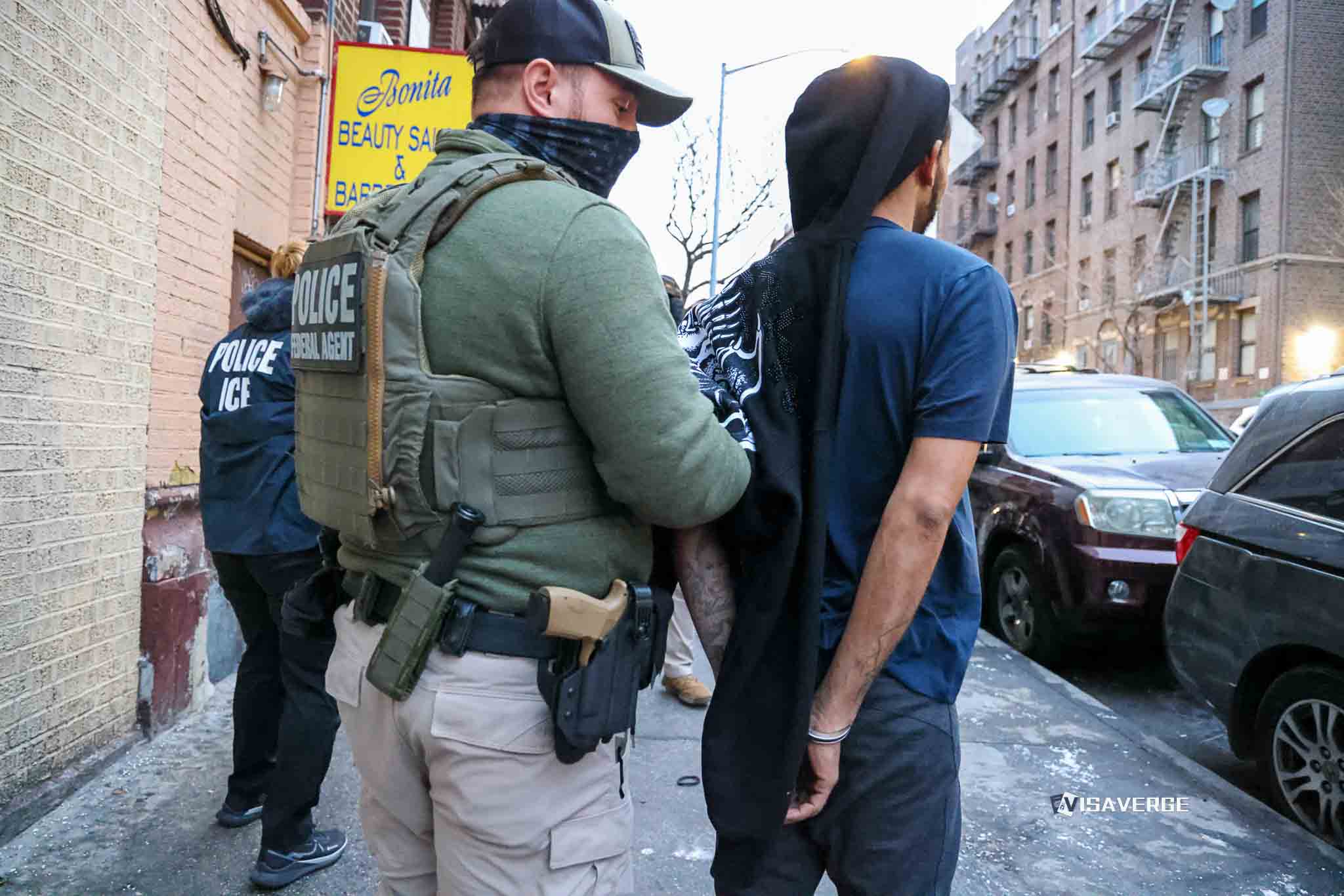
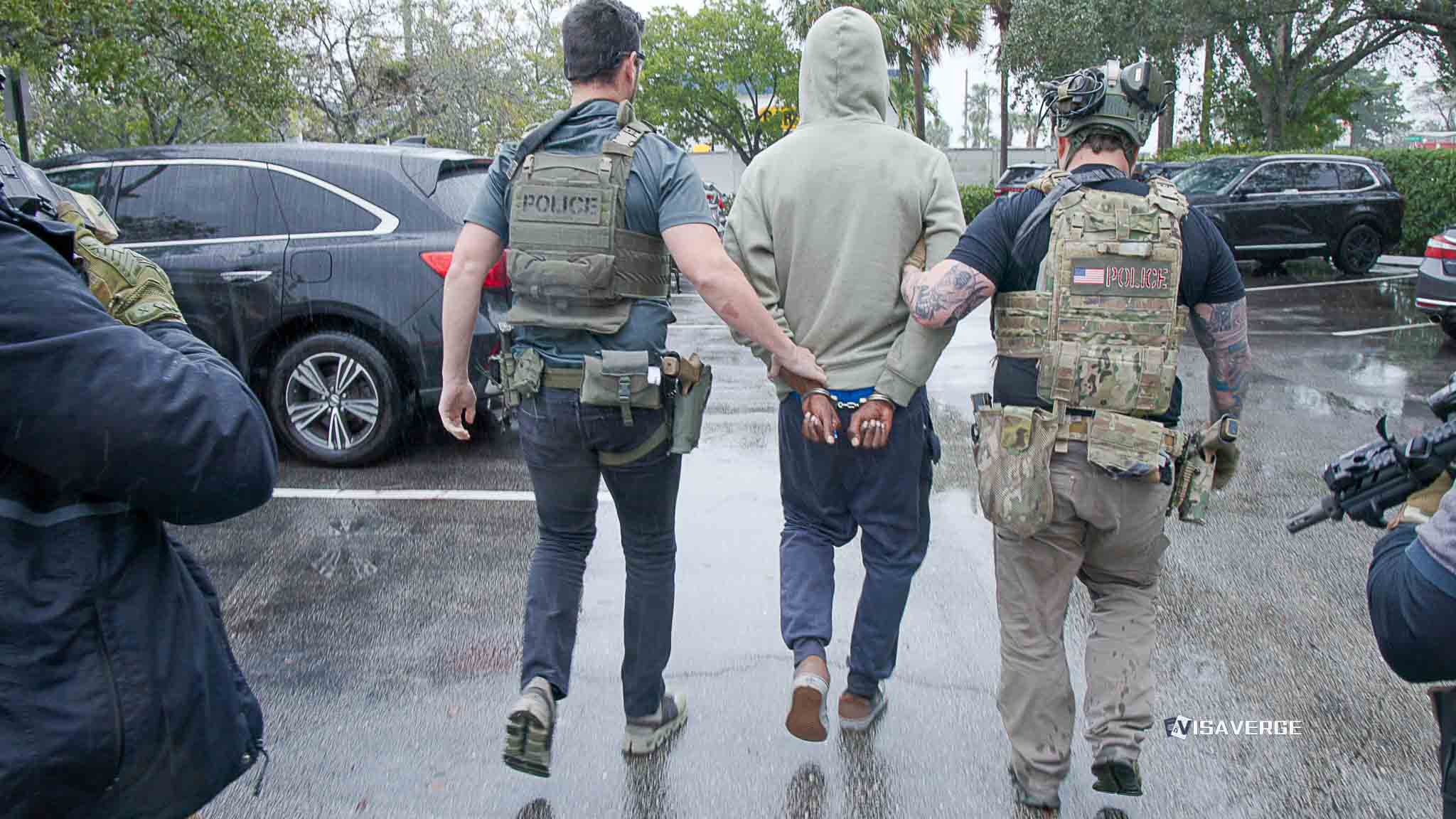
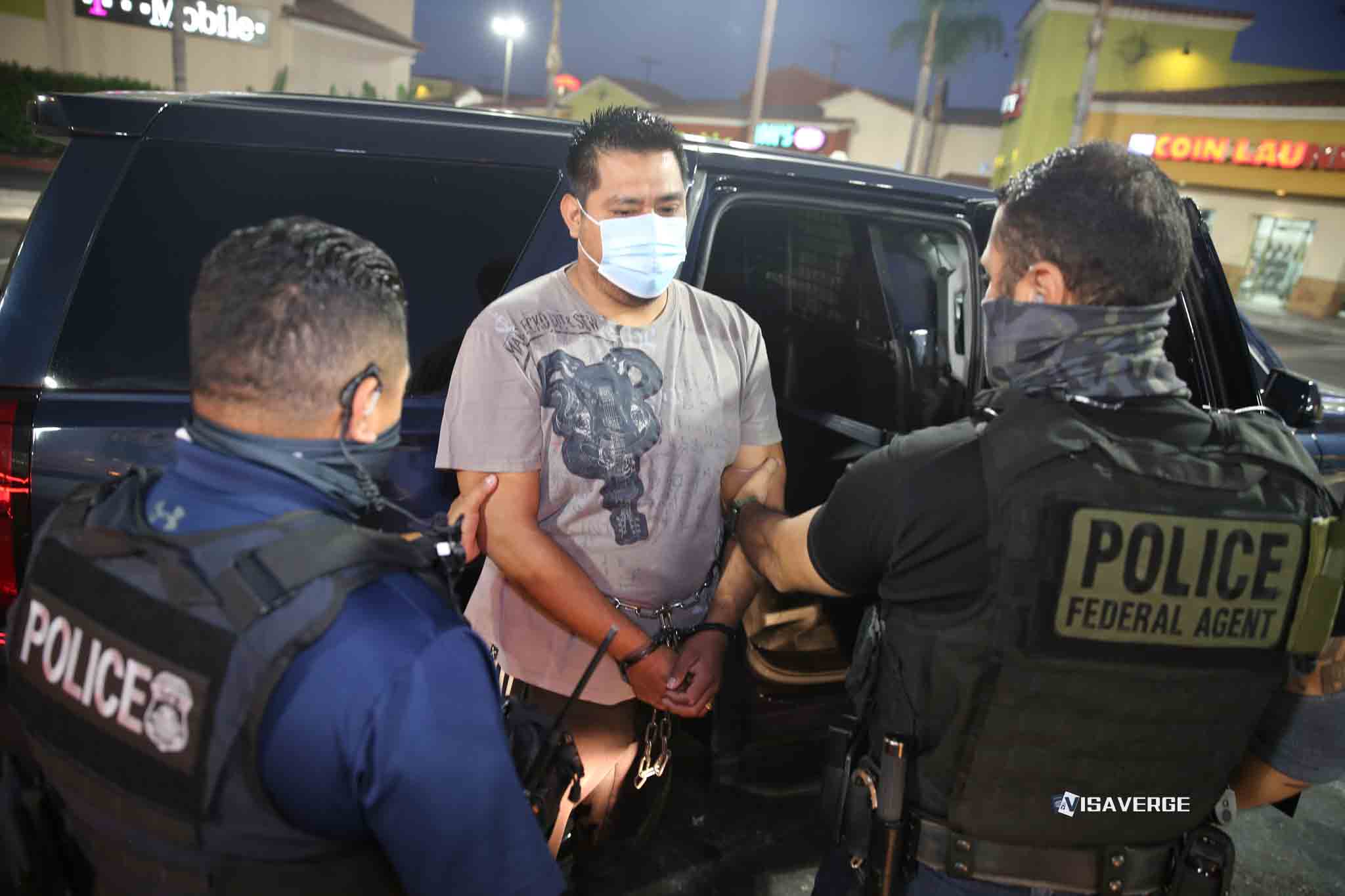
Vermont Governor Phil Scott refused a July 2025 request from the Trump administration to send Vermont National Guard troops to help Immigration and Customs Enforcement (ICE) with a federal immigration crackdown. This move highlights the growing divide between states over their role in federal immigration enforcement.
On July 31, 2025, Phil Scott publicly denied the Trump administration’s request for Vermont National Guard deployment. The request was part of a larger federal effort in 2025 to get more state support for immigration enforcement. Some states, like Idaho, have chosen to help ICE, while Vermont has taken a different path.
Free toolUSCIS Receipt Number Decoder
Key Details and Stakeholders
- Phil Scott: As Vermont’s governor, he decided not to use the Vermont National Guard for federal immigration enforcement, showing a clear difference in policy from the Trump administration.
- Trump Administration: Sought more help from states and their National Guard units to support ICE operations targeting undocumented immigrants.
- Other States: Idaho’s Governor Brad Little signed Executive Order 2025-03, allowing the Idaho National Guard to work with ICE and transport undocumented immigrants from state jails to federal detention centers.
Policy Implications
| India | China | ROW | |
|---|---|---|---|
| EB-1 | Feb 01, 2023 ▲109d | Jul 01, 2023 | Current |
| EB-2 | Nov 01, 2013 | Oct 01, 2021 ▲30d | Jan 01, 2025 |
| EB-3 | Jan 01, 2014 | Jan 08, 2022 ▲7d | May 15, 2024 ▼109d |
| F-1 | Jan 22, 2020 | Jan 22, 2020 | Jan 22, 2020 |
| F-2A | Sep 22, 2026 ▲31d | Sep 22, 2026 ▲31d | Sep 22, 2026 ▲31d |
Vermont’s refusal means the federal government cannot use state military resources for immigration enforcement in Vermont. This keeps Vermont’s tradition of resisting aggressive federal immigration crackdowns. In contrast, states like Idaho and others in the South and West have increased cooperation, creating a patchwork of responses across the country.
The Trump administration’s strategy depends on states agreeing to help. States are not forced to send their National Guard for immigration enforcement unless the federal government takes control of the Guard, which has not happened in this case.
Background and Legal Context
The use of state National Guard units for federal immigration enforcement has been debated for years. States have the right to decide unless the Guard is federalized under Title 10 of the U.S. Code. In 2025, some states have passed laws to either support or limit state involvement in federal immigration enforcement. For example, Missouri’s SB58 allows states to work together on border security without waiting for federal approval.
Perspectives and Reactions
Supporters of Phil Scott’s decision argue that state resources should stay focused on local needs, especially in states with fewer undocumented immigrants. Critics say that not helping ICE weakens national security and point to Idaho as a model for supporting federal efforts. Legal experts note that unless the federal government takes control of the National Guard, governors like Phil Scott have the final say.
What Happens Next?
If the Trump administration pushes harder, it could try to federalize state National Guard units, but this would likely lead to legal and political fights. Vermont lawmakers may also consider making laws to block state participation in federal immigration enforcement. The split between states helping and resisting federal crackdowns is expected to grow.
For more on ICE’s role and federal immigration enforcement, visit the official U.S. Immigration and Customs Enforcement website.
As reported by VisaVerge.com, Vermont’s stance is likely to shape future debates about state and federal roles in immigration enforcement, with more legal and political battles expected in the coming year.
Learn Today
Vermont National Guard → State military force controlled by Vermont’s governor unless federalized by the U.S. government.
ICE → Immigration and Customs Enforcement, federal agency enforcing immigration laws and detaining undocumented immigrants.
Federalize → To transfer control of state National Guard units to the federal government under legal authority.
Title 10 → U.S. Code allowing federal government to assume command of National Guard for federal missions.
Executive Order 2025-03 → Idaho’s 2025 directive permitting National Guard support for ICE immigration operations and detainee transfers.
This Article in a Nutshell
Vermont Governor Phil Scott denied the Trump administration’s July 2025 request to use the National Guard for immigration enforcement, highlighting state resistance amid growing federal demands and contrasting sharply with states like Idaho that comply with ICE operations.
— By VisaVerge.com