- Chicago Police finalized new reporting procedures for documenting suspected criminal misconduct by federal immigration agents.
- Officers must record enforcement activities, identify federal supervisors, and provide immediate medical aid during encounters.
- Preserved evidence of suspected felonies will be referred to prosecutors for potential legal review and action.
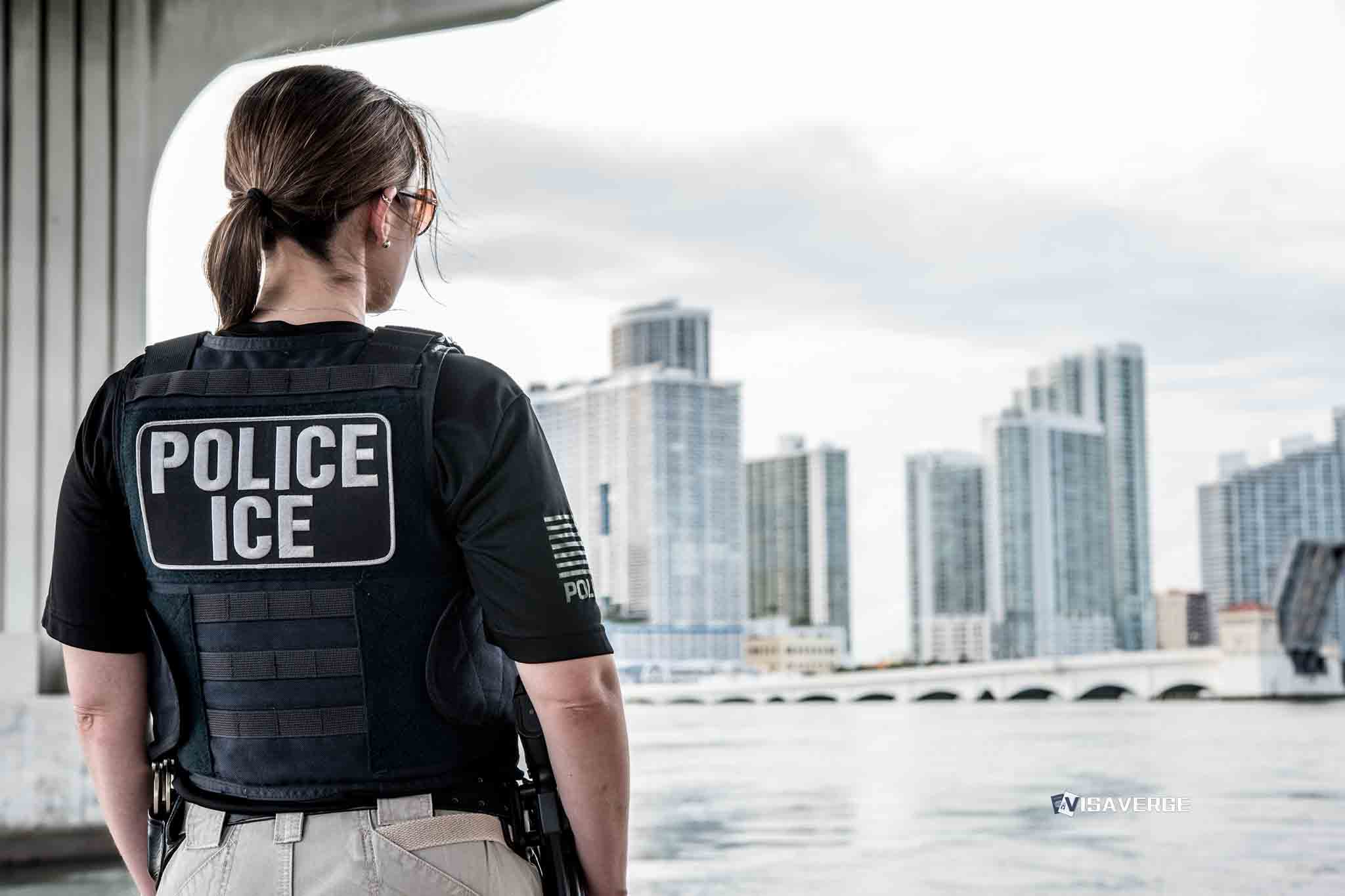
The Chicago Police Department finalized procedures July 17 for documenting suspected criminal misconduct by federal immigration agents, putting into operation a mayoral order issued six months earlier. The rules cover recordings, supervisor identification, medical aid and evidence preservation.
Mayor Brandon Johnson signed Executive Order 2026-01, known as “ICE On Notice,” on January 31, 2026. The order directed the department to establish a process for handling suspected violations of state law by federal officers.

The new guidance applies when ICE or Border Patrol personnel may have violated state or local law. It does not suspend ordinary police duties during those encounters.
Officers must still respond to injuries. They must immediately summon medical services and render aid to any injured person, even if a federal agent is the suspected subject of a crime.
Much of the directive connects the new situation to existing department procedures. The document clarifies how officers should apply those rules when federal enforcement activity may also involve a state-law offense.
Federal officials have criticized Chicago’s sanctuary policies. In February 2026, Department of Homeland Security officials described those policies as a “continued barrier to cooperation” between local and federal authorities and said they could shield criminal elements.
Tricia McLaughlin, an Assistant Secretary for the Department of Homeland Security, issued a sharper response on January 31.
“These claims of criminal misconduct by ICE law enforcement are FALSE. Under President Trump and Secretary Noem, ICE is held to the highest professional standard and officers regularly receive ongoing training.”
Chicago officers now have four duties when federal conduct may violate state law
The guidance gives officers a defined response rather than leaving each encounter to informal judgment. The required steps include recording the activity, identifying the federal supervisor, providing emergency assistance and preserving possible felony evidence.
| Required action | Direction to officers |
|---|---|
| Record activity | Use body-worn cameras during federal enforcement activity, including use of force, detentions and injuries |
| Identify supervision | Seek the federal supervisory officer at the scene and attempt to verify the person’s name and badge number |
| Provide medical aid | Immediately summon medical services and render aid to any injured person |
| Preserve cases | Preserve evidence of suspected felony violations and refer it to the Cook County State’s Attorney’s Office for review and potential prosecution |
The recording requirement reaches the central events of an enforcement encounter. Body-worn camera footage should capture force, detention activity and injuries when those events occur.
Identification comes next. Officers must seek the federal supervisory officer and try to confirm the supervisor’s name and badge number.
The referral process does not decide whether a crime occurred. It sends preserved evidence to the Cook County State’s Attorney’s Office for review and potential prosecution.
Medical response remains separate from that review. A suspected federal offense does not allow local officers to delay treatment or other immediate public-safety work.
Illinois law bars local resources from assisting civil immigration enforcement
The procedures align with the 2026 Illinois Immigrant Safety Act, which prohibits state and local resources from being used to assist in federal civil immigration enforcement. The guidelines address possible criminal misconduct, while federal agencies retain responsibility for carrying out federal immigration operations.
Johnson and advocates have linked the policy to rebuilding trust in local law enforcement after several high-profile incidents. They cited the fatal shooting of Silverio Villegas González in Franklin Park and the wounding of Marimar Martinez in Brighton Park.
The new process gives residents and officers a formal route for documenting alleged abuses during federal activity. Federal authorities maintain that local investigations may be legally prohibited when the conduct occurred during official duties.
That creates a division over both evidence and jurisdiction. Chicago’s procedures tell officers what to record and where to send suspected felony evidence; federal authorities dispute the reach of local inquiries into federal work.
The guidance also preserves a basic boundary between policing and immigration enforcement. Local officers can document conduct that may violate state or local law without taking over federal civil immigration operations.
The directive arrives six months after Johnson’s order
Johnson signed the executive order on January 31, 2026. The police procedures followed on July 17, 2026.
The delay placed the department’s new instructions against a backdrop of expanding federal immigration enforcement and continuing disagreement over sanctuary policies. The finalized guidance now gives officers a written sequence for encounters involving ICE or Border Patrol personnel.
The department’s directives and policies are published through its official policy materials, while the mayor’s order appears on the City of Chicago executive order page. The procedures require documentation first, followed by evidence preservation and referral when suspected felony conduct is involved.
This article provides general information and is not legal advice. Consult a qualified immigration attorney about your specific case.