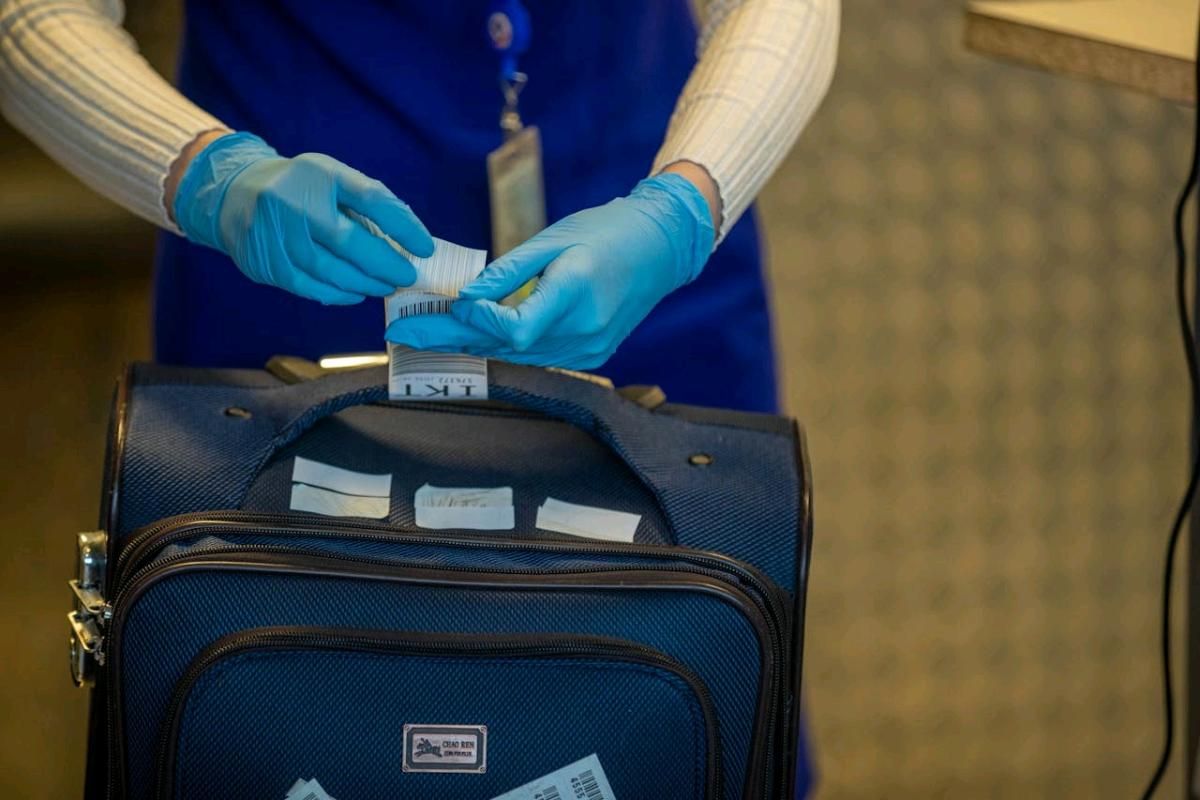
- Yale and 47 colleges joined Harvard’s legal challenge against federal restrictions on international student sponsorship.
- The coalition warns that terminating Harvard’s SEVP certification threatens the stability of the entire U.S. research sector.
- Presidential Proclamation 10998 suspended visa issuance for specific nationals starting January 1, 2026.
(UNITED STATES) — A new appellate-stage push in President and Fellows of Harvard College v. U.S. Department of Homeland Security (DHS) et al. intensified on January 19, 2026, when Yale University and 47 other colleges filed an amicus curiae brief backing Harvard’s challenge to federal actions that would limit universities’ ability to host international students and scholars.
The filing comes as a separate immigration change is already in force: Presidential Proclamation 10998 took effect on January 1, 2026, suspending visa issuance for nationals of a specific set of countries (the exact country count and effective-date details are summarized in the reference tool). For students abroad, that change can be immediate and practical, regardless of the outcome of Harvard’s case.

1) Overview of the lawsuit and amicus filing
Harvard’s case centers on whether the federal government acted unlawfully when it moved to terminate Harvard’s ability to participate in the Student and Exchange Visitor Program (SEVP), which is the gatekeeper program that allows schools to sponsor F-1 students and many J-1 exchange visitors.
An amicus curiae brief—literally “friend of the court”—is a filing by non-parties who argue they have a strong interest in how the court resolves the legal issues. In appellate litigation, amicus briefs can matter because they give judges broader factual and policy context beyond the two main litigants.
Yale’s coalition argues the dispute is not just about one campus. A sudden SEVP disruption at a major institution can spill over to peer schools. It can also affect research continuity, lab staffing, and student mobility across the higher-education sector.
Warning: An SEVP certification dispute can affect admissions, onboarding, and travel planning. Students should not assume a campus-specific lawsuit stays campus-specific.
2) Key players and coalition
Harvard University is the lead plaintiff. The defendants are federal immigration and enforcement agencies in functional terms, including DHS components that oversee SEVP and immigration compliance.
The supporting coalition includes Yale University and many peer institutions that rely on the same pipelines. Those pipelines include SEVP certification, SEVIS reporting, and the ability to issue student and exchange visitor documents that are prerequisites for F-1 and J-1 processing.
The coalition’s shared theory is straightforward: if federal authorities can target one school’s certification, the resulting uncertainty can ripple through the national education and research system. Schools may respond by tightening internal risk controls, reducing international recruitment, or pausing certain programs.
3) Official statements and quotes
DHS has described its action against Harvard as a compliance and accountability measure. In a May 22, 2025 DHS press release announcing the certification termination, Secretary Kristi Noem framed international enrollment as “a privilege, not a right,” and issued a public warning directed at universities nationwide.
Public statements like these can change behavior even before any final court ruling. Universities may increase audits, revise event policies, or narrow research access for certain visitors to avoid scrutiny.
USCIS messaging has also emphasized “enhanced screening and vetting” and a stronger integrity posture, as reflected in a USCIS end-of-year review posted on uscis.gov on December 22, 2025. While USCIS does not run SEVP, USCIS adjudications can affect students who file benefits such as reinstatement, employment authorization in certain categories, or a change of status after graduation.
4) Case details and policy elements
SEVP certification is what allows a school to issue a Form I-20 for F-1 students and, for exchange programs, support DS-2019 issuance through the appropriate sponsor framework. Certification also triggers ongoing compliance duties, including SEVIS reporting and timely updates to a student’s academic and employment activity. See 8 C.F.R. § 214.2(f) (F-1 students) and 8 C.F.R. § 214.2(j) (J nonimmigrants).
A revocation is not a minor administrative step. It can prevent new I-20s, complicate transfers, and create urgent questions about whether currently enrolled students can maintain status.
The amicus brief also points to a DHS proposed rule (dated August 28, 2025) that would replace the long-standing “duration of status” (D/S) practice for F and J nonimmigrants with a fixed admission period, described as four years in the brief. Under D/S, many students are admitted for the length of the program plus any authorized practical training, as reflected on the I-94. A fixed-period model could mean more extension filings, more fees, and more timing risk if an application is delayed.
The coalition also flags separate policy moves affecting post-graduation pathways. Universities often rely on the F-1 to OPT to H-1B pipeline for researchers, teaching staff, and postdocs. A new supplemental H-1B fee announced in 2025 (the precise figure is summarized in the reference tool) could increase hiring friction for universities and affiliated hospitals.
Warning: Proposed rules are not final rules. But planning should account for the possibility of shorter admission periods and more frequent extension filings.
5) Context and significance
This dispute highlights a recurring tension: universities control academic admissions and program design, while the federal government controls admission to the United States and immigration benefits.
When eligibility criteria or certification status changes abruptly, the effects can be measurable. Labs can lose trained personnel mid-project. Grant timelines can slip. Clinical trials can lose continuity.
The coalition’s brief cites a commonly used benchmark for research competitiveness: from 2000 to 2023, 40% of U.S.-based Nobel Laureates in physics, chemistry, and medicine were foreign-born. The point is not that Nobel counts decide cases. It is that long-term research output depends on stable pathways for talent.
6) Impact on affected individuals and institutions
The practical impact differs depending on where the student is located.
Visa issuance suspensions primarily affect people outside the United States seeking a visa at a consulate. A visa is an entry document. Status is the legal category held inside the United States. A person can be in valid F-1 status without a currently valid visa, but they may be unable to reenter after travel.
Injunctions can change the immediate risk picture, but usually in a limited way. A preliminary injunction typically preserves the status quo while a case proceeds. Different injunctions can protect different groups based on different legal theories and records.
Universities also face operational strain. International offices may need to increase advising, issue more travel letters, and monitor SEVIS updates more closely. Departments may need contingency plans for lab coverage, stipend interruptions, and delayed onboarding.
Deadline: The visa-issuance change tied to the proclamation became effective January 1, 2026. Students with upcoming travel should confirm current consular and CBP conditions before departing.
7) Where to find official information
For the most reliable updates, readers should use primary government sources and their school’s official guidance.
- USCIS policy updates and adjudication trends: USCIS newsroom
- Your school’s DSO/ARO bulletins, which often translate policy shifts into campus procedures
Recommended actions and timeline
Students and schools should treat the next 30–90 days as a high-monitoring period. Track the First Circuit docket activity, watch DHS and State Department implementation notices, and check whether any transition rules emerge for students already in the United States or already holding visas.
If you are an F-1/J-1 student, consider coordinating with your DSO before international travel, program changes, or a transfer. If you are approaching OPT, STEM OPT, or an H-1B cap or cap-exempt petition, speak with counsel early, because fees and timing rules can change.
Plan for contingencies: increased extension filings, potential fee changes, and operational adjustments at universities.
⚖️ Legal Disclaimer: This article provides general information about immigration law and is not legal advice. Consult a qualified immigration attorney for advice about your specific situation.
Resources: