- A ground stop holds flights until the FAA lifts it, while a Ground Delay Program gives each flight an EDCT release time.
- FAA advisories use Zulu time: 2053Z equals 3:53 p.m. EST, so subtract five hours in winter and four in summer.
- After a cancellation, a cash refund is automatic once the delay passes 3 hours domestic or 6 hours international, whatever the cause.
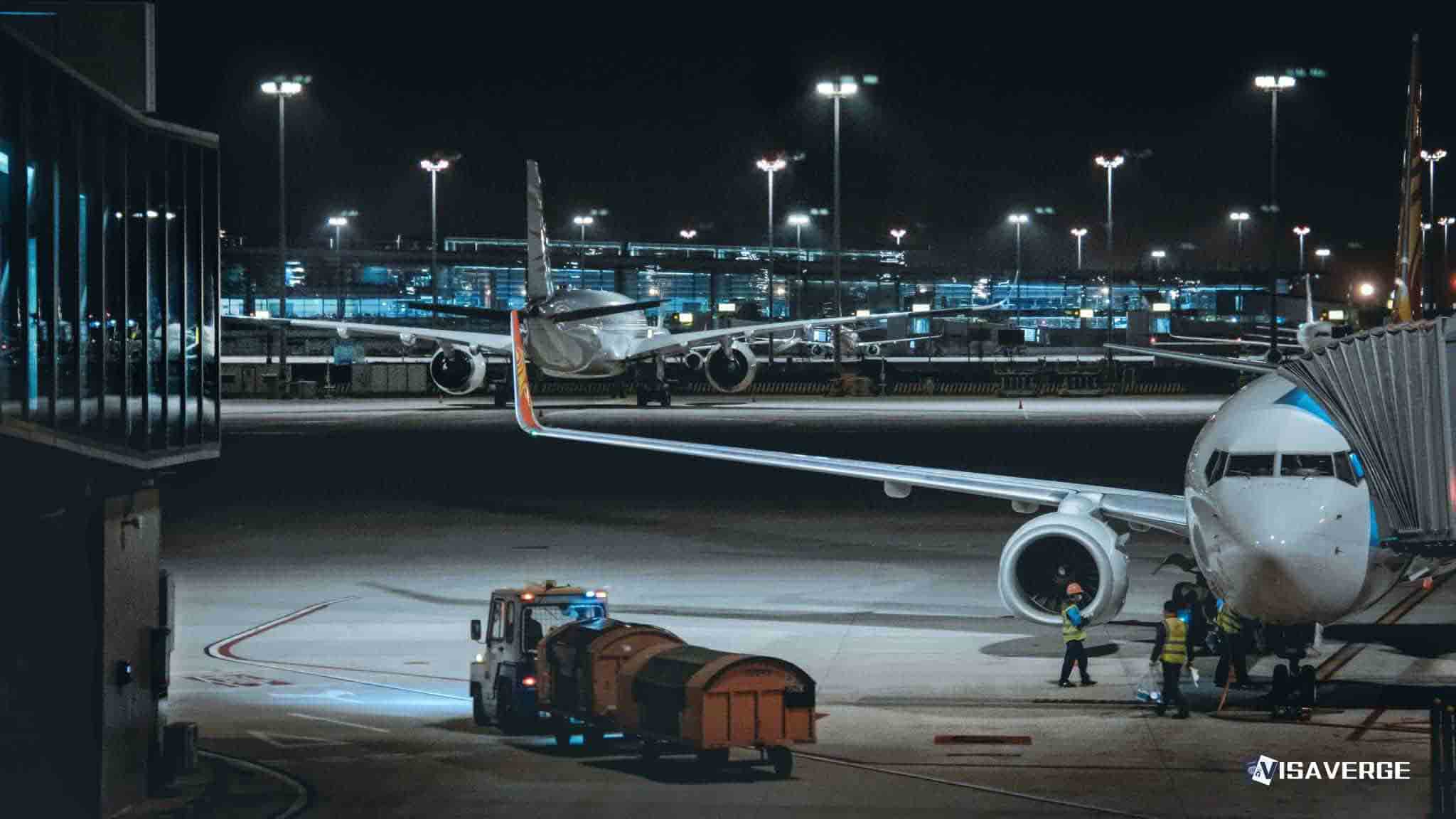
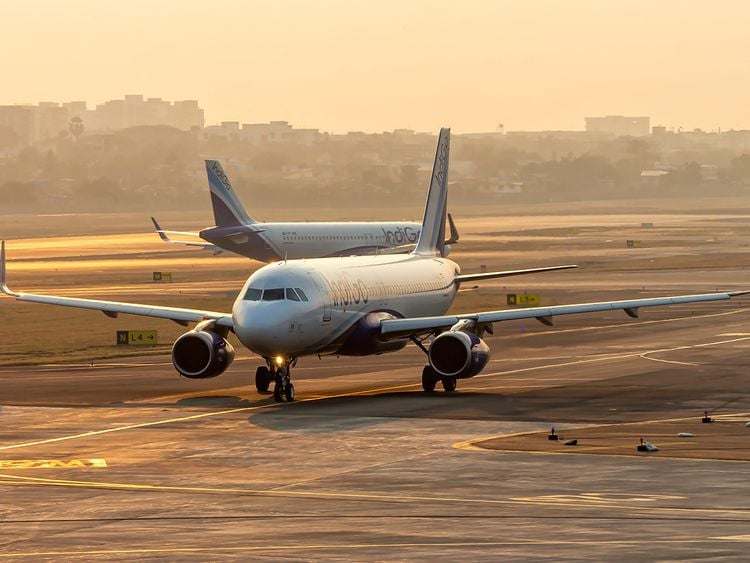
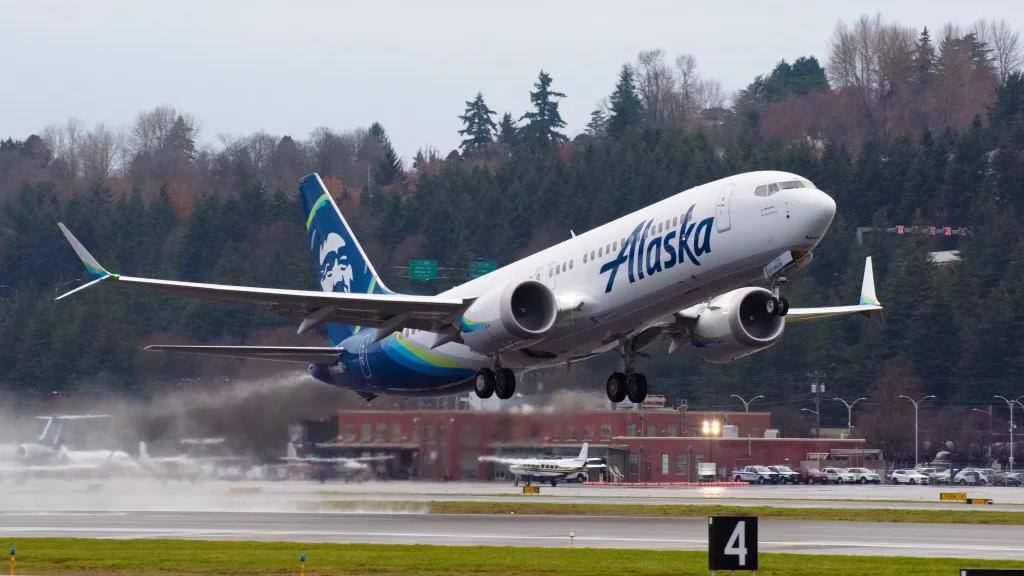
A ground stop is an order from the Federal Aviation Administration that keeps aircraft on the ground. Flights that meet the order’s criteria cannot take off until the FAA lifts it, usually with little or no warning. The FAA’s own glossary says the criteria “may be airport specific, airspace specific, or equipment specific.”
Most ground stops cover one airport, one stretch of airspace or one group of flights. The nationwide ground stop on Friday, Nov. 13, 2026 was the rare case where the criteria covered every U.S. airport at once. This guide explains how that tool differs from the others the FAA uses, so you can read the next announcement and know what it means for your trip.
A ground stop is not a Ground Delay Program (GDP), and neither is an Airspace Flow Program (AFP) or a full closure of U.S. airspace. They hold planes for different reasons, for different lengths of time, and they ask different things of passengers.
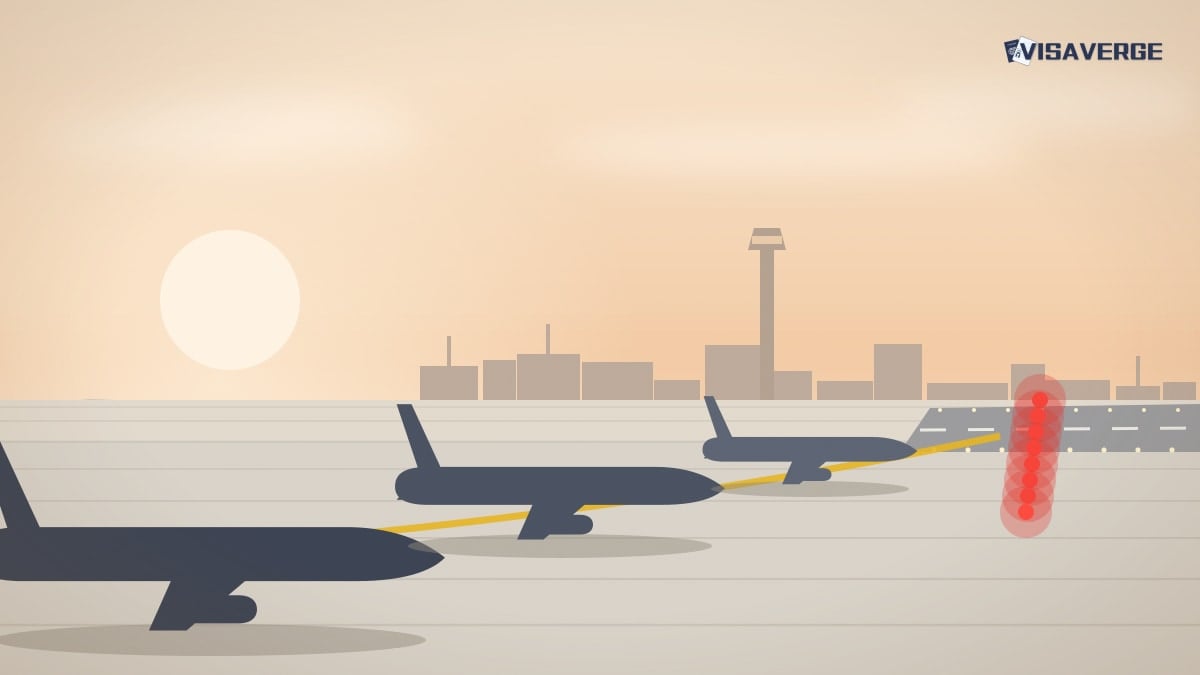
The short version: a ground stop is a hard “no departures” order, a GDP hands each flight its own later departure time, an AFP does the same for flights headed through one congested stretch of sky, and a closure of the airspace, as on September 11, 2001, is the most extreme step, with every flight ordered to land.
Who issues a ground stop
Traffic management for the whole country runs through the Air Traffic Control System Command Center (ATCSCC) in Warrenton, Virginia. The FAA describes it as the facility responsible for monitoring and managing the flow of air traffic throughout the National Airspace System. Programs such as ground delay programs and airspace flow programs are administered there, and the Command Center is what the FAA’s public advisories name when a national order goes out.
Ground stops come in two scales. A facility-level stop starts with a tower, a regional approach control or one of the 22 en route centers that is short of capacity or has lost a piece of equipment. Those are the stops behind stories such as the radio problems that stopped flights at Newark, Philadelphia and Teterboro. A national stop is ordered at the Command Center level and applies across the system, which is how the Nov. 13 advisory was worded: “by order of the Federal Aviation Command Center all airports are ground stopped.”
Airlines do not issue ground stops, but they can be the reason for one. When a carrier loses its own computer systems and cannot dispatch flights safely, it can ask the FAA to hold that carrier’s departures. That is the pattern behind outages like the nationwide United Airlines delays after a technology outage.
What triggers a ground stop
The tool is the same, but the reasons vary. The common ones fall into five groups:
- Weather. Thunderstorms over a runway or approach path, low visibility, ice and heavy snow. This is the most frequent cause, and it is behind many of the stops at big hubs such as Atlanta and Chicago O’Hare.
- Equipment and telecom failures. A radio, radar or communications outage at a control facility, or a problem in the networks that link facilities. Friday’s nationwide stop belongs here: Transportation Secretary Sean Duffy described “a communication issue impacting all Air Route Traffic Control Centers,” and the FAA has not named the failed system.
- Security. A threat, a suspicious item or a security breach can halt departures at one airport or, in the most serious cases, across the country.
- Staffing. When too few controllers are on duty to work a sector safely, the FAA can hold flights bound for that area instead of letting traffic build up in the air.
- Airline-requested stops. An IT outage at a single airline, as described above, can lead the FAA to hold that carrier’s flights while it recovers.
Because the cause decides how long the stop lasts and what your airline owes you, it is worth finding out which of the five you are dealing with. The airline’s app and the FAA’s public status page both usually say.
Ground stop vs Ground Delay Program
A ground stop halts departures. A Ground Delay Program slows them. The FAA defines a GDP as a traffic management process administered by the Command Center “when aircraft are held on the ground” to limit airborne holding, and says it provides for “equitable assignment of delays to all system users.”
In practice, a GDP is used when an airport is expected to be over capacity for hours, for example because of fog or storms. Every flight bound for that airport gets an Expect Departure Clearance Time (EDCT), which the FAA defines as “the runway release time assigned to an aircraft in a traffic management program.” Planes stay at the gate until their EDCT, then go in an orderly stream the airport can absorb. In a ground stop there are no individual release times at first. Everything that meets the criteria waits until the FAA lifts the order or relaxes it.
A ground stop is often the first, short-term step. The FAA has described stops as a way to hold flights while a longer-term fix is built, or when an airport cannot take any arrivals. A stop frequently turns into a GDP once the system has a plan for metering the backlog.
Airspace Flow Programs and airspace closures
An Airspace Flow Program works like a GDP, but the limit is a stretch of sky instead of an airport. The FAA says an AFP assigns aircraft an EDCT “to manage capacity and demand for a specific area of the National Airspace System” and that its purpose is to reduce the effects of en route constraints. A line of storms across the Midwest is the textbook case: flights between New York and Dallas may be delayed even though neither airport has a problem.
A full airspace closure is a different category. On September 11, 2001, U.S. airspace was closed and every airborne flight was ordered to land. Nothing in the modern ground stop toolkit matches that scale. Even the Nov. 13 order allowed flights to leave later through coordination with the Command Center, and it managed inbound international flights “on a case by case basis” instead of shutting the sky. The January 11, 2023 outage of the NOTAM system halted all domestic departures until about 9 a.m. ET and led to more than 11,000 delays and more than 1,300 cancellations.
How to read the FAA’s public status and advisory times
The FAA publishes active programs on its NAS Status page at nasstatus.faa.gov. It lists ground stops, ground delay programs and closures by airport, along with the delay in minutes. The Command Center’s written advisories sit behind it, and those are where the exact start and end times appear.
Advisory times are given in Zulu time, also called UTC, followed by the letter Z. To convert to Eastern Standard Time, subtract five hours; during daylight saving time, subtract four. The Nov. 13 advisory listed an event window of 2053Z to 0400Z. Because the clocks were on standard time, 2053Z is 3:53 p.m. EST (20:53 minus five hours) and 0400Z is 11 p.m. EST. Any time ending in “until further notice” means no end time has been set, and the posted end time is only a placeholder that the FAA can extend or shorten.
An EDCT is read the same way. If your flight shows an EDCT of 1840Z in January, it is cleared to leave the runway at 1:40 p.m. Eastern. Airlines usually build in a few minutes either side, so the gate agent will tell you the boarding window, but the EDCT is the hard time the airplane has to meet.
How long ground stops last
The FAA calls a ground stop a short-term tool, and most are exactly that: a stop for weather at one airport typically clears once the storm passes, and it may be lifted in less than an hour or last a few hours. Delay does not end when the order does, though. Aircraft and crews are out of position, controllers meter departures to clear the backlog, and late flights can break crew-duty limits. The effects commonly run through the rest of the day and sometimes into the next.
Friday’s event showed how that works. The stop began at 3:53 p.m. ET. By about 6 p.m. the FAA said flights could depart “through coordination with the air traffic control system command center,” and Hawaiian and Alaska resumed West Coast flights, but no lift time had been confirmed by about 7 p.m. ET. Flight tracking data showed at least 8,000 delays and 400 cancellations late that afternoon. Where a stop is partly relaxed like this, flights that are cleared leave one by one while others sit.
What passengers should do
The right move depends on which tool is in use.
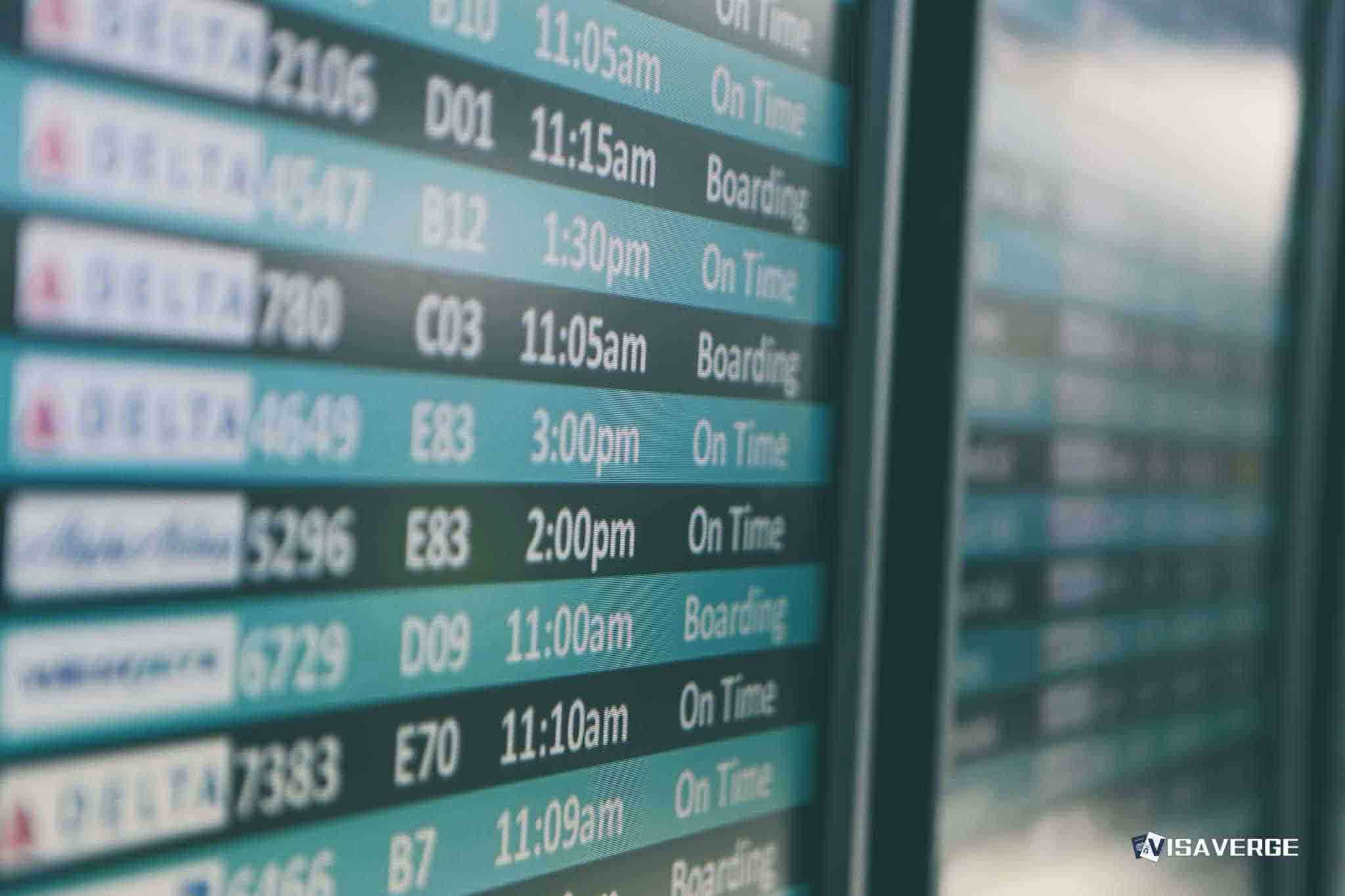
- Ground stop: Stay at the airport or near it, keep your phone charged, and watch the airline app. You cannot be given a departure time until the FAA releases the order, so a gate change or a delay message is more likely than an EDCT. If you are connecting, ask about rebooking early, because lines get long fast.
- Ground Delay Program: Ask for your EDCT. Your delay is fixed to that time, so you can plan a meal or a rebooking around it. Do not leave the airport unless the airline says boarding will be later than the EDCT.
- Airspace Flow Program: Treat it like a GDP. If the weather is the cause, check whether the airline offers an alternate route or an earlier flight.
- Airspace closure: Follow the crew and airline instructions. Expect a diversion or a landing at an airport you did not choose, and expect your airline to rebook you on later flights once airspace reopens.
Whatever the tool, check the airline’s waiver page. Airlines often waive change fees and fare differences when the FAA halts traffic. In the Nov. 13 stop, Delta offered free changes for Friday and Saturday travel, and United waived change fees and fare differences for flights departing Nov. 12 through Nov. 20, 2026, on the same route and cabin.
Refunds, hotels and visa questions after a stop
A ground stop usually counts as a cause outside the airline’s control, and that changes what you can claim. Under the Department of Transportation refund rule in force since Oct. 28, 2024, an airline must give an automatic cash refund if it cancels or significantly changes your flight and you decline the alternative. “Significant” means a delay of three hours or more on a domestic flight and six hours or more on an international one. The refund is due within seven business days for credit card payments and 20 calendar days for others. That rule applies whatever the cause, and credits are optional, not required. What airlines are not federally required to cover, when the cause is outside their control, are hotels and meals. For the wider compensation debate, see the DOT proposal on flight delay compensation and refunds.
International visitors face one extra worry: the end date on their stay. Under 8 CFR 217.3, a traveler admitted under the Visa Waiver Program who is prevented by an emergency from leaving in time can ask for a period of satisfactory departure of up to 30 days, and the grant is at the district director’s discretion. A delay of a day or two because of a ground stop will not by itself put anyone out of status, but keep boarding passes, airline emails and any cancellation notices so you can show what happened.
Frequently Asked Questions
What is an FAA ground stop?
A ground stop is an FAA order that requires aircraft meeting set criteria to stay on the ground. The criteria can be airport, airspace or equipment specific. Stops normally occur with little or no warning and last until the FAA lifts or eases the order.
What is the difference between a ground stop and a ground delay program?
A ground stop halts departures that meet its criteria until the FAA lifts it. A Ground Delay Program meters flights to one congested airport, giving each an EDCT release time. A stop is often the short first step, and a GDP can follow.
What does EDCT mean on a flight?
EDCT stands for Expect Departure Clearance Time. The FAA defines it as the runway release time assigned to an aircraft in a traffic management program. If your flight has an EDCT, the plane cannot leave the runway before that time.
Who orders a ground stop?
National traffic management runs from the FAA’s Air Traffic Control System Command Center in Warrenton, Virginia. Local towers, approach controls and en route centers can start facility-level stops. The Nov. 13, 2026 nationwide stop was ordered at the Command Center level.
How do I convert FAA Zulu time to Eastern time?
Subtract five hours from Zulu (UTC) in winter and four hours in summer. For example, 2053Z is 3:53 p.m. EST, and 0400Z is 11 p.m. EST. Advisory times end in the letter Z, and the NAS Status page lists active programs by airport.
How long does a ground stop last?
The FAA treats a ground stop as a short-term tool, and many last under an hour or a few hours. Delays often continue longer because aircraft and crews are out of position. A stop with ‘until further notice’ wording has no set end time.
Do I get a refund if my flight is cancelled by a ground stop?
Yes. Under the DOT rule in force since Oct. 28, 2024, you get an automatic cash refund if the airline cancels or significantly changes your flight and you decline the alternative. Significant means 3 or more hours domestic or 6 or more hours international, regardless of cause.
Does the airline have to pay for a hotel during a ground stop?
Not under federal rules. Airlines are not federally required to pay for hotels or meals when the cause is outside their control, which includes weather and FAA equipment failures. Some carriers offer help voluntarily, so ask at the airport or check the waiver page.