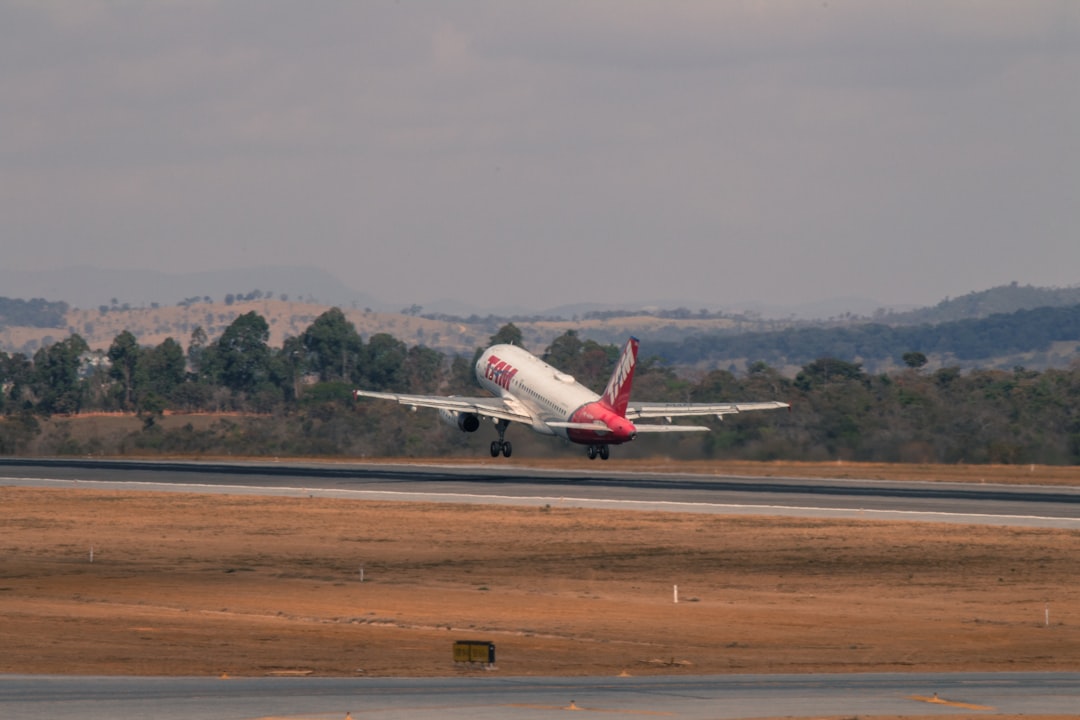
- Spanish operator Aena won the Galeão concession with a R$2.8 billion bid on March 30, 2026.
- The winning offer was 210.88% above the minimum required bid, ensuring long-term operational stability.
- Aena now operates 18 airports in Brazil, handling approximately one-fifth of the country’s total passenger traffic.
Travelers flying through Rio de Janeiro’s Galeão International Airport should expect a more stable future after Aena won the airport’s concession on March 30, 2026. The Spanish operator’s R$2.8 billion bid should help lock in upgrades and route growth at Tom Jobim, which matters if you connect through Rio for long-haul trips, premium-cabin availability, or mileage runs.
Aena beat Zurich Airport Group in a tense auction at B3, Brazil’s stock exchange. The final offer came in 210.88% above ANAC’s minimum bid of R$932 million, underscoring how valuable Galeão still looks despite years of turbulence.

For travelers, the biggest upside is simple: fewer legal and financial question marks around one of Brazil’s most important international gateways. That usually means more confidence from airlines, more willingness to add capacity, and a better shot at stronger connections.
| Detail | Information |
|---|---|
| Airport | Galeão International Airport (Tom Jobim), Rio de Janeiro |
| Winner | Aena |
| Winning bid | R$2.8 billion |
| Premium vs. minimum | 210.88% |
| Concession length | 13 years |
| End date | 2039 |
How the auction unfolded
The auction itself was unusually aggressive. Aena outlasted Zurich Airport Group after 26 oral bids, with increments ranging from R$0.01 to R$100 million. The Vinci-Changi consortium, which currently operates the airport alongside Infraero, pulled back after its R$1.88 billion opening bid was surpassed.
In the written phase, Aena and Zurich each placed R$1.5 billion bids, while Vinci-Changi came in at R$934 million. That set up the final stretch, where Aena pushed well beyond its rivals.
If you book international flights through Rio often, watch route announcements closely over the next 12 to 24 months. Airport stability often leads to better airline commitment.
Why the concession length matters
The 13-year term runs through 2039, but it is shorter than many Brazilian concessions. That is by design. The previous operator reportedly absorbed R$7 billion in losses, and the contract was reworked after approval from the federal government and Brazil’s audit court, the TCU.
For passengers, that matters because the old model was broken. The new one gives Galeão a cleaner legal and financial framework. It also includes compensation if Santos Dumont Airport exceeds set limits, which should help keep traffic balance in Rio’s aviation system.
That balance has been a long-running issue. Santos Dumont’s convenience in central Rio has often pulled domestic traffic away from Galeão. If the new concession keeps traffic policies steadier, Galeão could reclaim more of its role as Rio’s main international hub.
Aena’s scale in Brazil and beyond
Aena arrives with serious scale. The company is the world’s largest airport operator by passenger numbers. Globally, it runs 47 airports, including Madrid-Barajas and Barcelona-El Prat.
In Brazil, Aena Brasil already oversees 17 airports and handles about one-fifth of national passenger traffic. Its portfolio includes Recife and six airports in the Northeast that were modernized in 2024 with R$1.9 billion in investment.
Here’s how Aena’s Brazil footprint now looks for travelers:
| Item | Aena in Brazil |
|---|---|
| Airports operated | 18 after Galeão win |
| Share of national traffic | About 20% |
| Key hubs | Congonhas, Recife, Galeão |
| Global airports | 47 |
That broader footprint matters because Brazil’s airport market is becoming more concentrated around a few large operators. For travelers, that can mean more consistent terminal standards, but also fewer major bidders willing to take on tough assets.
Aena’s recent expansion in Brazil was already bold. It won a 30-year concession, extendable by five years, for 11 airports, including São Paulo’s Congonhas. Those airports handled 27.5 million passengers in 2024.
The financing behind that deal was also hefty. The package totaled R$5.7 billion, split among BNDES debentures, a Finem credit line, and Banco Santander debentures. The money is aimed at new terminals, aprons, and airport upgrades, with Campo Grande projects alone expected to create more than 2,000 jobs.
For frequent flyers, that should translate into better passenger flow, more reliable operations, and, at some airports, more room for premium cabins and lounge-friendly layouts.
What this means for Rio and for travelers
Galeão’s win also comes as Brazil pushes more airport concessions. Brasília is slated for a new re-concession by the end of 2026 under the AmpliAR scheme, which bundles major airports with regional ones. That suggests the government is still trying to reshape a system that has struggled with uneven traffic and investment gaps.
Analysts had viewed Aena’s Galeão bid as surprisingly high, especially with infrastructure firms already planning more than R$50 billion in investments through 2026. Still, the price tells you how strategically important Rio remains. For airlines, it is a gateway to Brazil’s second-most-famous city and a critical international connection point.
For travelers, this: Galeão should become a safer bet for long-haul planning, especially if you collect airline miles or book premium cabins to Latin America. A stronger operator usually means better odds of stable routes, improved terminals, and fewer airport headaches.
If you have an upcoming Rio trip, keep an eye on airline schedule updates and terminal investment timelines through 2026. The first visible changes at Galeão should start showing up well before the concession ends in 2039.