(BRAZIL) Mexico’s airport operator ASUR has agreed a US$2.1 billion deal to enter the Brazilian airport market, a move that is likely to reshape air travel links across Latin America and affect millions of international passengers, including foreign workers, students, and tourists who rely on Brazil as a gateway. The company will buy Motiva’s subsidiary Companhia de Participações em Concessões (CPC), which holds stakes in 20 airports spread across Brazil, Ecuador, Costa Rica, and Curaçao, marking ASUR’s first direct step into Brazil’s airport system.
Deal value and payment structure

The deal gives the portfolio an implied enterprise value of about R$13.7 billion (US$2.57 billion), according to company figures. ASUR will pay around R$5 billion (US$936 million) for Motiva’s stake in CPC, so it is taking a partial share of that overall value rather than buying the entire structure.
People close to the talks say the price reflects both the strong passenger base in Brazil and the growth of cross-border travel across the region, especially as more Latin American nationals move for work and study.
Free toolB1/B2 Tourist Visa Stay Calculator onlinePortfolio highlights and passenger-facing impact
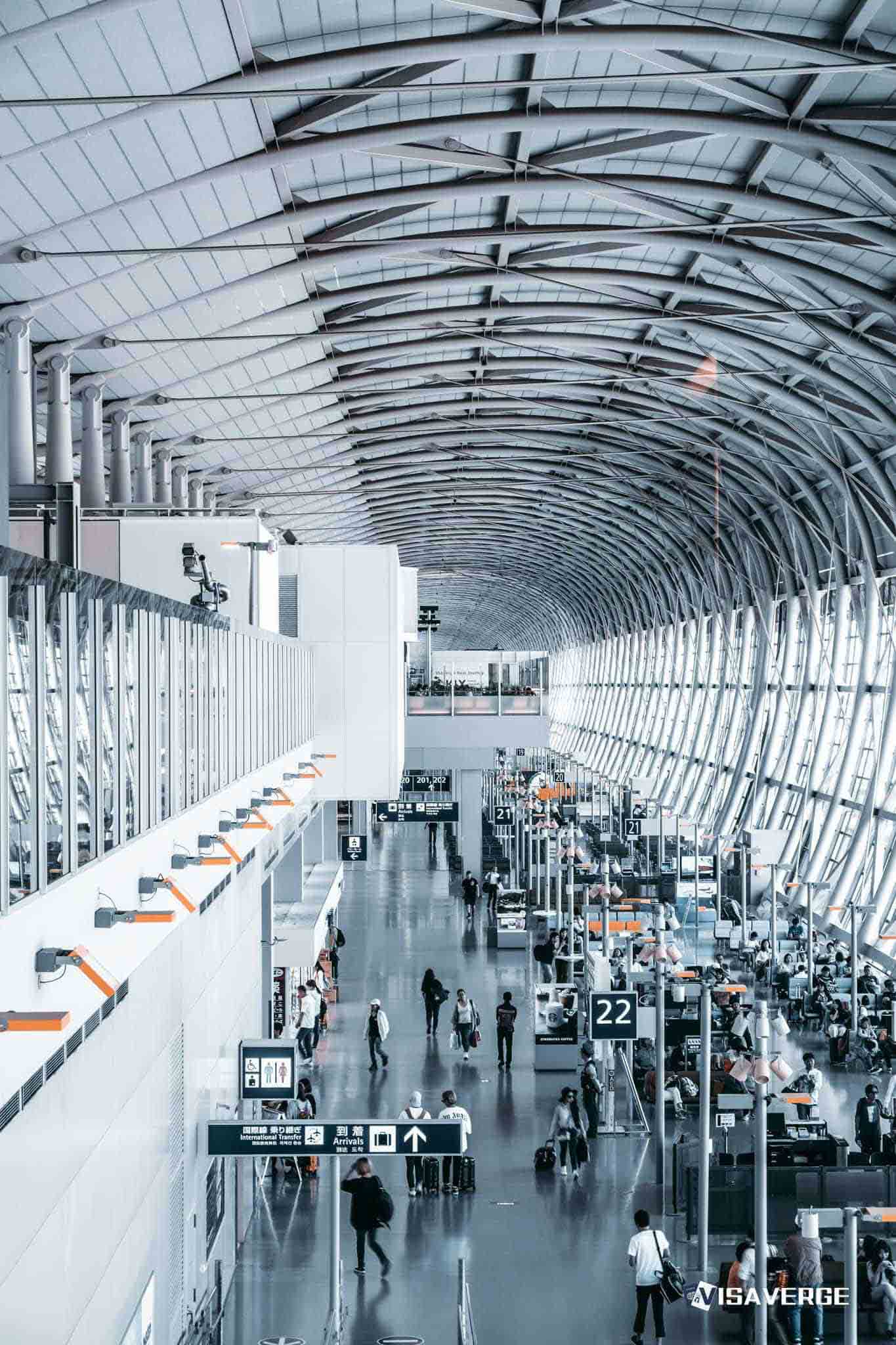
The portfolio includes airports that serve as key points for international travelers who must pass through immigration checks and present visas or residence cards before entering a country.
Among the assets are:
- Confins Airport (Brazil)
- Quito (Ecuador)
- Juan Santamaria (Costa Rica)
- The main airport in Curaçao
These hubs are often the first contact points for foreign nationals with police and border officers, who apply national entry rules set out by each government. For Brazil, those rules are overseen by federal agencies such as ANAC, the civil aviation regulator, which works with immigration and security bodies at major airports.
Financial performance and contract tenure
ASUR said the combined 20‑airport portfolio posted a 12‑month EBITDA of R$2 billion, with R$1.3 billion of that tied to Motiva’s share. Net financial debt in the group stood at R$6.3 billion as of September 30, 2025, another factor weighed by investors when judging the long-term health of the new business.
Seventeen of the airports have concessions with more than 15 years left on their contracts. This extended tenure should support stable cash flows and allow for gradual investment in terminals and passenger services.
Key financial figures (summary table)
| Metric | Amount |
|---|---|
| Implied enterprise value | R$13.7 billion (US$2.57 billion) |
| Price for Motiva’s stake | R$5 billion (US$936 million) |
| 12‑month EBITDA (portfolio) | R$2 billion |
| EBITDA attributable to Motiva | R$1.3 billion |
| Net financial debt (as of Sep 30, 2025) | R$6.3 billion |
| Airports in portfolio | 20 |
| Airports with >15 years concession | 17 |
Timing and regulatory review
The transaction is expected to close in the first half of 2026, pending the usual regulatory checks in Brazil and other countries where CPC holds airport stakes.
The approval process will likely include:
- Competition reviews
- Safety checks
- Close study of plans to handle passenger growth, especially in international zones where customs and immigration converge
VisaVerge.com reports that investors are watching how regional governments balance private management with public duties such as safe border control and fair treatment of travelers, including asylum seekers and long-term foreign residents.
Financing and strategic rationale
For now, ASUR plans to fund the purchase through a mix of committed debt from JPMorgan and its own cash on hand. Analysts say that choice underlines the company’s push to grow beyond its home base in Mexico, where it already manages busy vacation and business airports used by travelers flying into Mexico on tourist, work, and family visas.
By adding more than 45 million passengers from CPC’s airports to its existing 71 million passengers in 2024, ASUR will oversee a network that moves well over 100 million people a year, many of them crossing borders and dealing with immigration paperwork on each trip.
Expectations from workers and unions
Workers in Brazil’s airport sector say they hope a new shareholder will bring investment in:
- Terminals
- Digital systems
- Better passenger flow in immigration halls
Long lines at immigration can add pressure to already stressful journeys, so improvements could help both domestic and foreign travelers.
“If the new owner puts money into smarter layouts and staffing, that will help both Brazilians and foreign visitors,” said one airport union representative in Confins, speaking on condition of anonymity because talks with management are ongoing. He added that any change in security or entry procedures must still follow national rules, no matter who runs the commercial side of a concession.
Role of airport operators vs. state authorities
ASUR has not set out detailed public plans for changes at immigration checkpoints, which usually stay under the control of state authorities rather than private firms. However, company officials say they see room for closer work with government agencies to improve passenger movement from plane to passport control and then on to customs or domestic connections.
For migrants who often carry complex travel histories and multiple documents, even small gains in signage, language help, and waiting times can make a real difference. Rights groups in Brazil have long argued that clear information in Spanish and English is essential at busy hubs that receive many travelers from around the region.
Motiva’s exit and broader mobility trends
Motiva’s exit from CPC comes after years of private investment in airports that helped open new routes and connect medium-sized cities to global travel flows. The company is now passing that role to ASUR at a time when Latin American mobility is changing fast, with more people moving between countries for jobs than in past decades.
Immigration lawyers say they will watch how new airport owners handle cooperation with border police and consular staff, especially in transit zones where passengers who lack the right documents can be held or sent home before even reaching city streets.
What will and won’t change
Officials involved in the deal stress that the core rules for entering Brazil or the other countries in the airport group will not change just because a Mexican firm joins as owner. Visa types, residence permits, and work authorization remain in the hands of national governments, which publish current rules through official portals and consulates.
Still, airport operators do play a role in how clear those rules appear to the public, including through:
- Signs and announcements
- Staff training around international arrival halls
- Transfer area organization
Monitoring and next steps
ASUR’s investor relations team has pointed people to its regular market updates and press releases for fresh details on the transaction’s progress, timing, and financing plans, posted on its official investor website.
According to analysis by VisaVerge.com, the real test will come once ASUR starts to run the full 20‑airport network and faces everyday issues such as delays, weather shocks, and sudden shifts in cross-border travel patterns.
In that operational setting, choices about terminal design, language help for foreign passengers, and links with immigration and customs services will shape not just company profits, but the day-to-day journey of millions of travelers across Latin America and the Caribbean.
This Article in a Nutshell
ASUR agreed to acquire Motiva’s stake in CPC for roughly R$5 billion (US$936 million), valuing the 20-airport portfolio at R$13.7 billion. The assets span Brazil, Ecuador, Costa Rica and Curaçao and posted a combined 12-month EBITDA of R$2 billion. The purchase adds over 45 million passengers to ASUR’s network and is expected to close in the first half of 2026, subject to regulatory approvals. Financing combines committed JPMorgan debt and ASUR cash, while operational changes remain coordinated with national authorities.