A steep drop in foreign student numbers is rippling through U.S. campuses and local economies, as tighter visa restrictions, slow processing and immigration worries push many applicants to choose other countries. New data for the current intake show that new international student admissions at U.S. institutions have fallen by about 17% year-on-year, a sharp slide for a country that for decades drew more global students than any other.
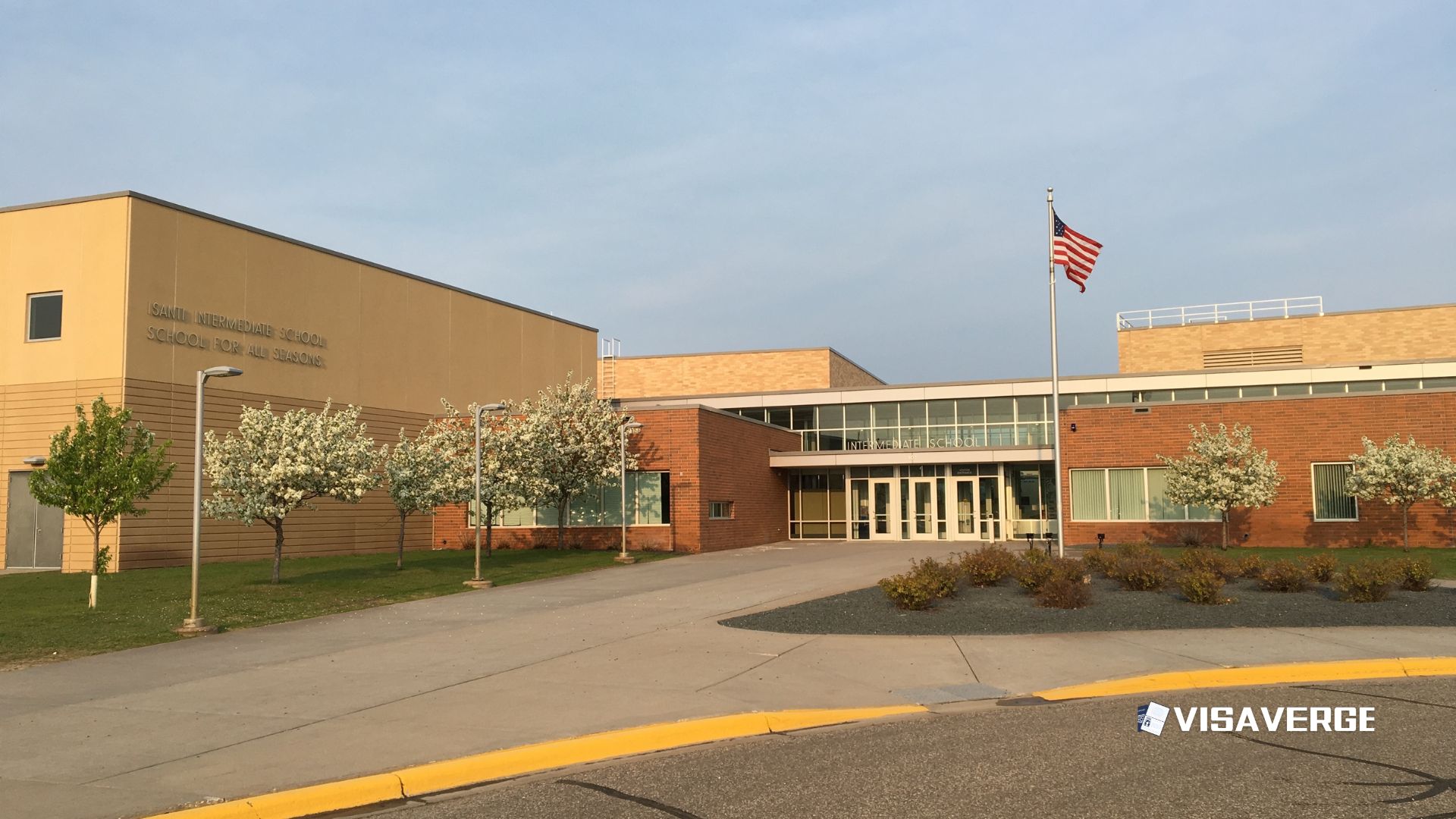
University officials describe quieter dormitories and less crowded corridors, a visible sign of fewer newcomers arriving from Asia, Africa, the Middle East and Latin America. Behind those quieter hallways sits a serious financial shock. Analysts estimate that the latest decline has already led to more than $1.1 billion in lost revenue and nearly 23,000 fewer jobs tied to international student spending and the operations of U.S. institutions that depend heavily on full-fee-paying students from abroad.
Enrollment patterns and where declines are strongest
The fall is not evenly spread across levels and programs.
- Graduate enrollment has dropped by 12%.
- Non-degree enrollment has fallen by 16%.
- A modest 2% rise in undergraduate international student admissions has helped soften the blow, but is far from offsetting the overall decline.
For many campus leaders, this pattern suggests that more experienced students, who pay close attention to post-study work rules, are now much more cautious about choosing the United States.
Visa climate and processing problems
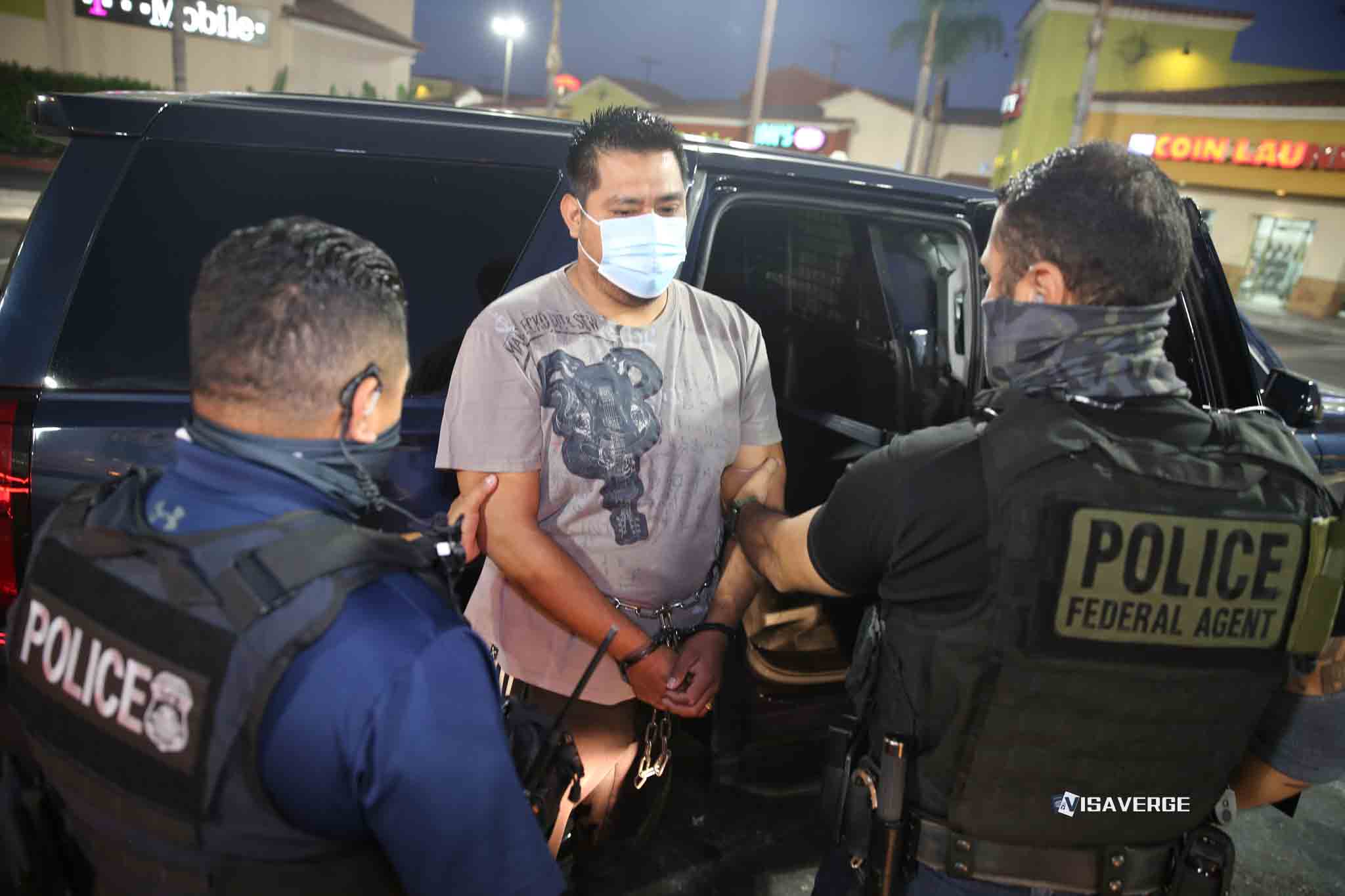
At the center of the slide is a tougher visa climate. Consular officers are applying closer scrutiny to student visa applications, with more intensive questioning and broader background checks, including reviews of applicants’ online activity.
Many students report longer waits for visa interviews and decisions, sometimes stretching beyond course start dates. These visa restrictions send what one education official calls “a chilling signal” that the United States may not be as open as before.
“When America slams the door, the world stops knocking.”
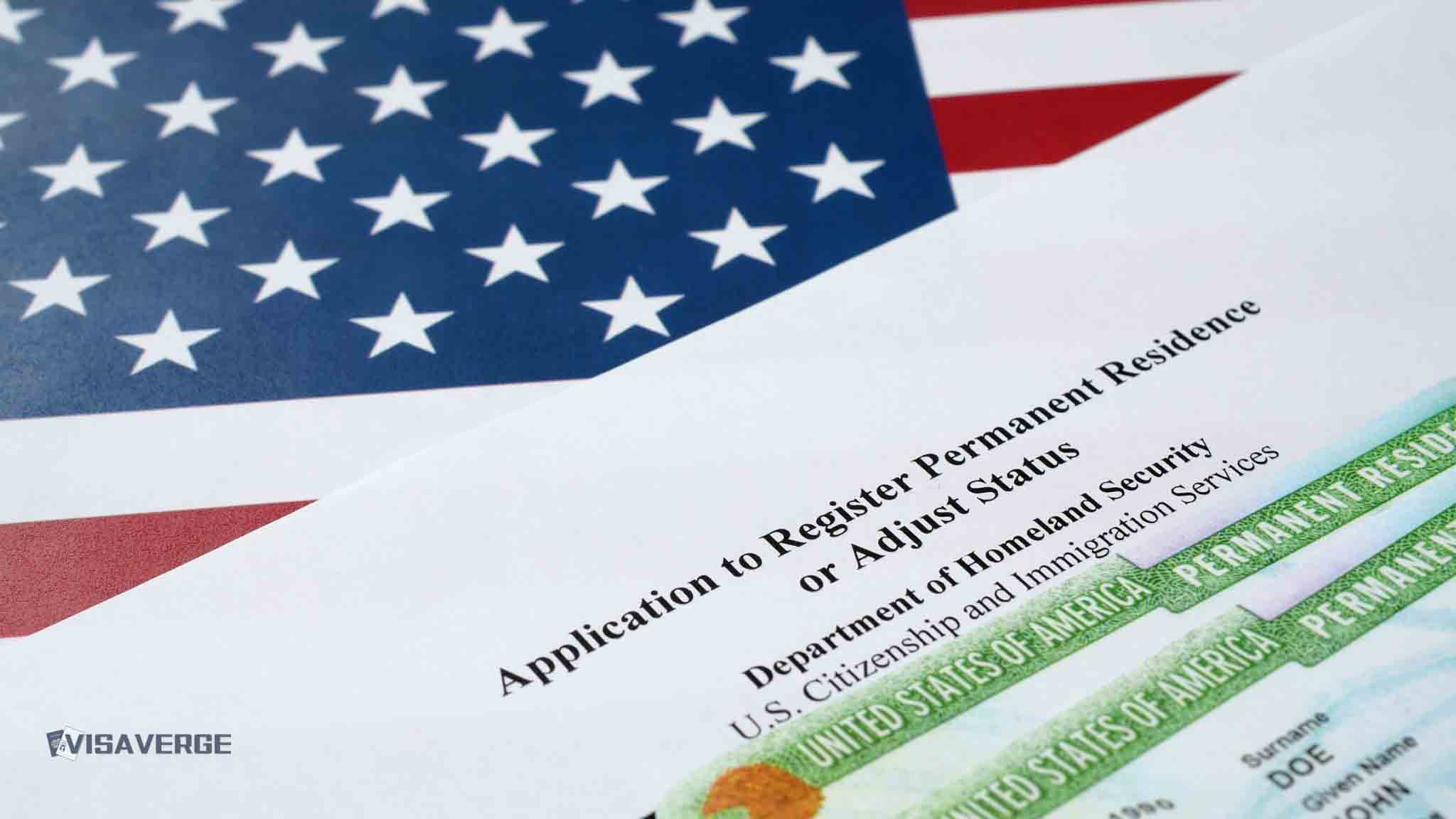
For would-be students, the process now often starts with uncertainty. Typical steps include securing an approved Form I-20 from a U.S. school, completing the online Form DS-160 nonimmigrant visa application, paying fees, and attending interviews in U.S. embassies or consulates. Each extra document request or security check can add weeks.
The U.S. Department of State explains the basic student visa steps on its official student visa information page, but applicants say the real-world timeline can differ sharply from what they expect.
Perceptions, refusals and unpredictability
Student advisers and immigration lawyers note that longer wait times are not the only issue. Many applicants sense a stricter overall attitude, with more visas refused on grounds such as doubts about the student’s intent to return home or questions over financial support.
Even when they meet the rules, students say they worry their fate may hinge on a single brief interview. According to analysis by VisaVerge.com, this perception of unpredictability is now one of the main reasons families shift their plans toward other study destinations.
The post-study work pathway under pressure
A large share of foreign students have long chosen the U.S. because of the promise of a full study-to-work route:
- Arrive on an F‑1 student visa.
- Complete a degree.
- Take part in Optional Practical Training (OPT).
- Move on to an H‑1B specialty occupation visa.
- Potentially pursue permanent residence (green card).
Over the past few years, that chain has come to look less secure. The annual H‑1B visa lottery has grown more competitive, backlogs for employment-based green cards remain huge for many countries, and ongoing policy debates raise the possibility of new limits.
This uncertainty over post-study work harms recruitment, especially in STEM fields. Extended STEM OPT periods once made the United States stand out. Now, growing doubts about long-term work permission make competing offers from 🇨🇦 Canada, Australia and the UK look safer. Those countries have simplified their post-study pathways just as the U.S. environment feels more fragile, a classic case of students weighing opportunity cost and choosing systems with fewer visa-linked risks.
Economic and local impacts
International education groups warn that the effects stretch far beyond individual careers. NAFSA: Association of International Educators, which tracks the economic role of foreign students, says the recent downturn shows how much the United States stands to lose if the trend continues.
- Fewer students not only cut tuition streams but also reduce spending on housing, food, transport and services in college towns.
- Local landlords, shops and part-time workers feel the effects.
NAFSA’s estimates:
| Impact metric | Estimate |
|---|---|
| Lost revenue | More than $1.1 billion |
| Jobs lost | About 23,000 fewer jobs |
These figures underscore how deeply international enrollments are woven into regional economies.
NAFSA’s recommended policy steps
NAFSA has set out a list of policy steps it says would help reverse the trend:
- Improve visa availability and processing for F, M and J visa holders (more interview slots and faster decisions).
- Exempt students from broad travel bans while maintaining proper security checks, on the grounds that students pose different risks and bring clear benefits.
- Protect access to OPT for F‑1 students.
- Keep the long-standing “Duration of Status” policy, which lets students stay while they complete their studies rather than tying them to a fixed date.
On Capitol Hill, NAFSA backs measures such as the Keep STEM Talent Act and the Dignity Act, which would:
- Extend “dual intent” to more students (allowing temporary visa holders to also seek long-term settlement).
- Widen green card routes for foreign graduates.
Advocates argue that admitting the intent to pursue U.S. work should not automatically disqualify talented applicants in a country that wants to attract global talent.
Personal decisions and shifting priorities
Behind the statistics are personal calculations. For an engineering student in India or a medical researcher in Nigeria, choosing between 🇺🇸 United States institutions and offers in 🇨🇦 Canada or the UK often comes down to which option gives clearer work and residence paths.
Some still favor the U.S. because of university and employer reputations, but the margin is narrowing. Education agents say parents increasingly ask detailed questions about H‑1B chances, green card queues and the future of OPT rather than just rankings or campus facilities.
Impact on current students and recent graduates
The pattern also raises concern among existing foreign students and recent graduates already in the U.S. on F‑1 visas with OPT or STEM‑OPT extensions. Many planned their careers on the assumption they could move step by step from F‑1 to H‑1B and then to permanent residence.
Now, seeing fewer new students arrive and hearing about tightening visa restrictions, they worry the tough climate may affect their own H‑1B filings, employer sponsorship and long-term plans. For them, forms such as Form I-765, used to apply for OPT work permission, are no longer just paperwork but symbols of a path that feels less guaranteed. Information on Form I-765 comes directly from U.S. Citizenship and Immigration Services, which posts instructions and eligibility rules on its official page.
Institutional responses
Universities that built budget models around steady growth in international enrollment are rushing to adjust.
Common responses include:
- Expanding recruitment in under-represented regions.
- Offering more scholarships and financial incentives.
- Increasing support for visa applications.
- Cutting back programs heavily reliant on full-fee international students (especially at the graduate level).
Research labs that counted on foreign master’s and PhD students are already feeling the strain, with fewer teaching assistants and research staff available—particularly in high-cost cities where domestic students are harder to attract.
Effects on campus life and academic exchange
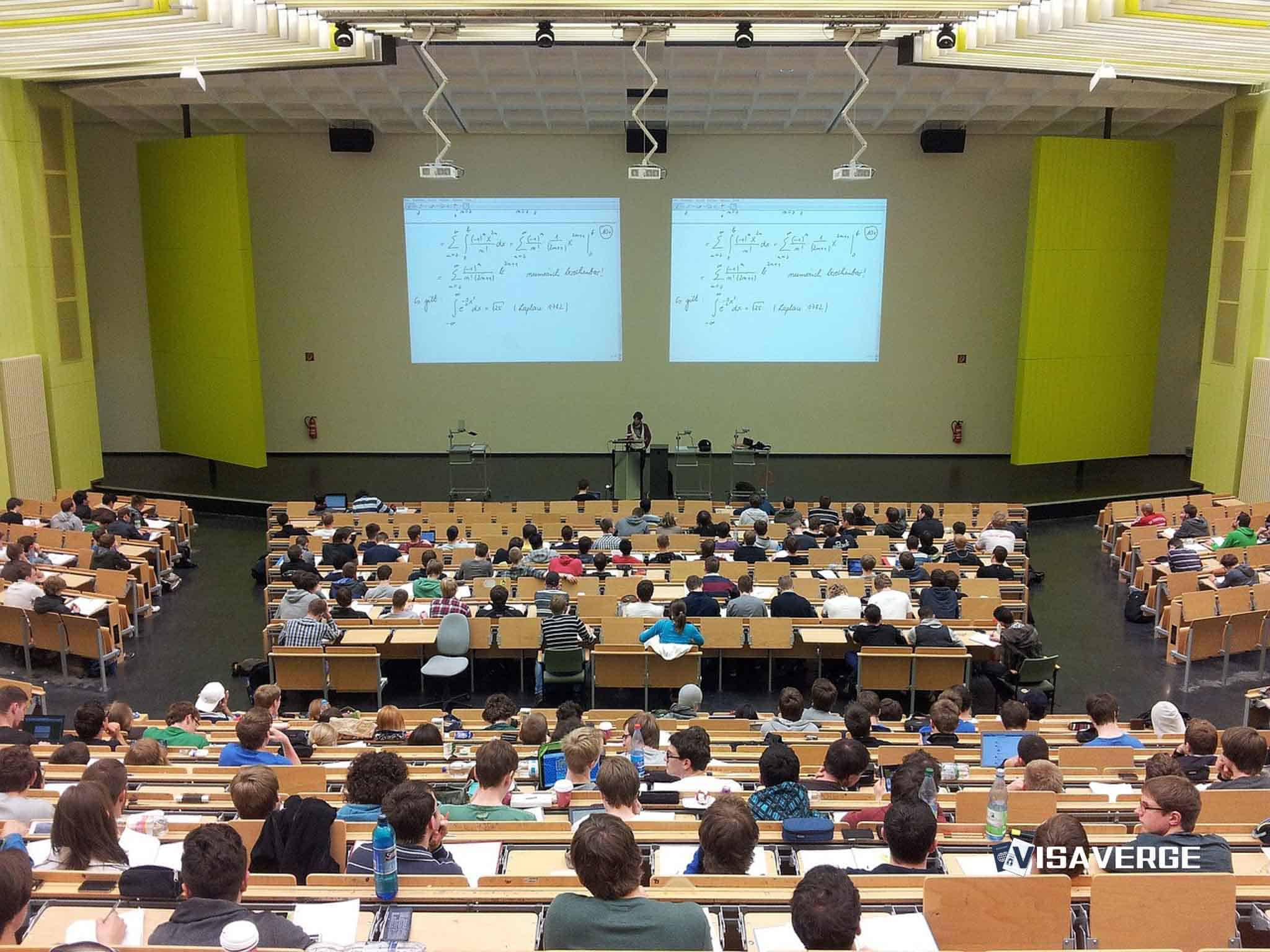
For years, faculty highlighted the mix of local and international voices as a strength of American higher education. A 17% drop in new arrivals means fewer of those exchanges, especially in smaller colleges where classes previously included only a handful of foreign students.
Some administrators warn this could slowly erode the “global campus” image many schools use in their marketing and weaken the classroom experience for domestic students.
The policy debate in Washington
Policy debate in Washington has grown more intense as these numbers emerge.
- Business groups, university associations and some lawmakers argue the U.S. is hurting itself by driving away people who could study, work and start companies.
- They point to aggressive recruitment by other countries and warn this slide is part of a broader geopolitical and economic shift in global talent mobility.
Supporters of strict visa restrictions counter that national security and careful screening must come first, saying social media checks and deeper background reviews are necessary in a world of online radicalization and cyber threats. Immigration lawyers respond that security and openness do not have to conflict if the government invests in more staff, better technology and clearer guidance.
What comes next
For now, prospective students and their families are forced to read these signals and make choices under pressure. Many still see a degree from a top U.S. institution as a prized goal that can open doors worldwide. But as rules harden and lines lengthen, more are turning to countries that promise a smoother path from classroom to career.
Whether the United States decides to:
- Ease student-related rules,
- Speed up processing, and
- Offer clearer long-term options
will go a long way in deciding if this year’s 17% fall is a short-term dip or the start of a lasting slide in the global race for talent.
New international student admissions in the United States fell about 17% year-on-year, driven by stricter visa scrutiny, longer processing times and worries over post-study work pathways. Graduate and non-degree enrollments saw the biggest declines; undergraduate admissions rose slightly. Analysts estimate more than $1.1 billion in lost revenue and roughly 23,000 jobs affected. Universities are shifting recruitment, offering scholarships and increasing visa support while advocacy groups press for faster processing, protected OPT access and clearer residency routes to reverse the slide.