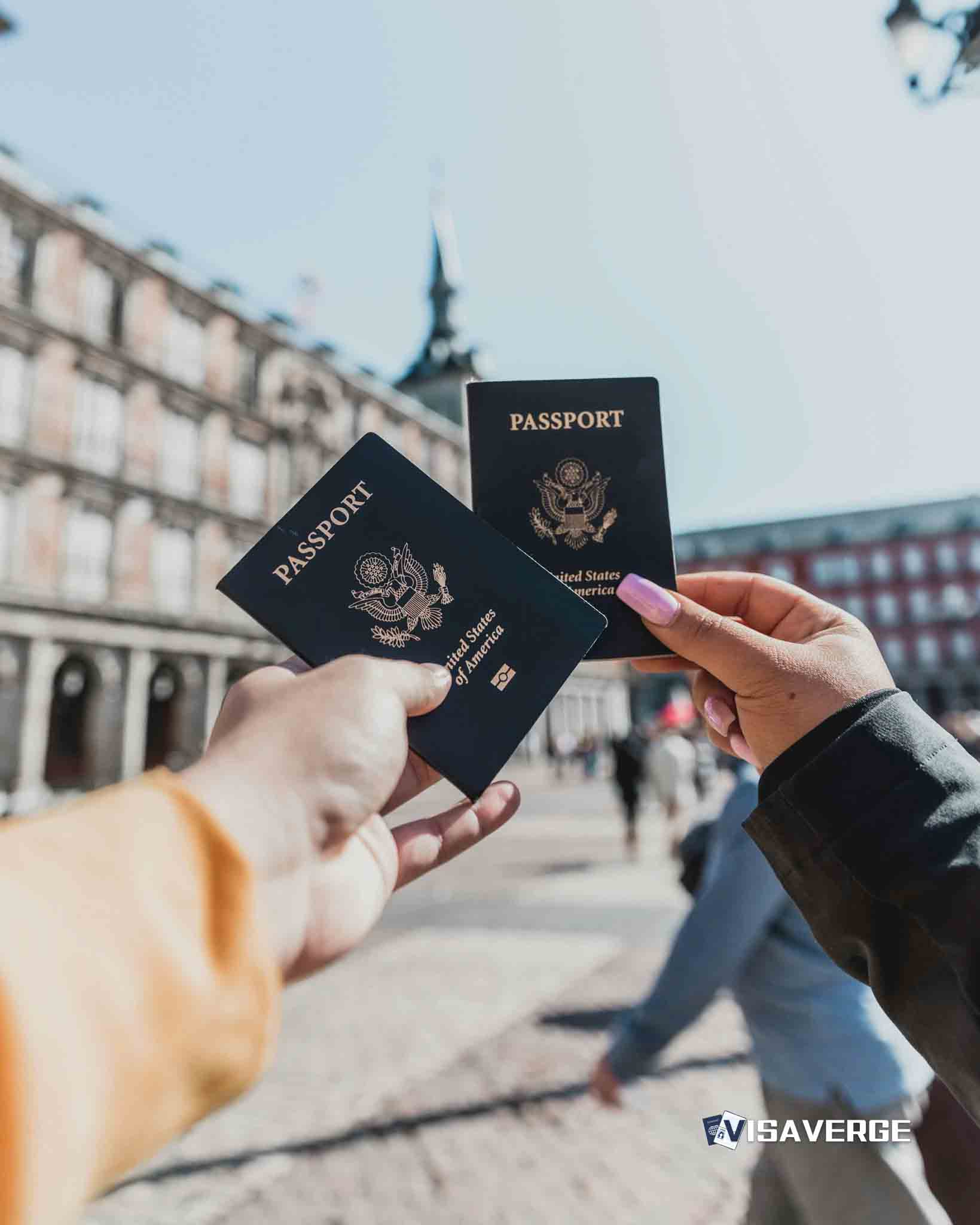
Meta description: Learn about the essential travel documents, practical tips, and contact information for F1 Visa holders traveling within the US.
Understanding F1 Visa Travel Requirements Within the U.S.
As an international student in the United States, possessing an F1 Visa allows you to pursue academic studies at accredited institutions. However, traveling within the country comes with its own set of rules and requirements. Let’s look closely at what you need to know about domestic travel documentation and in-country mobility for international students holding an F1 Visa.
Free toolOPT Timeline Calculator OnlineEssential Travel Documents for F1 Visa Holders
When planning any domestic trips within the United States, it’s crucial to carry the right documents to avoid any issues. Here’s what you need:
- Valid Passport: Ensure your passport is valid for at least six months into the future.
- F1 Visa: Though you may not have to show it for domestic flights, always have your F1 Visa with you.
- Form I-20: Signed by your designated school official (DSO), this document is a must-have.
- Proof of Enrollment: Carry evidence of your enrollment in an educational institution.
- State ID or Driver’s License: If available, a U.S. driver’s license or state ID can be useful.
Practical Tips for Smooth Domestic Travel

While having the right documents is essential, there are practical aspects you should also consider:
- Check your I-20: Before any travel, ensure your I-20 form has a travel signature from your DSO. The signature is typically valid for one year.
- Keep Documents Handy: Always have your documents within easy reach while traveling.
- Understand TSA Rules: Familiarize yourself with Transportation Security Administration (TSA) guidelines for a hassle-free security checkpoint experience.
Traveling by Air: What F1 Students Need to Know
Air travel within the United States can seem intimidating but knowing the process can make it smoother. When you’re flying:
- Have your passport and I-20 form ready for inspection.
- If you have one, showing your state ID or driver’s license could expedite the process.
- Remember that TSA does not require proof of residence or a visa for domestic flights, but being prepared is key.
Traveling by Land: Simplifying Your Journey
If your travel plans involve road trips, here’s what you should consider:
- Keep your travel documents accessible in your vehicle.
- If you’re passing through immigration checkpoints (near borders), your passport, I-20, and F1 Visa will be important.
- In case of traffic stops, having a state ID or driver’s license will be useful.
When to Contact Your International Students Office
If you have questions or encounter issues with domestic travel, your school’s international students’ office is a great resource. They can help with:
- Providing up-to-date travel advice and documentation guidelines.
- Assisting with renewing travel signatures on your I-20.
- Clarifying any concerns about maintaining F1 Visa status during travel.
Staying Informed Through Official Resources
For the most accurate information, always refer to official immigration websites:
- US Department of State – Bureau of Consular Affairs: travel.state.gov
- US Immigration and Customs Enforcement: ice.gov
Conclusion
Traveling within the U.S. as an international student can be an exhilarating part of your educational journey. Staying informed about your F1 Visa travel requirements and maintaining proper documentation will ensure you can navigate in-country mobility effortlessly. Remember, when in doubt, reaching out to your international students’ office is your best bet for guidance and support. Safe travels!
Well, folks, now you’ve got the lowdown on F1 Visa travel requirements within the U.S.! Keep your passport, I-20, and friendly DSO within arm’s reach, whether you’re flying or road-tripping. And don’t forget, your school’s international students’ office is there to save the day if you hit any snags. For even more juicy info, hop over to visaverge.com. Happy travels, my tech-savvy amigos!
FAQ’s to know:
FAQ 1: What documents do F1 Visa holders need for domestic travel within the United States?
To travel domestically within the United States as an F1 Visa holder, you will need to carry the following documents:
- Valid Passport (with at least six months’ validity)
- F1 Visa
- Form I-20 (signed by your school’s designated school official)
- Proof of Enrollment in an educational institution
- State ID or Driver’s License (if available)
These documents are important to have on hand to ensure a smooth travel experience and compliance with immigration regulations.
FAQ 2: What are some practical tips for international students with F1 Visas traveling within the United States?
Here are some practical tips to help make your domestic travel within the United States as an international student with an F1 Visa smoother:
- Check your I-20: Ensure that your I-20 form has a valid travel signature from your designated school official (DSO) before any trips.
- Keep Documents Handy: Always carry your important documents (passport, I-20, etc.) with you while traveling.
- Understand TSA Rules: Familiarize yourself with the Transportation Security Administration (TSA) guidelines to have a hassle-free experience at security checkpoints.
Following these tips can help you stay prepared and avoid any unnecessary complications during your domestic travels.
FAQ 3: What should F1 students know when traveling by air or land within the United States?
When traveling by air within the United States as an F1 Visa holder, remember to have your passport and I-20 form ready for inspection. While TSA does not require proof of residence or a visa for domestic flights, it is always useful to keep your documents accessible for potential verification.
If you are traveling by land, such as during road trips, be sure to carry your travel documents in your vehicle. If you encounter immigration checkpoints near borders, your passport, I-20, and F1 Visa may be important. Additionally, having a state ID or driver’s license can be useful during traffic stops.
Being aware of these requirements for air and land travel can help simplify your journey and ensure compliance with immigration regulations.
What did you learn? Answer below to know:
- True/False: F1 Visa holders do not need to show their F1 Visa for domestic flights within the United States.
- What document should international students carry to prove their enrollment in an educational institution while traveling within the U.S.?
a) Passport
b) F1 Visa
c) Form I-20
d) State ID or Driver’s License - What resource should international students consult for accurate and up-to-date information on F1 Visa travel requirements?
a) US Department of State – Bureau of Consular Affairs
b) US Immigration and Customs Enforcement
c) International students’ office at their school
d) Transportation Security Administration (TSA) guidelines