New F-1-D Workation Visa to Launch in South Korea on June 30, 2026, Allowing Three-Year Stay

South Korea launched its permanent F-1-D Workation Visa on June 30, 2026, offering 3-year stays and lower income bars for young nomads outside Seoul.

August 2026 Visa Bulletin
36 advanced 0 retrogressed F-2A Mexico ▲568d
Key Takeaways
  • South Korea launched the permanent F-1-D Workation Visa on June 30, 2026, replacing the previous pilot program.
  • Applicants aged 18 to 34 enjoy reduced income requirements if they reside outside the Seoul metropolitan area.
  • The permanent framework allows remote workers to stay for three years while maintaining foreign employment sources.

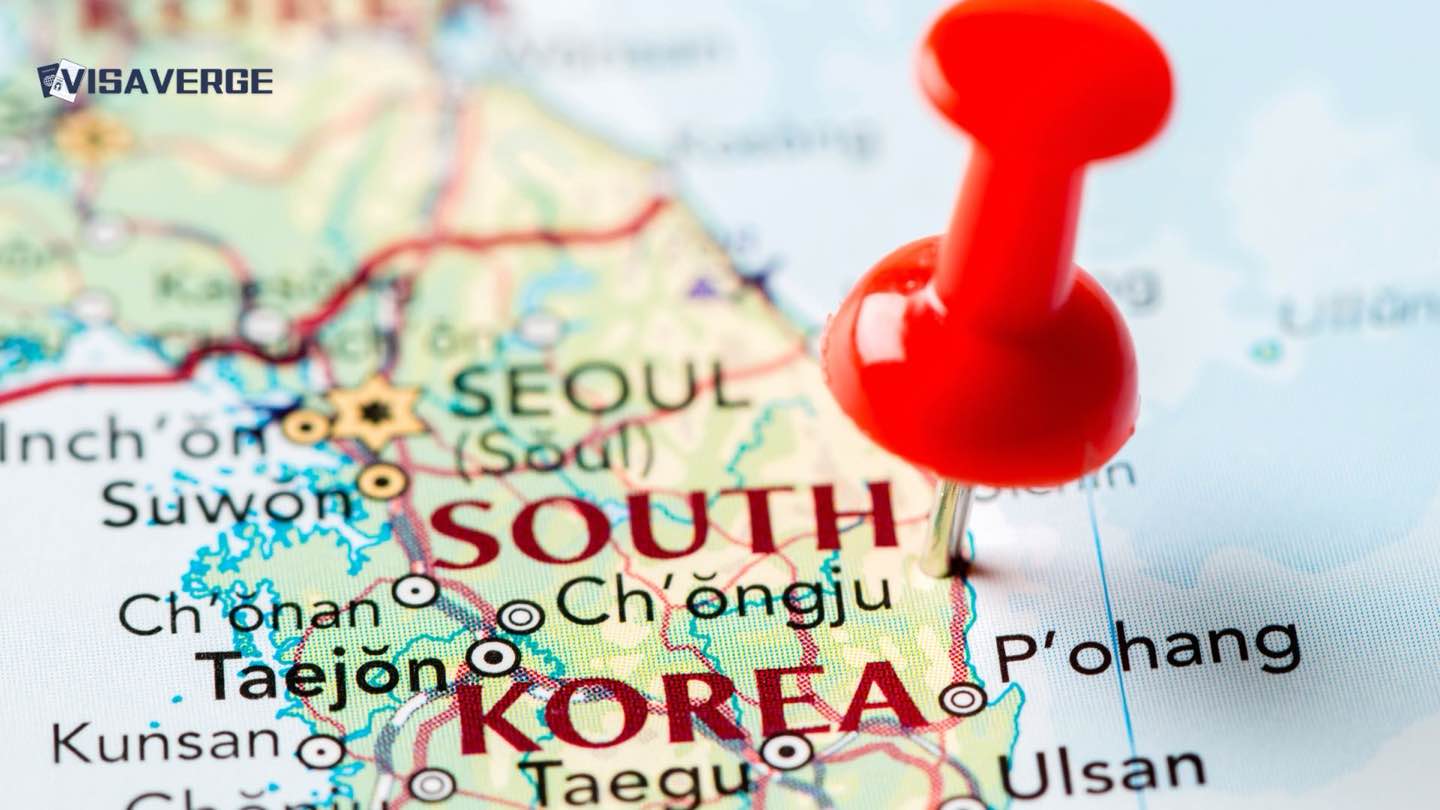
South Korea turned its digital nomad route into a permanent F-1-D Workation Visa on June 30, 2026, opening a longer stay for remote workers and easing access for some younger applicants outside the capital region. The new framework allows qualified holders to remain for up to three years. Local jobs stay off-limits.

The visa still requires work for a non-Korean employer or foreign clients. Family accompaniment is permitted. That part did not move.
New F-1-D Workation Visa to Launch in South Korea on June 30, 2026, Allowing Three-Year Stay

The permanent category replaces a pilot that began in January 2024. The new rules lift the ceiling beyond the pilot’s shorter limit. The route is now permanent.

Free toolSchengen Short-Stay Visa Calculator

Income rules changed too. The easier lane applies to applicants aged 18 to 34 who plan to live outside Seoul, Incheon, and Gyeonggi Province, or in designated population-declining regions. Everyone else still faces the standard bar: at least twice South Korea’s per-capita GNI, commonly cited for 2026 as roughly ₩88.1 million to ₩104.8 million a year.

The reduced threshold drops to roughly ₩44 million to ₩52 million a year, or about $36,963. The remote-work requirement still stands. No local Korean employment is allowed.

Applicants also need at least one year of relevant work experience or remote professional activity. They must show private medical coverage, with minimum protection reported as US$75,000 or KRW 100 million, and they need a clean criminal record certificate, apostilled where required. Applications generally go through a Korean embassy or consulate abroad.

The visa usually comes in 1 year blocks, and extensions remain possible under the permanent framework. Processing time depends on the embassy handling the case. The fee was not consistently stated in the surfaced material.

Important Notice
The visa does not erase tax rules. Physical presence can still trigger Korean tax residency, and anyone who stays long enough to become a Korean tax resident may face worldwide income reporting rules. Speak with a tax professional before relying on the visa for a move.

Seoul still wins on infrastructure, but the regions got a cheaper lane

  1. Seoul still sits at the top for internet speed, coworking quality, public transit, safety, and urban infrastructure.
  2. Regional cities outside the capital area are typically cheaper.
  3. Those places may also line up with the reduced income threshold for eligible applicants.
  4. The cost gap is one reason the new rules matter outside the capital.

The visa is still a temporary residence route, not a direct path to permanent residency or citizenship. That makes the paperwork the first gate, not the last. Extensions can still run under the permanent rules, up to the overall maximum stay.

People also ask

Answers from VisaVerge guides
How does the new policy affect the current national F-1-D Workation (Digital Nomad) Pilot Program requirements in South Korea?

The proposed changes do not alter the structure of the national pilot program but lower the income requirement for foreign workation visa applicants.

Read: Jeju Island Halves Salary Rule, Triples Stay for Workation Visa to Lure Nomads
What can digital nomads do with the new visa in South Korea?

Digital nomads can live and work in South Korea for up to two years under the new visa.

Read: South Korea Launches Digital Nomad Visa & K Culture Training Visa for 2024
What are the requirements for applying for South Korea's digital nomad visa?

Applicants must prove a stable income before arrival, contribute positively without impacting local employment, and be adaptable.

Read: Unlock South Korea: New Digital Nomad Visa For Entrepreneurs & Remote Workers!
What is the possibility of future adjustments to South Korea's digital nomad visa requirements?

There is optimism that the government may eventually adjust the income requirement or offer alternative ways to demonstrate job stability.

Read: New South Korea Digital Nomad Visa: Too Strict for Remote Workers?
How long can digital nomads stay in Jeju Island under the new visa rules?

Digital nomads can now stay up to 90 days in Jeju Island for remote work combined with travel, which is triple the previous limit of 30 days.

Read: Korea Eases Visa Rules for Skilled Workers and Foreign Students, Extends Jeju Stays
What do you think? 0 reactions
Useful? 0%
Nadia Hassan

Nadia Hassan covers immigration policy and legislation for VisaVerge.com, decoding the bills, executive actions, agency rule changes, and fee structures that reshape the system. With a sharp eye for how Washington's decisions reach ordinary applicants, she translates dense policy into practical context. Nadia's analysis gives readers the "what it means for you" behind every major immigration announcement.

Subscribe
Notify of
guest

0 Comments