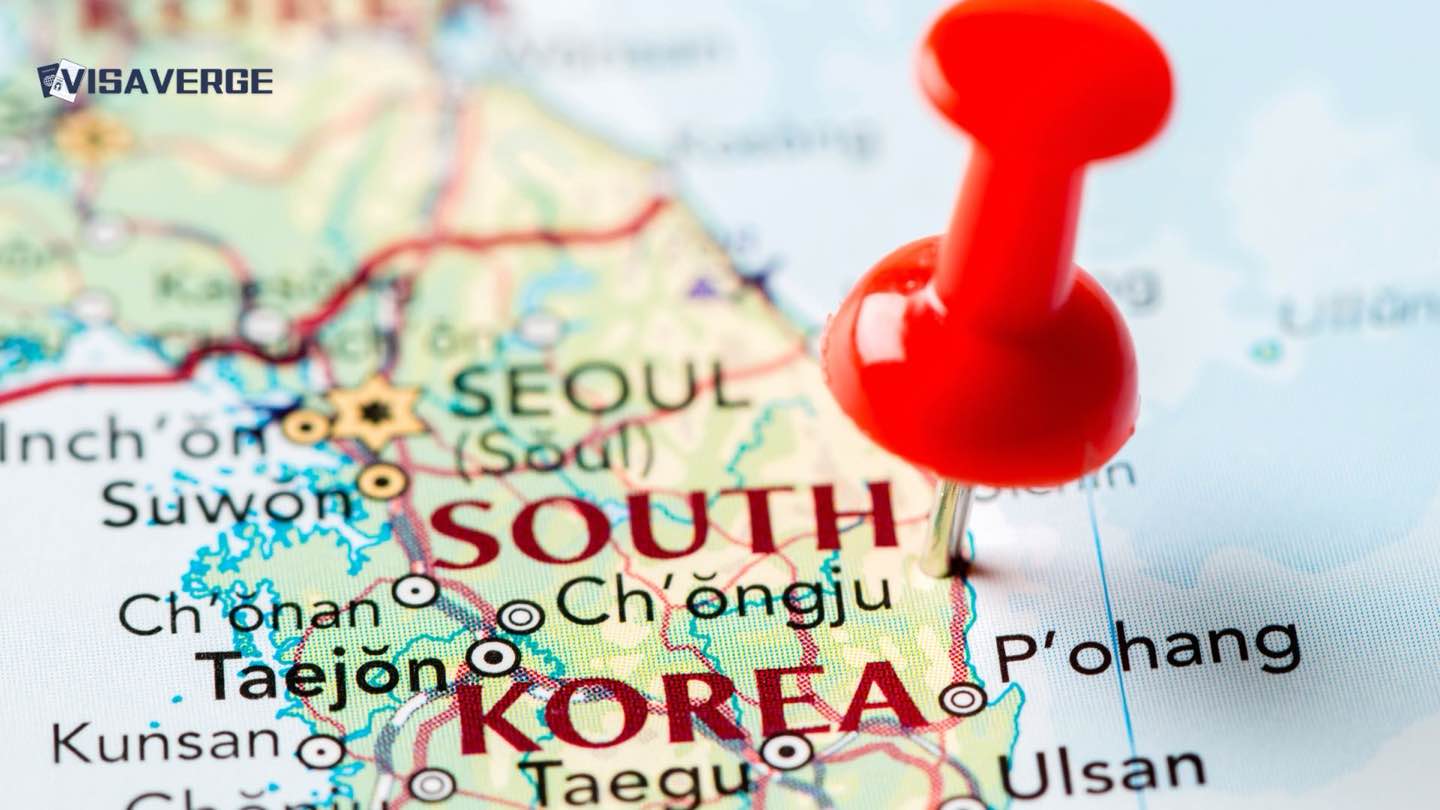
South Korea has recently emerged as an exciting destination not only for tourists and K-pop enthusiasts but also for digital nomads looking to blend work and travel. With the success stories of BTS and Parasite propelling Korean culture onto the global stage, South Korea is now focusing its attention on attracting digital nomads through its “workation” visa. As the world of remote work continues to expand, many are curious about the opportunities and requirements of South Korea’s digital nomad visa.
What is South Korea’s Digital Nomad Visa?
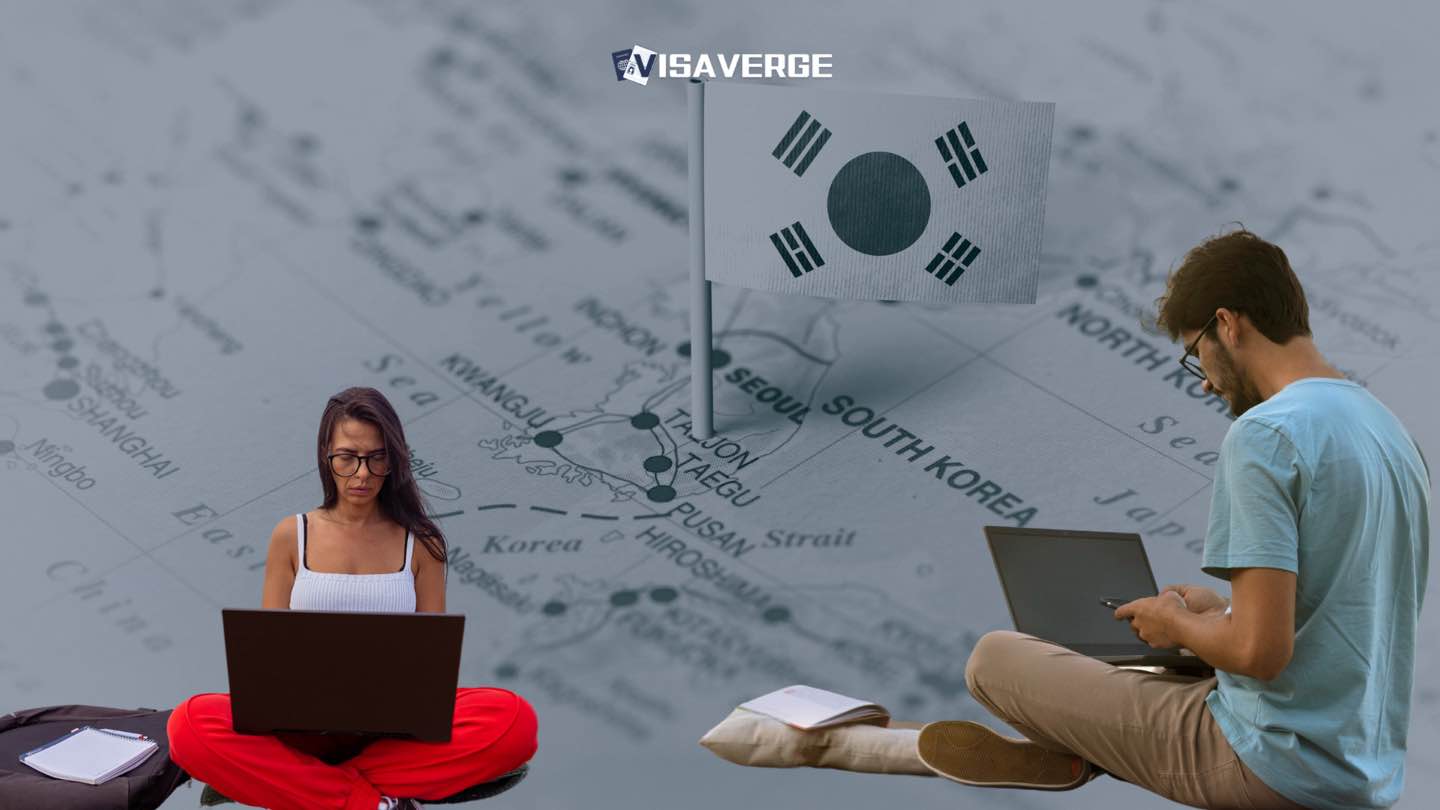
In January, South Korea introduced the F-1-D Workation Visa, designed specifically for digital nomads. This visa aims to attract “high-income foreigners” to live and work remotely in South Korea for a period of up to 12 months, with the possibility of extending for another year. However, it’s essential to note that visa holders cannot be employed locally.
Free toolDS-160 Form Filling Online Helper ToolAre There Any Income Requirements for the Digital Nomad Visa?
Yes, to qualify for the digital nomad visa, applicants must prove an annual income of at least 84.96 million won ($64,000), which is roughly twice the South Korean average income. This high-income requirement has been a point of contention, as it significantly limits the number of potential applicants. Moreover, candidates must have an employment contract and medical insurance coverage of at least $100,000, among other conditions.
How Does South Korea Compare to Other Countries Offering Digital Nomad Visas?
South Korea’s income requirement for its digital nomad visa is one of the highest compared to other countries. For example, the Czech Republic requires an income of about $2,700 per month, while Dubai asks for a monthly income of about $3,500. In Asia, Malaysia and Japan offer digital nomad visas with lower income requirements, making South Korea’s conditions more stringent and exclusive.
Challenges and Opportunities for Prospective Digital Nomads
Prospective applicants like Marco, a software engineer from Switzerland who has been working remotely in South Korea, find themselves in a challenging position due to the high-income requirement. Marco expresses his love for the country but highlights the limitations faced without a long-term residency, such as the inability to access many services that require a foreign resident card.
Despite these challenges, there is optimism among the digital nomad community in South Korea. Jeong Hyun Cho, founder of Digital Nomads Korea, believes that the visa’s high-income requirement is part of the government’s strategy to test the waters during the pilot phase, with potential adjustments in the future based on the program’s outcomes.
The Application Process and Current Statistics
As of February 29, South Korea has received just 31 formal applications for the digital nomad visa, reflecting the program’s stringent criteria and perhaps the need for further clarification and adjustments. The South Korean Ministry of Justice emphasized that the income threshold was set after considering various factors, including overseas benchmarks and the potential for illegal overstays.
For those navigating the application process, gathering clear information and understanding administrative procedures have been significant obstacles. The Digital Nomads Korea community has been instrumental in providing support and sharing experiences among its members, highlighting the strong interest in the digital nomad lifestyle in South Korea.
Looking Forward: Adjustments and Hopeful Applicants
Despite not currently qualifying for the visa, applicants like Andrea, a digital marketing coordinator from the US, remain positive about the program’s potential. There’s hope that the government may eventually adjust the income requirement or offer alternative ways to demonstrate job stability, making the visa more accessible to a broader range of digital nomads.
Conclusion
South Korea’s digital nomad visa offers an exciting opportunity for those who meet the stringent requirements, allowing them to experience the vibrant culture and technological advancements of the country. While there are challenges, particularly regarding the high-income threshold, the digital nomad community remains optimistic about future adjustments that could make the visa more accessible. As remote work continues to evolve, South Korea’s initiative to attract digital nomads could significantly enhance its position as a leading destination for tech-savvy travelers.
For more detailed information on the digital nomad visa and its application process, visit South Korea’s Ministry of Justice official website.
This Article In A Nutshell:
South Korea’s F-1-D Workation Visa lures high-income digital nomads to live and work for up to 12 months. With an annual income requirement of $64,000, challenges arise for aspiring applicants. Despite low application numbers, hope lingers for potential adjustments. South Korea’s bid to attract tech-savvy travelers signals a bright future for remote work enthusiasts.
Read more:
-
South Korea Introduces K-Pop Fan Visa for Music Lovers: Discover how South Korea is attracting international K-Pop fans with a specialized visa.
-
Unlock South Korea: New Digital Nomad Visa for Entrepreneurs & Remote Workers: Learn about South Korea’s latest visa offering aimed at digital nomads, entrepreneurs, and remote workers.
-
South Korea Launches Digital Nomad Visa & K-Culture Training Visa for 2024: Get the scoop on South Korea’s new visa initiatives for digital nomads and those interested in K-Culture for the year 2024.
-
South Korean Universities Hit with International Student Ban for Visa Non-Compliance: Read about the challenges faced by South Korean universities due to an international student ban over visa non-compliance issues.