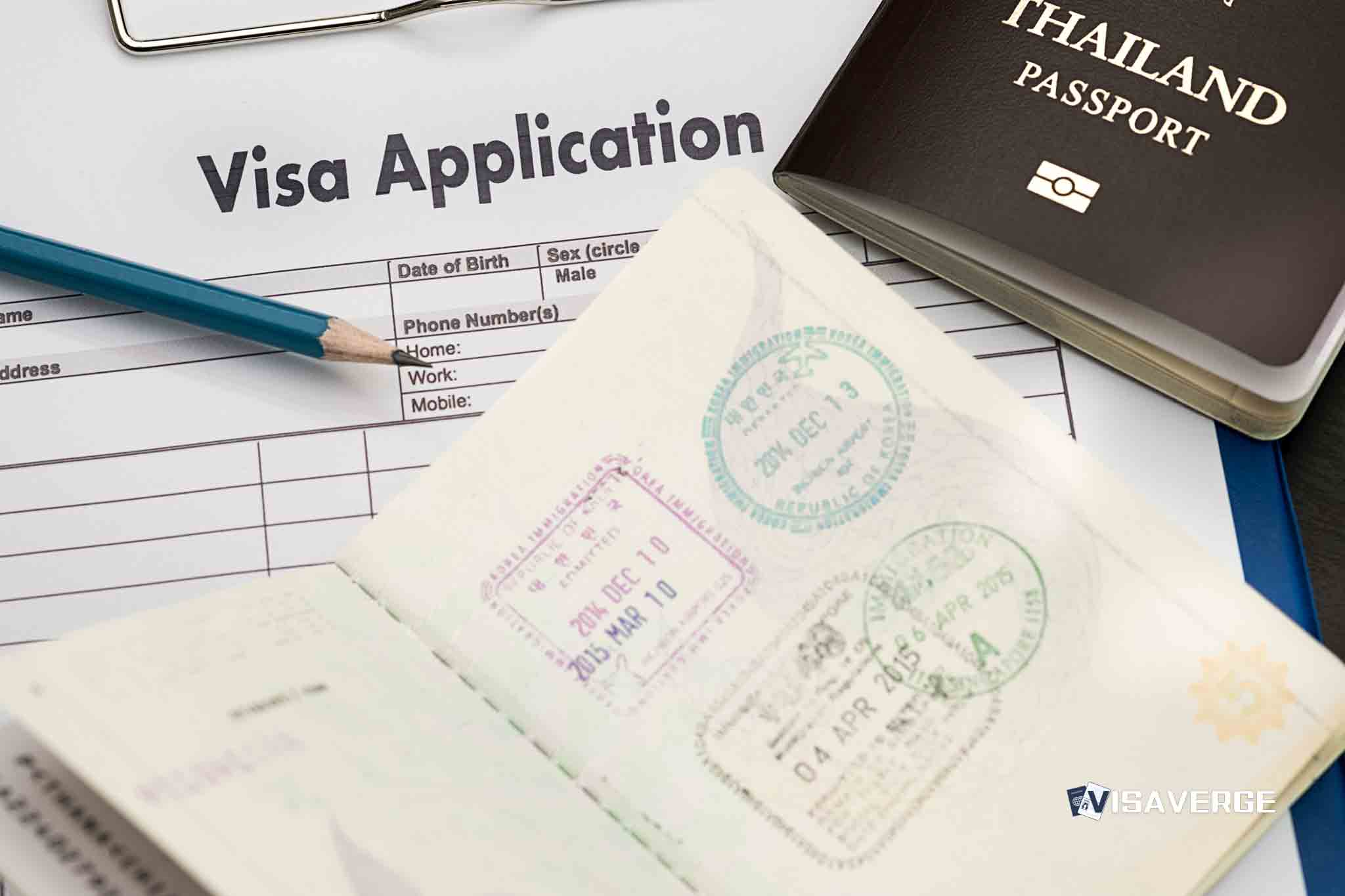
- South Korea has transitioned forty-four thousand workers from temporary H-2 permits to long-term F-4 visas.
- The policy overhaul removes country-of-origin bias specifically affecting ethnic Koreans from China and former Soviet states.
- New F-4 status provides extended stay periods and access to manual labor jobs like construction and delivery.
South Korea moved ethnic Korean H-2 visiting workers into the longer-term F-4 overseas Korean visa, and more than 44,000 people have already converted since the February overhaul began. Officials are pitching the shift as a faster path to settlement and broader work access. The visa channel is changing quickly.
Han Jae-yong, an official at the Korea Immigration Service, said the Ministry of Justice wanted related agencies to help people settle stably and join local society. He said:
"The Ministry of Justice will work with related agencies so resident compatriots can settle stably and contribute to social integration"
The agency is treating the move as coordination work. Not paperwork alone.
The numbers show how fast the transition has gone. More than 54 percent of H-2 holders switched within six months, and the H-2 population fell from 81,447 in mid-February to 31,186 by the end of July. That drop was steep. Officials were watching the curve.
The reform took effect on February 12, 2026, in the run-up to the 81st anniversary of Korea's liberation on August 15. The old system had left Koryoin from former Soviet states and Joseonjok from northeastern China on tighter permits than ethnic Koreans from Western countries. The split was old. In a briefing, the ministry said the change should end country-of-origin bias and help 860,000 ethnic Koreans from abroad settle more stably in the country. It added:
"We expect this measure to serve as a historic milestone in resolving the controversy over discrimination based on country of origin to enable the stable settlement of 860,000 ethnic Koreans from abroad residing in the country"
A high-level committee with eight ministries, including Foreign Affairs and Employment and Labor, handled the rollout. Officials also cast the overhaul as a "moral obligation to the Korean diaspora" and a "crucial demographic strategy" as South Korea faces one of the world's lowest birth rates. The calendar mattered.
Applications moved quickly after the change opened. Between February 12 and May 12, 47,632 people applied for the status change, and 36,561 were approved. New holders also must complete a 5-hour Early Settlement Program covering basic Korean law, safety, and community information. Quick paperwork helped.
F-4 opens longer stays and broader work rights
The visa terms change the rhythm of a stay. Under the older H-2 system, stays topped out at 4 years and 10 months. F-4 holders can renew every three years and have a clearer path to F-5 permanent residency. The difference is plain. The new status is built for longer planning.
The work side changes too. F-4 holders can now work in 10 manual labor occupations, a move that widens access beyond the older limits. Construction site labor is on the list. So are manual packaging and labeling, loading and unloading for parcel delivery, gas station work, and parking attendant jobs. The list is broader now.
Officials are still widening the list
The government has waived visa conversion fees until December 31, 2027, to keep the shift moving. It also plans to raise the number of community support centers for overseas Koreans to 37 and invest public funds to steady their operations starting this year. The support net is growing. More desks are coming.
Officials are also consulting industry experts on whether to open 37 additional restricted occupations to F-4 holders. The list is still under review. More doors could open next.