- Dubai offers 30, 60, and 90-day tourist visas for short-term stays in 2026.
- Over 50 nationalities can obtain a visa-on-arrival at Dubai International Airport or Al Maktoum.
- Applicants must ensure six months of passport validity and mandatory travel insurance for entry.
(DUBAI, UNITED ARAB EMIRATES) Dubai’s 2026 tourist visa system keeps travel moving quickly, but it also demands careful paperwork. Most visitors can choose between visa-on-arrival access and pre-approved entry, while others must apply before they fly. The rules are clear: bring the right documents, enter on time, and do not overstay.
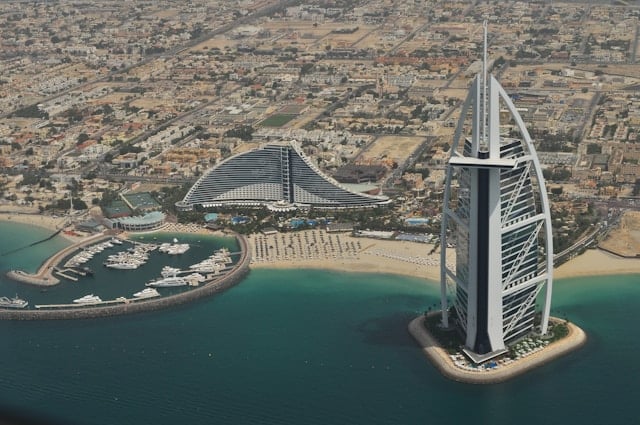
That matters for anyone planning a holiday, a family visit, or a short business stop near the Burj Khalifa, Dubai Mall, or the city’s beaches. It also matters for frequent travelers, because the five-year multiple-entry route now gives repeat visitors a more stable option.
The core framework is straightforward. Dubai offers 30-day, 60-day, and 90-day single-entry tourist visas, plus a five-year multiple-entry visa for eligible frequent visitors. Visa-on-arrival remains available for more than 50 nationalities, including the United States ??, Canada ??, the United Kingdom, and many European and Asia-Pacific passport holders. Everyone else must secure a pre-approved tourist visa through an official portal, an airline such as Emirates or Flydubai, or an accredited agency.
Free toolREAL ID Requirements Checker toolThe Federal Authority for Identity, Citizenship, Customs & Port Security explains the federal visa system on its official ICP portal. GDRFA Dubai also issued updated guidance on March 15, 2026, reinforcing the same basic rules and adding tighter digital checks for financial proof.
Entry routes for 2026
Visa-on-arrival is the fastest path. Travelers get an entry stamp at Dubai International Airport or Al Maktoum International Airport, usually for 30 days or 90 days. Some nationalities receive a one-time extension. The fee is generally AED 100 to AED 200, paid at arrival.
| India | China | ROW | |
|---|---|---|---|
| EB-1 | Feb 01, 2023 ▲109d | Jul 01, 2023 | Current |
| EB-2 | Nov 01, 2013 | Oct 01, 2021 ▲30d | Jan 01, 2025 |
| EB-3 | Jan 01, 2014 | Jan 08, 2022 ▲7d | May 15, 2024 ▼109d |
| F-1 | Jan 22, 2020 | Jan 22, 2020 | Jan 22, 2020 |
| F-2A | Sep 22, 2026 ▲31d | Sep 22, 2026 ▲31d | Sep 22, 2026 ▲31d |
Pre-approved visas take longer but give more certainty. They suit travelers who want a longer stay, families traveling together, and anyone who does not qualify for arrival-based entry. Processing usually takes 3 to 5 working days. A premium service can cut that to 48 hours, for an extra charge.
VisaVerge.com reports that Dubai’s current system remains one of the region’s most flexible tourist frameworks because it combines fast airport processing with online pre-clearance for longer stays.
Documents officers expect at the border and in the file
Applicants need a clean, complete file. Missing papers slow everything down.
- Passport valid for at least 6 months from entry
- Recent photo with a white background
- Hotel booking for at least one night, or a host letter with Emirates ID and utility bill
- Bank statement for the last 3 to 6 months
- Return or onward ticket
- Travel insurance with at least AED 135,000 coverage for medical care and evacuation
- For the five-year visa: proof of residence, recent travel history, and AED 15,000 in the bank
A 2026 change allows some financial checks through digital bank API verification. That speeds up reviews and reduces manual back-and-forth. Minors also need birth documents and parental consent. No COVID tests or vaccination papers are required.
How the application process works
First, choose the right channel. The official route goes through the UAE’s portals, while airline desks and agencies offer packaged help.
- Select the platform: ICP or GDRFA portals are cheapest. Airlines often bundle the visa with a ticket. Agencies charge service fees but handle the submission.
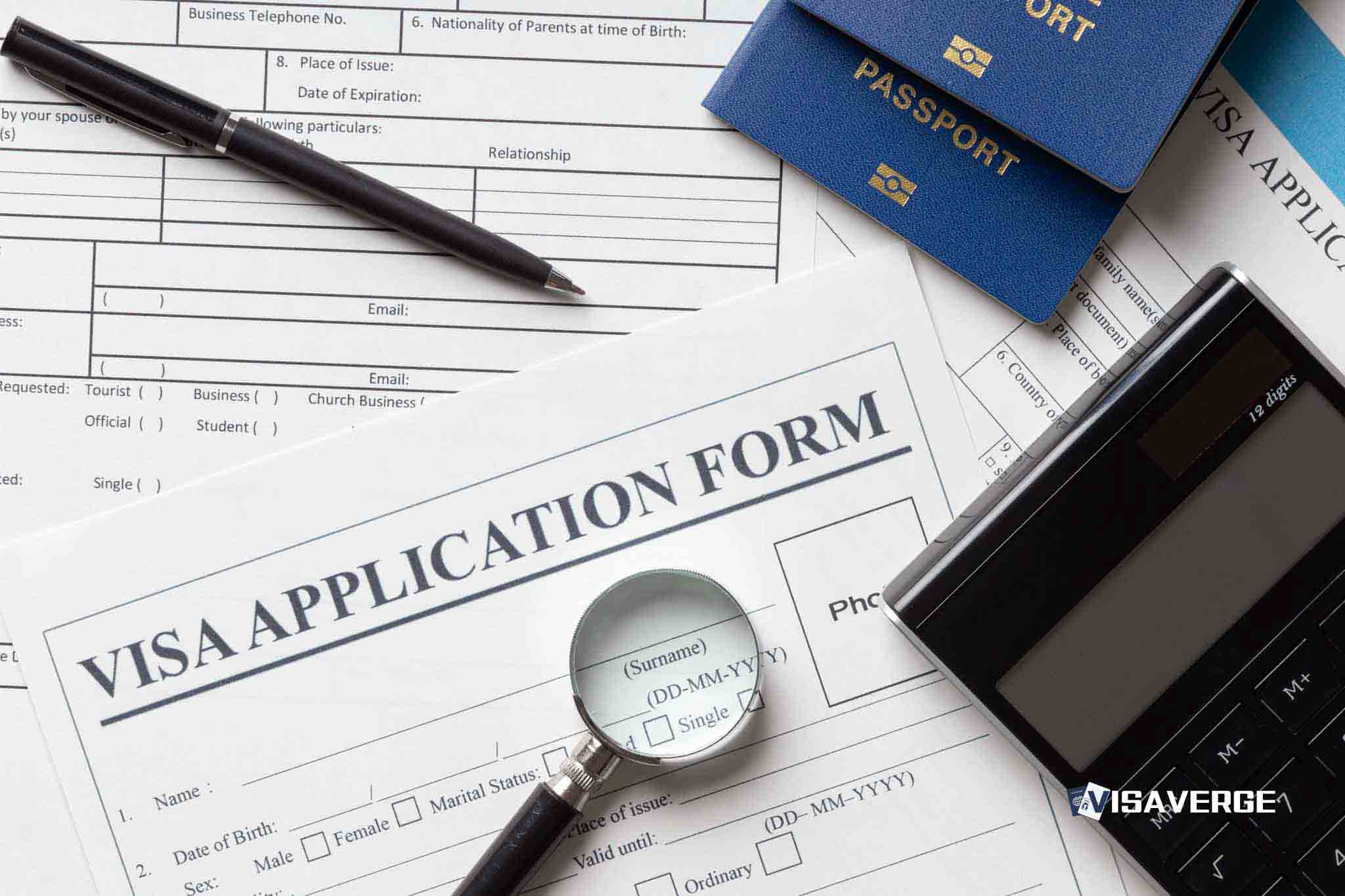
- Complete the form: Details must match the passport exactly.
- Upload documents: Use clear scans or photos.
- Pay the fee: Card payment is standard.
- Track approval: The visa arrives by email as a PDF.
Validity starts from issuance or entry date, whichever comes later. That detail matters for people booking long trips around school holidays or work leave.
Fees in 2026 are set at AED 335 for a 30-day visa, AED 535 for 60 days, and AED 735 for 90 days. Express processing can push those amounts higher. The five-year multiple-entry visa costs AED 2,000 to AED 3,000, while the GCC unified tourist visa is listed at AED 325. Children under 18 get a 50% discount. Fees are non-refundable and subject to 5% VAT.
Staying longer without breaking the rules
Extensions are available inside the country. Travelers should apply 5 to 7 days before expiry through the ICP app or GDRFA channels. Most tourist visas can get two 30-day extensions, while a 90-day visa can usually be extended once for another 90 days. The extension fee runs between AED 600 and AED 800, and approval often comes within 48 to 72 hours.
The stay limit is strict. A visitor cannot spend more than 180 days in any 365-day period across visits and extensions. Overstaying starts costing money immediately. The fine begins at AED 50 per day on day one, then rises to AED 100 per day after 30 days. Repeated violations can trigger bans, and an exit “outpass” may be required before departure.
Nationality rules that matter in practice
Nationality still shapes the experience. Indian travelers with US, UK, or EU residence permits can get visa-free or arrival-based entry, depending on status. Russian and Ukrainian passport holders keep 90-day visa-on-arrival access through 2026. Filipinos can receive a 30-day visa-on-arrival when traveling through Emirates or Flydubai. Chinese travelers often use 30-day or 60-day e-visas, including group applications with discounted pricing. Several African nationalities, including Nigeria and Kenya, face tighter scrutiny on funds and usually need pre-approval.
These differences shape real travel plans. A parent visiting relatives, a worker on leave, or a family stopping in Dubai before a longer regional trip all face the same rule set, but not the same entry path. That is why checking eligibility before booking saves time, money, and stress.
For many visitors, Dubai works best as a short, flexible stay rather than a long immigration project. The tourist visa system supports that model well. It lets people see the Burj Khalifa, shop, visit family, and move on without a long waiting period.