State Department’s INA 221(i) Authority Lets Consular Officers Cancel Visas Anytime

Under INA Section 221(i), the State Department can revoke a visa at any time after issuance. A revocation stops future travel, but it does not erase an...

Key Takeaways
  • INA Section 221(i) lets the Secretary of State revoke visas at any time after issuance.
  • A revoked visa becomes invalid for future travel, but it does not cancel a separate lawful stay already granted.
  • In August 2026, officials reviewed up to 200,000 visitor visas and had already completed more than 600 revocations.

The State Department can cancel a visa after it issues one, and INA Section 221(i) lets consular officers do it at any time. The statute gives the Secretary of State and consular officers authority to revoke an issued visa “at any time, in his discretion.” It sits in 8 U.S.C. § 1201(i).

A revocation makes the visa invalid for future travel. It does not erase a separate lawful period of stay already granted by Customs and Border Protection, and it does not automatically mean immediate deportation. A person may still be inside the United States if they entered lawfully. The cancellation and the stay are different things.
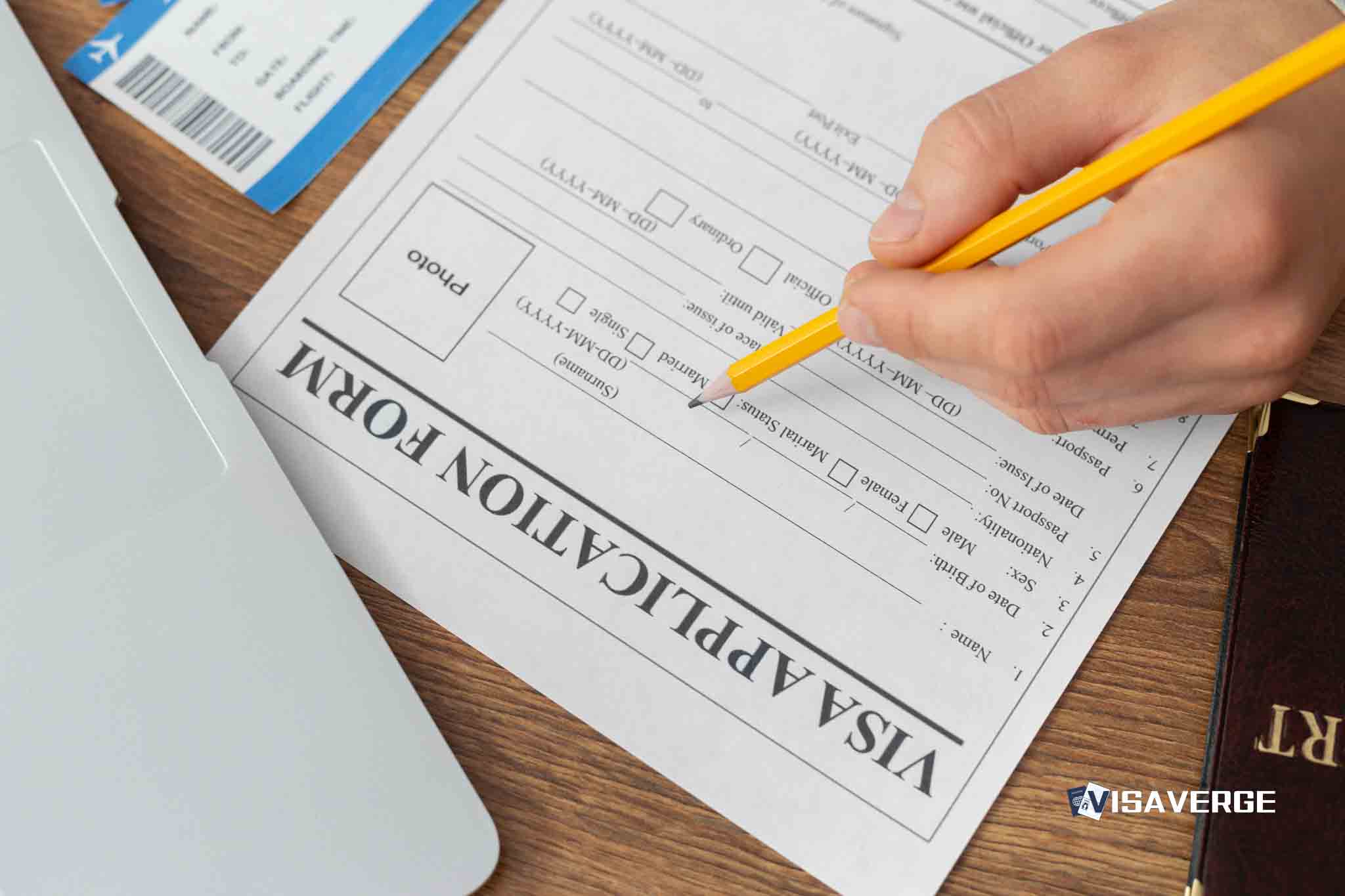
State Department’s INA 221(i) Authority Lets Consular Officers Cancel Visas Anytime

The power can reach a visa long after issuance. It can also reach one years after it was first used. A stamp in the passport does not lock the decision in place. The department can act after the original approval window has passed.

Free toolDS-160 Form Filling Online Helper Tool

Officers can rely on new information, including fraud, misrepresentation, criminal activity, security concerns, or other ineligibility issues. Those facts can surface after the visa is already in a passport. They can also surface after the first trip. If the department later decides the traveler should not hold the visa, it can pull it back.

The decision is discretionary. The government does not have to keep the visa valid once it decides the holder should no longer have it. Once revoked, the visa foil in the passport cannot be used for travel to the United States. That is the practical cutoff.

August 2026 put the authority back on display

In August 2026, the power returned to the center of visitor-visa enforcement. Accounts described efforts to revoke large numbers of B-1/B-2 visitor visas tied to birth tourism enforcement, and one tally said more than 600 revocations had already been completed. The pace was fast. The department was using the statute after the fact.

A separate August 2026 review plan covered up to 200,000 visitor visas. It used visa records and later asylum filings to look for possible misrepresentation. That cross-check reached beyond the original application file. It also showed how the department can compare old visa records with newer filings when it decides whether the visa should no longer remain valid.

The reach extends to conduct learned after issuance, including signs that a traveler misstated the trip’s purpose or eligibility. That is the statute’s edge. It can follow the case after the first interview. The visa does not get a permanent shield.


→ Common Questions
Can a visa be revoked after it has already been issued?+
Yes. Under INA Section 221(i), the Secretary of State and consular officers can revoke a visa at any time after issuance. The government does not need to wait for the visa to expire. The revocation makes the visa invalid for future travel, and the decision is discretionary if officials determine the holder should no longer keep it.
Does visa revocation mean immediate deportation?+
Not automatically. A revoked visa cannot be used for future entry, but it does not erase a separate lawful period of stay already granted by Customs and Border Protection. Someone may still be inside the United States lawfully if they entered properly. Deportation depends on other immigration factors, not the visa revocation alone.
What reasons can lead to a visa being revoked?+
Officials may rely on new information such as fraud, misrepresentation, criminal activity, security concerns, or other ineligibility issues. These facts can appear after the visa is issued or even after the traveler has already used it once. If the State Department decides the person should no longer hold the visa, it can revoke it.
What happened in August 2026 with visitor visas?+
In August 2026, the State Department’s visa revocation authority drew renewed attention. Reports described efforts to revoke large numbers of B-1/B-2 visitor visas tied to birth tourism enforcement, with more than 600 revocations already completed. A separate review plan covered up to 200,000 visitor visas and used later filings to search for possible misrepresentation.

People also ask

Answers from VisaVerge guides
What is visa revocation, and how can it happen?

Visa revocation occurs when the US government cancels your visa due to arrest or conviction, violation of immigration rules, or security concerns.

Read: US State Department Warns: One Bad Decision Risks Permanent Visa Consequences
Can my U.S. visa be revoked after it is issued?

Yes, a U.S. visa can be revoked by the Department of State based on new information or national interest concerns.

Read: Marco Rubio Warns U.S. Visa Withdrawal Could Hit Visitors
What legal basis does the U.S. use to revoke visas under this action?

The revocations fall under Section 212 of the Immigration and Nationality Act, which allows consular officers to cancel visas when there is “reason to believe” an individual is involved in illicit drug trafficking.

Read: US Revokes Visas of Over 50 Mexican Officials, Escalating Tensions
Which legal provisions allowed the U.S. Embassy to revoke these visas?

Revocation was based on INA §§212(a)(2)(C) and 212(a)(6)(C), which cover controlled substance trafficking and misrepresentation, respectively.

Read: U.S. Revokes Visas for Indian Executives Over Fentanyl Precursors
What can actually cancel a visa?

Only government immigration authorities have the authority to cancel a visa.

Read: Visa cancellation misinformation puts holders at risk of abuse
What do you think? 0 reactions
Useful? 0%
Subscribe
Notify of
guest

0 Comments
Nadia Hassan

Nadia Hassan covers immigration policy and legislation for VisaVerge.com, decoding the bills, executive actions, agency rule changes, and fee structures that reshape the system. With a sharp eye for how Washington's decisions reach ordinary applicants, she translates dense policy into practical context. Nadia's analysis gives readers the "what it means for you" behind every major immigration announcement.