- The Indian High Commission expanded visa operations in Bangladesh following a massive surge in tourist demand.
- Over one thousand two hundred visas were issued on the first day services resumed at five centers.
- The expansion aims to strengthen bilateral ties after a suspension that lasted nearly two years since August 2024.
(DHAKA, BANGLADESH) — The High Commission of India in Dhaka said it is expanding visa operations in Bangladesh after a “massive surge in demand” followed the resumption of tourist visa services on June 28, 2026.
The mission said on July 3, 2026 that public demand had been strong from the first day, with over 1,200 visas issued as services restarted after a suspension that lasted nearly two years. Thousands of applicants queued at the Indian Visa Application Centre at Jamuna Future Park in Dhaka.
India resumed tourist visa applications at five centres on June 28, 2026: Dhaka, Chattogram, Rajshahi, Sylhet and Khulna. The Indian government is now scaling up staff and processing capacity to reopen all IVACs across Bangladesh.
Free toolDS-160 Form Filling Online Helper Tool“We are truly encouraged by the overwhelming response from those wishing to travel to India for various purposes. As we continue to expand our visa services and make the application process smoother and more convenient, we sincerely appreciate your patience and cooperation. The High Commission of India remains committed to strengthening people-to-people ties and deepening the enduring friendship between India and Bangladesh.”
— High Commission of India in Dhaka
“I am very happy to be able to announce the launch of general travel visas again. Visa applications can be submitted starting June 28. Urgent medical visas will continue to be provided for humanitarian reasons. We will further scale up our operations in other cities in the future.”
— High Commissioner Dinesh Trivedi, June 25, 2026October 2026 Final Action Dates
India China ROW EB-1 Feb 01, 2023 ▲109d Jul 01, 2023 Current EB-2 Nov 01, 2013 Oct 01, 2021 ▲30d Jan 01, 2025 EB-3 Jan 01, 2014 Jan 08, 2022 ▲7d May 15, 2024 ▼109d F-1 Jan 22, 2020 Jan 22, 2020 Jan 22, 2020 F-2A Sep 22, 2026 ▲31d Sep 22, 2026 ▲31d Sep 22, 2026 ▲31d
The restart marks a change after India suspended tourist visas in August 2024 amid political unrest in Bangladesh and attacks on several Indian diplomatic missions. The new expansion has been presented as part of a broader reset in bilateral ties.
Trivedi’s appointment, at Cabinet-minister rank, has drawn attention in Dhaka because it coincides with efforts by Bangladesh’s new government to rebuild relations with New Delhi. The move also aligns with India’s “Neighbourhood First” policy, which places surrounding countries at the center of its regional diplomacy.
Visa access has practical weight in Bangladesh because India remains a primary destination for medical treatment, tourism and trade. The suspension created a backlog and put pressure on travel-linked activity on both sides of the border.
Medical travelers had still received priority during the suspension, but the return of broader tourist visa services has reduced waiting times for people seeking treatment in Indian cities such as Kolkata and Chennai. That change affects patients and accompanying relatives who had faced tighter channels for travel.
Business groups also welcomed the resumption. Leaders from the Saudi Arabia-Bangladesh Chamber of Commerce and Industry, along with other trade bodies, said the reopening would support essential business travel and investment after a period that strained commercial links.
The pace of the reopening became clear on the first day. Over 1,200 visas were issued, a volume that underscored how much demand had accumulated during the suspension and why Indian officials moved quickly to widen capacity.
That immediate response also helps explain why the High Commission has framed the expansion as more than an administrative adjustment. The mission tied the increase in visa capacity to people-to-people links, a phrase Indian officials often use for travel, family visits, education and medical journeys that continue even when official ties come under stress.
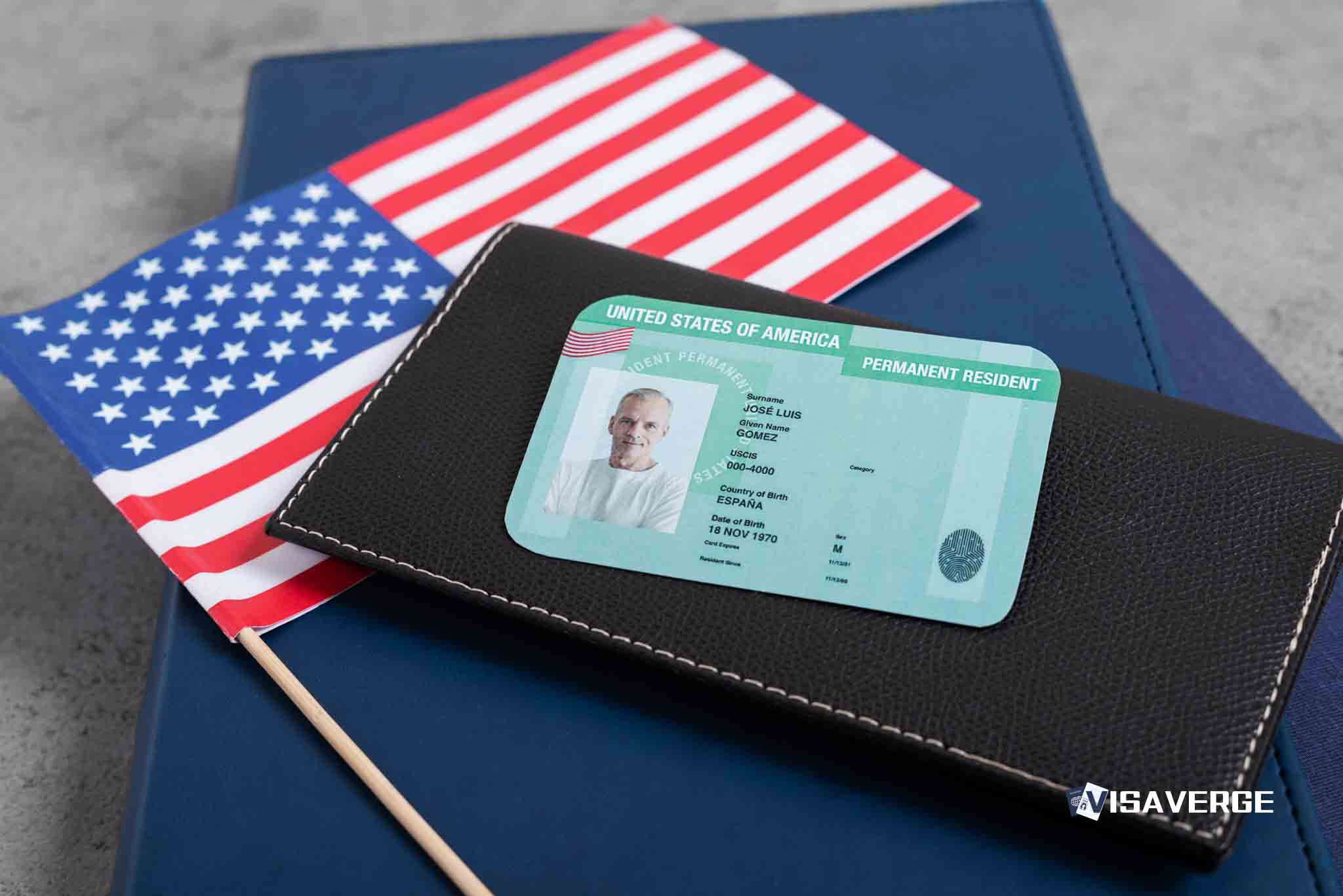
Parallel visa changes by the United States have also reshaped the travel and immigration picture in Bangladesh. The U.S. Embassy in Dhaka introduced a two-day processing system for all immigrant visa categories on June 1, 2026, a step aimed at speeding permanent residency processing for Bangladeshis.
U.S. policy has moved in a different direction for some temporary travel. The U.S. Department of State now requires certain B1/B2 visa applicants from Bangladesh to post a bond of up to $15,000 under updated vetting and “public charge” policies.
Bangladesh also remains within the jurisdiction of the USCIS Dhaka Field Office for refugee and asylee relative petitions, including Form I-730, and other limited immigration matters. Those U.S. steps are separate from India’s visa expansion, but together they show how consular policy has become a more visible part of cross-border mobility in Bangladesh.
India’s move carries immediate travel implications because tourist visa services affect not just holiday travel but family visits, shopping trips, religious journeys and short business-related movement that often falls outside formal trade channels. After nearly two years of restrictions, the first week of resumed applications produced the kind of turnout that Indian officials said required a faster operational response.
Applicants responded first in Dhaka, where crowds formed at Jamuna Future Park as soon as submissions reopened. Indian officials said they would continue making the application process smoother and more convenient while widening access in other cities.
The expansion now places the High Commission’s capacity at the center of India’s effort to restore routine movement between the two neighbors. With queues already stretching into the thousands and more centres set to reopen, visa counters have become one of the clearest signs that diplomatic ties are shifting back toward normal contact.