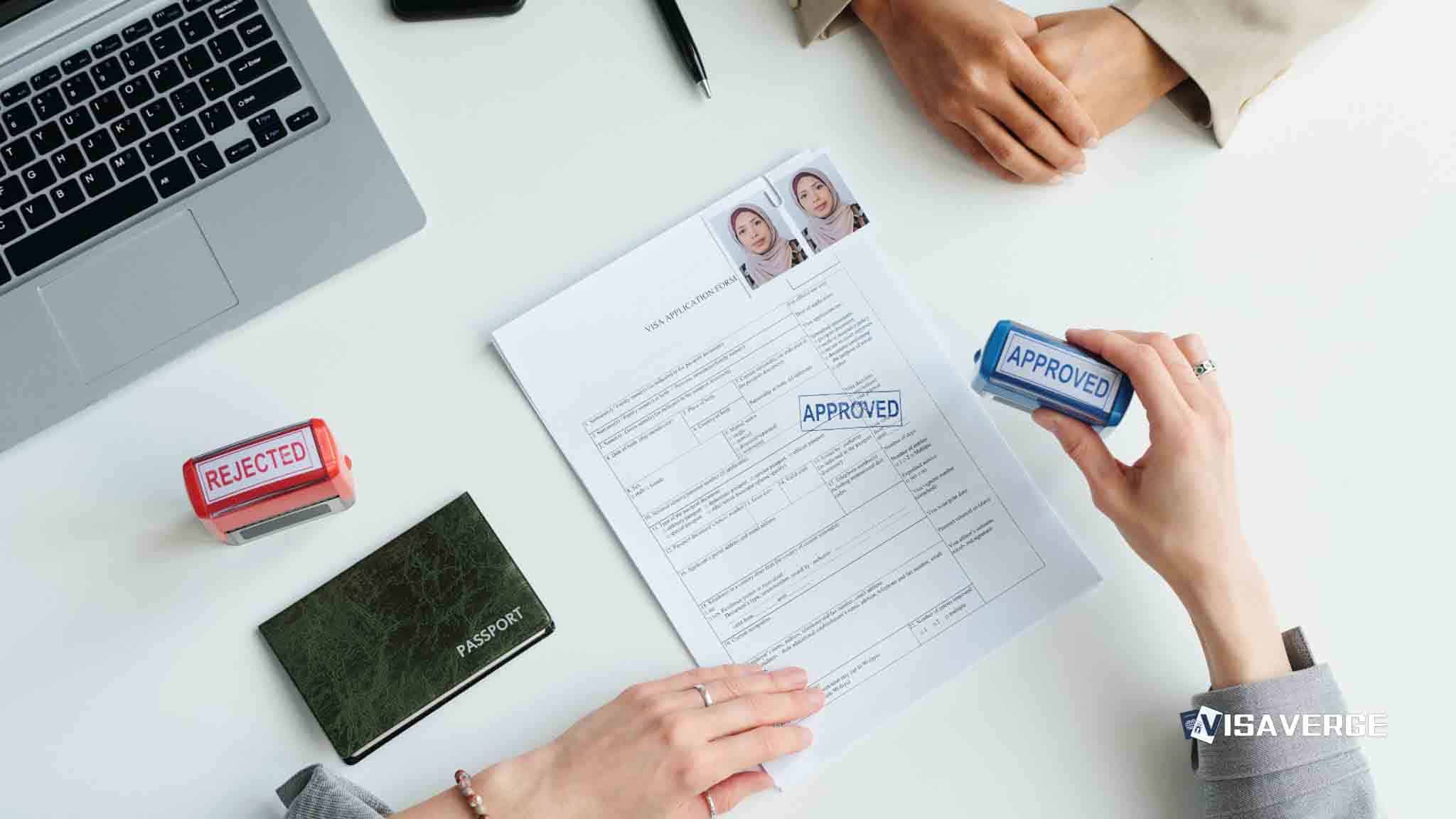
- The Philippine Embassy in Dhaka launched an e-visa system for Bangladeshi tourists on June 8, 2026.
- Applicants must use the official online portal but still pay fees in person at the embassy.
- U.S. immigration policy now requires returning home for Green Card processing, affecting Filipinos and Bangladeshis.
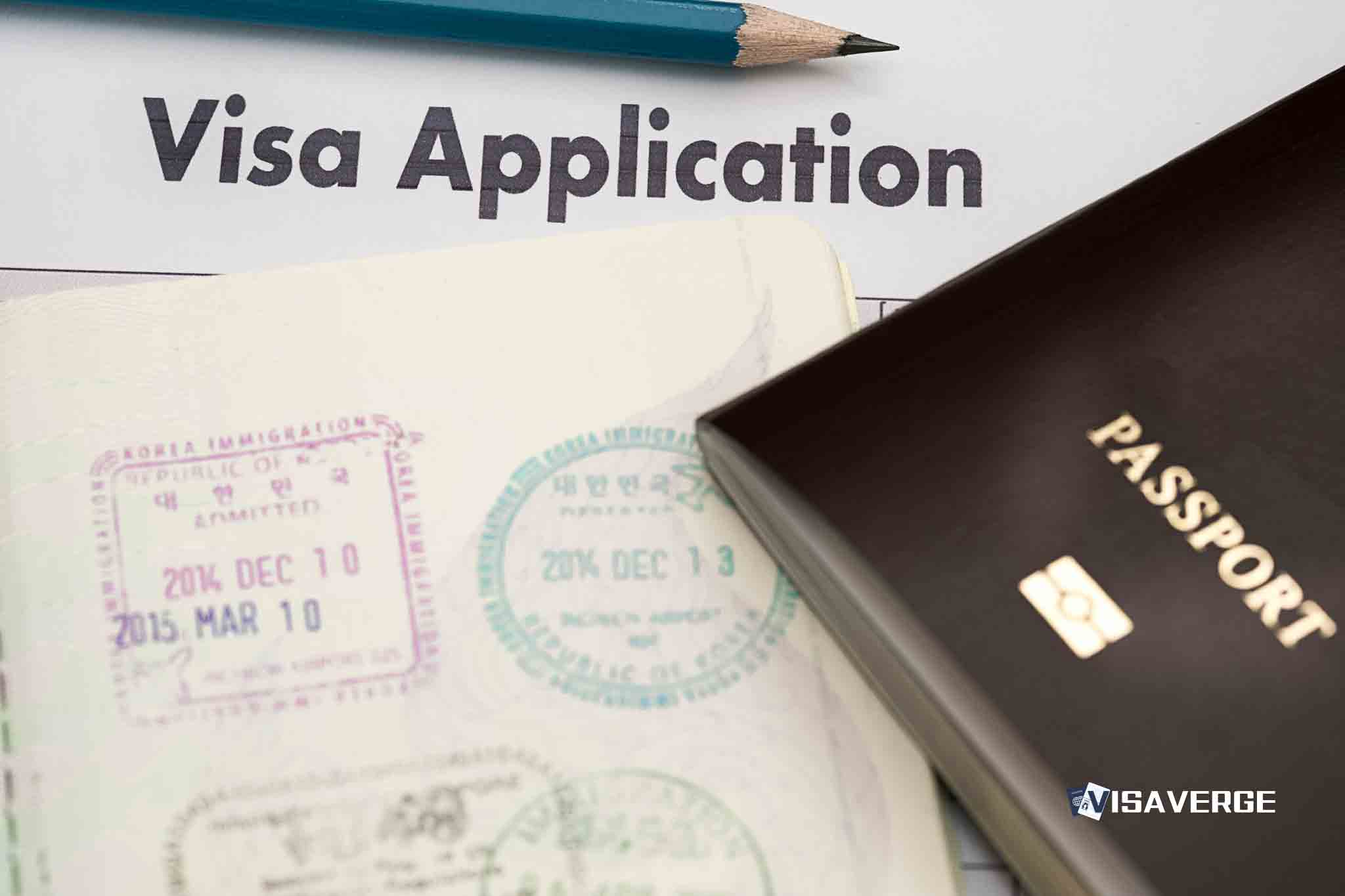
(DHAKA, BANGLADESH) — The Philippine Embassy in Dhaka launched an electronic visa system for Bangladeshi passport holders on Monday, June 8, 2026, shifting tourist applicants for the Philippines e-visa away from the traditional sticker visa process.
The new system covers 9(a) Temporary Visitor Visas (Tourism) and requires applicants to file through the official Philippine Visa Online Portal. Once approved, the visa can be downloaded on a computer or mobile device and shown to immigration authorities either digitally or on paper.

The embassy said in a statement issued on June 8, 2026: “Under the new system, eligible Bangladeshi nationals seeking temporary entry to the Philippines can apply online through the official e-visa portal. Once approved, the e-visa can be downloaded through a computer or mobile device and presented to immigration authorities either digitally or in printed form.”
The rollout followed a beta testing phase that ran from May 25 to June 5, 2026. Embassy officials in Dhaka moved to the full system from Monday, making Bangladeshis newly eligible to apply online for tourist entry to the Philippines.
Processing fees remain tied to the type of visa requested. A single-entry visa costs BDT 8,580, a multiple-entry visa valid for six months costs BDT 13,860, and a multiple-entry visa valid for one year costs BDT 19,140.
Payment has not moved fully online. The Philippine Embassy in Dhaka said applicants must still pay e-visa fees at the embassy until further notice, even though the application itself now runs through evisa.gov.ph.
Bangladeshis using the new visa route face clear limits after arrival. The e-visa cannot be converted to another visa category, including work or student status, once the traveler is in the Philippines, and stay under this category is generally non-extendible.
Travelers must also complete the e-Travel Registration Form within 72 hours of arrival. That requirement places the Philippines e-visa inside a wider screening system that links the visa process to arrival registration and border checks.
The change cuts steps from the older process for Bangladeshi tourists. Previously, the application took 7–15 working days and required physical document submissions, according to the information released with the launch.
Officials presented the shift as part of a broader digital transformation of Philippine consular services. The embassy’s Bangladesh website lists the visa changes alongside other consular updates, and the online system opens a route that officials expect to ease paperwork for tourism travel.
The move also carries a commercial angle. By reducing in-person filing and replacing sticker visas for tourist entry, the system is expected to support more tourism and business exchange between Bangladesh and the Philippines, while keeping document review and entry checks inside a digital process.
U.S. immigration authorities, meanwhile, issued separate policy changes in early June that affect Filipinos and Bangladeshis dealing with visa and Green Card matters in the United States. Those measures do not govern the Philippine e-visa, but they arrive in the same month and touch both nationalities.
USCIS recently issued policy memorandum PM-602-0199, a change that affects nonimmigrants in the United States who want to seek lawful permanent residence from inside the country. The memo emphasizes a return to home-country visa processing except in extraordinary circumstances.
An official USCIS release said on May 22, 2026: “We’re returning to the original intent of the law to ensure aliens navigate our nation’s immigration system properly. From now on, an alien who is in the U.S. temporarily and wants a Green Card must return to their home country to apply, except in extraordinary circumstances.”
That policy bears directly on Filipinos and Bangladeshis in temporary status in the United States who had expected to pursue adjustment of status there. USCIS posted the update through its newsroom, where the agency has been publishing June policy announcements.
Experts suggest that up to 200,000 Filipinos currently in the United States on temporary visas such as F-1 or B-1/B-2 may now have to return to the Philippines for consular processing rather than apply for a Green Card from within the country. No official forecast tied to the policy uses that figure.
Another U.S. change arrived in Dhaka on June 1, 2026, when the U.S. Embassy implemented a two-day processing system for all immigrant visa categories. The update followed the end of an earlier pause on immigrant visa issuances for several countries and gives Bangladeshi applicants a faster timetable at the interview stage.
The U.S. Embassy in Bangladesh lists visa information and consular updates on its official site. For Bangladeshi families pursuing immigrant visas, the shorter processing window stands apart from the Philippines tourist e-visa rollout but arrives in the same period of fast-moving visa policy changes.
DHS added another layer on June 4, 2026, publishing a proposed rule that would narrow and clarify eligibility for discretionary employment authorization. The measure affects people paroled into the United States or those with deferred action and requires “significant countervailing public interests” for approval if any criminal history exists.
That proposal matters for applicants who rely on discretionary work permits while they remain in temporary or unresolved status. It also signals that U.S. agencies are tightening review standards at the same time that the Philippines is digitizing tourist visa processing for Bangladeshis.
Both sets of changes place screening at the center of travel and immigration systems. In the Philippine case, that means an online tourist visa tied to the e-Travel Registration Form; in the U.S. context, it means stricter review of adjustment and employment authorization decisions.
The immediate effect in Dhaka is more concrete. Starting on June 8, 2026, Bangladeshis planning a tourism trip to the Philippines no longer need to begin with a sticker visa application, but they still need to apply through the official portal, pay the required fee at the embassy, carry the approved e-visa in digital or printed form, and complete the arrival registration before they travel.
{ “@context”: “https://schema.org”, “@type”: “DefinedTermSet”, “name”: “Immigration Terminology”, “hasDefinedTerm”: [ { “@type”: “DefinedTerm”, “name”: “9(a) Visa”, “description”: “A temporary visitor visa for tourism or business purposes in the Philippines.” }, { “@type”: “DefinedTerm”, “name”: “e-Travel Registration”, “description”: “An electronic arrival form required for all travelers entering the Philippines within 72 hours of arrival.” }, { “@type”: “DefinedTerm”, “name”: “Adjustment of Status”, “description”: “The process of applying for lawful permanent resident status (Green Card) while inside the United States.” }, { “@type”: “DefinedTerm”, “name”: “Consular Processing”, “description”: “The process of obtaining a visa through a U.S. embassy or consulate in a foreign country.” } ] }