- A viral image of a 5-year-old child detained by ICE in Minnesota has sparked national debate over enforcement.
- DHS and ICE officials denied using children as bait during the arrest of the boy’s father.
- The incident highlights the impact of sanctuary policies on federal law enforcement tactics and local cooperation.
(COLUMBIA HEIGHTS, MINNESOTA) — A viral image of a 5-year-old detained by ICE in Minnesota sparked a national analysis of enforcement tactics, official rationales, and the political framing surrounding sanctuary policies and local cooperation.
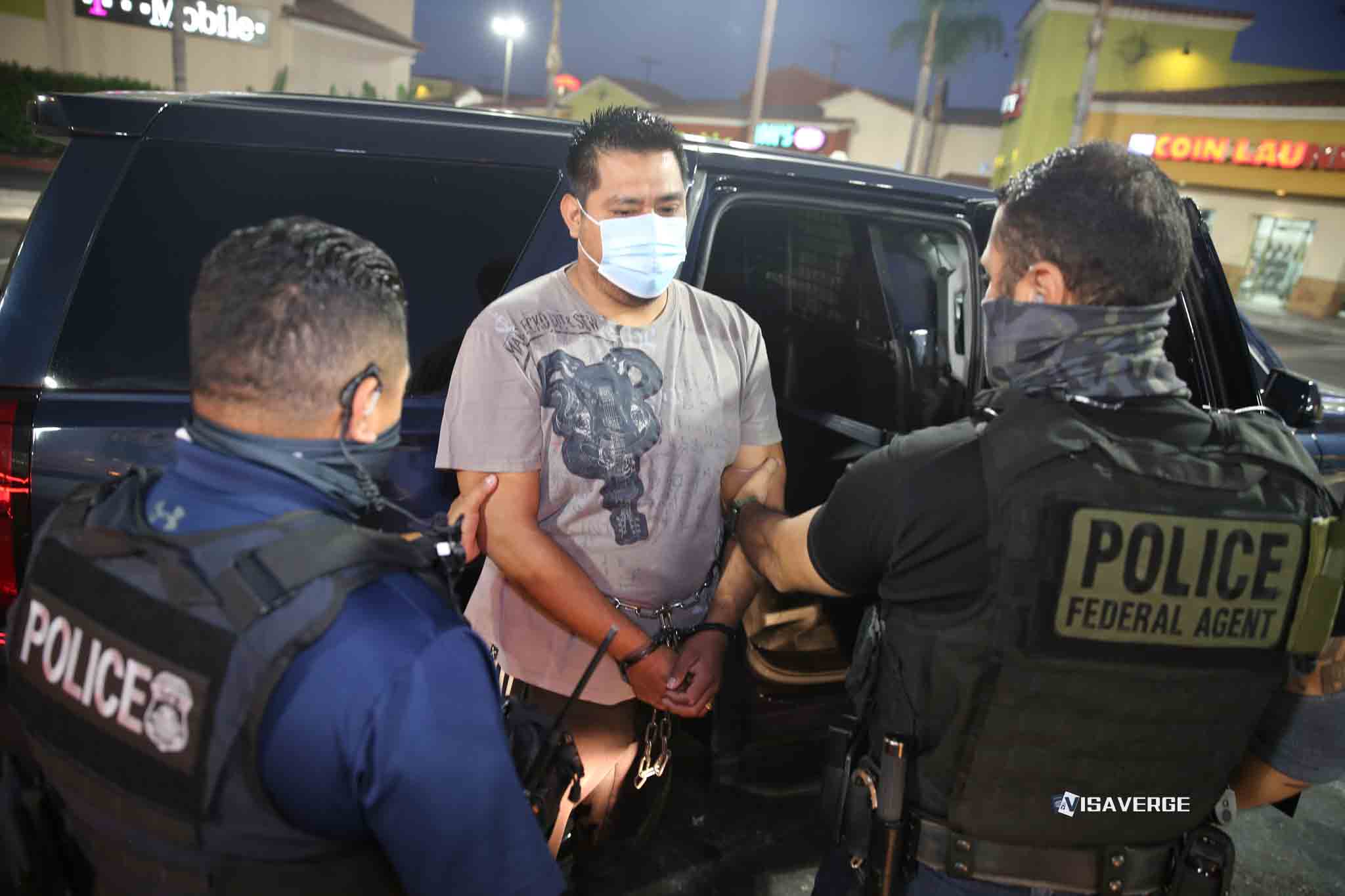
The image centered on Liam Conejo Ramos after a January 20, 2026 driveway encounter in Columbia Heights, Minnesota, where ICE agents approached his father, Adrian Alexander Conejo Arias, shortly after preschool drop-off.
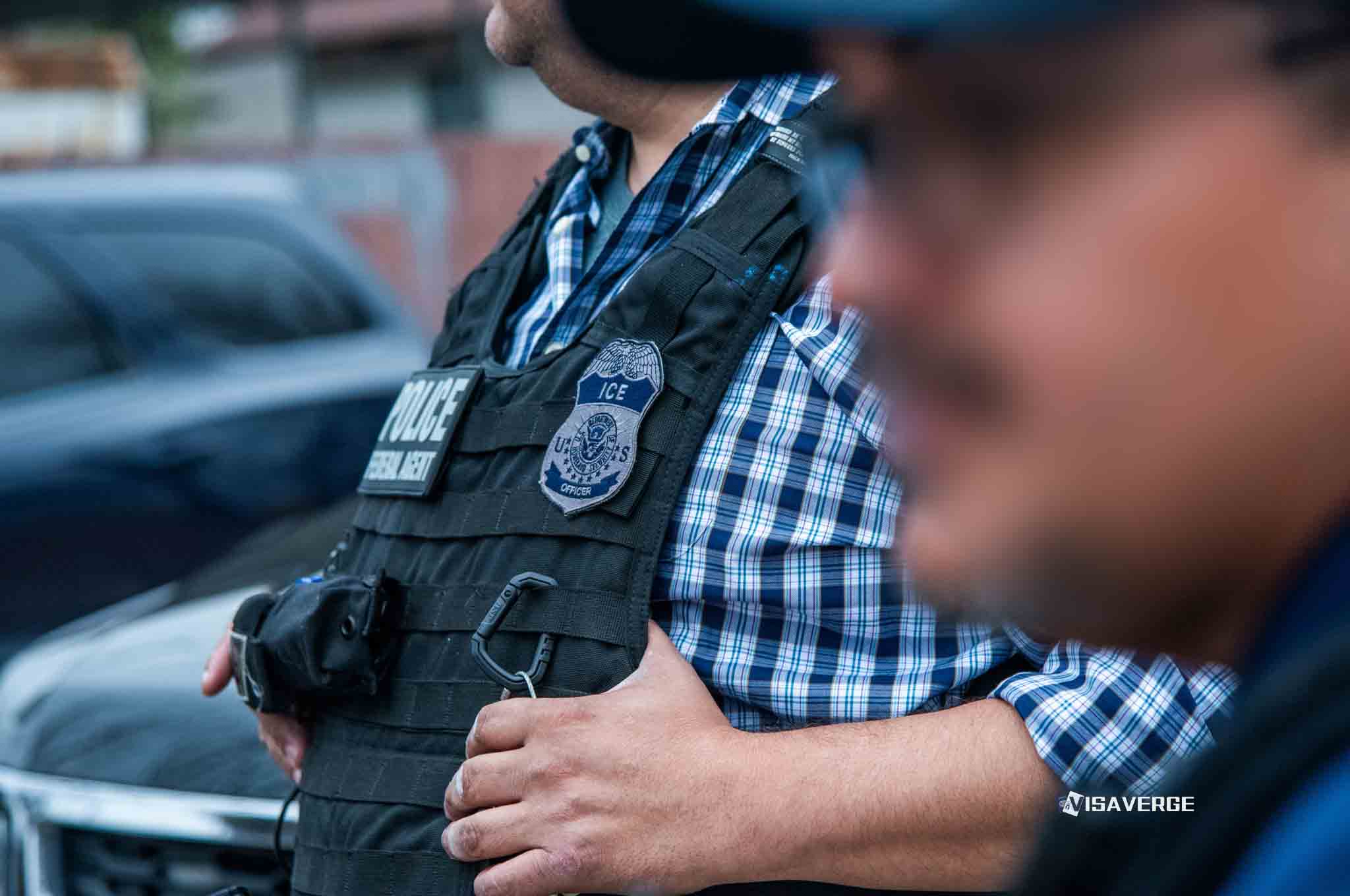
Federal officials said the child was not targeted and was kept safe while agents detained the father. Public scrutiny intensified as DHS and ICE issued statements on January 22, 2026 and January 23, 2026, rejecting allegations that agents used the child as “bait.”
Summary details
| Element | Details |
|---|---|
| Who | Liam Conejo Ramos, 5; father Adrian Alexander Conejo Arias; DHS; ICE; Columbia Heights Public Schools |
| Where | Driveway in Columbia Heights, Minnesota; later transfer to South Texas Family Residential Center in Dilley, Texas |
| When | Incident: January 20, 2026; operation reference: January 21, 2026; public statements: January 22, 2026 and January 23, 2026 |
| What happened | ICE approached the father after preschool drop-off; DHS/ICE said the father fled and the child was kept safe |
| What is alleged | Superintendent Zena Stenvik said agents used the child as “bait” |
| What officials deny | DHS/ICE said the child was not targeted and denied using a child as “bait” |
| Family case posture | Arrived December 2024; asylum case pending; no prior deportation order |
| Local impact | Liam was reported as the fourth student detained from the Columbia Heights district in January 2026 |
Official statements and responses
DHS spokesperson Tricia McLaughlin said officers did not set out to detain a child. “ICE did NOT target a child,” McLaughlin said in statements dated January 22-23, 2026.
McLaughlin described officers as responding to a sudden safety issue after the father “darted, ran, and abandoned the child,” adding that officers cared for the boy, including stopping for food and playing music to calm him.
ICE also rejected the “bait” accusation. “ICE did not, and has never, ‘used a child as bait,’” the agency said in a January 22, 2026 statement posted on social media.
ICE added that an officer stayed with the child “for the child’s safety” while others apprehended the father.
DHS, in a January 23, 2026 clarification, tied the incident to broader debates over cooperation with local law enforcement. “We need state and local law enforcement engagement and information so we don’t have to have such a presence on the streets,” DHS said.
How to read official statements: Confirmed details typically include what the agency says it did and why, such as safety steps and who was targeted. Allegations often come from witnesses or local officials and may be disputed. Watch for specific language about “target,” “safety,” and claimed reliance on state and local cooperation, which agencies cite to explain tactics.
| Source | Claim | Date/Context |
|---|---|---|
| Tricia McLaughlin, DHS spokesperson | Child not targeted; child described as “abandoned”; officers cared for the child | January 22-23, 2026 statements |
| ICE statement (social media) | Denied using a child as “bait”; officer stayed with child for safety while father was apprehended | January 22, 2026 |
| DHS clarification | Emphasized reliance on state/local engagement to reduce street-level presence | January 23, 2026 |
| Zena Stenvik, Columbia Heights Public Schools superintendent | Alleged agents used the child as “bait” by directing him to knock on a door | Public allegation following January 20, 2026 incident |
| J.D. Vance, Vice President | Defended agents; framed incident as child-safety and arrest issue; criticized “sanctuary” policies | Minneapolis visit, January 22, 2026 |
Vice President remarks
Vance spoke in Minneapolis on January 22, 2026 as attention spread beyond Minnesota. He framed the encounter as a choice between enforcing an arrest and protecting a child in winter conditions.
“Well, what are they supposed to do? Are they supposed to let a 5-year-old child freeze to death? Are they not supposed to arrest an illegal alien in the United States of America?” Vance said.
He also sought to separate the child’s treatment from the father’s detention. “I’m a father of a 5-year-old boy, actually,” Vance said, adding that the child “was not arrested” and that “his father ran.”
Vance connected the enforcement narrative to sanctuary policies, arguing that limits on local cooperation can push federal agents into more visible, street-level actions.
Supporters of sanctuary approaches often argue they build community trust, while critics say they complicate arrests; Vance emphasized the latter argument in his remarks.
Disputed accounts and intent
Accounts of what happened in the driveway remain contested in part. DHS and ICE described a safety response after the father fled, while Columbia Heights Public Schools Superintendent Zena Stenvik accused agents of directing the child to knock on the front door to check whether others were inside.
DHS called the “bait” claim a “horrific smear.” Stenvik’s allegation, and DHS’s rebuttal, became a central fault line in the public debate because it goes to intent, not just outcome.
Enforcement operations context
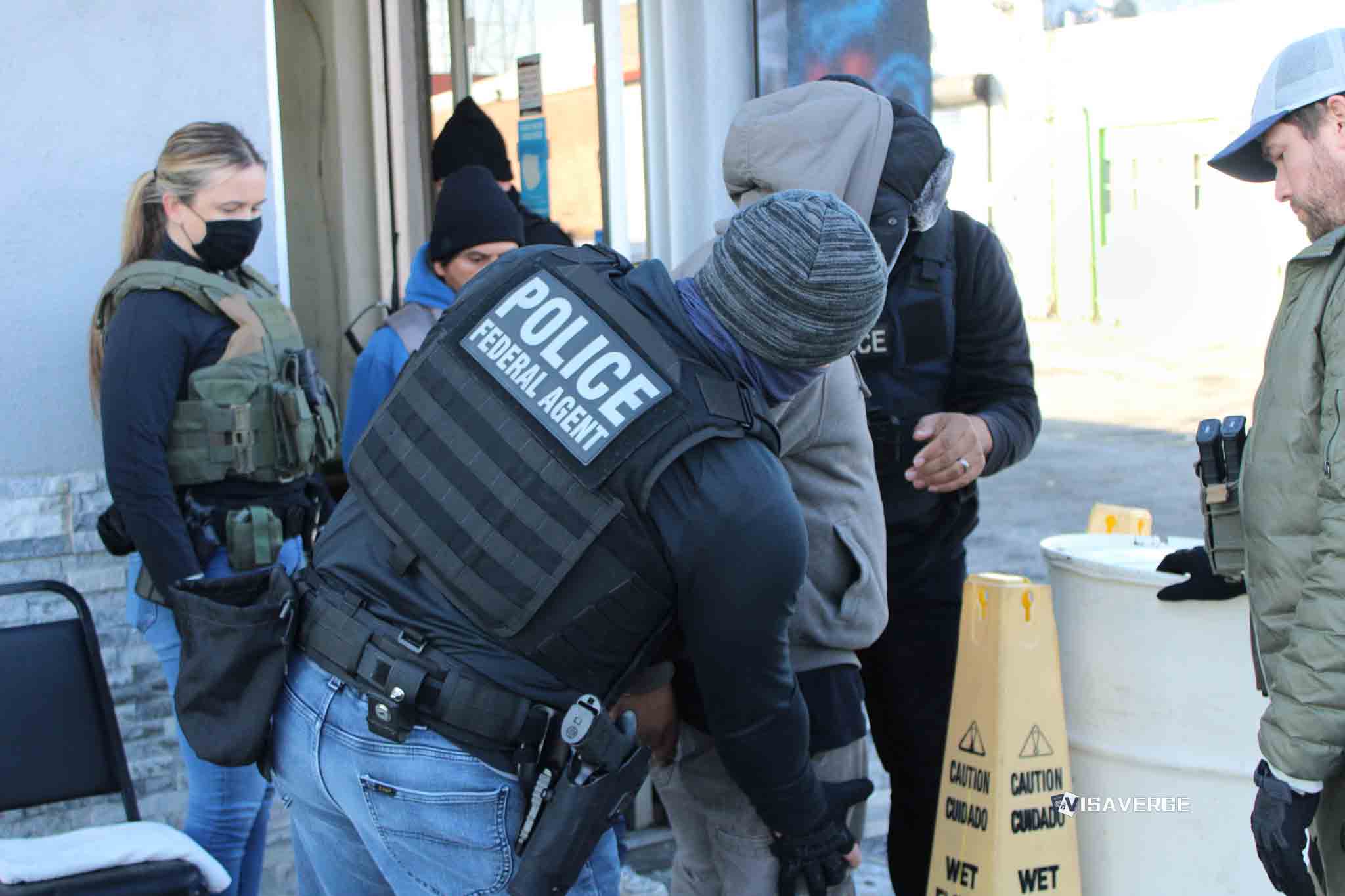
Officials tied the arrest to Operation Metro Surge, a federal enforcement effort in the Twin Cities area. DHS described such operations as aimed at people with final orders of removal or criminal records.
A final order of removal is an immigration order that generally authorizes the government to remove a person from the United States after court proceedings end. In many cases, people still seek court review or other relief, but the order is treated as final unless changed by a legal process.
DHS also highlighted a separate enforcement effort, Operation Catch of the Day, in Maine, with a January 21, 2026 reference that described targeting the “worst of the worst” criminal aliens. The Maine operation was cited by officials as part of broader enforcement messaging, even though it occurred in a different state.
What happened to the family
Liam and his father were transported after the Minnesota encounter to the South Texas Family Residential Center in Dilley, Texas. A family residential center is a detention facility designed to hold parents and children together while immigration proceedings continue.
The family’s attorney has said they arrived in the United States in December 2024 and that their asylum case pending remains active. The attorney also said they had no prior deportation order.
An asylum case pending generally means a request for protection has been filed and has not been finally decided by immigration authorities or the immigration courts. That posture can matter for detention decisions and court scheduling, but it does not determine an outcome in the case.
Local school district impacts
School officials said Liam is the fourth student detained from the Columbia Heights district in January 2026. They identified the others as two 17-year-olds and a 10-year-old.
Districts track such incidents because they can affect attendance, student support needs, and staff obligations when a child disappears from class or a parent can no longer pick up a student.
Administrators also monitor impacts on classmates and whether families need referrals to services.
Broader operational implications
Federal officials have pointed to reliance on state and local law enforcement engagement as a factor that can change how arrests occur. DHS has argued that when local cooperation is limited, agents may have fewer options for controlled handoffs, increasing the chance of arrests occurring near homes or workplaces.
Readers seeking primary documentation can look for DHS Newsroom materials that summarize operations such as Operation Metro Surge and Operation Catch of the Day. DHS Press Office statements often carry the department’s official messaging and clarifications on disputed claims.
ICE posts enforcement-related releases through the ICE Newsroom, which may include arrest totals, operation names, and agency explanations of tactics. Case-specific immigration records, however, are generally not public, and press statements may omit operational details, even when they address public controversies.
⚠️ This article discusses ongoing enforcement and asylum proceedings; readers should not infer legal outcomes for the family beyond documented statuses.
This article discusses enforcement actions and asylum procedures; it should not be construed as legal advice. For individual legal questions, readers should consult a qualified immigration attorney.