- Policy disputes surround the ICE detention of pregnant individuals amid conflicting government and advocacy narratives.
- DHS and ICE face scrutiny over medical care quality following high-profile cases like Pineda and Monterroso-Lemus.
- A 2025 lapse in mandatory reporting of detainee counts has created significant transparency gaps for oversight.
As of January 14, 2026, conflicting DHS and advocacy narratives surround ice detention of pregnant individuals, highlighted by the Pineda and Monterroso-Lemus cases and a broader policy pivot toward case-by-case detention amid questions about medical care and data transparency.
Section 1: Overview and context

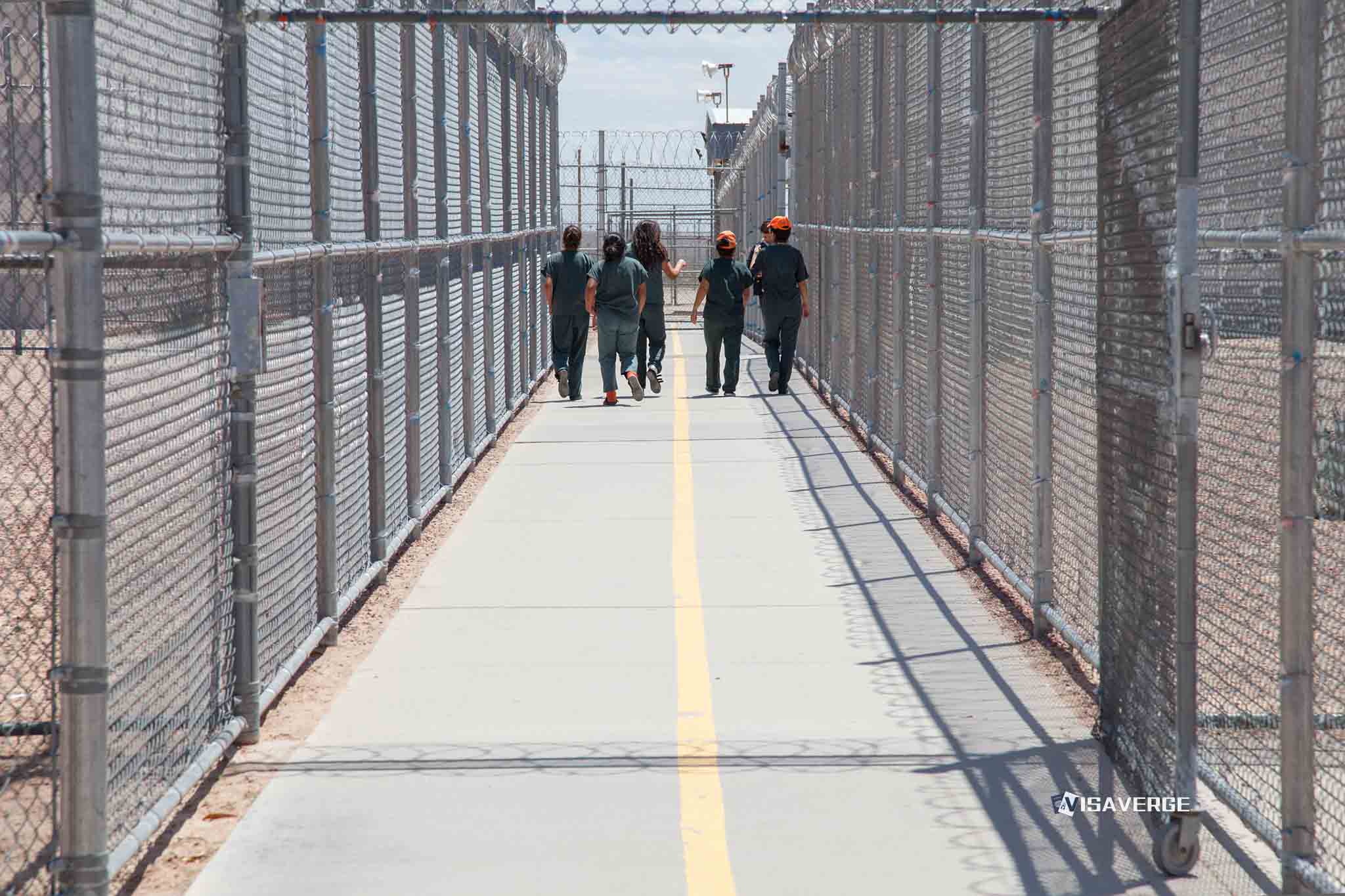
Headlines about a “pregnant wife detained” have become a flashpoint in U.S. immigration coverage because pregnancy raises immediate medical stakes inside a system built around transfers, tight timelines, and limited public visibility.
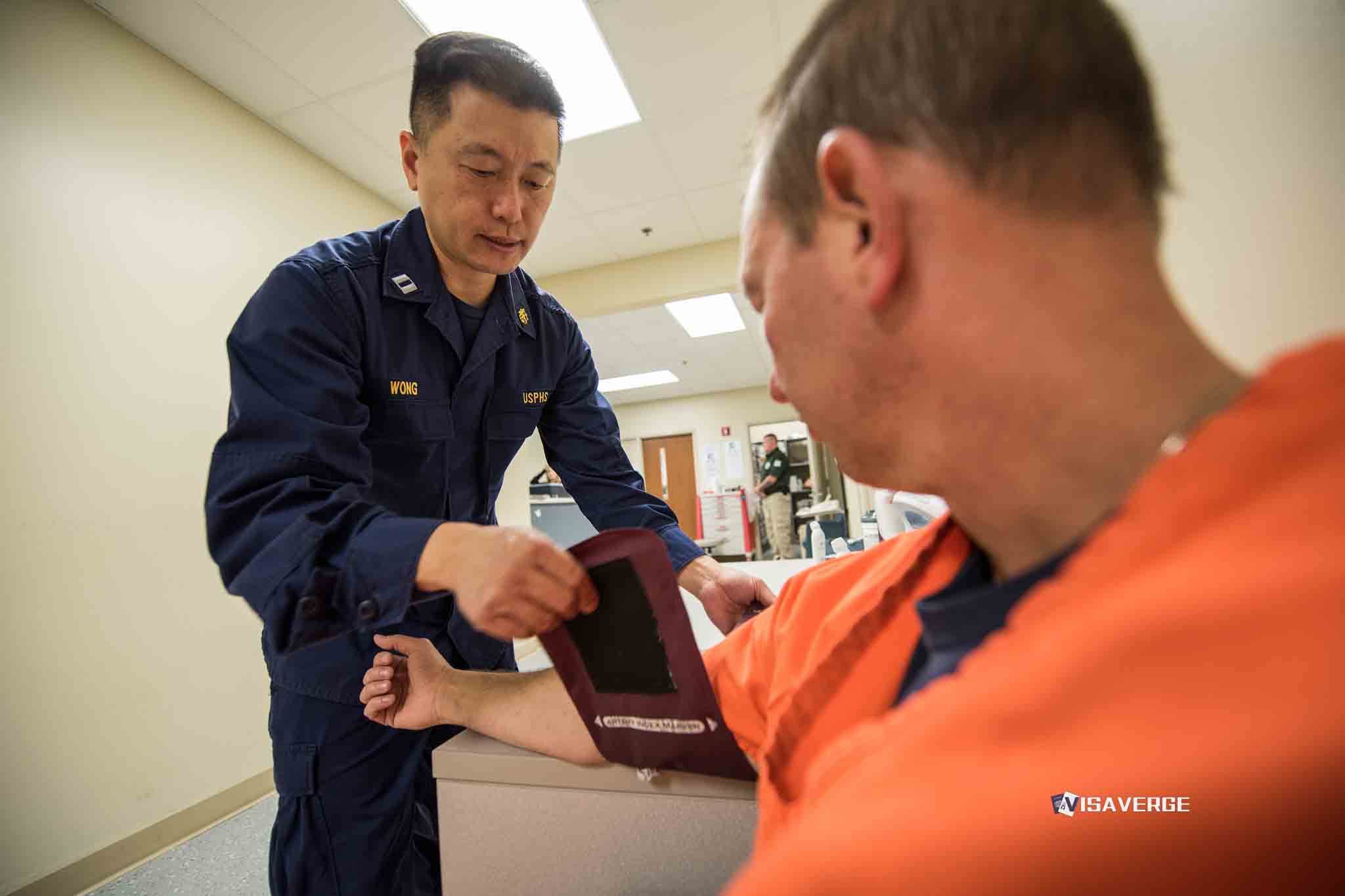
immigration and customs enforcement (ICE) maintains it can provide appropriate prenatal care during custody. Advocates, attorneys, and some lawmakers argue that detention conditions and frequent moves between facilities can still create gaps that matter for pregnancy outcomes.
Conflicting accounts are common in this area for several reasons. Public details are often partial due to medical privacy rules and sealed records.
Facility-to-facility practices can differ in staffing, language access, and outside-hospital transport. Disputes also turn on documentation that is rarely released in full, including detention logs, appointment records, and hospital discharge paperwork.
What follows is a policy-and-evidence guide centered on two highly publicized cases—Lorena Pineda and Iris Dayana Monterroso-Lemus—and on how ICE Directive 11032.4 is described versus how detention can operate on the ground.
It does not offer legal advice. It aims to explain reported timelines, what officials have said, and why transparency gaps make verification harder.
Section 2: Case profiles
Lorena Pineda: a transfer-heavy timeline and continuity-of-care questions
Lorena Pineda, a 27-year-old from El Salvador, became a national example of the “pregnant wife detained” narrative because her custody reportedly continued deep into pregnancy despite protections described in ICE Directive 11032.4.
June 2025 marked the start of the central timeline. Pineda was arrested while 5 months pregnant, then held in ICE custody for 3.5 to 4 months. Short. Concrete. That time window matters because prenatal care is schedule-driven.
San Bernardino, CA is reported as one point of custody. Atlanta, GA is another. Alexandria, LA is also named in the chain. Each move can mean a new medical contractor, new intake screening, new procedures for requesting care, and new transport protocols for outside appointments.
Even when care is available, the rhythm can break. By the time she was released or otherwise left custody, she was reported to be in the 8th month of pregnancy. That progression raises a basic clinical question that underlies many detention disputes: were prenatal milestones met on time, with records following the patient?
Advocacy accounts often focus on conditions during custody, including sleep and hygiene constraints, stress, and difficulty getting prompt attention. Government-facing accounts tend to emphasize that care exists through onsite clinics and outside referrals when needed.
Those two narratives can both contain truths. Detention can provide encounters with clinicians, yet still produce delays and lost continuity when transfers occur.
Iris Dayana Monterroso-Lemus: disputed care and a high-stakes rebuttal
Iris Dayana Monterroso-Lemus, from Guatemala, is central to the medical-care dispute because she publicly blamed ICE custody for a pregnancy loss. That allegation triggered direct rebuttals from the U.S. Department of Homeland Security (DHS) in late June 2025.
On June 25, 2025, DHS Assistant Secretary Tricia McLaughlin issued a forceful denial of media reporting and said Monterroso-Lemus received “full” medical and prenatal care. DHS described an ultrasound and an OB-GYN visit, plus medication and other services.
On June 26, 2025, DHS released a statement framed as a fact check and again rejected claims of “no medical attention,” saying care included a fetal doppler ultrasound and hospital admission.
Those statements illustrate how these disputes are usually litigated in public. Advocates highlight patient accounts, attorney narratives, and perceived gaps in response during emergencies. DHS/ICE points to appointment records, referrals, and documentation that care was ordered or delivered.
The disagreement can hinge on timing: receiving an ultrasound is not the same question as whether symptoms were triaged fast enough. Transfers amplify the risk of miscommunication. Paperwork can lag behind a person in custody, and records can exist but not be available at intake.
Language access can also be uneven, affecting informed consent and symptom reporting. Small delays can matter in pregnancy. So can stress.
What evidence typically resolves—or deepens—these disputes
Verification usually turns on evidence that is technical and time-stamped. Medical records and hospital discharge summaries can show what happened clinically. Detention logs can show movements, requests for care, and transport times.
Grievance filings can show what a detainee said at the time, not months later. Attorney statements can add context, while DHS fact checks often present the government’s version of the record. No single document always settles the question. Patterns across documents often do.
Section 3: Official statements and policy shifts
DHS’s June 25–26, 2025 rebuttals followed a common government response format. First comes a categorical denial of neglect allegations. Next come specific care items meant to be verifiable, such as ultrasound, OB-GYN visits, and hospital admission.
Then comes a framing claim that reporting is false or misleading, often paired with assertions about standards of care in custody. ICE Directive 11032.4, implemented July 1, 2021, is the formal policy anchor in these debates.
In plain language, it sets expectations that ICE identify pregnant, postpartum, and nursing individuals; monitor them; and provide care coordination. It also states ICE “will not detain” people known to be pregnant, postpartum, or nursing unless release is prohibited by law or exceptional circumstances exist.
Reports from 2025-2026 describe a shift in emphasis toward case-by-case detention decisions. In practice, that language often appears alongside concepts like flight risk, public safety, or national security. Policy text can sound categorical, while field decisions can be framed as exceptions.
The distance between those two ideas is where controversy lives. Different facilities also face different constraints. Some have easier access to OB-GYN providers and hospitals. Others rely on longer transports and limited interpreter availability.
That variation can shape outcomes even when the directive’s baseline promises are the same.
| Source | Date | Claim | Response/Refutation | Impact on policy perception |
|---|---|---|---|---|
| DHS/ICE public messaging (DHS Fact Check on ICE Medical Care) | June 26, 2025 | Allegations that prenatal care was not provided to Iris Dayana Monterroso-Lemus are false | DHS says care included fetal doppler ultrasound and hospital admission | Reinforces view that documentation exists and care was provided |
| DHS Assistant Secretary Tricia McLaughlin | June 25, 2025 | Media reporting on Monterroso-Lemus was “absolutely FALSE” | DHS describes ultrasound, OB-GYN visit, medication, and other services | Signals aggressive rebuttal posture and reliance on care-item specifics |
| Advocacy and attorney narratives | 2025-2026 | Detention conditions and delays can harm pregnancies | DHS/ICE answers often focus on ordered care and standards compliance | Raises questions about timing, continuity, and whether standards match lived experience |
| Reporting on Lorena Pineda’s detention | June 2025 through late 2025 | A 27-year-old was held while 5 months pregnant and transferred across states | DHS/ICE has pointed to policy discretion and case-by-case judgments | Highlights how transfers can collide with “presumption” language in ICE Directive 11032.4 |
Section 4: Data, reporting, and transparency
March 2025 brought a structural change that still shapes every debate on this topic: Congress allowed a requirement for DHS to report the number of pregnant women in custody to lapse. Without routine public counts, trend claims become harder to verify.
Journalists and advocates often fall back on individual cases and leaked snapshots. DHS can rebut individual allegations, yet the public still lacks a stable dashboard.
GAO offers a longer view, though it is also bounded by what agencies record and release. A 2020 GAO study found that between 2016-2018, ICE detained pregnant women over 4,600 times.
Later reporting described a drop to 158 in early 2024, followed by indications of an increase again in 2025. Those figures shape the current oversight argument: even if individual care disputes are contested, the volume of detention decisions is itself a policy choice.
Interpreting “up” or “down” claims now requires caution. When the reporting pipeline breaks, apparent declines can reflect missing data rather than changed practice. Conversely, spikes may reflect better visibility rather than more detention.
That uncertainty affects public accountability and case advocacy, since lawmakers and counsel often rely on baseline counts to spot patterns.
Note the lapse in March 2025 on reporting pregnant detainee counts and its implications for transparency and accountability
Transparency tools still exist, but they are slower and uneven. Oversight letters can force written answers and timelines. FOIA requests may produce records, but delays are common and redactions can be heavy.
Watchdog reporting can surface patterns, yet it often cannot provide comprehensive national counts when the government does not.
Section 5: Significance, risks, and advocacy
Pregnancy in detention carries medical risk pathways that are not unique to immigration custody, but can be intensified by it. Missed or delayed prenatal visits can affect screening for hypertension, gestational diabetes, and fetal growth issues.
Nutrition rules can be rigid. Prenatal vitamins may be available but not consistently delivered. Stress and sleep disruption can also affect pregnancy health.
Transportation is another pressure point. Emergency symptoms require triage, interpreter support, and rapid transfer to a hospital. In some accounts, delays happen during shift changes or while waiting for transport staff.
Restraints policies also remain part of the advocacy focus, especially during hospital trips and postpartum recovery.
Legislative oversight often aims at process, not a single case outcome. In September 2025, 29 Senate Democrats led by Senator John Hickenlooper sent a letter to DHS Secretary Kristi Noem pressing DHS and ICE to stop detaining pregnant women absent “extreme circumstances.”
The letter also pushed for restored public reporting and stronger compliance expectations. Advocacy groups tend to ask for third-party review of medical contractors, enforceable timelines for prenatal appointments, and clearer release presumptions.
DHS/ICE tends to answer with directive language, internal monitoring, and case-by-case discretion. Both sides lean heavily on records. The public rarely sees the full file.
Section 6: Official sources and further reading
DHS fact checks and official statements are usually the first stop when a medical-neglect allegation goes viral. They often include the agency’s care timeline, what services were provided, and why the agency disputes the claim.
Readers should treat these as position statements backed by selected records, not as neutral case files. ICE Directive 11032.4 is the key policy document for pregnancy-related custody decisions.
When reading it, focus on definitions, identification procedures, monitoring expectations, and the standard for when detention may continue. A copy may be accessible through official channels, and archived versions matter because wording and guidance can shift in practice.
Senate oversight letters signal where lawmakers see compliance problems. They also show what data Congress is demanding and which officials must answer. Those letters do not resolve individual disputes, but they can create deadlines and paper trails.
What readers should verify when assessing claims: cross-check DHS fact checks, ICE directives, and Senate oversight letters; preserve PDFs for records
For primary-law context on detention authority and administrative process, readers may consult repositories like Cornell Law School’s Legal Information Institute and federal agency portals such as USCIS when reviewing DHS/ICE public communications.
This article covers sensitive medical and legal topics. It does not constitute legal advice.
Information reflects official statements and media reports as of January 14, 2026; readers should verify dates and versions of policy documents and official statements.
This article examines the ongoing controversy regarding pregnant women in ICE detention. It contrasts DHS claims of comprehensive prenatal care with advocacy reports of medical neglect and systemic failures during facility transfers. Key cases like Lorena Pineda illustrate the impact of logistical delays, while legislative shifts in 2025 have reduced data transparency, leaving the public and lawmakers to rely on individual accounts and official rebuttals.