Key Takeaways
• HyFIVE Consortium secured £40 million to develop hydrogen fuel systems for planes, targeting certification-ready technology by 2027.
• UK projects like H2GEAR and H2flyGHT aim to scale hydrogen aviation, tackling short- and long-haul flights with multi-million-pound funding.
• Hydrogen aviation could add £30 billion annually to the UK aerospace sector, reducing carbon emissions and creating skilled jobs.
The United Kingdom ?? has set its sights on taking a leading role in hydrogen aviation. This move is part of a much larger push to make air travel more friendly to the environment, cut pollution, and create new opportunities in the modern economy. One of the main players in this effort is the HyFIVE Consortium, a group bringing together some of the UK’s most important aerospace businesses and universities. Together, they are working to build hydrogen-powered planes and the systems these planes will need to operate in real life.
Let’s explore how the HyFIVE Consortium fits into the UK’s larger hydrogen aviation plans, what this means for the environment, and how it could reshape jobs, industry, and travel in the future.

HyFIVE Consortium: At the Center of the UK’s Hydrogen Push
Early in 2024, the HyFIVE Consortium was announced as a landmark partnership in the United Kingdom ??. This group joins major industry companies—Marshall (the project leader), GKN Aerospace, and Parker Meggitt—with three important universities: the University of Manchester, the University of Bath, and Cardiff University.
They have secured close to £40 million for their work, with £17 million from the companies themselves and £20 million coming from the UK government’s Aerospace Technology Institute (ATI) Programme. The money supports their main goal, which is to design and prove new hydrogen fuel systems just for airplanes.
HyFIVE chose its name to show their focus on five key parts of these new hydrogen fuel systems:
– Storage – How to safely hold hydrogen on an airplane.
– Conveyance – How to move hydrogen to where it’s needed in the aircraft.
– Indication – How to measure how much hydrogen is left and if it’s flowing correctly.
– Fuelling – How to fill airplanes with hydrogen quickly and safely.
– Venting – How to safely release hydrogen if needed, especially during emergencies.
By the year 2027, the HyFIVE Consortium aims to:
– Develop hydrogen fuel system technology that is ready for official approval.
– Build and test a fuel system that works as a complete unit on the ground.
– Start work toward flight demonstrations with possible airline or manufacturer partners.
– Build up plans to make these systems at scale, so they can be used in real airplanes, not just for testing.
The progress and real-world testing planned by the HyFIVE Consortium can help move hydrogen aviation from ideas and experiments into something regular passengers might use in the coming years.
Broader UK Hydrogen Aviation Projects
While HyFIVE is a key part, the United Kingdom ?? has a much bigger plan for hydrogen aviation, and several other major programs highlight this:
- H2GEAR: This £54 million project aims to build hydrogen-powered, fully electric planes for short flights, using a cooling process to help the hydrogen work better with the plane’s systems.
- H2flyGHT: At £44 million, this program wants to scale up hydrogen technology for bigger, commercial airplanes that carry more people.
- UK Civil Aviation Authority’s Hydrogen Challenge: This expanded plan gets the aviation industry ready for hydrogen-powered flight. This includes new aircraft designs, creating airport equipment for hydrogen refueling, deeper scientific research, and trial flights to see what works and what needs improvement.
Taken together, these projects are meant to create not just hydrogen planes, but also the fuel supply, airport systems, safety guidelines, and trained people the technology will need to become normal in daily airline travel.
University of Manchester’s Crucial Role
The University of Manchester is an important member of the HyFIVE Consortium and other programs. Working alongside partners like GKN Aerospace, the university is focused on some of the toughest technical problems in hydrogen aviation. Their scientists look at everything from the way hydrogen behaves under the pressure and cold of flight, to new materials that won’t break down or become unsafe around hydrogen fuel.
What makes hydrogen flight special is that when these new engines burn hydrogen, the only thing coming out of the engine is water vapor. There’s no carbon dioxide (CO₂) or harmful nitrogen oxides (NOx), the two main pollutants from regular aircraft. The technical research done at the University of Manchester is about making sure these systems are not only safe and reliable, but also light enough and efficient enough to really make a difference in commercial aviation.
Economic and Environmental Impact
The expected benefits from these advances are huge. The UK Hydrogen Alliance has estimated that hydrogen-powered aviation could add more than £30 billion every year to the United Kingdom’s aerospace sector. This would mean new, high-paying jobs, more exports, and growth in supporting industries like fuel production, maintenance, and airport infrastructure.
At the same time, the environmental argument for switching to hydrogen aviation is strong. Today, planes flying in UK skies account for about 7% of the United Kingdom ??’s greenhouse gas emissions. In 2022, this added up to about 30 million tonnes of carbon dioxide released—a big part of the problem for the country’s climate goals.
Hydrogen flight offers a way out. Instead of burning jet fuel and adding more CO₂ to the air, planes could use hydrogen—which, when used in a special fuel cell or burned in an engine, releases only water. This change would help the UK, and the world, meet tough climate promises set for the next decade and beyond.
Industry Collaboration: Making Hydrogen Flight Possible
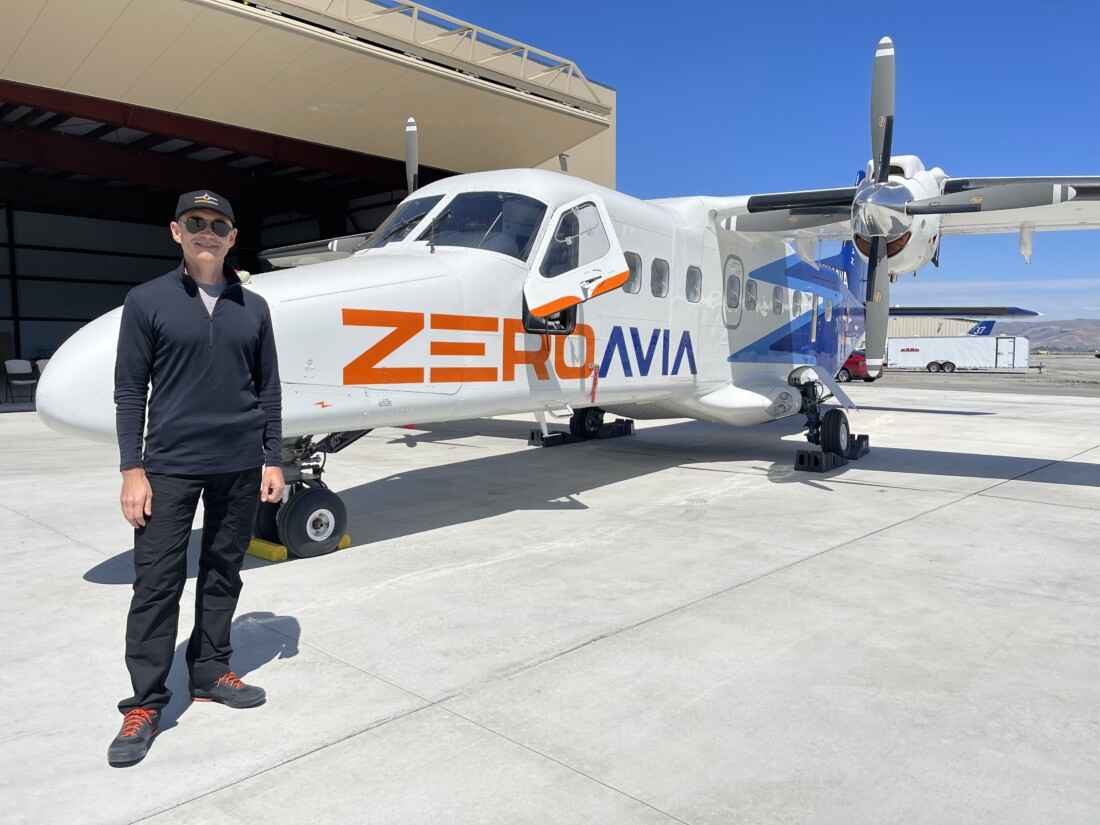
A big part of the United Kingdom ??’s drive towards hydrogen in aviation comes from close teamwork between leading airlines, plane makers, energy companies, and airports. In March 2023, several giants of the industry came together to form the Hydrogen in Aviation Alliance (HIA). This alliance brings together Airbus, easyJet, Rolls-Royce, Ørsted, GKN Aerospace, Bristol Airport, and ZeroAvia.
This group released a Milestone Delivery Report with steps the UK needs to take to make hydrogen airplanes a regular feature of the skies. The report calls for:
– New regulations so hydrogen airplanes can fly safely.
– Plans for large-scale, reliable hydrogen production at or near airports.
– Building airport fueling stations and new supply chains.
– Training workers to safely handle, maintain, and operate hydrogen-fueled systems.
Airbus’s recent pause on their ZEROe hydrogen aircraft project led to some uncertainty worldwide. But the UK has shown it plans to keep moving forward. The Civil Aviation Authority is still working hard on the Hydrogen Challenge (more about this can be found at the CAA’s official news site), testing the technology, learning what works, and getting airports and airlines ready.
What This Means for Immigrants, Workers, and the Global Economy
The shift toward hydrogen aviation in the United Kingdom ?? impacts many groups, from scientists and engineers to students and future workers. As more investment pours into projects like the HyFIVE Consortium, several changes may happen:
– Job Opportunities: There will be a need for workers who understand hydrogen technology, fuel cells, safe fuel handling, and high-tech aircraft systems. This could draw specialists and skilled workers from around the world.
– Student and Academic Pathways: With universities like Manchester, Cardiff, and Bath leading research, international students may come to the UK to train and later contribute to these advances.
– Business and Supplier Network Growth: As the UK develops a new supply chain for hydrogen aviation, companies from other countries may seek to partner with UK firms, send employees for training, or move operations to where the industry is growing fastest.
– Policy and Visa Changes: As more demand grows for certain types of workers, the UK may adjust its immigration rules to make it easier for qualified engineers, technicians, and scientists to come and work on these projects.
For workers and students from abroad, this could mean more routes to employment and even residency in the United Kingdom ??, especially if they bring hard-to-find skills.
Challenges and the Road Ahead
The road to full-scale hydrogen aviation is not easy. Creating planes, engines, and fuel systems that can safely and reliably use hydrogen involves major technical hurdles. There’s also the matter of building all the supply and fueling infrastructure that airports will need, and making sure airlines and maintenance crews have the training and tools to work with the new systems.
It’s important to note that while hydrogen offers great benefits, it comes with its own risks. Hydrogen is very light and burns easily, so storing and moving it safely at large airports and on airplanes is no small task. This is why the work of the HyFIVE Consortium and its careful focus on systems and safety is so important.
Moreover, the costs for new hydrogen-powered planes and the set-up of fueling stations at airports will be high at first, which could mean ticket prices rise before falling as the technology becomes common.
How the United Kingdom ?? Compares Globally
By investing early and aiming to become a leader in hydrogen aviation, the United Kingdom ?? hopes to compete not just with neighbors in Europe, but also with countries like the United States ??, Japan ??, and China ??, who are also working on cleaner air travel. This global race for greener aviation could push down costs, speed up research, and bring new kinds of planes to market faster.
Analysis from VisaVerge.com suggests that the UK’s approach—mixing government support, private investment, and deep links with academic research—sets a blueprint that other countries may try to follow.
What Should You Watch Next?
If you are a student, skilled worker, or business interested in the new world of hydrogen aviation, keep an eye on:
– Announcements of public funding and new research projects.
– New training and university courses in hydrogen technology or clean aerospace.
– Policy updates from the Civil Aviation Authority or UK immigration services regarding the skills the country wants to bring in.
– Global moves from other countries seeking to catch up or partner with the United Kingdom ?? in hydrogen aviation research.
Conclusion
The drive to use hydrogen in aviation is a bold move for the United Kingdom ??. With ambitious groups like the HyFIVE Consortium bringing together business and academic expertise, the UK hopes to lead the world not just in environmental performance but in future jobs and advanced technology. It’s a field still filled with questions and challenges, but the benefits to the economy, the climate, and international cooperation could be great. For anyone watching the future of travel, innovation, or global movement, the rise of hydrogen aviation in the United Kingdom ?? is a story worth following.
Learn Today
HyFIVE Consortium → A UK partnership of aerospace companies and universities aiming to develop certified hydrogen aircraft fuel systems by 2027.
Aerospace Technology Institute (ATI) → A UK government-funded body supporting research and innovation in aviation, including hydrogen fuel projects.
H2GEAR → A £54 million UK project to develop hydrogen-powered, fully electric aircraft for regional and short-haul flights.
Hydrogen in Aviation Alliance (HIA) → Industry group collaborating to advance hydrogen aviation, including safety regulations, infrastructure, and training.
Fuel Cell → An energy device that converts hydrogen into electricity, releasing only water vapor as a byproduct during operation.
This Article in a Nutshell
The HyFIVE Consortium is leading the United Kingdom’s ambitious hydrogen aviation push, developing certified hydrogen fuel systems by 2027. Together with projects like H2GEAR and H2flyGHT, UK industry and universities are investing in clean air travel, driving environmental progress, growth, and new skilled jobs in aerospace innovation and supply chains.
— By VisaVerge.com
Read more:
• Graduate Route visa in UK shortened for international students
• Ukrainian Aviation Companies Exposed in Russian Sanctions Probe
• UK immigration rules to require 10 years for settlement and citizenship
• UK Home Office proposes 10-year wait for Indefinite Leave to Remain
• UK faces legal battle over deportation of asylum seekers to Bulgaria