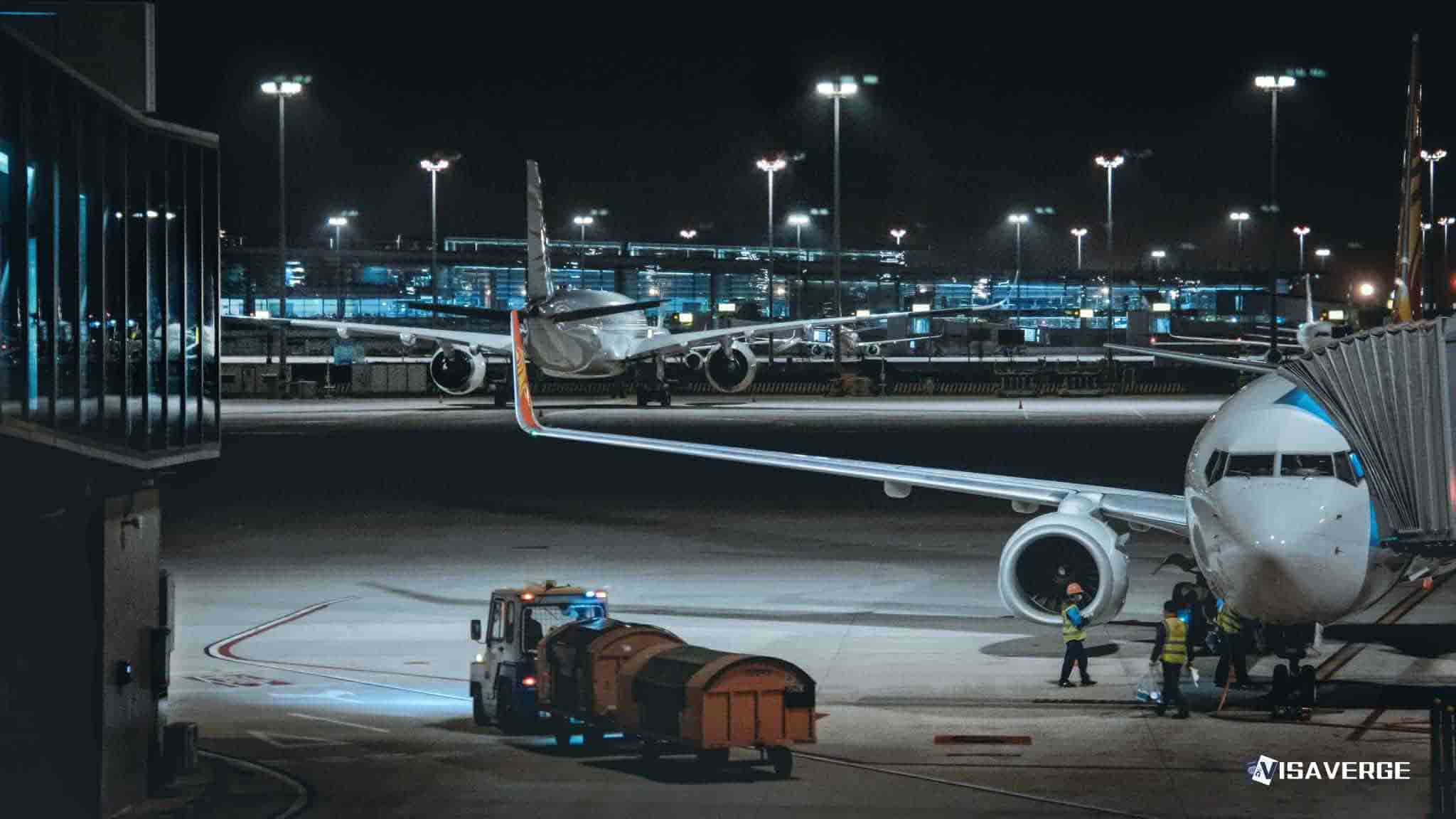
- Tigerair Taiwan flight IT234 landed safely in Sapporo following a smoke warning from the cockpit.
- The airline clarified that the aircraft did not make an emergency landing despite earlier reports.
- A total of 179 passengers and crew were on board with no injuries reported after the event.
(HOKKAIDO) — Tigerair Taiwan’s IT234 landed safely at New Chitose Airport after a smoke warning, and the airline denied reports that the flight made an emergency landing. The incident matters less as a cabin review than as a reminder of how a low-cost carrier handles disruption: plainly, with limited frills, and with no room for confusion once smoke is reported in the cockpit.
IT234 was flying from Taipei to Sapporo with 179 passengers and crew on board. Earlier reports said smoke was reported from the cockpit around 10:45 a.m., and no injuries were reported. The aircraft touched down at New Chitose Airport and the runway was temporarily closed afterward.
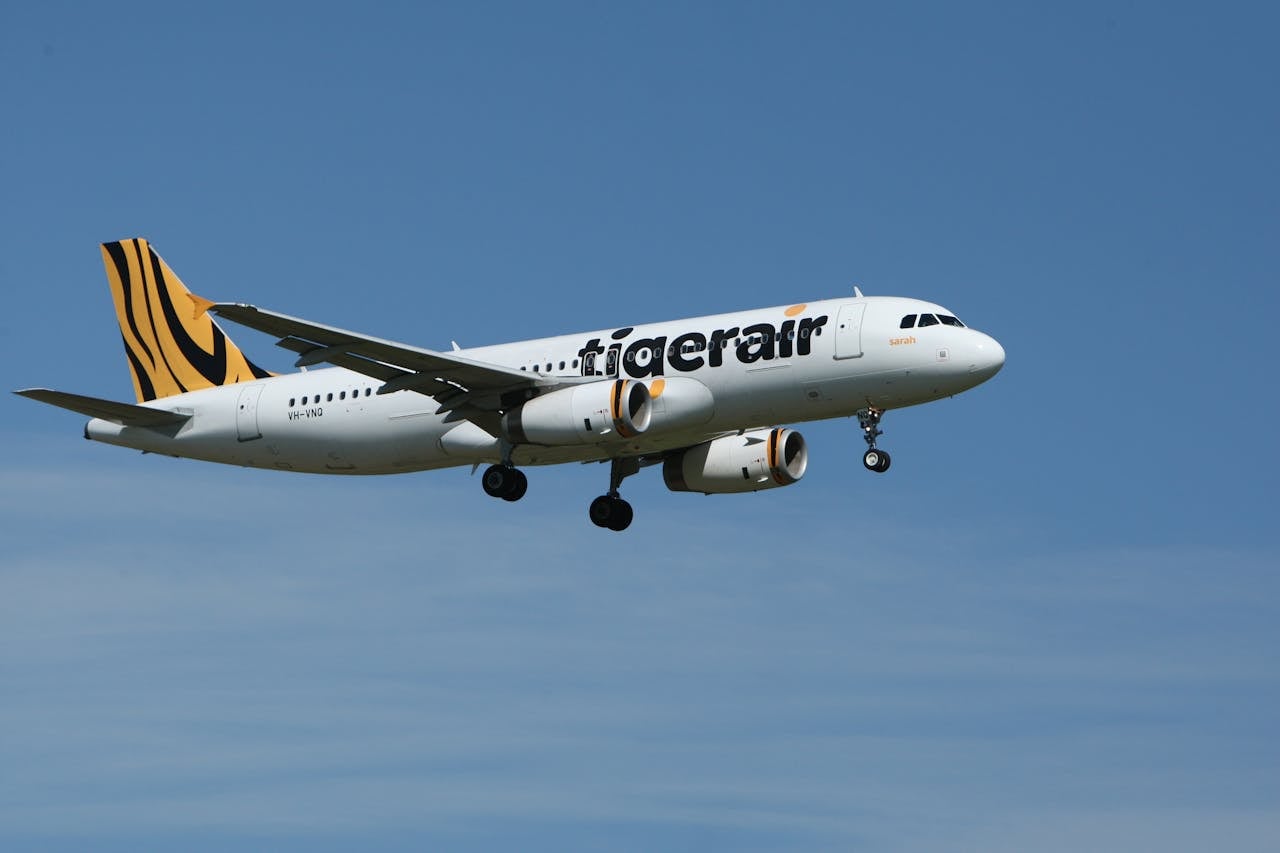
That sequence does not read like a glamorous airline experience. It reads like a short-haul budget flight that became an operations issue fast. Tigerair Taiwan is a low-cost carrier, so travelers usually book it for price, schedule, or a nonstop link, not for a polished onboard product with extras built in. On a route like Taipei to Sapporo, that tradeoff often makes sense if the fare is right.
Route details for IT234 were straightforward.
| Detail | Information |
|---|---|
| Flight | IT234 |
| Route | Taipei to Sapporo |
| Passengers and crew | 179 |
| Arrival airport | New Chitose Airport |
| Reported issue | Smoke warning from the cockpit |
Safety events like this usually dominate the conversation, but the passenger experience on Tigerair Taiwan is still shaped by the basics. Low-cost carriers on regional Asia routes tend to keep the product lean. Expect a no-nonsense cabin, a tight fare structure, and add-ons for services that legacy airlines often bundle into the ticket.
That model works best if you know what you are buying before you reach the airport. Seat selection, baggage, and food are usually part of the spend calculation, not afterthoughts. On many budget carriers, the cheapest fare is only the starting point, and the final price depends on what you bring and what you want onboard.
Food and drink are usually bought separately on this type of airline. That means a Taipei-to-Sapporo trip is easier if you board with your own snacks and water, within security and customs rules. A short route can still feel long if you are waiting for an a la carte purchase service to come around, especially on a delay or a diversion.
Entertainment and amenities are also typically limited on low-cost carriers. Travelers should not assume seatback screens, power outlets, or generous legroom unless they have checked the specific aircraft and fare rules for their booking. That is one reason budget tickets can look cheap at checkout and finish closer to a full-service fare once the extras are added.
In mileage terms, Tigerair Taiwan is not the kind of airline frequent flyers usually pick to build a points strategy. Low-cost carriers often offer little or no traditional mileage earning, and redemption options are usually narrower than on full-service rivals. Travelers chasing elite status on a major alliance airline will generally get more value from a competing carrier that awards qualifying miles or points.
| Feature | Tigerair Taiwan | Typical full-service rival |
|---|---|---|
| Base fare | Usually lower | Usually higher |
| Bag fees | Often extra | Sometimes included |
| Seat choice | Often extra | Often included in standard economy |
| Food | Buy on board | Often included or bundled |
| Mileage earning | Usually limited | More likely to earn qualifying miles |
The comparison that matters is not only comfort. It is also reliability when something goes wrong. On IT234, the airline said the plane landed safely and rejected the emergency-landing label. That distinction matters because passengers often hear one version of events on social media and another from the airline. The airline’s wording suggests an abnormal event, not a declared emergency landing in the formal sense.
New Chitose Airport saw a temporary runway closure after the incident, which likely rippled outward into other flights. That kind of disruption is the hidden cost of a cockpit warning, even when everyone gets off safely. A runway closure can create gate delays, missed connections, crew timing problems, and aircraft rotation issues far beyond the affected flight.
The airline and airport authorities have not publicly laid out a full technical explanation in the details provided here. That leaves the practical question for travelers: how should this affect future bookings? The answer is simple. On a route where price matters, Tigerair Taiwan can still be a sensible buy, but travelers should keep buffers in place, avoid tight onward connections, and build in extra time at New Chitose Airport during busy periods or winter weather.
There is also a booking lesson for anyone comparing fares. A low price is strongest when the trip is simple: one carry-on, no checked bag, no same-day onward connection, and no need to protect elite credit or lounge access. If the itinerary is more complicated, a slightly higher fare on a full-service carrier can be the better purchase once baggage, seat selection, and schedule protection are added up.
Who should book this? Tigerair Taiwan fits travelers who want the lowest workable fare on a straightforward Taipei-Sapporo trip and can live with a bare-bones onboard experience. It is less appealing if baggage fees, seat choice, or mileage earning matter, and anyone flying during the next few weeks should watch for the follow-up report on the smoke warning before locking in a tight connection through New Chitose Airport.