Understanding France Visa Requirements
Traveling to France is an exciting experience, but it’s essential to understand the visa requirements to ensure a smooth trip. As the home of iconic landmarks like the Eiffel Tower, delicious cuisine, and a rich history, France is a popular destination for travelers around the world. However, before you start packing your bags, let’s go over what you need to know about visas and the documents you’ll need.
Do You Need a Visa?
Not everyone requires a visa to visit France. A crucial factor is your nationality and the duration of your stay. As a general rule:
Free toolB1/B2 Tourist Visa Stay Calculator online- Citizens of the European Union (EU), European Economic Area (EEA), and Switzerland do not need a visa for any length of stay.
- Tourists from countries like the United States, Canada, Australia, and Japan do not need a visa for stays of up to 90 days within a 180-day period.
For visitors from other countries or those planning to stay longer than 90 days, a visa is mandatory. It’s important to check the latest information from the official French visa website or your local French consulate since immigration rules can change.
Types of Visas

There are several types of visas, depending on the purpose of your visit:
- Short-stay visa (Schengen visa): For tourism, business trips, or family visits lasting less than 90 days.
- Long-stay visa: For stays exceeding 90 days, required for work, study, or family reunification.
- Transit visa: For passing through France to reach another Schengen country.
Documents You’ll Need:
When applying for a French visa, here’s a list of documents you’re generally required to present:
- Passport: Valid for at least three months beyond the end of your intended stay.
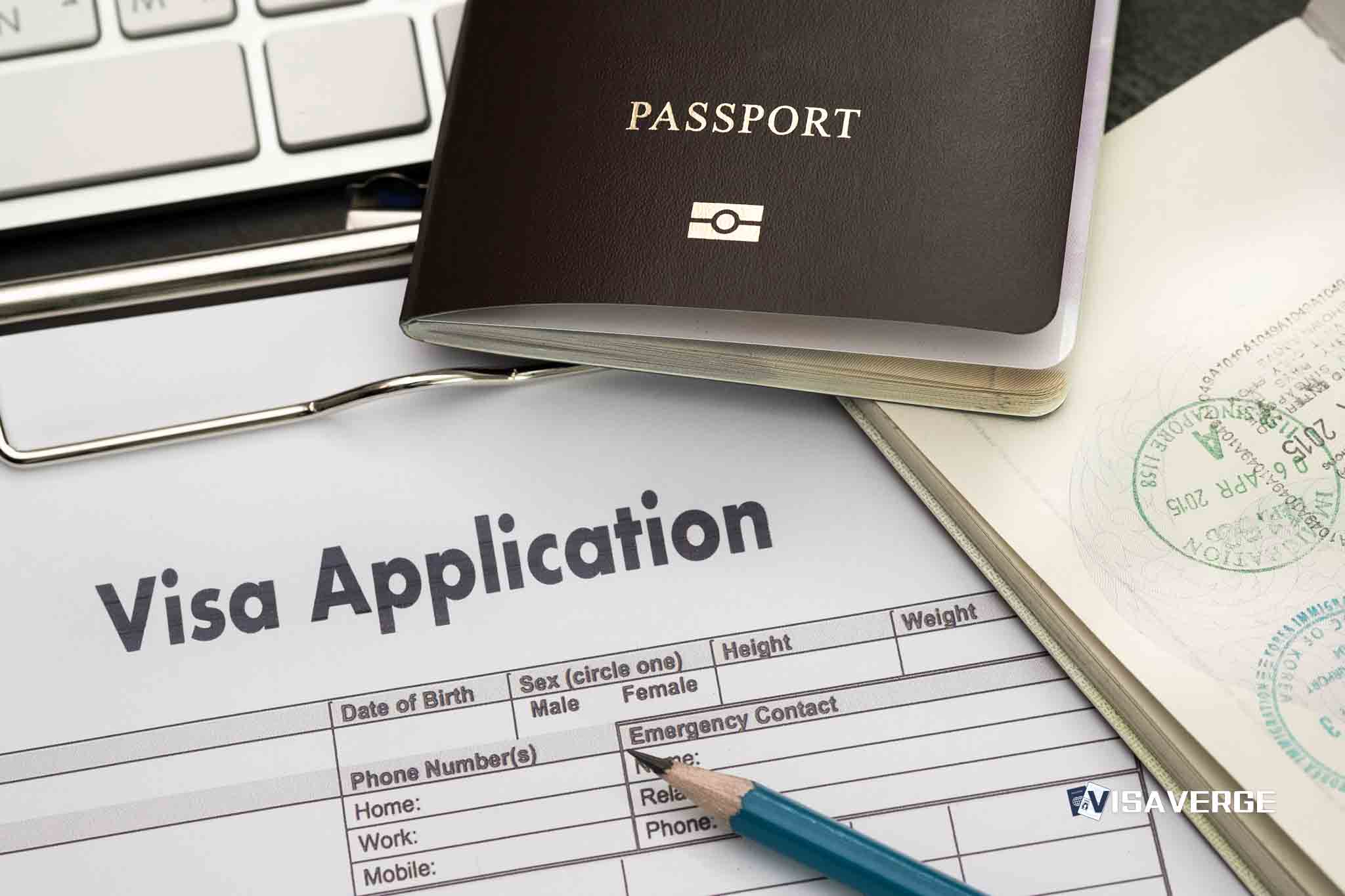
- Application Form: Completed and signed.
- Photographs: Recent, passport-sized photos meeting the visa photo requirements.
- Travel Itinerary: Proof of round-trip flight bookings.
- Accommodation Details: Evidence of hotel reservations or an invitation letter if staying with a host.
- Travel Insurance: A policy covering medical emergencies and repatriation with a minimum coverage of €30,000.
- Financial Means: Proof that you can support yourself financially during the stay, like bank statements or a letter of sponsorship.
“Each document needs to meet specific criteria, so it’s important to prepare accurately to avoid delays or rejections.”
Applying for a Visa
To apply for a French visa:
- Gather the necessary documents: Prepare all the documents mentioned above, ensuring they are up-to-date and valid.
- Book an Appointment: Schedule a meeting at your local French consulate or visa application center.
- Submit Your Application: Attend your appointment with all the relevant paperwork.
Processing times can vary, so it’s recommended to apply well in advance of your planned trip. For more information and to start your application, visit France-visas, the official visa website for France.
Tips for a Hassle-Free Visa Process
- Start planning early to allow plenty of time for potential delays.
- Ensure all documents are complete, accurate, and in the correct format.
- Keep copies of all submissions and correspondence.
By understanding the visa rules and having the right documents prepared, you can look forward to an enjoyable visit to France. Bon voyage!
For the most current and detailed information, always refer to the official sources provided by French government authorities.
So, there you have it, my friend! The ins and outs of understanding France visa requirements. Remember, checking if you need a visa, choosing the right type, and getting your documents in order is crucial for a hassle-free trip. But hey, don’t just take my word for it – if you want more detailed info and handy tips, head over to visaverge.com. Happy travels, and au revoir!
FAQ’s to know:
FAQ 1: Do I need a visa to visit France?
Answer: It depends on your nationality and the duration of your stay. Citizens of the European Union (EU), European Economic Area (EEA), and Switzerland do not require a visa for any length of stay. Tourists from countries like the United States, Canada, Australia, and Japan do not need a visa for stays of up to 90 days within a 180-day period. However, visitors from other countries or those planning to stay longer than 90 days will need a visa. It’s essential to check the latest information from the official French visa website or your local French consulate for specific requirements.
FAQ 2: What are the types of visas available for France?
Answer: There are several types of visas depending on the purpose and duration of your visit to France. These include: 1. Short-stay visa (Schengen visa): For tourism, business trips, or family visits lasting less than 90 days. 2. Long-stay visa: For stays exceeding 90 days, required for work, study, or family reunification. 3. Transit visa: For passing through France to reach another Schengen country.
FAQ 3: What documents do I need to apply for a French visa?
Answer: When applying for a French visa, you will generally need the following documents: 1. Passport: Valid for at least three months beyond the end of your intended stay. 2. Completed and signed application form. 3. Recent passport-sized photographs meeting the visa photo requirements. 4. Proof of round-trip flight bookings for your travel itinerary. 5. Evidence of accommodation details, such as hotel reservations or an invitation letter if staying with a host. 6. Travel insurance with a minimum coverage of €30,000, covering medical emergencies and repatriation. 7. Proof of financial means to support yourself during the stay, such as bank statements or a letter of sponsorship.
It’s crucial to ensure that each document meets specific criteria and prepare them accurately to avoid delays or rejections.
What did you learn? Answer below to know:
- [Multiple Choice] Which of the following statements about France visa requirements is true? A) Citizens of the European Union (EU) and European Economic Area (EEA) need a visa for any length of stay. B) Tourists from the United States, Canada, Australia, and Japan need a visa for stays of up to 90 days within a 180-day period. C) Only citizens of Switzerland are exempt from obtaining a visa for any length of stay. D) A visa is mandatory for all visitors entering France, regardless of their nationality.
- [Short Answer] What are the two main types of visas required when visiting France for different lengths of stay?
- [True/False] To ensure a hassle-free visa process, it is recommended to start planning early and keep copies of all submissions and correspondence.