Essential Travel Documents for Visiting Morocco
Dreaming of wandering through the vibrant souks of Marrakech or exploring the mesmerizing landscapes of the Sahara Desert? If Morocco is your destination of choice, it’s crucial to ensure you have all the necessary documents for a smooth and stress-free travel experience. This guide will help you prepare the right paperwork before you embark on your Moroccan adventure.
Valid Passport
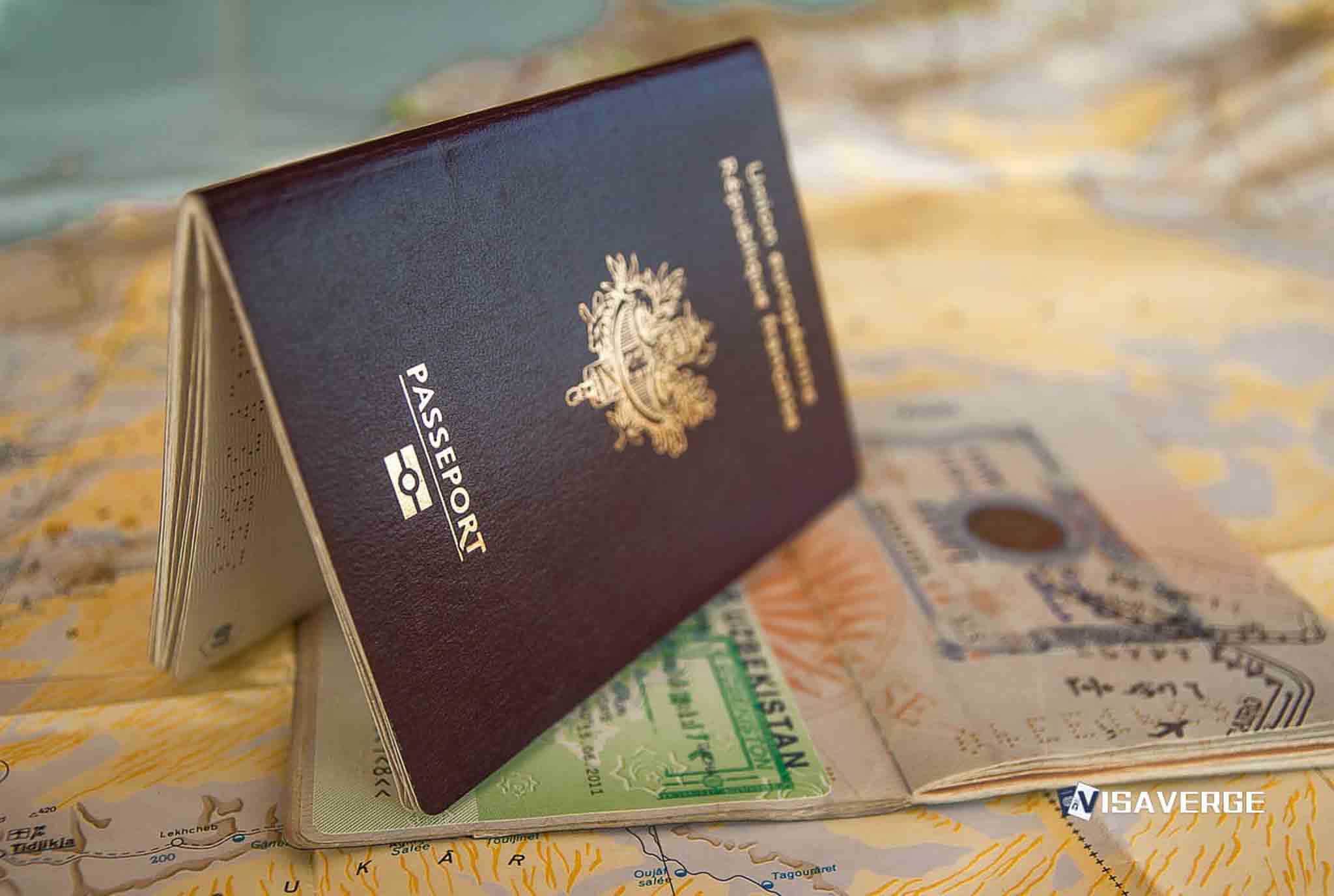
First and foremost, a valid passport is an absolute must when traveling to Morocco. Your passport should have at least six months of validity remaining from your date of entry into the country. This is a standard requirement for many international destinations to ensure that you won’t face any issues with your travel document expiring while you are away from home.
Free toolB1/B2 Tourist Visa Stay Calculator onlineVisa Requirements
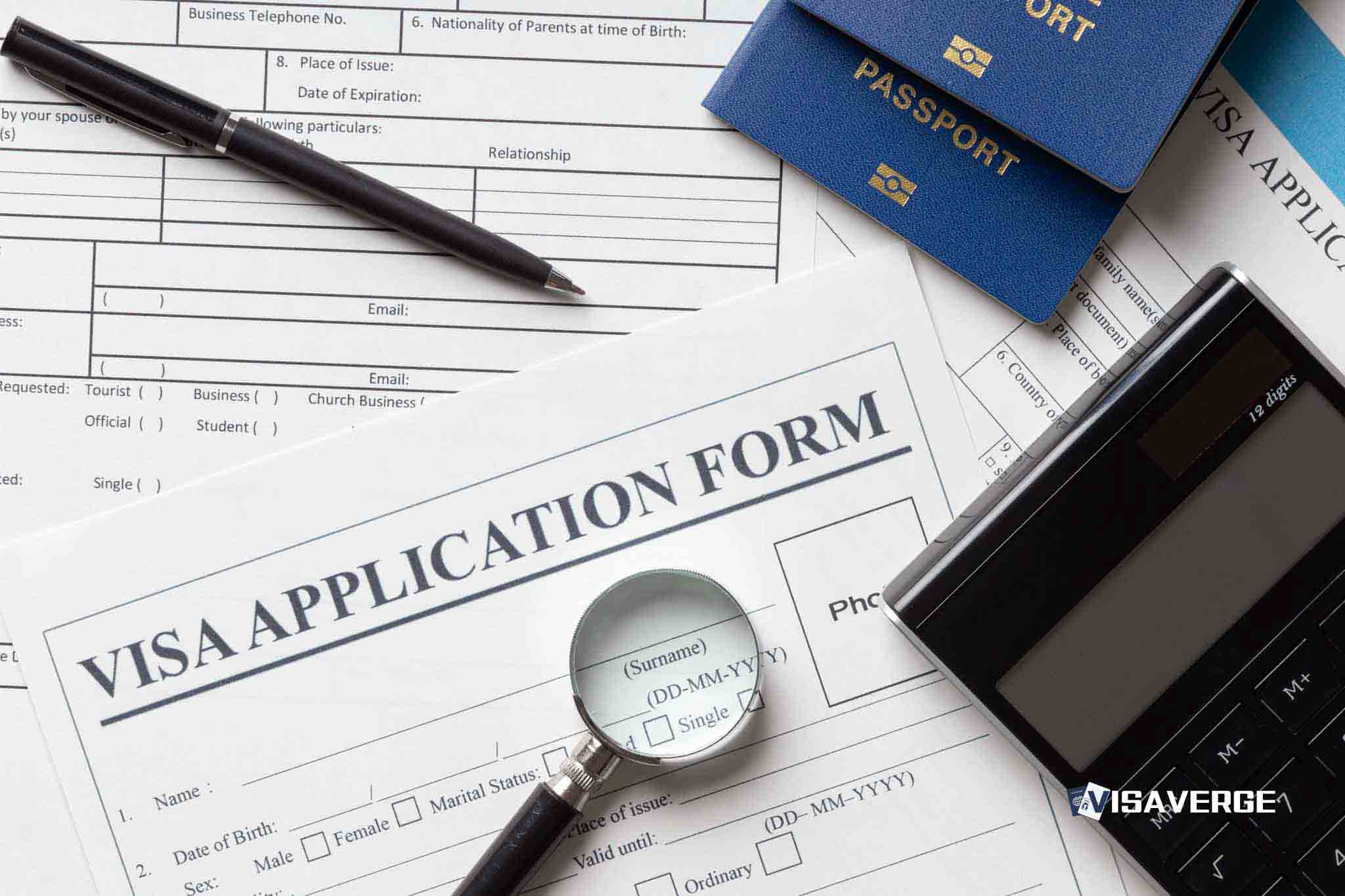
For most travelers, whether you need a visa depends on your country of origin and the length of your stay.
- For Tourists: Citizens of countries like the United States, Canada, the UK, Australia, and several others can enter Morocco without a visa for stays up to 90 days for tourism purposes. Always double-check your specific country’s requirements, as immigration policies can change.
- For Longer Stays or Other Purposes: If you plan to stay longer than 90 days or your visit involves business or education, you’ll likely need to apply for a visa beforehand. Contact the nearest Moroccan embassy or consulate for the most accurate guidance.

Return Ticket
It’s important to demonstrate to the Moroccan immigration authorities that you have plans to leave the country. Therefore, a return flight ticket or an itinerary that shows your exit from Morocco can be requested upon entry. Keep a printed copy on hand to avoid any potential problems at the border.
Hotel Reservations or Invitation Letter
Ensure that you have proof of accommodation for the entire duration of your trip. This could be hotel reservations or a letter of invitation if you’re staying with friends or family. Immigration officials might ask to see this documentation, so having it readily available is always a good idea.
Travel Insurance
While not always mandatory, obtaining comprehensive travel insurance for your trip to Morocco is wise. A policy that covers medical emergencies, trip cancellations, and lost baggage can provide peace of mind during your travels.
Health Documents
Depending on the current health situation, you may also need to present health-related documents. This may include vaccination certificates or negative test results, especially important in the context of the COVID-19 pandemic. Always check the latest travel advisories and health guidelines before departure.
Additional Tips
- Keep digital copies: Having electronic copies of all your important travel documents stored securely online can be a lifesaver if you lose anything.
- Check expiration dates: Don’t just look at your passport. Ensure all documents are valid throughout your stay.
- Follow the news: Keep an eye on changes in Morocco’s entry requirements, especially in light of global health concerns.
Useful Resources
Before you travel, get the most up-to-date information from official sources:
- U.S. State Department – Travel to Morocco
- Gov.UK – Morocco Travel Advice
- Embassy of the Kingdom of Morocco
By preparing all the necessary documents and staying informed, you’ll set yourself up for a fantastic Moroccan journey. Remember, the goal is to transition from the planning phase to standing in the heart of the Medina, ready to dive into the rich culture, cuisine, and scenery that Morocco has to offer. Have a great trip!
And there you have it, my fellow wanderlust-stricken adventurers! Make sure you’ve got your valid passport, visa (if needed), return ticket, hotel reservations, travel insurance, and any health documents. Keep digital copies, double-check expiration dates, and stay up to date with any changes. Now, go forth and conquer Morocco’s mesmerizing landscapes and mind-blowing souks! For more tips and resources, head on over to visaverge.com. Bon voyage, my friends!
FAQ’s to know:
FAQ 1: What are the essential travel documents needed to visit Morocco?
To visit Morocco, you will need the following essential travel documents:
- A valid passport with at least six months of validity remaining from your date of entry.
- If you are a tourist from countries like the United States, Canada, the UK, Australia, etc., you can enter Morocco without a visa for stays up to 90 days. However, if you plan to stay longer or your visit involves business or education, you may need to apply for a visa beforehand.
- A return flight ticket or itinerary to demonstrate your plans to leave the country.
- Proof of accommodation, such as hotel reservations or an invitation letter if staying with friends or family.
- Comprehensive travel insurance is advisable, covering medical emergencies, trip cancellations, and lost baggage.
- Depending on the current health situation, health-related documents like vaccination certificates or negative COVID-19 test results may be required. Always check the latest travel advisories and health guidelines before departure.
FAQ 2: Do I need a visa to visit Morocco?
Whether you need a visa to visit Morocco depends on the duration of your stay and your country of origin. In general:
- Tourists from countries like the United States, Canada, the UK, and Australia can enter Morocco without a visa for stays up to 90 days.
- However, if you plan to stay longer than 90 days or your visit involves business or education, you will likely need to apply for a visa. Contact the nearest Moroccan embassy or consulate for specific guidance based on your nationality and purpose of visit.
Always check the latest immigration requirements and policies as they can change.
FAQ 3: Should I get travel insurance when visiting Morocco?
While not always mandatory, having travel insurance for your trip to Morocco is highly recommended. Travel insurance can provide coverage for medical emergencies, trip cancellations, and lost baggage, giving you peace of mind during your travels. It’s best to opt for comprehensive insurance that meets your specific needs and ensures a smooth and stress-free travel experience.
What did you learn? Answer below to know:
- True or False: A valid passport with at least six months of validity is required for entry into Morocco.
- Which travelers are typically exempt from obtaining a visa for tourism purposes in Morocco? a) Citizens of the United States, Canada, and the UK. b) Citizens of countries like Australia and several others. c) Citizens of countries like the United States, Canada, the UK, Australia, and several others. d) All travelers, regardless of their country of origin.
- What documents might Moroccan immigration authorities request to demonstrate that you have plans to leave the country? a) Hotel reservations or an invitation letter. b) Proof of travel insurance. c) A return flight ticket or an itinerary showing your exit from Morocco. d) Vaccination certificates or negative test results.