Understanding Advance Parole and Its Importance
What Is Advance Parole?

Advance Parole is a crucial document for individuals who are applying for a green card and wish to travel internationally without affecting their application status. This document allows people with a pending permanent resident card application to leave and return to the United States without disrupting the process. Specifically, if you have a pending application for a green card, Temporary Protected Status (TPS), or if you’re a Deferred Action for Childhood Arrivals (DACA) recipient, Advance Parole is necessary for temporary travel.
Free toolREAL ID Requirements Checker toolWhy Do I Need Advance Parole?
In the journey to permanent U.S. residency, there’s a significant pitfall to avoid — traveling abroad without the proper authorization. Should you leave the U.S. without Advance Parole while awaiting green card approval, the U.S. Citizenship and Immigration Services (USCIS) will consider your application abandoned.
“Leaving without Advance Parole means USCIS will close your green card application,” says an immigration expert. “This can set you back both financially and time-wise, as you would have to start the process all over again.”
However, not everyone needs Advance Parole. Certain individuals, such as those under a valid H-1 or L-1 visa or immediate family members of U.S. citizens, may not require this document when waiting for green card processing.
Eligibility Criteria for Advance Parole
Eligibility for Advance Parole is determined by USCIS on a case-by-case basis. Here are the categories of individuals who may apply for Advance Parole:
- Green card applicants with a pending Form I-485
- TPS applicants*
- Asylum seekers or asylees
- Applicants under Section 245(A) of the Immigration and Nationality Act (INA)
- Individuals with TPS, T nonimmigrant, or U nonimmigrant status
- Beneficiaries of humanitarian parole under Section 212(d)(5) of the INA
- Participants in the Family Unity Program
- DACA recipients
*Note: Since July 1, 2022, USCIS has issued a special document, Form I-512T, for TPS recipients’ travel authorization.
Who Cannot Apply for Advance Parole?
Advance Parole is not accessible to everyone. If you’re unlawfully present in the U.S., have entered without inspection, or are subject to other restrictive conditions like a J visa or certain private legislative bills, you might not be eligible. It’s also not available for asylees or refugees who aren’t seeking to adjust their status to that of a permanent resident.
“Always consult an immigration lawyer before traveling abroad if you’ve had periods of unlawful presence,” advises an attorney specializing in immigration law.
How To Apply for Advance Parole: A Step-by-Step Guide
Step 1: Complete Form I-131
The initial step involves completing Form I-131, known as the Application for Travel Document. This form is mandatory for Advance Parole, Reentry Permits, and Refugee Travel Documents. It is available for completion online via a MyUSCIS account or can be downloaded directly from the USCIS website.
Step 2: Gather Fees and Supporting Documents
After filling out the Form I-131, collect the necessary $575 filing fee along with supporting documents that validate your current immigration status, such as the Form I-485 receipt notice, identification documents, marriage or birth certificates (if relevant), and a declaration explaining your travel reasons.
Step 3: Submit Your Application
Your completed Form I-131 and other materials can be submitted to USCIS online or by mail. The mailing address depends on your location and can be found on the USCIS website.
If Filing Overseas
For those filing from outside the U.S., permission from a local U.S. embassy or consulate is necessary and an appointment may need to be set up to request this in person.
Cost and Processing Time for Advance Parole
The standard filing fee for Form I-131 is $575. Financial hardship may qualify you for a fee waiver by filing Form I-912. Processing times range widely, from 6 to 18 months, but checking current USCIS processing times is always recommended.
Expedited Process for Emergencies
In emergency situations, it’s possible to expedite an Advance Parole application. Supporting evidence for financial loss, emergencies, humanitarian reasons, or other compelling interests needs to be furnished at the nearest USCIS office, potentially reducing processing time to around 30 days.
Important Considerations for Advance Parole Travelers
Before your departure, ensure you have received the physical Advance Parole document. Keep in mind that USCIS can revoke this authorization at any time. Also, be prepared for possible travel interruptions due to biometric or interview appointments with USCIS – plan these appointments carefully around your travel.
Reentering the U.S. with Advance Parole
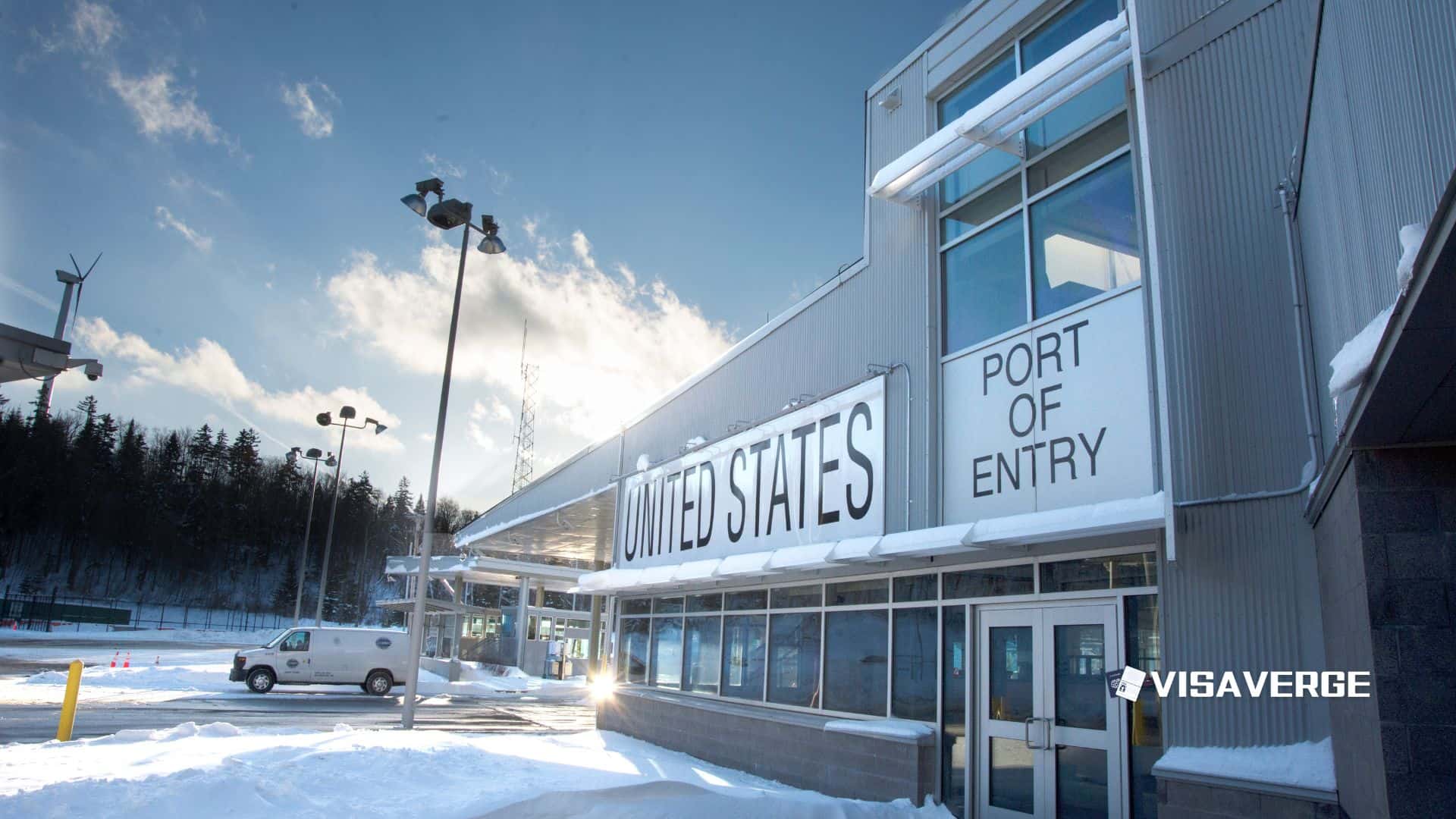
Holding an Advance Parole document does not guarantee reentry into the United States. The Department of Homeland Security (DHS) conducts thorough inspections at ports of entry and may deny admission despite valid documentation.
“DHS could deny your reentry even with a valid Advance Parole,” states an immigration official. “Each case is subject to evaluation upon arrival.”
Traveling with Advance Parole involves careful consideration. Whenever in doubt, consult with an immigration lawyer and ensure all documents and appointments are in order to avoid compromising your journey to permanent residency in the United States.
So, the moral of the story? If you’re on the path to a green card, don’t leave the country without Advance Parole – unless you want to risk starting the whole process over again. Trust me, that’s not a journey you want to take twice. But hey, if you want to dive deeper into this fascinating topic and explore more about Advance Parole and other immigration-related stuff, head on over to visaverge.com. Happy exploring, my friend!
This Article in a Nutshell:
Advance Parole allows individuals awaiting a green card to travel internationally without jeopardizing their application. Without it, leaving the U.S. can result in application abandonment. Eligibility is determined on a case-by-case basis, with certain visa holders exempt. Apply using Form I-131, pay $575, and allow 6-18 months processing time.