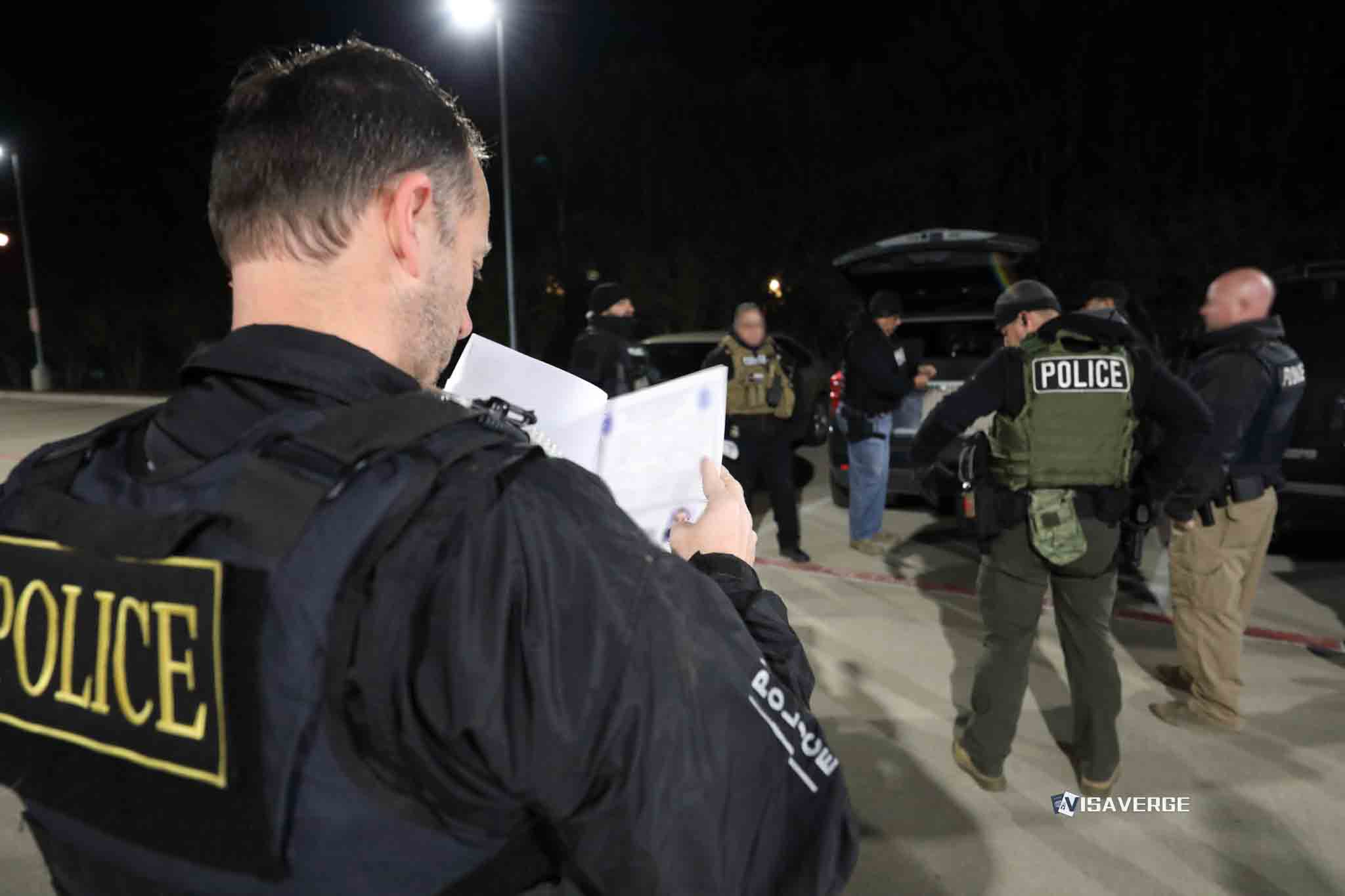
Eight civil rights groups sued the federal government in California on October 28, 2026, alleging a voter-investigation program intimidates naturalized citizen voters. The challenge targets USCIS and DHS and their initiative to identify people suspected of voting without U.S. citizenship. Reuters described the effort as a plan to deploy hundreds of investigators to seek noncitizen voters.
The groups say the initiative reaches naturalized citizens through investigations that can threaten their ability to vote. The program began in August 2026, according to the lawsuit.
The plaintiffs are OCA-Asian Pacific American Advocates, OCA-San Mateo, OCA-Sacramento, Common Cause, the ACLU of Northern California, the ACLU of Southern California, Asian Americans Advancing Justice – AAJC, and Asian Americans Advancing Justice Southern California (AJSOCAL). The ACLU Voting Rights Project represents them.
The complaint names DHS Secretary Markwayne Mullin and USCIS Director Joseph Edlow as defendants. The department did not immediately respond to a request for comment.
The lawsuit seeks to end investigations and prevent ballot challenges
The initiative, which the agencies call the “Unlawful Voter Initiative,” directs immigration personnel to compile names for investigation over possible noncitizen voting, the groups say. They ask the court to stop the effort and bar federal officials from pressuring state election officials to reject or withhold valid ballots cast by people on government lists.
The lawsuit seeks a declaration that the initiative violates the Civil Rights Act’s Uniform Standards Provision, the Privacy Act and the Administrative Procedure Act. The plaintiffs also ask the court to vacate the initiative and require the government to destroy records created or kept through it.
The groups describe the process as rushed and built on unreliable government data. They say it casts naturalized and derivative citizens as potential criminals before putting their voting rights at risk.
The groups say flawed records have put eligible citizens under scrutiny
The complaint alleges investigators use outdated, error-prone data and questionable methods. One allegation is that agents posed as individual voters to search private voter-registration records on state election websites. The groups say thousands of naturalized citizens have faced improper investigations, door-to-door interrogations and possible disenfranchisement.
The allegations draw on a whistleblower report released by U.S. Senate Democrats in September. It said the department was investigating naturalized citizens without their knowledge.
Theresa J. Lee, senior staff attorney with the ACLU Voting Rights Project, said the administration’s use of flawed data puts eligible voters at risk. Thu Nguyen, executive director of OCA-Asian Pacific American Advocates, said immigrant communities have spent generations fighting barriers to voting.
“Instead of helping voters participate in our elections, federal agencies are using flawed information to investigate and intimidate the very people they are supposed to serve.”
Nguyen said the actions threaten trust and civic participation in immigrant communities. She said fear should not keep people from exercising their voting rights.
John C. Yang, president and executive director of Asian Americans Advancing Justice – AAJC, said naturalized citizens have the same voting rights as people born in the United States. He said election officials had found the initiative erroneously flagging eligible voters. Virginia Kase Solomon, Common Cause’s president and CEO, accused the administration of using data it knows is unreliable to scare eligible voters away from the polls.
A separate order restricts the initiative in nine states until Election Day
A separate federal case has imposed limits on the initiative in nine states. U.S. District Judge Araceli Martínez-Olguín, a President Joe Biden appointee in the Northern District of California, issued the restrictions last week. The plaintiffs in the new case say the limits expire at the end of Election Day, November 3.
The department has asked for an emergency order allowing election-related field operations to resume in those states. In separate California litigation over ballot lists, a judge said at a Tuesday hearing that a special master would likely examine the list. The judge appeared reluctant to require election officials to set ballots aside.
The Justice Department has sued California over mail ballots from more than 20,000 registered voters it alleges are noncitizens. It also demanded Washington state not count ballots from 400 people suspected of being noncitizens; the department compiled the lists. Mullin said in a Wednesday news release about voter-fraud arrests:
“The Trump Administration will not allow illegal aliens to steal the votes of hardworking American citizens. American elections are for Americans only.”
Noncitizen voting is a misdemeanor offense, and individuals can also face deportation.
A 2023 policy separately provides registration services at naturalization ceremonies
A separate agency policy addresses voter registration at naturalization ceremonies, not the investigations challenged in the lawsuit. A policy alert dated August 25, 2023, identified as PA-2023-25, revised guidance in Volume 12, Part J, Chapter 5 of the Policy Manual and took effect immediately.
The guidance provides voter-registration access at each administrative naturalization ceremony. It calls for coordination with nonpartisan organizations when election officials are unavailable, and requires participating organizations to file a one-time Voter Registration Services Attestation, Form N-401. The alert is available in the USCIS Policy Manual update.