- Burner phones are legal in the United States without requiring a federal ID or long-term contract.
- CBP retains the authority to search electronic devices without a warrant under the border search exception.
- Travelers should minimize personal data and use strong passcodes to reduce exposure during potential inspections.
Burner phones are legal in the United States ??, and many travelers use them to keep personal data separate while crossing borders. But that privacy choice does not stop U.S. Customs and Border Protection from searching electronic devices at the border without a warrant. That split between legal phone ownership and border search power is where many travelers get caught off guard.
For international travelers, the issue is not just whether a phone is legal. It is whether the device carries data that border officers can inspect, copy, or question. VisaVerge.com reports that this tension between privacy and border control is becoming more important as more people travel with phones that hold passports, messages, photos, work files, and social media accounts.
Burner phones are legal, but they are not invisible
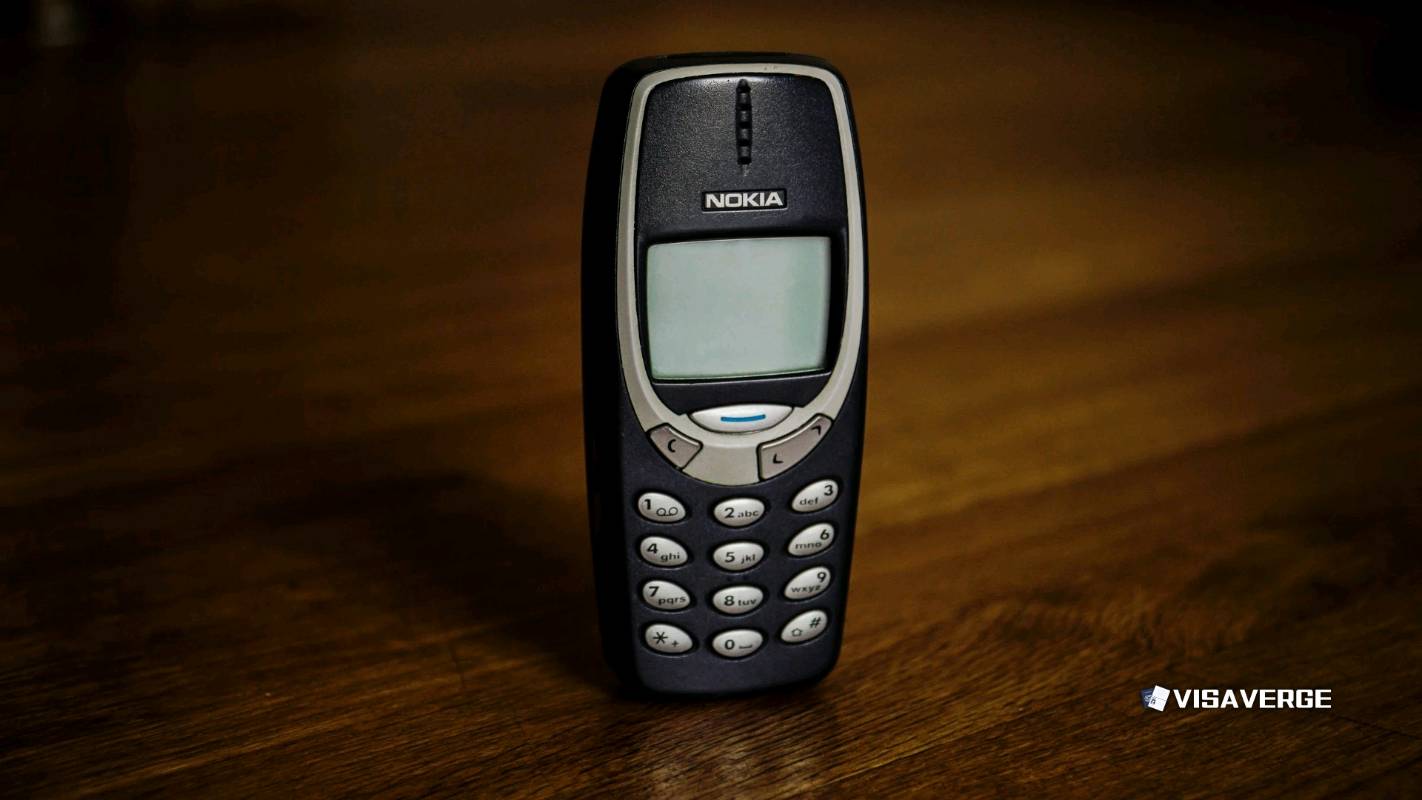
A burner phone is usually a prepaid mobile device that is not tied to a long-term contract. Many people use one for short trips, business separation, personal safety, or privacy. In the United States, there is no federal rule banning burner phones, and there is no federal law that requires ID just to buy one.
Free toolB1/B2 Tourist Visa Stay Calculator onlineThat legal status matters. Travelers sometimes assume that using a burner phone will keep them outside the reach of airport screening or border inspection. It will not. A burner phone may reduce the amount of personal data carried on a trip, but it does not remove a traveler from normal inspection rules at the border.
The device itself is legal. The way it is used matters just as much.
CBP authority at the border is broader than airport security screening
A common point of confusion is the difference between airport security and border inspection. The Transportation Security Administration, or TSA, checks passengers and luggage before boarding. CBP, by contrast, handles border control, customs, and immigration enforcement at U.S. entry points. That difference shapes what officers can do with a phone or laptop.
CBP can search electronic devices at the border without a warrant under what is known as the border search exception. This rule has long been tied to the government’s power to control who and what enters the country. It is one reason border searches are treated differently from searches inside the United States.
The practical result is simple. A traveler may pass TSA screening and still face a phone check when reaching CBP at arrival. The phone can be inspected even if the traveler is not suspected of wrongdoing in the ordinary criminal sense.
For official guidance, travelers can review CBP’s public information on electronic device searches at the border.
Court rulings have pulled in different directions
The law around digital searches at the border has been shaped by conflicting court decisions.
In United States v. Arnold in 2008, the Ninth Circuit said customs officials did not need reasonable suspicion to search laptops at the border. That decision helped support broad inspection power for electronic devices.
In Alasaad v. McAleenan in 2019, a federal court in Boston took a more privacy-protective view and found that searches without suspicion violated the Fourth Amendment in that setting.
Then, in United States v. Smith in 2023, a New York court said agents must have a warrant before searching a traveler’s phone. That ruling showed how unsettled this area remains.
These cases matter because they show a legal fight that has not settled into a single nationwide rule. Travelers should not assume their phone is off limits simply because the device contains private messages, photos, or work material.
Why burner phones appeal to privacy-conscious travelers
Many travelers choose burner phones because they hold less personal information. A prepaid phone that is not tied to a main account may carry fewer contacts, fewer apps, and less stored history. That can reduce exposure if a device is inspected.
A stripped-down phone also limits how much can be seen during a quick search. A traveler who keeps sensitive files, banking apps, or long message threads off the device may face less risk if border officers request access.
That was part of the logic behind the FBI’s advice during the 2022 Beijing Winter Olympics, when athletes were told to use burner phones to reduce cyber threats. The message was clear: fewer data points can mean less exposure.
Still, privacy is not free. A burner phone often lacks the features travelers rely on every day. Maps, ride apps, translation tools, mobile boarding passes, and family chat apps may all work less smoothly. For many people, that trade-off is real.
Burner phones can draw attention if they look unusual
In some travel settings, carrying a burner phone may attract more attention than carrying a regular smartphone. Officers may see a low-cost prepaid device as unusual, especially if it has little history, few contacts, or behavior that seems designed to avoid traceability.
That does not mean the device is illegal or suspicious by itself. It means the device can raise questions during a search or interview. A traveler who uses a minimal phone should be ready for the possibility that it stands out.
There is also a technical side to the privacy question. Burner phones are not magic shields. Devices known as IMSI catchers can intercept mobile phone connections in some environments, and spyware can be planted in certain situations. The presence of a burner phone does not eliminate surveillance risk.
For travelers who prize privacy, that reality matters. A simple phone reduces exposure in one area and may still leave openings in another.
U.S. citizens and green card holders have different consequences than visitors
The consequences of refusing a search vary by immigration status. U.S. citizens and lawful permanent residents cannot be denied entry simply because they refuse to unlock a device. But the refusal can lead to delay, deeper questioning, or temporary seizure of the device.
Foreign travelers face a harder reality. A refusal to comply can lead to denial of entry. For visitors, students, workers, and other noncitizens, the border search issue is tied directly to admissibility. That makes device access a serious travel issue, not just a privacy debate.
That is why travelers should separate two questions: what is legal to own, and what can happen during inspection. Burner phones are legal to own. Access to devices at the border is a separate matter.
Social media and cloud data need the same care
Digital privacy does not end with the phone in your hand. Officers may look at apps, stored messages, browser history, cached content, and account connections. Social media profiles are part of that picture.
Travelers often reduce risk by removing social media apps before departure. That step helps, but it does not erase everything. Cached data may remain, and account traces can still appear through browser access or saved logins.
A better approach is to log out, clear history, and remove unnecessary app data before travel. Sensitive files should be stored in secure cloud services and removed from the device ahead of the trip. That keeps the phone cleaner if it is examined.
For people with complex travel histories, work files, or family records, this step matters. A phone that carries less history gives less away in a border inspection.
Device settings should be set before departure
Travelers who want to protect personal data should prepare devices before reaching the airport. Once a device is in the hands of an officer, the opportunity to manage what is visible is much smaller.
The most useful steps are straightforward:
- Use a device with minimal data.
- Move sensitive files to secure cloud storage before the trip.
- Remove those files from the device after backup.
- Encrypt the phone or tablet.
- Use a strong passcode instead of fingerprint or facial unlock.
- Log out of accounts you do not need during travel.
- Delete social media apps or sign out before departure.
Biometric unlock is especially risky because a fingerprint or face scan is easier to use under pressure than a passcode. A strong code gives more control.
These steps do not block CBP authority, but they reduce the amount of personal information exposed during a search.
What travelers should expect if CBP asks to inspect a phone
If CBP asks to inspect a device, the interaction may be brief or may stretch into a longer secondary inspection. The result depends on the facts of the trip, the traveler’s answers, and the officer’s concerns.
The key point is that border agents can examine electronic gadgets without a warrant. The search may be manual, and it may involve looking through apps, files, photos, or messages. In some cases, devices are held temporarily while the inspection continues.
For international travelers, the most important preparation is not panic. It is having a clean device, a strong passcode, and a clear sense of what data is stored on the phone.
Travelers should also know the laws in the destination country. Some countries have much broader rules on device access than the United States. A phone that seems safe at home can become a problem abroad.
Burner phones are not a complete privacy strategy
A burner phone is only one tool. It works best when paired with disciplined data habits. Used alone, it can create a false sense of security.
A traveler who carries a burner phone but still logs into personal email, stores family photos, and keeps work documents on the device has not reduced much risk. The phone may still expose the same life history as a regular smartphone.
The better use of a burner phone is narrow and deliberate. It should carry only what is needed for the trip. That includes temporary communication, basic contact needs, and perhaps a few travel tools. It should not become a second full-time phone with all the same data as the first.
That distinction is often missed. The privacy benefit comes from the limited data load, not from the phone’s label.
Airport privacy concerns are growing with every trip
Travel now carries more digital baggage than ever before. Passports, boarding passes, work files, health records, and family messages all live on devices people carry every day. That makes border searches feel more intrusive, even when officers see them as routine.
The privacy concern is not abstract. A phone can reveal where someone has been, who they know, what they read, and what they plan next. For immigrants, students, journalists, lawyers, and business travelers, that information can be deeply personal.
This is why the issue keeps returning in courts and public debate. The law has not kept pace with the amount of information people now carry in a pocket.
For immigration travelers: the stakes are higher at the border
People traveling for visas, green card interviews, asylum matters, work trips, or family visits often carry more sensitive material than the average tourist. Messages with lawyers, case documents, embassy notices, and identity records are all common on modern phones.
That makes device hygiene more than a privacy choice. It is part of travel preparation. A device with less information is easier to manage if it is inspected. A phone with full case files, scanned IDs, and personal conversations is harder to protect.
Travelers should also remember that border officers may ask follow-up questions about the contents of a device. The cleaner the device, the less exposed the traveler is to those questions.
The official CBP page on search authority at the border remains the most direct public reference for current federal practice.
Legal rules keep shifting, so habits matter
The law on digital searches at the border keeps moving through courts. That means travelers cannot rely on one old case or one headline to define what happens next. Different courts have reached different results, and the debate over the Fourth Amendment is still active.
For that reason, habits matter more than assumptions. A burner phone can help, but only if it is used with care. A full smartphone can still be made safer if the owner reduces the data on it before travel.
VisaVerge.com reports that this balance between privacy and compliance is now a routine part of international travel planning. For many travelers, the smart approach is not choosing between total openness and total secrecy. It is carrying less, sharing less, and expecting scrutiny at the border.
The legal reality is direct: Burner phones are lawful, CBP can search electronic devices without a warrant at the border, and travelers who prepare their devices before departure face less risk than those who do not.