Key Takeaways
• Air India frequently downgrades passengers to accommodate crew rest needs.
• The DGCA now mandates compensation for unauthorized downgrades.
• Public trust in Air India is declining due to service inconsistency.
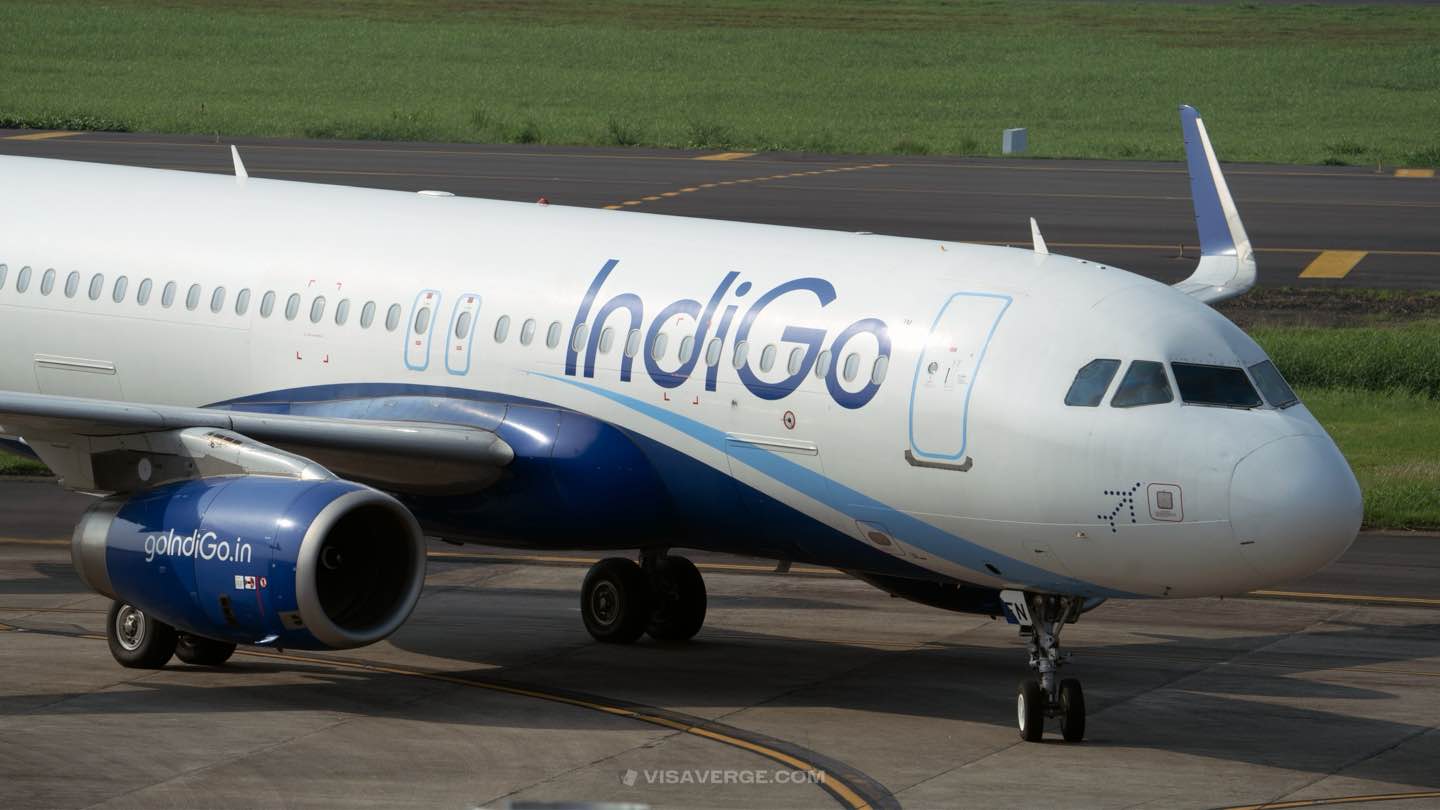
Air India’s recent history has been punctuated by controversies surrounding the downgrade of passengers from business class to economy class, sparking heated debates and public discussions. These incidents have become a center of public outrage and industry scrutiny, drawing attention to the airline’s service standards and its commitment to passengers. At the heart of this controversy is the critical balance Air India must strike between operational needs, such as accommodating crew rest, and the inherent rights of its passengers.
Recurring Issues with Downgrades
The issue came to light in January 2025 when a passenger, Nilesh Bansal, shared his distressing encounter with Air India. He and his young son, slated to travel in business class, found themselves in economy class after their seats were reassigned to an Air India pilot. Adding to Bansal’s frustration was the fact that their stroller was left behind at the airport in Delhi, and they endured a waiting period of over 90 minutes despite prior assurances of available seats. However, this incident was not unique or isolated. It was emblematic of a growing series of similar occurrences that passengers have faced over time with Air India.
Instances of such downgrades have been reported consistently. In November 2024, Shaktisinh Gohil, a prominent political figure, highlighted a passenger’s downgrade to accommodate a crew member. Earlier, in March 2024, a woman reported that her mother was downgraded on a flight from Delhi to Washington DC. The original business class seat was reportedly given to another passenger. These incidents have fueled a broader discourse about Air India’s commitment to its customers and their travel experiences.
Broader Repercussions on Air India’s Image
These persistent downgrades have far-reaching effects beyond the immediate inconvenience caused to passengers. They have significantly impacted Air India’s reputation. Notable personalities, including journalist Vir Sanghvi, have expressed dissatisfaction with the airline’s practices. Sanghvi detailed his own experience of being downgraded from Premium Economy to Economy on a Mumbai-Bangkok Air India flight, criticizing the airline’s management for poor service standards. Similarly, Thamizhachi Thangapandian, a Member of Parliament from Chennai, shared her displeasure when downgraded from business class without any prior notice.
Such high-profile instances underscore the growing erosion of trust in Air India’s service. When passengers, regardless of stature, cannot rely on the services they paid for, it becomes a serious issue for the airline. The financial ramifications are significant. Compensation for downgrades, as per new rules, means additional costs to Air India. The negative headlines further threaten the airline’s standing and attractiveness to customers who value reliability and consistency in their travel plans.
Regulatory Response and Industry Reaction
Given the uproar these incidents have caused, the Directorate General of Civil Aviation (DGCA) has stepped in to amend regulations to better protect passengers. Now, if downgrades occur without the passenger’s consent, compensation must be provided. Passengers on domestic flights can expect 75% of their ticket price back, including taxes. For international flights, the compensation depends on distance: 50% for trips between 1,500 km and 3,500 km, and 75% for flights over 3,500 km.
These regulatory changes highlight the need for passenger rights to be respected and for airlines to ensure fair treatment. The DGCA’s involvement is a push for more accountability and openness in airline operations. Industry experts agree that while meeting crew rest needs is essential, it should not come at the expense of passenger rights and comfort.
Moving Forward: A Call for Balance
The recent sequence of events at Air India showcases a pressing need for the airline—and the industry as a whole—to carefully balance operational requirements with passenger rights. Clear communication becomes a pivotal factor in maintaining trust. Passengers should never be taken by surprise with changes to their seating, and downgrades should always be a last resort, not a standard solution.
Airlines should review their policies to ensure they focus on serving their customers. Better planning can help avoid situations where crew rest requirements lead to displacing paying passengers. By improving these areas, airlines can protect themselves from potential damage to their reputation and the financial costs associated with compensating unhappy customers.
Navigating contemporary challenges requires airlines to comply fully with established regulations, ensuring that passenger rights are always part of the equation. Upholding these standards will not only serve to safeguard passenger interests but will also enhance the airline’s reputation as a reliable choice.
Path Towards Enhanced Customer Service
To rebuild the trust eroded by these downgrading controversies, airlines need to act decisively. Emphasizing transparency is important to reassure customers that their rights will be respected moving forward. Transparent operational policies paired with stringent adherence to passenger rights create a win-win situation for all parties involved.
Better passenger care practices, stronger communication protocols, and steadfast adherence to international aviation standards can reform Air India’s service quality. In a competitive industry, the ability of an airline to rise above rest depends significantly on its regard for passenger experience and operational transparency. As outlined on VisaVerge.com, Air India’s efforts in this regard will ultimately determine if it can restore its standing.
Conclusion: The Way Forward
The controversies that have come to define Air India’s recent history underscore pressing shortcomings in how the airline manages its services and passenger relationships. The need for reform spans policy development, regulatory compliance, and communication strategies. By fostering an environment where transparency is prioritized, where customer satisfaction is paramount, and where regulatory requirements are unwaveringly followed, both Air India and the wider aviation sector can work toward regaining trust and offering the kind of service that travelers expect. Such changes herald a future where air travel is more equitable and focuses on the needs of the customer, ensuring a smooth journey for all passengers.
Link: For more detailed information on passenger rights and airline regulations, visit the DGCA official page here.
Learn Today
Downgrade → Changing a passenger’s seat to a lower class than originally booked.
DGCA → Directorate General of Civil Aviation, regulating India’s aviation sector.
Operational Needs → Requirements necessary to maintain flight safety and efficiency, such as crew rest.
Business Class → A higher, more expensive class offering enhanced comfort and service on flights.
Compensation → Financial reimbursement for inconveniences faced by passengers during travel.
This Article in a Nutshell
Air India’s practice of downgrading passengers from business to economy class challenges its reputation. Continuous incidents, involving notable figures, highlight systemic issues threatening customer trust. Regulatory changes demand compensation, emphasizing transparency and accountability. Improved communication and clear policies can help restore Air India’s image as a reliable airline amidst industry scrutiny.
— By VisaVerge.com
Read more:
• From Socialist Trailblazer to Visa Controversy: Who Is Kshama Sawant?
• Ecctis Ltd and Unlawful Language Test Fees Controversy
• Anti-Indian Sentiment Sparks Controversy in Canada
• No, Indian-Origin Man Was NOT FIRED From TD Bank due to Free Food Controversy
• Sri Lanka Ends Visa Extensions for Russians After ‘Whites Only’ Party Controversy