Key Takeaways
• NY Helicopter Tours ordered to shut down after Hudson River crash.
• Six people died in Bell 206 helicopter crash.
• FAA investigates safety protocols and company operations post-accident.
In the realm of leisure and tourism, helicopter tours have long been a sought-after means to enjoy breathtaking aerial views of iconic cities like New York. These tours offer a truly thrilling experience, providing a unique perspective of urban landscapes and their surrounding natural beauty. However, following a tragic helicopter crash over the Hudson River, the much-loved New York Helicopter Tours company has been ordered to shut down. This event has brought considerable concern over the safety of helicopter tourism, positing questions about the adequacy of their safety measures and the oversight provided by aviation authorities.
The Incident

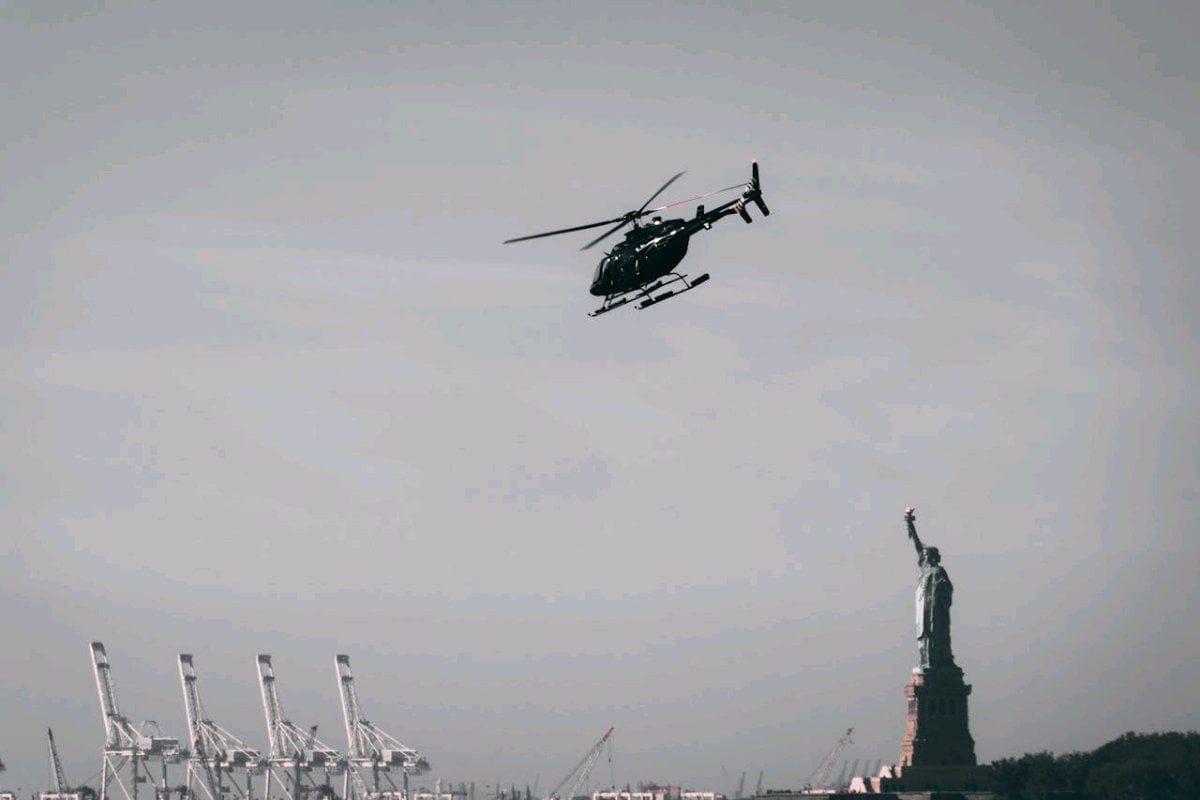
On a sunlit day, a Bell 206 helicopter—an aircraft model commonly used for both passenger transport and sightseeing—met a disastrous fate. As it soared above the Hudson River, the helicopter unexpectedly came apart in midair and crashed, claiming the lives of six passengers. Among the victims were Agustín Escobar, a key figure at Siemens AG, his wife, Mercè Camprubí Montal, and their young children, who had come to New York ?? for a family holiday. Tragically, the pilot, Seankese “Sean” Johnson, also perished in the accident. This marked a heartbreaking day not only for their families but also for the city and the aviation community as a whole.
Immediate Response and Investigation
In the wake of this tragic incident, the Federal Aviation Administration (FAA) did not delay in taking protective action. The agency mandated an immediate halt to New York Helicopter Tours’ operations and started a thorough assessment of the company’s safety record and its operating license. The National Transportation Safety Board (NTSB) is leading the inquiry into why the crash happened, but they face significant challenges. One major hurdle is the helicopter’s lack of flight data and video recorders, which are crucial tools for understanding the events leading up to accidents. While the cockpit and cabin have been pulled from the water, other vital pieces like the main rotor and tail assembly are still missing, adding complexity to this investigation.
A Call for Stronger Oversight
This tragic event escalates discussions about the safety of helicopter tours in urban environments. Senator Chuck Schumer has been notably vocal, advocating for a hard look at current regulations. He highlights a troublesome trend where safety concerns are overshadowed by commercial goals, referencing 20 accidents related to sightseeing helicopters in New York over the past two decades. Schumer calls for reviewing the operating permits of tour companies to ensure no corners are cut when it comes to passenger safety.
Industry and Public Reaction
While the FAA and political leaders demand heightened scrutiny and stricter safety measures, the Eastern Region Helicopter Council stands by the claim that existing regulations are full and adequate. Nonetheless, this perspective has come under fire as public advocacy groups urge tighter restrictions on nonessential helicopter flights. The call for such measures stems from continuous safety concerns, suggesting a recurring struggle between pleasing tourists and ensuring their safety. Much of this debate focuses on whether operational freedoms for these companies unintentionally heighten risks for their passengers.
Economic and Regulatory Implications
Suspending the operations of New York Helicopter Tours immediately impacts tourism revenue, a lifeline for many parts of the city’s economy. It brings to the forefront the urgent need to balance commerce and safety, sparking a discussion on possible regulatory changes. Proposals in the air include mandatory installation of terrain awareness systems in helicopters and more in-depth checks on the operating companies themselves.
Steps for the Future
Come April 22, the FAA plans to host a helicopter safety panel discussing industry-wide safety issues. Attendees of this assembly will include experts tasked with designing better safety measures and regulations. This takes on added urgency given past delays in upgrading aviation safety standards due to financial limitations and competing administrative priorities.
The Ultimate Conclusion
The immediate closure of New York Helicopter Tours creates a pivotal moment for the helicopter tour industry. It exposes the critical need for revamping safety guidelines and intensifying regulatory practices. As investigations proceed and policymakers deliberate, this misfortune underscores a universal truth: public safety must not be overshadowed by the allure of profit. The outcomes of upcoming safety panels will likely define the future operational landscape of helicopter tours, aiming to forestall similar mishaps and assure all of safe flights full of joy, not distress.
As reported by VisaVerge.com, this situation serves as a wake-up call, an opportunity to bring about positive change by enhancing the safety and regulatory oversight of tourism helicopter flights, ensuring that past mistakes do not go unlearned, and that future aerial journeys are conducted with the utmost caution.
For those keen on deeper dives into aviation regulatory matters, the FAA’s official site offers comprehensive resources and insights into ongoing governmental efforts to improve flight safety. This crucial juncture in the helicopter tour domain calls attention to the ever-present need for thoughtful oversight and the steadfast prioritization of the well-being of passengers enjoying these unique adventures from above.
Learn Today
Federal Aviation Administration (FAA) → The agency responsible for regulating civil aviation safety in the United States.
National Transportation Safety Board (NTSB) → A U.S. government agency that investigates transportation accidents and issues safety recommendations.
Bell 206 → A widely used lightweight helicopter model, known for both passenger transport and sightseeing tours.
urban landscapes → City environments, often viewed from above in helicopter tours.
terrain awareness systems → Technology providing pilots with warnings about potential ground collisions.
This Article in a Nutshell
Following a tragic Hudson River helicopter crash, New York Helicopter Tours closes. This incident raises safety concerns, leading to a thorough FAA investigation. The industry faces challenges as authorities examine helicopter safety measures. Efforts to balance economic benefits and passenger safety gain momentum, prompting possible regulatory changes for future flights.
— By VisaVerge.com
Read more:
• FAA Urges Boeing 787 Safety Fix for Lavatory Corrosion
• FAA investigates after two planes clip wings at Reagan airport
• FAA Now Lets Some Aircraft Owners Keep Registration Details Private
• United Airlines Gets FAA Green Light for Starlink Wi-Fi, First Flight in May
• FAA Acts Quickly on Safety After Call to Action in Aviation